
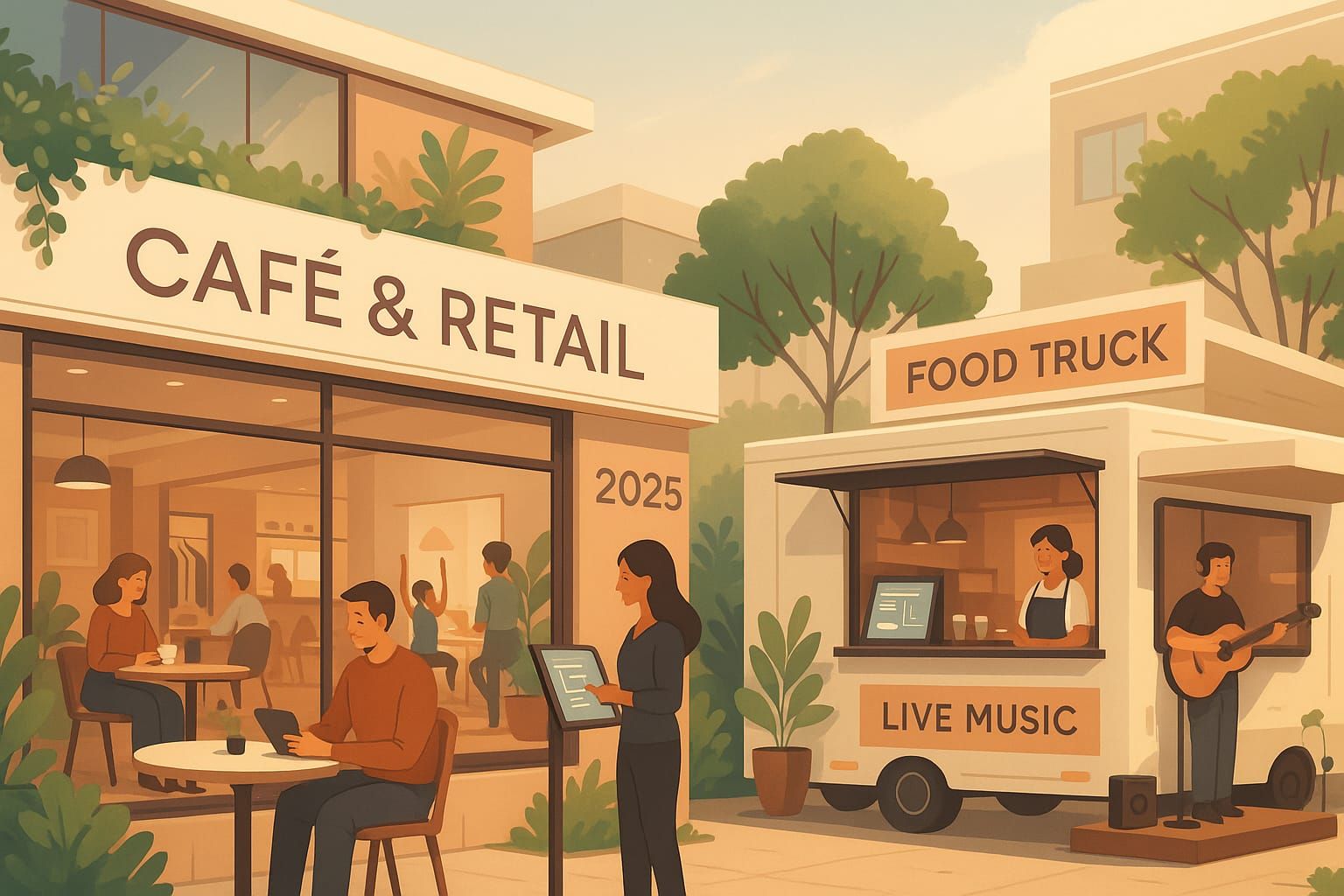
Starting a restaurant in 2025 makes more sense than ever before. The best type of restaurant to start in 2025 is one that aligns with new consumer trends, lower startup costs, and smarter operations. The industry has undergone significant changes in the last few years, and with those changes come genuine opportunities. Lower startup costs, smarter tools, and fast-changing consumer behavior have all created space for focused, flexible, and profitable restaurant models.
The key isn’t having a big budget — it’s having the right concept at the right time.
What’s Changing in the Food Industry — And Why It Matters in 2025
In 2025, the restaurant landscape bears little resemblance to what it was five years ago. Technology, lifestyle habits, and post-pandemic shifts have changed where, when, and how people eat. New concepts that are lean, mobile, and niche are thriving because they fit today’s reality.
Key changes shaping the market:
- Most customers now expect online ordering, mobile payments, and real-time updates
- Traditional peak meal times are disappearing due to flexible work-from-home routines.
- More diners want brands that reflect their values, like health, sustainability, or transparency.
- New models like ghost kitchens or app-based delivery-only brands are growing because they’re efficient and low-risk
This shift has opened doors for new players, especially those who understand these changes and respond to them early.
Why Niche, Fast, and Experience-Based Concepts Are Dominating
The most successful restaurant businesses in 2025 are not trying to please everyone. They’re solving very specific problems or appealing to very clear customer identities. Whether it’s a vegan salad shop, a dog-friendly café, or a tech-driven takeout brand, focused concepts are winning because they stand out.
Why these models work better today:
- Niche brands speak directly to specific communities and build stronger loyalty
- Convenience-first models (like food trucks or cloud kitchens) are faster to launch and easier to scale
- Experience-based concepts (like immersive dining or co-working cafés) turn eating into an activity, not just a transaction.
Instead of competing with generalist restaurants, niche and experiential models carve out their own space in the market.
Top Models Leading the Restaurant Shift This Year
Restaurants that succeed in 2025 are tapping into current habits and filling real gaps. Many are combining ideas — like dine-in coffee shops that double as event spaces, or meal-prep brands that offer subscription delivery plus weekend pop-ups.
Real growth areas include:
- Brunch-only cafés that appeal to remote workers with flexible hours
- Delivery-only dessert brands using low-cost kitchens to scale quickly.
- Sustainable restaurants with zero-waste menus and transparent sourcing
- Meal subscription businesses that lock in repeat revenue with low labor overhead
These aren’t fads — they’re evidence of how customers are spending and what they’re demanding right now.
Entrepreneurs Who Got It Right
Nadodi, a Kuala Lumpur restaurant that reimagined modern Indian cuisine through a minimal, immersive tasting experience. The concept blended storytelling, cultural pride, and visual appeal — and it worked.
What made Nadodi successful?
- A niche menu based on progressive Indian cuisine with South Asian roots
- Focus on multi-sensory, story-driven dining rather than traditional service.
- Viral buzz through visuals, media reviews, and word-of-mouth
- Recognition from Asia’s 50 Best Restaurants list — built from originality, not budget
Nadodi shows that in 2025, smart ideas are more powerful than big money. A clearly defined purpose, backed by authenticity and creativity, can lead to national or even global success.
How to Choose the Best Restaurant Concept for Your Goals
Choosing the right restaurant concept is not just about following trends. It’s about finding a model that fits your goals, matches your strengths, and responds to what the market actually needs. Many first-time restaurant owners fail because they focus on what sounds exciting instead of what works. In 2025, the most successful restaurants are built with clarity and purpose, not guesswork.
Start With Passion, But Plan for Profitability
Having a passion for food or hospitality is important, but it must be backed by a practical business model. A good concept is one that you care about and that customers are willing to pay for. Passion gives your restaurant a strong foundation, but profitability ensures it stays open.
What to consider before choosing your concept:
- Does the concept fill a real demand in your area?
- Will it attract repeat customers, not just one-time visits?
- Is it priced in a way that can cover your expenses and generate a return?
When passion and planning are both present, your chances of building something long-lasting improve.
Understand the Market: Budget, Location, and Local Competition
A great idea won’t succeed in the wrong market. Before committing to a restaurant concept, it’s important to study your local landscape. This includes the budget you’re working with, the area you plan to operate in, and the competition already serving that market.
Key areas to evaluate:
- Rental rates, labor costs, and utility expenses in your target location
- The dining habits and preferences of the local population
- How many similar restaurants already exist nearby
- Whether your capital is enough to support the business until it becomes profitable
Matching your concept to the local environment is often the difference between steady growth and early failure.
Build Around Your Strengths and What Customers Want
Your restaurant should reflect what you do best. If you’re not a trained chef, don’t build a model that depends on being one. Instead, consider your personal experience, skills, and resources, and choose a format that allows those strengths to shine.
Examples of how to align concept with ability:
- A trained chef might offer a limited but premium tasting menu
- A social media-savvy founder could develop a highly visual dessert bar.
- Someone with logistics or operations experience could run a delivery-only kitchen efficiently.
At the same time, listen to what customers value. In 2025, that often includes speed, health-conscious menus, and experiences that feel personalized and memorable.
The Top Market Trends Driving Restaurant Success in 2025
Understanding what drives restaurant success in 2025 is key to choosing the right concept and staying relevant. The most successful food businesses today are not just serving meals — they’re solving lifestyle needs, responding to values, and using technology to improve the dining experience.
This section breaks down the most important trends shaping the industry this year — trends that aren’t just influencing big brands, but are opening real opportunities for new startups and independent restaurant owners.
Health, Speed, and Delivery: The New Standard for Everyday Dining
Customers today want food that fits into their lives, not the other way around. Healthy choices, fast service, and delivery-ready options are now baseline expectations, not extras. Whether it’s a fresh bowl bar, protein-packed smoothies, or plant-based wraps, the demand for nutritious food that travels well is growing across all age groups.
Key insights from this shift:
- Health-conscious dining is no longer niche — it’s mainstream and competitive
- Delivery-first restaurants outperform dine-in-only models in many urban and suburban areas.
- Flexible menu options, like build-your-own bowls or allergen-free swaps, support customer retention.
New restaurants that are designed for this reality — with packaging, prep flow, and brand voice optimized for convenience — are positioned to grow faster.
Technology That Works: From Contactless to AI-Driven Experiences
Restaurant technology has moved from a nice-to-have to a core part of how customers interact with your brand. From contactless ordering to predictive upsells based on past behavior, even small restaurants are now adopting tools once reserved for chains.
Popular tech tools reshaping the industry:
- QR code menus and digital checkout to reduce wait times and staff pressure
- Mobile apps or integrated ordering for delivery and pickup
- AI-based systems that track preferences and recommend orders or promotions
- Kitchen automation for inventory, scheduling, and speed improvements
Smart use of technology can improve margins, reduce errors, and give customers more control — all without sacrificing the human side of hospitality.
Sustainability, Community, and the Demand for Meaningful Hospitality
Diners are paying attention in 2025 to how restaurants source their ingredients, treat their teams, and contribute to their neighborhoods. This trend is especially strong among Gen Z and millennial audiences, but it’s growing across all demographics.
Ways restaurants are making this real:
- Transparent supply chains — featuring local farms, organic producers, and low-waste kitchens.
- Loyalty programs tied to causes — such as donating a portion of each order to food relief or education.
- Community events and pop-ups — designed to bring people together beyond just food.
- Physical design choices — including reusable containers, compost bins, and energy-efficient systems.
Sustainability is not just about the environment. It’s about building trust and creating purpose-led businesses that customers feel good supporting.
The Best Types of Restaurants to Start in 2025
If you’re planning to enter the food business in 2025, choosing the right type of restaurant is the first step toward success. With rising competition and changing customer preferences, it’s important to invest in a concept that’s not only profitable but also scalable in the long run.
In this Blog, we’ll walk you through the most promising and high-earning restaurant ideas you can start this year. Whether you’re launching your first venture or expanding your brand, these concepts offer strong potential for growth, customer loyalty, and high returns.
Let’s explore each restaurant type one by one so you can decide which model best suits your goals and budget.
Pet-Friendly Cafés & Dining Spaces
Pet-friendly cafés continue to grow in 2025 as people seek social spaces that include their pets. These restaurants go beyond simply allowing animals — they’re designed to be welcoming for pet owners and their companions. From the seating layout to special menu offerings, everything is built to create a relaxed, experience-focused environment. As more customers view pets as part of their lifestyle, these cafés tap into an emotional connection that supports loyalty, word-of-mouth, and long-term growth.
Key features that make this model work:
- Outdoor seating with leash-friendly setups, shaded spaces, and safe foot traffic flow
- Custom pet menus with healthy treats, pup-friendly snacks, or branded pet items
- Local community engagement through pet events, meetups, and shared user-generated content.
When done right, pet cafés offer high social value, frequent repeat visits, and strong potential for local expansion.
All-Day Brunch Restaurants & Lifestyle Cafés
All-day brunch cafés are thriving in 2025 due to changing routines and a shift toward casual, flexible dining. With remote work now embedded in daily life, more customers prefer restaurants where they can enjoy a late breakfast, meet casually, or work from a comfortable setting. Brunch cafés meet this demand while offering creative menus and attractive margins. They’re not tied to traditional hours or expectations, which gives owners the freedom to serve a broader audience across the day.
Why this concept is gaining traction:
- Brunch items like eggs, toast, bowls, and smoothies offer low food cost with high markup potential
- A relaxed, aesthetic space with good coffee and Wi-Fi appeals to freelancers, students, and social diners.
- The format adapts well to seasonal ingredients, themed menus, and social media marketing.
For founders seeking versatility, lifestyle appeal, and steady foot traffic, this model offers strong potential.
Ghost Kitchens & Virtual Food Brands
Ghost kitchens have become one of the most scalable restaurant formats in 2025. These delivery-only models operate without dining space, focusing entirely on online orders through food apps and direct platforms. By skipping front-of-house costs, founders can launch with less capital, move faster, and test multiple concepts in a single shared kitchen. This model is built for the digital consumer — quick, searchable, and built to adapt with minimal overhead.
What makes ghost kitchens a smart investment?
- Operate multiple food brands from the same kitchen, targeting different audiences and cuisines.
- Use third-party apps, dark storefronts, and digital menus to lower launch costs and reach a broader customer base.
- Quickly adapt offerings based on demand, reviews, and performance data with minimal rebranding effort.
For entrepreneurs with limited capital or tech experience, ghost kitchens offer a fast, low-risk entry into the food industry.
Food Trucks & Mobile Restaurant Businesses
Food trucks continue to stand out in 2025 as one of the most affordable and flexible ways to enter the restaurant business. These mobile kitchens allow entrepreneurs to serve customers without committing to high rent or long-term leases. They’re ideal for testing new concepts, building a local following, and moving with market demand. With lower upfront costs and the ability to change locations, food trucks give owners control over their exposure and customer base.
Why food trucks are a strong option this year:
- Perfect for festivals, office zones, college campuses, and private events with built-in foot traffic
- Serve high-margin street food, niche cuisine, or regional dishes without a full menu commitment.
- Easier to market and scale through social media, GPS tracking, and cross-promotion with local businesses
For founders looking to build a loyal following with low risk, food trucks offer mobility, speed, and creativity.
Healthy, Plant-Based & Wellness-Focused Restaurants
Health-focused restaurants continue to grow rapidly as more consumers prioritize food that supports their physical and mental well-being. In 2025, diners are actively seeking menus that are vegan, organic, protein-rich, or built around functional ingredients like superfoods. This shift has created space for restaurants that focus on clean labels, transparent sourcing, and nutrient-dense meals that align with modern lifestyles. Whether served in bowls, wraps, or juices, wellness food is no longer a niche — it’s an everyday expectation.
Why wellness dining remains one of the strongest restaurant models:
- Strong appeal across age groups, especially among urban professionals, students, and fitness-focused consumers
- Low food waste and prep-efficient menus centered on whole ingredients and plant-based proteins.
- Ideal for integrating with content marketing, nutrition education, or wellness-focused partnerships and pop-ups
Founders with a passion for health, sustainability, or fitness will find long-term opportunity in this space.
Cloud Kitchens Operating Multiple Virtual Brands
Cloud kitchens have become a go-to model for operators looking to scale fast without customer-facing storefronts. Unlike traditional restaurants, cloud kitchens focus entirely on preparing food for online delivery. In 2025, this model has further evolved, enabling multiple virtual brands to operate from a single kitchen space. These setups are ideal for targeting different audiences or experimenting with niche menus while maintaining streamlined operations and shared staff.
Key advantages of the multi-brand cloud kitchen model:
- Run several food concepts — such as burgers, salads, and desserts — under one roof with centralized resources
- Use third-party delivery apps alongside direct ordering to maximize visibility and profit margins.
- Track customer behavior, adjust menus quickly, and optimize based on performance data without physical remodeling.
This model works well for founders with digital marketing skills or food operators looking to expand without the risks of opening new locations.
Ethnic Cuisine & Authentic Cultural Dining Concepts
Ethnic restaurants are thriving in 2025 as diners seek more authentic, culturally rich food experiences. Many communities remain underserved when it comes to cuisine that reflects their heritage, and modern consumers, especially younger ones, are actively exploring global flavors. Restaurants that highlight specific cultural identities are now gaining traction not only for their food but also for their storytelling, decor, and personal connection to heritage.
Why ethnic dining concepts are gaining momentum:
- Tap into local populations that crave an authentic representation of their cuisine.
- Create food experiences that offer discovery, education, and cultural pride.
- Build strong community bonds by hiring locally, celebrating holidays, or telling origin stories.
Operators who honor their culture through food — with clear intention and authenticity — can build deep loyalty and positive brand recognition. This model works particularly well in multicultural cities or growing immigrant communities.
Dessert Bars, Bakeries & Ice Cream Shops
Dessert-focused businesses remain one of the most profitable and flexible restaurant types in 2025. With relatively low food costs and smaller space requirements, sweet-focused concepts like cake bars, specialty bakeries, and artisan ice cream shops offer a high return on investment. These businesses also benefit from strong social media appeal, making them easier to promote and scale with niche offerings.
Why dessert shops perform well in today’s market:
- High-margin items such as cupcakes, sundaes, or mini tarts are inexpensive to produce and easy to customize
- Seasonal and holiday-themed offerings keep menus fresh and encourage repeat visits.
- Ideal for pop-up models, kiosk formats, or late-night hours in busy areas
With strong visual presentation, customizable products, and broad demographic appeal, dessert shops provide a low-risk entry point for entrepreneurs, especially those with baking skills or design-focused branding.
Boutique Coffee Shops, Roasteries & Social Cafés
Boutique coffee shops and social cafés continue to thrive in 2025, offering more than just caffeine. These spaces attract a wide range of customers by combining high-quality coffee, small artisan menus, and community-focused design. Whether it’s a minimalist brew bar, a creative roastery, or a cozy hybrid café with local art and music, these models allow entrepreneurs to express creativity while serving a loyal, daily audience.
Why is this model effective for both brand and business?
- Specialty coffee carries strong markups and supports brand differentiation through sourcing, roasting, and presentation.
- Small, curated food menus pair easily with beverages and create a fuller experience without high kitchen costs.
- Design-driven interiors and social ambiance encourage content sharing, customer loyalty, and local partnerships.
These cafés perform well in urban centers, university areas, and neighborhoods that value culture, community, and independent brands.
Experiential & Immersive Dining Experiences
Experiential restaurants are transforming dining into something more than just food — they create memories. In 2025, themed and immersive dining concepts are attracting customers who want entertainment, story, and atmosphere with their meals. Whether it’s a mystery-themed dinner, a tech-driven projection experience, or a cultural journey through decor and music, these spaces appeal to groups, content creators, and those seeking something new.
Why immersive dining is a rising category:
- Encourages longer visits, higher ticket sizes, and event bookings such as birthdays or celebrations
- Easily promoted through social media with visual storytelling, viral moments, and influencer appeal.
- Opportunities to rotate themes, seasonal menus, or limited-time events to keep customers coming back
This model works best in urban markets or tourist-heavy areas where customers are actively looking for new, shareable experiences that blend dining with entertainment.
Sustainable & Eco-Friendly Restaurants
Sustainability has become a key decision factor for many diners in 2025. Eco-conscious restaurants that prioritize ethical sourcing, low-impact operations, and environmental transparency are attracting customers who care about how their meals are made. These restaurants are more than just trend-driven — they represent a long-term shift toward responsible, values-based hospitality.
Why sustainable models are gaining support:
- Ethically sourced ingredients, composting programs, and energy-efficient equipment reflect well on the brand and reduce long-term costs
- Transparency in food origins and supply chains helps build trust, especially among Gen Z and millennial audiences.
- Zero-waste menu strategies and reusable packaging appeal to environmentally aware diners and reduce operational waste
This model works well for restaurateurs who are passionate about purpose-led business and want to align their brand with conscious consumer values. It performs especially well in urban markets and health-focused communities.
Pop-Up Restaurants & Short-Term Test Kitchens
Pop-up restaurants and test kitchens have become strategic tools for launching new food concepts in 2025. These low-commitment models allow chefs and entrepreneurs to trial menus, build brand awareness, and gain real feedback without investing in permanent locations. Whether hosted in shared spaces, event venues, or temporary storefronts, pop-ups can quickly attract attention and prove a concept’s viability before scaling.
Why pop-up dining continues to work:
- Requires lower capital investment and shorter lease terms, reducing financial risk
- Creates urgency and buzz by offering limited-time experiences or seasonal exclusives
- Offers valuable data on menu performance, pricing, and audience interest before committing to a full build-out
Pop-up models are especially useful for first-time founders, experimental chefs, or multi-brand operators looking to test new ideas in live market conditions, while also generating content and word-of-mouth promotion.
Family-Friendly Restaurants with Interactive Dining Options
Family-focused restaurants remain a reliable and scalable business model in 2025. With many parents seeking dining spaces that balance quality food and kid-friendly environments, these restaurants meet a clear market need. They succeed by offering convenience, safety, and thoughtful design that allows parents to enjoy their meals while children stay engaged. When done well, they become a go-to choice for both casual family dinners and group outings.
What makes this model effective?
- Dedicated play areas, activity stations, or entertainment corners to occupy kids
- Menus with balanced kid portions, allergy-conscious options, and parent-friendly meal pairings
- Layouts that allow visibility, easy stroller access, and quick service for busy families
Restaurants that prioritize families often benefit from strong weekday traffic, repeat visits, and strong word-of-mouth within parenting networks. The concept is especially effective in suburban communities, near schools, or in shopping zones with steady footfall.
Baby Food Cafés & Healthy Dining for Infants & Toddlers
Baby food cafés are gaining attention in 2025 as health-conscious parenting becomes more mainstream. These niche dining spaces cater specifically to families with infants and toddlers by offering fresh, organic, and age-appropriate meals prepared without preservatives or artificial ingredients. The concept blends convenience with care, giving parents a trusted place to feed their children while also exploring new products or engaging in community events.
Why this niche is growing:
- On-site dining options include purées, soft foods, and allergy-friendly toddler meals made fresh daily
- Many cafés pair the menu with a small retail section featuring take-home baby food jars, snacks, or eco-friendly products.
- Health-conscious parents are seeking safer, more transparent food choices, especially for their youngest children.
This model works best in residential neighborhoods, near daycare centers, or inside shopping districts where young families spend time regularly.
Meal Prep, Subscription-Based Food Businesses & Ready Meals
Meal prep and subscription-based food businesses continue to grow in 2025, offering convenience, nutrition, and consistency for busy customers. These models focus on pre-portioned, ready-to-eat or heat-and-serve meals that cater to specific dietary needs, from high-protein fitness plans to plant-based or low-carb lifestyles. By operating on a subscription or weekly delivery model, they provide recurring revenue, predictable inventory flow, and scalable logistics.
Why this model works well in today’s market:
- Health-conscious consumers want time-saving solutions that don’t compromise nutrition or freshness
- Weekly or monthly plans reduce food waste and create stable customer relationships.
- This format is ideal for ghost kitchens, commissary spaces, or even hybrid café models with a delivery arm.
For entrepreneurs who want to build a brand around meal convenience and personalization, this category offers long-term growth with low overhead and strong market demand.
Delivery-Only Dessert Brands & Specialty Food Concepts
In 2025, delivery-only dessert brands and niche food concepts are proving to be highly profitable with minimal overhead. These online-first models focus on one category — such as gourmet cookies, custom cakes, mochi, or fusion sweets — and rely entirely on digital storefronts, social media, and delivery platforms. Without the need for dine-in space, operators can focus on quality, branding, and packaging to maximize reach and retention.
Why these models are gaining traction:
- Desserts offer high markup potential and can be produced in small-batch formats for controlled inventory
- Specialty items like gluten-free pastries, global desserts, or nostalgic sweets attract loyal niche audiences.
- Delivery platforms make it easy to scale locally while maintaining a lean, flexible kitchen operation.
This model works especially well for solo founders, home-based food operators, or entrepreneurs with strong product branding and content marketing experience.
Hybrid Food Concepts: Retail, Dining & Lifestyle Spaces
Hybrid food concepts are thriving in 2025 by blending dining with lifestyle experiences. These models combine food service with another purpose — like bookstores, markets, creative studios, or co-working hubs — creating multifunctional spaces that invite guests to stay longer and return often. By merging utility with ambiance, hybrid restaurants generate multiple revenue streams while building brand identity around experience and engagement.
Why Hybrid Models Appeal to Today’s Customers
- They attract niche communities through shared interests.
Concepts like bookstore cafés, retail eateries, and co-working lunch spots draw audiences who seek more than a meal — they value spaces that align with their lifestyle and passions. - They extend visits and increase spend.
Multi-purpose spaces encourage guests to stay longer and engage more — grabbing coffee, browsing shelves, attending a workshop, or picking up curated products, all in one experience. - They enable organic growth and partnerships.
Hybrid venues are perfect for content-driven marketing, local brand tie-ins, and community storytelling, turning each visit into something worth sharing. - They thrive in creative, community-focused areas.
These models flourish in districts filled with students, professionals, and boutique businesses, where comfort, connection, and versatility are part of daily life.
Low-Investment, High-Demand Food Business Ideas
Not every restaurant needs a large dining area or a full kitchen to succeed. In 2025, many entrepreneurs are turning to compact, high-turnover food formats that require less capital and offer faster returns. Coffee kiosks, snack stands, and takeaway-only counters are ideal for high-footfall locations like transit hubs, office zones, and university campuses. These models focus on volume, simplicity, and speed, making them easy to launch and manage.
Why these food business types work especially well:
- Low startup costs due to minimal equipment, staff, and space requirements
- Fast-moving products like coffee, tea, pastries, or handheld snacks suit the daily commuter and student demand.
- Ideal entry points for first-time food entrepreneurs testing a concept or growing into larger models later
These businesses succeed by meeting everyday needs with efficiency and consistency, often becoming daily rituals for returning customers.
Emerging & Future-Forward Restaurant Concepts Beyond 2025
While many food businesses are optimizing for today’s trends, some innovators are building restaurants that look five to ten years ahead. These future-forward concepts combine technology, sustainability, and customization to reimagine how food is prepared, served, and consumed. Whether through AI-driven kitchens or tech-enabled customer journeys, these models are setting the tone for what’s next in hospitality.
Key developments shaping the future of dining:
- AI-powered kitchen systems that optimize prep time, reduce waste, and personalize portion sizes
- Smart ordering through facial recognition, voice command, or wearable integration
- Experimental formats like 3D-printed food, sustainability micro-concepts, and data-informed menu design
These concepts may require more upfront investment or R&D, but they appeal to early adopters, urban professionals, and investors looking for scalable innovation. For founders with a tech background or long-term vision, these models offer exciting ground to lead the next generation of dining experiences.
Struggling to choose the right restaurant idea?
We help restaurant founders turn early ideas into real concepts that work in today’s market. We focus on strategy first — so your launch is clear, confident, and built for real results.
Book a call today and take the first step toward building a restaurant brand that fits and grows.
Real Success Stories: Entrepreneurs Who Started the Right Restaurant in 2025
Every successful restaurant begins with one smart decision: choosing a concept that truly fits the moment. In 2025, that means more than just serving good food — it’s about understanding people, solving real needs, and building something with room to grow. The stories below aren’t just trends or ideas — they feature real founders who turned bold concepts into thriving businesses. From a single food truck that became a national brand to a wellness café and a delivery-first dessert kitchen, each story proves what’s possible when vision meets timing. If you’re planning your venture, these examples offer more than inspiration — they show that real success is within reach.
Cousins Maine Lobster LA : From Food Truck to National Brand Expansion
Cousins Maine Lobster began as a single food truck in Los Angeles serving authentic Maine lobster rolls. After gaining national exposure through Shark Tank, the founders scaled through franchising and strategic city launches. By 2025, they operate across the U.S. with food trucks, storefronts, and delivery-first kitchens — all tied together by strong branding and consistent sourcing.
Key takeaways:
- Franchising and operational consistency allowed for national scale from a mobile base
- Premium product and local authenticity helped stand out in a crowded street food market.
Wild & The Moon Paris: Plant-Based Café That Captured Local Market Share
Wild & The Moon launched in Paris with a focus on clean, organic, and plant-based meals. Designed for the wellness crowd, the café combined superfood ingredients with Instagram-worthy presentation and community appeal. By 2025, the brand has expanded across Europe and the UAE, recognized as a lifestyle brand, not just a café.
Key takeaways:
- Health-conscious branding aligned with plant-based demand and wellness culture
- Scaled through strong storytelling, aesthetic design, and multiple city locations
Creams Cafe UK: Delivery-First Dessert Brand That Surpassed Revenue Goals
Originally a dine-in concept, Creams Cafe shifted its focus to delivery during the pandemic and never looked back. With a menu centered around indulgent desserts and a dark kitchen model, they expanded their reach without opening new storefronts. By 2025, the brand has seen record digital revenue across major UK cities.
Key takeaways:
- Embraced a delivery-first model using ghost kitchens to reduce costs and increase reach
- Leveraged strong packaging, menu consistency, and third-party platforms for scale
Mistakes to Avoid When Starting a Restaurant Business
Starting a restaurant can be exciting, but excitement alone doesn’t guarantee results. Many new owners rush into the launch phase without addressing some of the most critical planning and positioning steps. In 2025, the restaurant industry is fast-moving and competitive. Customers expect more, technology moves quickly, and margins can shrink fast if you’re not prepared. Below are five common mistakes that often lead to early failure — and how you can avoid them with clarity and intention.
Skipping Market Research & Concept Validation
One of the most common early mistakes is choosing a concept without testing it. Just because you love an idea doesn’t mean the market is ready for it, or that it fits your location or audience.
Avoid this by:
- Talking to your potential customers before launch, not after
- Testing small with pop-ups, limited menus, or pre-order pilots
- Studying your local competition, pricing, and gaps in demand
A validated idea with real-world feedback is stronger than a trend-based guess.
Underestimating Tech Expectations & Experience Gaps
Today’s diners expect seamless service, not just good food. If your ordering process, wait times, or payment methods feel outdated or difficult, many customers won’t return.
What to focus on:
- Easy mobile ordering, fast communication, and flexible payment options
- A smooth in-person experience — layout, signage, flow, and packaging all matter
Restaurants that prioritize ease and accessibility tend to build loyalty faster.
Choosing the Wrong Location
A great idea in the wrong neighborhood will struggle to thrive. Don’t choose a space just because it’s cheap or convenient — look at your customer base, competition, and foot traffic.
Evaluate carefully:
- Is your ideal customer nearby and available during your business hours?
- Are you visible and accessible? Is there a reason people will walk in?
Location isn’t just real estate — it’s part of your marketing.
Weak or Inconsistent Branding
Your branding needs to be clear, confident, and consistent. Many new restaurants fail because their visuals, messaging, or names confuse customers or fail to stand out.
Avoid this by:
- Defining a clear brand personality, value promise, and visual system
- Applying that consistently across signage, menus, online listings, and packaging
Brand clarity builds trust — even before someone takes a bite.
Trying to Be Everything to Everyone
Some restaurants fail because they try to serve every audience. A menu with too many items, a vague concept, or unfocused messaging can confuse people.
Stay focused:
- Define your core customer and design everything around them
- Keep your menu tight, your concept simple, and your story easy to explain.
Success often comes from doing one thing exceptionally well — and making it memorable.
Conclusion: How to Pick the Best Restaurant Type for Long-Term Success
Choosing the right restaurant model in 2025 isn’t about chasing what’s trending. It’s about finding the balance between what you believe in, what customers genuinely want, and what the market is ready for. The best-performing restaurants this year didn’t just launch with hype — they launched with purpose, flexibility, and clarity. If you want to build something sustainable, you need more than a good menu. You need a model that fits your vision and grows with the world around it.
Aligning Trends, Consumer Behavior & Your Personal Strengths
Great restaurant concepts are rooted in clarity — they know their audience, solve a specific need, and reflect the founder’s real capabilities. When your idea connects with real demand and you’re personally equipped to run it, you build with confidence.
Key alignment questions to ask:
- Am I building something I can grow, not just launch?
- Does my concept speak to real demand in my area?
- Can I deliver this consistently with the resources I have?
The strongest restaurants often start with the simplest, most focused ideas.
Staying Flexible, Innovative & Market-Responsive
No restaurant can afford to stand still. In 2025, the most resilient businesses are those that evolve. Consumer habits shift fast, and your concept, technology, and service approach must stay in sync.
Build in flexibility by:
- Testing and iterating before scaling
- Tracking feedback and adjusting regularly
- Remaining open to tech, delivery, or format changes
Being responsive doesn’t mean changing your identity — it means protecting your relevance.
Thinking Long-Term From Day One
Longevity doesn’t happen by accident. It’s built into the decisions you make early on — from the format you choose to how you brand your business and manage costs. Start with the mindset that this isn’t just a launch — it’s the foundation for years of growth.
Think long-term by:
- Choosing a model that allows room for evolution or scale
- Investing in systems and brand clarity, not just decor or one-time menus
- Prioritizing customer trust and consistency over trends
When your foundation is solid, your restaurant can grow in the right direction — even when the market changes.
Frequently Asked Questions (FAQs)
What’s the most profitable type of restaurant to start in 2025?
The most profitable restaurants in 2025 are typically small-format, delivery-friendly, or niche-focused — like dessert bars, brunch cafés, or health-driven takeaway models that keep overhead low and demand high.
Are virtual kitchens and ghost kitchens still worth it?
Yes, if done right. They’re still a great way to launch with less risk, especially in cities with strong delivery demand and high real estate costs.
What are the best low-investment food business ideas?
Food trucks, snack kiosks, compact coffee stands, and home-based meal prep services are smart, affordable ways to start without taking on heavy costs.
Is opening a baby food café a viable business?
It can be, especially in family-heavy areas. Parents are actively looking for healthier, safer meal options for infants and toddlers, and very few cafés cater to that need.
How can I start a restaurant if I’ve never owned one before?
Start small, keep your concept focused, and validate it before scaling. Many successful restaurants begin with a single cart, kitchen, or pop-up.
Which food trends should new restaurants focus on?
Health-conscious menus, plant-based meals, global flavors, and personalized dining experiences continue to shape what people are looking for in 2025.
Are pet-friendly or family-focused restaurants profitable?
Yes — when done thoughtfully. These models build loyal communities, attract repeat visits, and stand out in areas where customers value comfort, safety, and shared space.
What restaurant concepts work best for small towns or urban areas?
In small towns, comfort food, community cafés, and family-style spots work well. In urban markets, lean concepts like ghost kitchens, specialty coffee bars, and wellness cafés tend to perform better.
Let’s Build the Restaurant Brand You Envision
Whether you’re planning your first restaurant or looking to grow an existing one, Rozzario is here to help. We’ve supported dozens of businesses, including restaurants, to launch, scale, and stand out.
We offer:
- Concept development and niche positioning
- Full-stack branding, web, and app design
- Local SEO, content, and marketing strategy
- Launch consulting tailored to your goals, timeline, and budget.
Let’s turn your vision into a restaurant brand that truly works.
Secure Your Strategy Session
