
A Literary Journey Through Malaysia
Introduction: Discovering Malaysia’s Literary Treasures
Malaysia is not only known for its breathtaking landscapes and rich cultural heritage but also for its dynamic literary scene. The country’s literature reflects its multifaceted identity, blending various cultural influences into a unique narrative voice. This article takes you on a journey through the top Malaysian books and authors who have made significant contributions to the literary world. From historical epics to contemporary stories, these works offer a deep dive into Malaysia’s diverse cultural landscape.
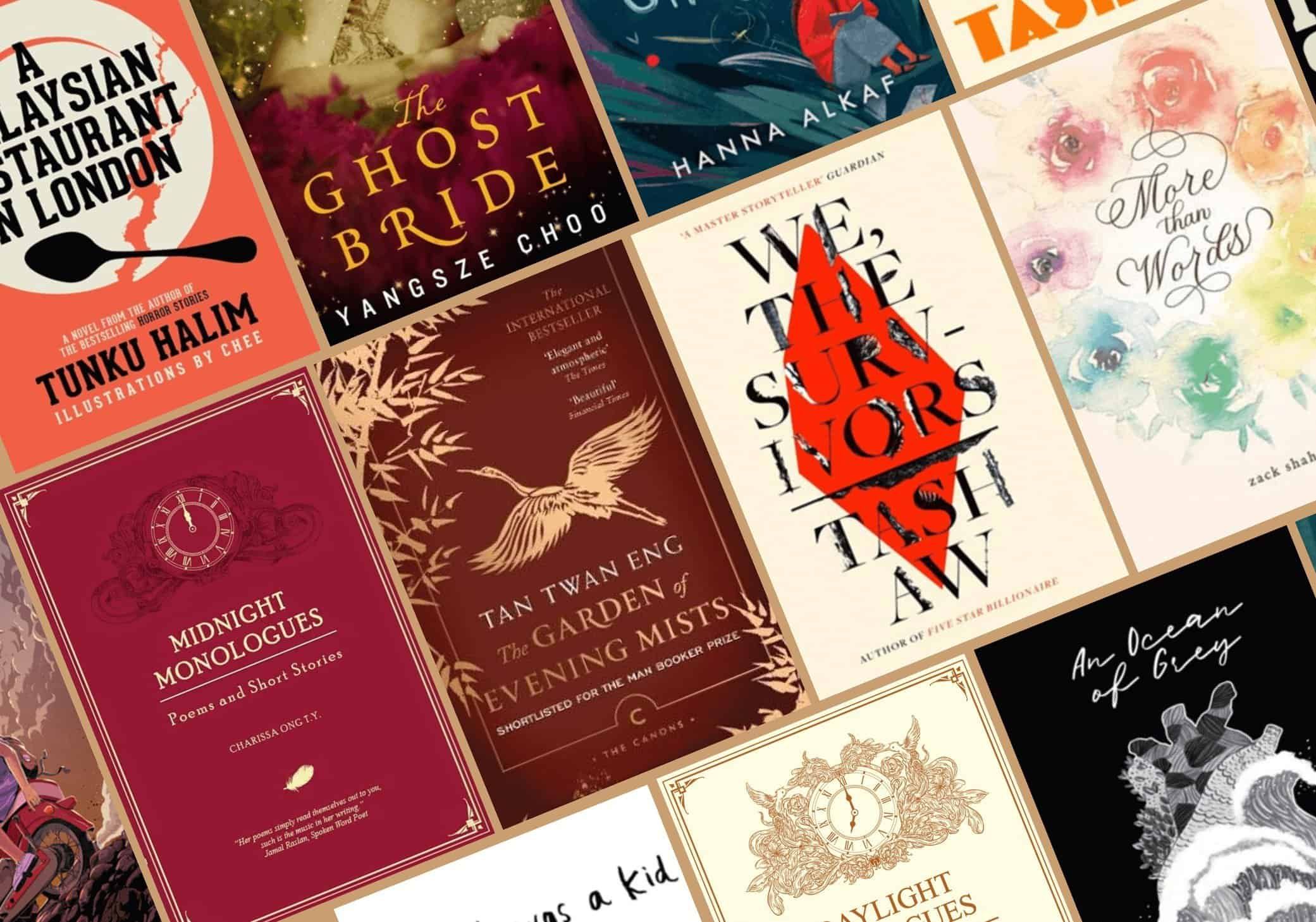
1. The Literary Landscape of Malaysia
To fully appreciate Malaysian literature, it’s important to grasp the country’s cultural and historical context. Malaysia’s literary tradition is a vibrant mosaic, enriched by Malay, Chinese, Indian, and Western influences. This blend has produced a rich tapestry of narratives exploring themes such as identity, migration, and social justice. Traditional forms like the Malay pantun and modern genres coalesce to offer readers a comprehensive view of Malaysian life. Themes of post-colonialism, multiculturalism, and the impact of globalization are prevalent, reflecting the country’s dynamic and evolving identity.
2. Tan Twan Eng: A Modern Literary Maestro
“The Garden of Evening Mists”
Tan Twan Eng’s “The Garden of Evening Mists” is a masterful novel that intertwines historical drama with poetic beauty. Set in the aftermath of World War II in Malaya, the story revolves around Yun Ling, a young woman who, scarred by the war, finds solace in creating a Japanese garden. The novel delves deeply into themes of memory and trauma, presenting a narrative that is both evocative and moving. The lush descriptions of the garden mirror Yun Ling’s emotional journey, and Tan’s exquisite prose brings the setting to life. The book’s exploration of reconciliation and healing amidst historical scars has earned it widespread acclaim, including the prestigious Man Asian Literary Prize.
“The Gift of Rain”
Tan’s debut novel, “The Gift of Rain,” is a powerful exploration of friendship, loyalty, and the complexities of war. Set during the Japanese occupation of Malaya, it follows Philip Hutton, a boy of mixed heritage who befriends a Japanese man, leading to a complex web of allegiances and betrayals. Tan’s narrative skillfully blends historical detail with intimate character studies, offering a poignant look at the personal impacts of global conflict. The novel’s exploration of identity and cultural intersection provides a rich, immersive experience into Malaysia’s wartime history.
3. Michelle Tea: Bridging Cultures Through Storytelling
“The Other Side of the Moon”
Although not Malaysian by birth, Michelle Tea has made significant contributions to literature through her cross-cultural narratives. Her book, “The Other Side of the Moon,” is a compelling exploration of cultural displacement and the search for identity. The story follows a young woman caught between her heritage and the modern world, navigating the complexities of cultural assimilation and personal identity. Tea’s writing is known for its emotional depth and cultural insight, making her work relevant to readers grappling with similar issues in multicultural contexts.
4. Tash Aw: A Voice of the Malaysian Diaspora
“The Harmony Silk Factory”
Tash Aw’s “The Harmony Silk Factory” is a richly layered narrative that captures the essence of Malaysia’s historical and cultural landscape. Set in the 1940s, the novel tells the story of Johnny Lim, a Chinese immigrant whose rise and fall reflect the tumultuous changes of the era. Aw’s intricate storytelling weaves together themes of ambition, love, and betrayal, offering a vivid portrayal of life in Malaya during a period of significant upheaval. The novel’s exploration of personal and political conflict highlights Aw’s skill in blending historical context with deeply personal narratives.
“Five Star Billionaire”
In “Five Star Billionaire,” Tash Aw shifts to contemporary Malaysia, exploring the lives of five characters striving for success in a globalized world. The novel offers a multifaceted view of modern Malaysian society, addressing themes of ambition, materialism, and the quest for self-fulfillment. Aw’s narrative provides insight into the lives of individuals navigating the challenges of modernity while reflecting the broader socio-economic changes occurring in Malaysia.
5. Adibah Amin: Champion of Malaysian Literature
“Pesta Pantun”
Adibah Amin is celebrated for her contributions to Malaysian literature, particularly in the realm of poetry. Her collection, “Pesta Pantun,” showcases her mastery of the traditional Malay pantun, a poetic form characterized by its rhythmic and thematic structure. Amin’s poems capture the essence of Malaysian life, blending traditional forms with contemporary themes. Her work reflects a deep appreciation for cultural heritage while also engaging with modern issues, making her a pivotal figure in Malaysian literature.
“Nona, Noni”
In “Nona, Noni,” Adibah Amin offers a blend of humor and social commentary. The novel explores the lives of its characters with wit and insight, providing a window into Malaysian society. Through her storytelling, Amin addresses social norms, gender roles, and cultural expectations, presenting a narrative that is both entertaining and thought-provoking. Her ability to capture the nuances of Malaysian life makes “Nona, Noni” a significant contribution to the country’s literary landscape.
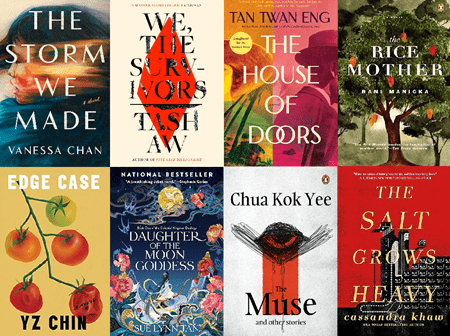
6. K.S. Maniam: The Voice of the Indian-Malay Community
“The Return”
K.S. Maniam’s “The Return” is a poignant exploration of displacement and identity. The novel follows the story of a man who returns to Malaysia after years abroad, only to find that his homeland has changed significantly in his absence. Maniam’s narrative delves into themes of nostalgia, cultural dislocation, and the search for belonging, offering a reflective look at the experiences of Malaysian Indians. His storytelling captures the complexities of identity and the impact of cultural shifts on individuals and communities.
“Between Lives”
In “Between Lives,” K.S. Maniam continues to explore themes of identity and cultural conflict. The novel addresses the experiences of Malaysian Indians navigating their cultural heritage in a rapidly changing world. Maniam’s work reflects the struggles and resilience of a community caught between tradition and modernity, providing a nuanced perspective on the challenges faced by individuals in a multicultural society.
7. Rani Manicka: A Storyteller of Epic Proportions
“The Rice Mother”
Rani Manicka’s “The Rice Mother” is an epic tale that spans several generations, offering a sweeping portrayal of Malaysian history and culture. The novel follows the life of a woman whose family endures the trials and tribulations of historical events, including colonialism and war. Manicka’s rich storytelling and detailed descriptions bring the characters and their experiences to life, creating a narrative that is both engaging and historically informative. “The Rice Mother” is celebrated for its depth and breadth, providing a comprehensive look at the impact of historical events on individual lives and families.
“Touching the Sky”
In “Touching the Sky,” Rani Manicka presents another compelling narrative that examines personal and cultural aspirations. The novel delves into the lives of individuals striving for success and fulfillment in a changing world. Manicka’s ability to weave intricate stories that resonate with readers across different backgrounds highlights her skill as a storyteller. “Touching the Sky” reflects the universal quest for identity and achievement, making it a significant contribution to contemporary Malaysian literature.
8. Osman Ali: Bridging Traditional and Modern Narratives
“The Unseen”
Osman Ali’s “The Unseen” offers a unique blend of traditional Malaysian storytelling and contemporary themes. The novel explores supernatural elements within a modern context, reflecting Malaysia’s rich folklore and cultural beliefs. Ali’s ability to incorporate mystical elements into a contemporary narrative provides a fresh perspective on traditional themes, making “The Unseen” a distinctive addition to Malaysian literature.
“The Shadow of the Mosque”
In “The Shadow of the Mosque,” Osman Ali delves into the complexities of faith and identity in Malaysia. The novel addresses religious and cultural issues, offering a nuanced exploration of the experiences of Malaysian Muslims. Ali’s narrative captures the diversity of religious practices and beliefs, reflecting the broader socio-cultural landscape of Malaysia. The novel’s thoughtful engagement with issues of faith and identity makes it a significant contribution to the country’s literary discourse.
9. The Emerging Voices: New Authors to Watch
“The Fortunes of War” by Syed Hussein Alatas
Syed Hussein Alatas, a promising new voice in Malaysian literature, offers a fresh perspective with his novel “The Fortunes of War.” The book explores the impact of conflict on individuals and communities, delving into themes of resilience and survival. Alatas’s storytelling provides a contemporary view of the challenges faced by individuals in times of upheaval, making his work relevant and engaging for today’s readers.
“Chasing the Moon” by Amanda Lee
Amanda Lee’s “Chasing the Moon” is garnering attention for its exploration of personal and cultural identity. The novel follows a young woman’s journey of self-discovery against the backdrop of Malaysia’s vibrant cultural landscape. Lee’s writing captures the nuances of navigating cultural expectations and personal aspirations, offering a relatable and insightful narrative. Her work reflects the diverse experiences of individuals in a multicultural society, making her an author to watch in the future.
Conclusion: Celebrating Malaysia’s Literary Richness
Malaysia’s literary heritage is a rich and diverse reflection of its cultural and historical landscape. The works of Tan Twan Eng, Michelle Tea, Tash Aw, Adibah Amin, K.S. Maniam, Rani Manicka, Osman Ali, and emerging voices provide a deep and varied exploration of Malaysian life. Through their narratives, readers gain insight into the complexities, challenges, and beauty of Malaysia’s cultural tapestry. As you delve into these literary treasures, you not only explore the world of Malaysian literature but also gain a greater appreciation for the country’s rich and evolving cultural identity.
