
In 2025, the demand for home organization and decluttering services is growing rapidly. As people continue to juggle busy schedules and deal with the challenges of modern life, more individuals are seeking expert help to organize and declutter their living spaces. With the rise of minimalism, wellness trends, and an increased focus on mental clarity, the home organization industry has become more than just a trend—it’s a necessity.
Starting your own home organization and decluttering service can not only be a rewarding business venture but also a way to help people create functional, serene environments in their homes.

Why Home Organization and Decluttering Services Are in Demand in 2025
The home organization and decluttering industry is booming for several reasons:
- Minimalism Trend: The minimalism movement, focusing on living with less, has gained traction in recent years. Many individuals are embracing the concept of simplifying their lives, and professional organizers are in high demand to help them achieve their goals.
- Busy Lifestyles: As people work longer hours and manage more responsibilities, they often lack the time to organize their homes effectively. Professional organizers are sought to assist with decluttering and creating systems that fit their client’s lifestyles.
- Mental Health and Wellness Focus: Studies have shown that clutter can negatively impact mental well-being. With people focusing on mental health and creating spaces that promote calm and relaxation, the need for home organization services has grown.
- Increased Interest in Home Renovations: With more people spending time at home due to flexible work arrangements, the interest in home renovations has surged. Many homeowners seek organization solutions to optimize their space after remodeling projects.
- Technology and Online Presence: The increasing use of social media platforms like Instagram and YouTube to share organizing tips and before-and-after transformations has driven greater awareness and demand for professional home organizers.
These factors combined make 2025 an ideal time to start a home organization and decluttering service.
The Benefits of Offering Home Organization and Decluttering Services
Starting a home organization and decluttering service offers several benefits, including:
- Profitable Business Opportunity: Home organization services are in high demand, making it a profitable industry. People are willing to pay for expertise that saves them time and reduces stress.
- Flexible Work Hours: As an organizer, you can set your own hours, offering flexibility to work around your lifestyle and clients’ needs.
- Creative Freedom: Each project offers the chance to get creative by developing unique organizing solutions tailored to each home, which makes the work dynamic and rewarding.
- Low Startup Costs: Compared to many other businesses, starting a home organization service doesn’t require expensive equipment or inventory. You can begin with just basic supplies and tools.
- Helping Others Achieve Peace of Mind: Organizing a home not only boosts functionality but also reduces stress for your clients. Being part of this transformation is incredibly fulfilling.
- Growing Industry: As mentioned earlier, the industry is growing. With trends in minimalism, decluttering, and mental well-being, this is a business venture that will likely continue to see demand in the years to come.
Key Trends in Home Organization and Decluttering in 2025
Several trends are shaping the future of the home organization and decluttering industry in 2025:
- Sustainability: Consumers are increasingly focused on sustainability, and this trend is making its way into the organization space. People are looking for eco-friendly products and ways to reduce waste during the organizing process. Offering sustainable solutions will resonate with environmentally conscious clients.
- Tech-Driven Organization: With the advancement of smart home technologies, many clients are looking to integrate tech into their organizational systems. This can include smart storage solutions, inventory management apps, and even home automation to streamline daily tasks.
- Virtual and Remote Organization Services: Due to the rise in remote work and virtual consultations, virtual organizing is becoming a new norm. This allows organizers to offer advice, video consultations, and even digital solutions to clients around the globe.
- Personalized Organizational Plans: Clients now expect tailored, customized solutions that fit their individual needs and lifestyles. Personalized approaches will be a key differentiator for successful businesses in this field.
- Room-by-Room Organizing: Homeowners are increasingly opting for room-specific organizational services—whether it’s a kitchen makeover, garage reorganization, or closet redesign. Focusing on niche areas can help you specialize in certain types of organizing services.
Planning Your Home Organization and Decluttering Business
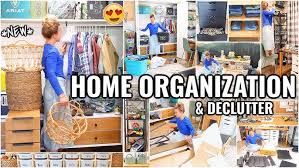
Planning is crucial to starting and growing a successful home organization service. Whether you’re offering full-home decluttering or specialized services, a clear plan will set you up for long-term success.
Identifying Your Niche and Target Market
Before you dive into the business, it’s essential to identify your niche and target market. There are numerous types of clients seeking organization services, such as:
- Busy Professionals: People with hectic schedules often require help in managing their homes and decluttering efficiently.
- Families: Families with children or multi-generational households often require organization solutions for high-traffic areas and shared spaces.
- Seniors: Older individuals may need help downsizing, decluttering, and organizing their living spaces for ease and safety.
- Eco-Conscious Clients: Focusing on sustainable and eco-friendly organization solutions can appeal to those who prioritize environmental responsibility.
- Real Estate Staging: Many real estate agents and homeowners require professional organizers to prepare homes for sale by decluttering and optimizing spaces for showings.
By understanding your market and narrowing your focus, you’ll be able to cater to specific customer needs more effectively.
Researching the Market and Your Competitors
Understanding the competitive landscape will help you find your place in the market. Look into what other home organizers are offering in your area and identify gaps that you can fill. Some key factors to research include:
- Pricing Models: Analyze what competitors charge for similar services, and decide if you will be competitive with your pricing or position yourself as a premium service.
- Service Offerings: Study the range of services offered by competitors, and identify opportunities for differentiation. You could focus on a unique aspect, such as eco-friendly products, virtual consultations, or specific niches like garage or closet organizing.
- Marketing Strategies: Observe how your competitors market themselves. Are they leveraging social media effectively? Do they have an established presence on Google My Business? Learning from others’ successes and mistakes can help refine your own marketing approach.
Developing a Business Plan for Your Home Organization Service
A business plan will serve as a blueprint for your home organization service. It should outline:
- Mission and Vision: Clearly define the purpose and goals of your business. What sets you apart, and how do you want to impact your clients?
- Services and Pricing: List all the services you offer, including any specialized services like digital decluttering, garage organization, etc. Determine the pricing structure—hourly rates or package deals.
- Marketing Plan: Detail your marketing strategies and tactics for building awareness and attracting customers. Consider SEO, social media marketing, partnerships with local businesses, and word-of-mouth referrals.
- Financial Projections: Estimate your startup costs, expected income, and other financial factors such as taxes and ongoing expenses. This will help guide your decision-making and secure financing if needed.
- Long-Term Goals: Outline your business goals, such as expanding to new locations, hiring employees, or offering new services. Setting clear milestones will help you track your growth.
Setting Realistic Business Goals and Milestones
Once you have your business plan in place, it’s time to set clear, measurable goals and milestones for your home organization service. Start with short-term goals such as launching your website, acquiring your first five clients, or building a strong social media presence. Long-term goals could include expanding your services or hiring a team. Tracking your progress ensures that you’re moving toward your goals and can adjust your strategies when necessary.
Legal and Financial Considerations for Your Home Organization Service
When starting a home organization and decluttering service, it’s crucial to address the legal and financial aspects of the business. These considerations will help ensure that your service is compliant with regulations, protected from potential liabilities, and set up for long-term financial success.
Registering Your Business and Legal Structure
Before you start providing services, you need to legally establish your business. The process includes:
- Choosing a Business Structure: The first step in registering your business is to decide on the legal structure. Common structures for small businesses include:
- Sole Proprietorship: Ideal for individuals working alone, but you are personally responsible for any business debts.
- Limited Liability Company (LLC): Provides liability protection for personal assets and is a popular choice for small businesses.
- Corporation: More complex and suitable if you plan to scale significantly, offering the highest level of liability protection.
- Registering Your Business Name: Your business name needs to be unique and registered with the relevant state or local authorities. You may also need to check trademarks to ensure your name is not already in use.
- Obtaining Necessary Licenses and Permits: Depending on your location, you may need local permits to operate legally. Check with your local government to determine what is required.
- EIN (Employer Identification Number): If you’re forming an LLC or corporation, you will likely need an EIN for tax purposes. It’s essential even if you’re not hiring employees but want to separate personal and business taxes.
By addressing these legal steps upfront, you can avoid future legal issues and ensure your business is compliant.
Insurance and Liability Considerations for Home Organization Services
Insurance is a vital aspect of running any service-based business. For a home organization and decluttering service, the following types of insurance are particularly important:
- General Liability Insurance: This covers damages to clients’ property or injuries that occur during the course of your work. For example, if something gets damaged while you’re organizing a client’s space, this insurance protects you from claims.
- Professional Liability Insurance: Also known as errors and omissions insurance, this protects against claims that your services caused financial harm or did not meet expectations.
- Workers’ Compensation: If you hire employees, workers’ compensation insurance is necessary to cover medical costs or lost wages for employees injured on the job.
- Property Insurance: If you store client belongings or tools/equipment in a physical location, property insurance can cover loss or damage to those assets.
Investing in the right insurance coverage protects your business from unexpected financial setbacks and adds professionalism to your service.
Setting Up Your Pricing Structure and Payment Systems
Having a clear and transparent pricing structure is crucial to ensuring that your business is profitable and that clients understand what they’re paying for. Here’s how to set it up:
- Decide on Pricing Models: There are a few common pricing models in the home organization industry:
- Hourly Rate: This is common for personalized services and smaller projects.
- Flat Rate/Package Pricing: You can offer packages for specific services like whole-home decluttering or room-specific organization. Flat-rate pricing is easier for clients to understand and allows them to budget better.
- Retainer or Subscription Model: This model is for ongoing services where clients pay a set fee for monthly or quarterly check-ins to maintain organization.
- Payment Methods: Make it easy for your clients to pay. Common methods include credit cards, bank transfers, and digital payment systems (PayPal, Venmo, or Square). Offering multiple payment options increases client satisfaction.
- Consider Deposits: For larger projects, you may want to require a deposit upfront to secure the booking. This also helps with cash flow.
- Incorporate Taxes into Pricing: Be mindful of the taxes in your area. Depending on your state or country, you may need to charge sales tax on services. Make sure your pricing structure reflects these taxes to avoid any surprises later.
Having a clear pricing structure and flexible payment options will ensure that your business runs smoothly and that your clients are satisfied with the ease of working with you.
Managing Business Finances and Taxes for Decluttering Services
Managing finances properly is essential for keeping your home organization business profitable and compliant with tax laws. Here are the basics to manage:
- Separate Business and Personal Finances: Open a separate business bank account to avoid mixing personal and business finances. This will make bookkeeping easier and help with tax deductions.
- Keep Track of Expenses and Income: Use accounting software like QuickBooks or FreshBooks to track all your business income and expenses. Keeping detailed records will make tax season much easier.
- Deductible Expenses: As a service-based business, many of your expenses may be tax-deductible, such as:
- Office supplies
- Travel expenses for client visits
- Marketing costs
- Business insurance
- Paying Taxes: Set aside a portion of your income for taxes. Work with an accountant or tax professional to understand your tax obligations, including self-employment taxes, income taxes, and sales tax if applicable. Make sure to pay quarterly estimated taxes if required.
- Retirement Savings: Consider setting up a retirement plan for yourself. As a business owner, you’re responsible for your retirement savings, so investing in an IRA or other retirement plans can provide long-term financial security.
By setting up a solid financial and tax management system, you ensure that your home organization service is sustainable and compliant.
Creating a Brand Identity for Your Home Organization Business
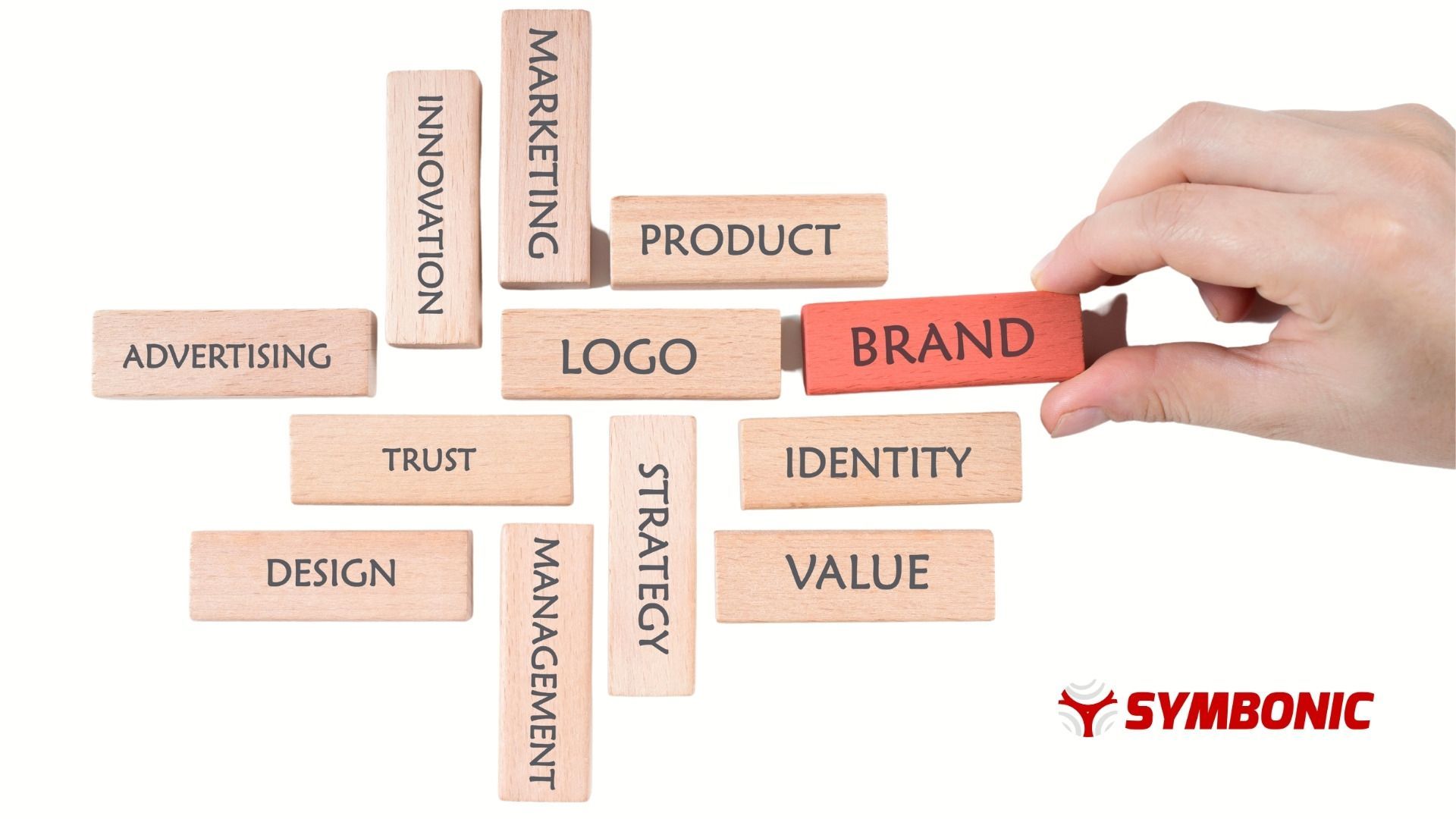
A strong brand identity helps your business stand out and attract your ideal clients. Here’s how to build a memorable and effective brand for your home organization service.
Designing a Memorable Brand Name and Logo
Your brand name and logo are often the first impression a potential client will have of your business, so make sure they’re impactful:
- Brand Name: Choose a name that reflects your services and resonates with your target market. Ensure it’s easy to spell, pronounce, and memorable. Think about including keywords like “Organized,” “Clutter-Free,” or “Serenity,” or use a creative approach that highlights your unique selling proposition (USP).
- Logo Design: Your logo should be simple, professional, and reflective of your brand’s identity. You might want a clean, modern logo that conveys clarity and order. Consider using colors like blue (calm, trust), green (growth, balance), or neutral tones (simplicity, professionalism).
- Brand Consistency: Ensure that your name, logo, and other design elements are consistent across all your marketing materials, from business cards to your website. Consistency builds recognition and trust.
Crafting Your Brand Message and Value Proposition
Your brand message should communicate the value you bring to your clients. It’s important to clearly define what makes your service unique and why clients should choose you:
- Value Proposition: Your value proposition is a concise statement that explains what you do, how you do it, and the benefits clients can expect. Focus on the problems you solve for clients, such as reducing stress, maximizing space, or creating functional living environments.
- Brand Message: Craft messaging that speaks to your target audience’s needs. If you’re targeting busy professionals, your message might focus on time-saving, efficiency, and stress reduction. For families, it could be about creating organized spaces for family life to run smoothly.
- Tagline: Develop a catchy tagline that summarizes your brand’s promise in a few words. This should be memorable and reflect the essence of your service.
By clearly communicating your brand message and unique value proposition, you can differentiate your business from competitors and attract loyal clients.
Building a Professional Online Presence (Website, Social Media, etc.)
A strong online presence is essential for attracting clients and establishing credibility:
- Website: Your website should be visually appealing, easy to navigate, and informative. Include key pages like:
- Home: A welcoming introduction to your service.
- About: A section to introduce yourself and your expertise.
- Services: Detailed information about the services you offer and pricing.
- Testimonials: Social proof from happy clients.
- Contact: Easy ways for clients to get in touch or book your services.
- Social Media: Platforms like Instagram, Pinterest, and Facebook are excellent for sharing organizing tips, before-and-after photos, and client success stories. Use hashtags and engage with followers to build your online community.
- Blog: Consider adding a blog to your website where you can share organizing tips, DIY guides, and industry insights. Blogging helps with SEO and positions you as an expert in your field.
- Email Newsletter: Build an email list to send updates, tips, and promotions to potential and existing clients. This helps you maintain contact with your audience and build relationships.
By establishing a professional online presence, you’ll not only showcase your skills but also attract a steady stream of clients.
Setting Up Your Service Offerings
To successfully launch your home organization and decluttering business, it’s essential to define and structure your service offerings clearly. This will help you cater to a variety of client needs while maximizing your market appeal and profitability.
Defining the Scope of Your Services (Closet Organizing, Whole-Home Decluttering, etc.)
The first step in setting up your services is defining exactly what you will offer. Think about the different types of home organization and decluttering services that clients might need. Some common services include:
- Closet Organizing: This involves arranging clothing, shoes, accessories, and other items in a way that maximizes space and accessibility. Closet organization can be a specialized service that offers everything from folding clothes efficiently to installing organizational systems.
- Whole-Home Decluttering: A more comprehensive service that involves decluttering entire homes or specific rooms like kitchens, living rooms, or offices. It focuses on reducing unnecessary items, creating more open space, and establishing systems for maintaining order.
- Kitchen and Pantry Organization: Organizing kitchens and pantries by decluttering countertops, arranging food storage, and setting up systems for easy access to everyday items.
- Home Office Organization: With more people working from home, organizing home offices has become increasingly important. Services could involve filing systems, desk organization, and managing digital or paper clutter.
- Organizing Storage Areas (Attics, Basements, Garages): Many clients seek assistance in organizing storage spaces like basements and garages that tend to collect unused or seasonal items.
By offering a range of services that appeal to different client needs, you increase your chances of attracting a diverse clientele.
Offering Specialized Services (Digital Decluttering, Garage Organization, etc.)
In addition to the basic home organization services, you can offer specialized services to cater to specific client needs. These could include:
- Digital Decluttering: With increasing reliance on digital devices, many people need help organizing their digital files, emails, and online documents. You could offer services that help clients organize their digital spaces by creating systems for email management, file organization, and cloud storage.
- Garage Organization: Garages are often used for storage and can become cluttered with tools, seasonal items, and old furniture. Organizing a garage involves sorting through items, disposing of unwanted items, and creating efficient storage systems using shelves, bins, or hooks.
- Moving and Unpacking Assistance: For clients moving into new homes, offering services that include packing, unpacking, and organizing can be very valuable. It can reduce the stress associated with moving and ensure that everything is organized right from the start.
- Specialized Room Organization: Some clients may need help with organizing specific rooms in their homes, such as nurseries, playrooms, or bathrooms. Offering room-specific services adds an extra level of customization.
These specialized services allow you to differentiate your business from competitors and appeal to clients who require tailored solutions.
Pricing Your Services for Maximum Profit and Market Appeal
Pricing your services effectively is crucial to attracting clients while ensuring profitability. Here’s how to price your offerings strategically:
- Hourly Rates vs. Flat Rates:
- Hourly Rates: Good for small projects or when you’re unsure of how long a job will take. Ensure your hourly rate covers your costs, including overhead, and reflects your expertise.
- Flat Rates: More predictable for both you and your clients, particularly for defined services like closet organizing or full-home decluttering. Make sure to factor in time, materials, and any additional costs when setting flat rates.
- Package Pricing: Offering packages for specific services (e.g., “3-hour closet organizing” or “Whole-home decluttering package”) can encourage clients to book larger services while giving them a clear understanding of what they’re paying for.
- Pricing Based on Service Complexity: More complex services (e.g., full home organization, digital decluttering, or garage organizing) can be priced higher due to the level of expertise and time required. Basic tasks like closet organizing may have a lower rate.
- Discounts and Promotional Pricing: To attract new clients, you can offer discounts for first-time customers or bundled services at a lower price.
- Competitive Research: Check what competitors in your area are charging to ensure your pricing aligns with the market while still reflecting the value of your services.
Setting the right prices that balance client appeal and profitability is key to ensuring long-term business success.
Marketing Your Home Organization and Decluttering Service

Effective marketing strategies are essential for driving awareness and attracting clients to your home organization and decluttering service. The key is to leverage various marketing channels and tools to reach your target audience and grow your business.
Utilizing SEO and Local Listings to Gain Visibility
Search engine optimization (SEO) is vital for online visibility, especially for local services. To optimize your website and service listings:
- Optimize Your Website for Local SEO: Include keywords like “home organization service,” “decluttering services in [your city],” or “professional organizer [location]” throughout your site. Also, ensure your business is listed with your location, contact details, and services clearly outlined.
- Claim and Optimize Your Google My Business Profile: Google My Business is essential for local services. Ensure your profile is complete with up-to-date information, photos, client reviews, and a link to your website.
- Local Directories: Register your business on local online directories like Yelp, Thumbtack, or Angie’s List. These sites are popular places for people searching for home service providers and can help increase local visibility.
- SEO for Blog Content: If you have a blog, create content around relevant keywords that your potential clients are searching for, such as “how to declutter your home” or “best tips for organizing small spaces.”
By using SEO and optimizing local listings, you can increase visibility and attract more clients to your home organization business.
Social Media Marketing Strategies for Home Organization Services
Social media platforms like Instagram, Pinterest, and Facebook are excellent tools for marketing your home organization services. Here’s how you can make the most of them:
- Instagram: Share visually appealing before-and-after photos of your organizational projects. Use relevant hashtags like #HomeOrganization, #DeclutterYourHome, or #OrganizationInspiration. Instagram Stories and Reels can also be used to show quick tips or behind-the-scenes footage.
- Pinterest: This platform is great for sharing organizing tips, DIY projects, and inspirational ideas. Pinning organizational hacks and linking back to your blog or website will drive traffic to your business.
- Facebook: Create a professional business page on Facebook where you can share customer testimonials, tips, and offers. You can also join local community groups and offer free advice to build your reputation.
- TikTok: Create short, engaging videos showing organizational transformations, quick tips, or showcasing your personality to build a following. Use popular hashtags to gain more exposure.
Using social media marketing can boost your brand’s visibility and help you engage with your audience on a more personal level.
Content Marketing and Blogging for Your Home Organization Business
Blogging and content marketing can help you establish your authority as a professional home organizer. By sharing valuable content, you can attract potential clients and improve SEO.
- Blog Topics: Write posts on topics that address common problems people face when organizing their homes. For example, “10 Tips for Organizing Your Kitchen” or “How to Tackle a Full Home Declutter in One Weekend.”
- Optimize Content for SEO: Research keywords and phrases related to home organization that your potential clients are likely to search for. Include these keywords in your blog titles, meta descriptions, and throughout the content.
- Lead Magnets: Offer free downloadable guides, checklists, or organizational templates in exchange for visitors’ contact information. This can help you build an email list of potential clients.
- Guest Blogging: Write guest posts on home improvement or lifestyle blogs. It helps increase your credibility, and backlinks from other websites can improve your SEO ranking.
By consistently providing valuable content, you can build trust with your audience, drive traffic to your website, and ultimately convert visitors into clients.
Collaborating with Influencers and Local Businesses
Collaborating with influencers and local businesses can help promote your home organization services to a larger audience:
- Influencer Partnerships: Find local influencers in the home improvement or lifestyle niches who align with your brand. Offer to collaborate by providing them with free services in exchange for an Instagram post, YouTube video, or blog feature.
- Collaborating with Local Businesses: Partner with local home improvement stores, furniture shops, or cleaning services. Cross-promote each other’s services in social media posts, newsletters, or even joint events.
- Host Workshops or Events: Work with local community centers or real estate agents to host workshops on home organization. This can be an effective way to showcase your expertise and attract new clients.
By building relationships with influencers and local businesses, you can expand your reach and gain referrals from trusted sources.
Equipment and Tools for Home Organization Professionals
To run a successful home organization and decluttering business, having the right tools and equipment is crucial. These tools help ensure that you can deliver high-quality service, streamline your workflow, and create effective organization systems for your clients.
Essential Tools and Supplies for Decluttering and Organizing
As a professional organizer, you’ll need a variety of tools and supplies to help with both the physical and organizational aspects of the job. Here’s a list of essential items:
- Labeling Tools: Labels are an essential part of organizing any space. Invest in a label maker or use a high-quality printer to create clear, readable labels. Labeling containers, shelves, and drawers helps clients easily find and store their belongings.
- Storage Bins and Baskets: These are versatile tools for organizing spaces. Clear plastic bins, stackable baskets, and woven baskets allow you to group similar items together while keeping them easily accessible.
- Drawer Dividers: Drawer dividers can be used in kitchens, bathrooms, or offices to create distinct sections in drawers. These help clients maintain an organized space, even in smaller areas.
- Hooks and Hangers: Hooks for keys, bags, and hats, and hangers for clothing can be essential when organizing closets and entryways. These items help make use of vertical space and maintain order.
- Cleaning Supplies: Often, decluttering will involve deep cleaning. Have a basic set of cleaning supplies on hand, such as all-purpose cleaner, microfiber cloths, and disinfectant wipes.
- Measuring Tools: A tape measure, level, and possibly even a laser measure can be necessary to plan out organization systems and ensure that items fit properly in designated spaces.
- Trash Bags and Donation Boxes: You’ll need trash bags for unwanted items and boxes for donations. Ensuring that items are sorted properly is part of the decluttering process.
These tools and supplies are foundational for providing clients with efficient, long-lasting home organization solutions.
Organization Systems and Products to Offer Clients
As a home organization professional, you’ll be tasked with creating systems that are not only functional but also visually appealing. Here are some key organization systems and products that you can offer to your clients:
- Shelving Units and Racks: Installing shelves or racks in closets, kitchens, or garages allows clients to store and access their items easily. Adjustable shelving systems are particularly useful as they can adapt to changing needs.
- Closet Organizers: Offer a range of closet organization systems, including adjustable rods, shoe racks, hanging organizers, and drawer inserts. These products help maximize closet space and keep clothes, accessories, and shoes neatly stored.
- Pull-out Drawers and Bins: For kitchen pantries, bathrooms, and office spaces, pull-out drawers and bins can make access to items easier and more efficient. These systems help reduce clutter and maintain organization in cabinets and storage areas.
- Over-the-Door Organizers: These versatile organizers can be used for shoes, cleaning supplies, accessories, or even office supplies. They provide a convenient way to use underutilized door space.
- Modular Storage Systems: Modular systems can be customized to fit different spaces, from small apartments to larger homes. Offering modular options allows clients to adapt their storage solutions over time as their needs change.
By offering these organization systems, you can create more tailored, effective solutions that meet your client’s specific needs and space constraints.
Storage Solutions for Effective Home Organization Projects
For effective home organization, storage solutions are paramount. These solutions not only help organize the space but also ensure that everything has a designated place. Here are some top storage solutions to consider:
- Under-Bed Storage: Utilize the space under the bed with storage containers, bins, or drawers. This area is often underused and can provide ample space for items like seasonal clothing, shoes, or bedding.
- Vertical Storage: Maximizing vertical space in closets, kitchens, and bathrooms is key to efficient home organization. Tall shelving units, over-the-door racks, and wall-mounted hooks can help reduce clutter by keeping items off the floor.
- Built-In Storage: In some cases, you might recommend custom built-ins for clients. These could include floor-to-ceiling bookshelves, cabinetry in closets, or under-stair storage. Built-in solutions maximize space and add a personalized touch.
- Storage Ottomans and Furniture: Storage furniture, like ottomans with hidden compartments or coffee tables with built-in drawers, can help maintain a clean look while providing additional storage for everyday items.
- Clear Storage Solutions: Clear bins or baskets are ideal for storing items in closets or under the kitchen sink. Being able to see what’s inside without opening containers helps maintain order and accessibility.
By offering these effective storage solutions, you’ll ensure that your clients’ spaces are well-organized and functional.
Delivering Exceptional Client Service in Home Organization
Providing excellent client service is crucial for building a successful home organization business. Happy clients are more likely to refer you to others, give you positive reviews, and return for future projects. Here’s how to deliver exceptional service:
Building Trust and Rapport with Clients
Building a strong relationship with your clients helps create a positive experience and long-lasting connections. Here’s how to build trust:
- Active Listening: Listen carefully to your client’s needs, concerns, and goals for their space. Understanding their vision will help you create a more personalized and effective organizing plan.
- Clear Communication: Communicate openly and transparently about the process, timeline, and cost of services. Keeping clients informed at every step will build trust and ensure satisfaction.
- Consistency and Reliability: Be on time, follow through on promises, and meet deadlines. Consistency builds confidence and makes clients feel comfortable working with you.
- Respect for Privacy: Organization often requires working in clients’ personal spaces. Always respect their privacy, be discreet, and maintain professionalism at all times.
By establishing trust and rapport, you’ll create a loyal client base that feels comfortable inviting you into their homes and recommending your services to others.
Providing Personalized Organization Plans
Every home and client is different, so it’s important to offer personalized organizing solutions. Here’s how to craft customized plans:
- Assess the Space: Start by evaluating the client’s space, understanding the challenges they face, and asking what they want to achieve. This will guide you in creating a tailored plan.
- Create a Strategic Plan: Based on the assessment, create a step-by-step plan that addresses your client’s specific needs. Whether it’s organizing a closet or designing a whole-home solution, ensure the plan is realistic and achievable.
- Offer Solutions for Maintenance: Include tips or tools for clients to maintain the organization after the project is completed. Providing maintenance tips ensures that the organization lasts long-term.
- Incorporate Client Preferences: Take the client’s personal style and preferences into account. Whether they prefer minimalism, color-coding, or aesthetically pleasing storage solutions, making it personal will increase their satisfaction.
By offering personalized plans, you demonstrate that you care about your client’s specific needs and are committed to delivering results.
Handling Challenging Clients and Difficult Spaces
Not every project will be smooth sailing, and you may encounter challenging clients or difficult spaces. Here’s how to handle those situations:
- Stay Calm and Professional: If a client is unhappy or a space presents unexpected challenges, stay calm and professional. Find solutions without getting defensive or frustrated.
- Set Clear Expectations: Be upfront with clients about the challenges they might face, especially in difficult spaces. Let them know what is realistic and achievable within the scope of the project.
- Offer Multiple Solutions: For difficult spaces, offer a variety of options. Sometimes clients just need to see alternatives before making a decision.
- Communicate Regularly: Keep the lines of communication open. Provide regular updates and ask for feedback throughout the process to ensure the client is satisfied.
Handling difficult situations with patience and professionalism will not only resolve the issue but also showcase your expertise in navigating tough challenges.
Managing Client Expectations and Communication
Managing client expectations is key to ensuring both parties are satisfied with the results. Here’s how to do it:
- Clear Project Scope: Define the project scope, timeline, and costs upfront. Be clear about what is included and what isn’t, to avoid misunderstandings later.
- Be Honest About Potential Obstacles: If there are challenges in organizing a particular area, communicate them in advance. Clients will appreciate your transparency and it will help set realistic expectations.
- Check-in During the Process: Regularly check in with your client to ensure they’re happy with the progress. This prevents miscommunication and allows for any necessary adjustments.
- Post-Service Follow-Up: After the service is complete, follow up with your clients to ensure they’re satisfied with the final results. Offer to make adjustments if needed and request feedback.
Managing expectations and keeping clients informed every step of the way will result in a positive working relationship and successful project outcomes.
Expanding Your Home Organization Service Business
Once your home organization business is established and running successfully, it’s time to consider expansion. Growing your business can increase revenue and brand recognition, opening new opportunities and markets. Below are various strategies to help expand your home organization service business.
Scaling Your Home Organization Service by Hiring Staff
As your client base grows, hiring additional staff can help you scale your home organization service. By delegating tasks and expanding your workforce, you can take on more clients and manage larger projects.
- Hiring Qualified Organizers: Look for individuals who have experience or training in organization, interior design, or professional organizing. Your team should align with your business values and provide the same high-quality service that your brand is known for.
- Training Your Staff: Offer training programs that align with your business standards. Your team should know how to assess spaces, recommend solutions, and work efficiently. Training will also help maintain consistency across your services.
- Delegating Tasks Effectively: As your business grows, it becomes harder to manage everything yourself. Delegate administrative tasks, marketing efforts, and customer service duties to your staff. This allows you to focus on larger strategic initiatives and client relations.
- Expanding the Service Area: Hiring staff enables you to serve a wider geographic area. With more team members, you can handle multiple jobs in different locations, which increases your capacity to take on more clients.
By scaling your service with a trained and efficient team, you can improve your business’s reach and grow your brand presence.
Offering Online Consultations and Virtual Services
In today’s digital age, offering virtual services is a cost-effective and scalable way to expand your home organization service. Virtual consultations can attract clients who may not be able to meet in person due to geographical constraints or scheduling issues.
- Conducting Virtual Organizing Consultations: You can offer online consultations via Zoom or other video platforms. During these sessions, you can assess your client’s space remotely, give advice, and create organizing plans. Virtual consultations are especially useful for clients who only need advice, rather than hands-on organizing.
- Virtual Organizing Packages: Offer pre-recorded video tutorials or webinars for clients who want to learn how to organize their space themselves. These can be packaged into a course format that clients can access anytime.
- Use Digital Tools for Planning: Leverage apps and digital tools such as Trello, Pinterest, or Google Sheets to help clients plan and organize their spaces digitally. You can guide them through these tools to create a personalized organizing strategy.
- Market Virtual Services: To attract clients for virtual services, highlight the convenience and flexibility of remote consultations. Use social media, your website, and email marketing to promote these services.
Virtual services can be a profitable expansion strategy, especially in today’s increasingly remote world.
Franchising and Licensing Your Home Organization Service
Franchising or licensing your home organization service can be a lucrative way to expand your business into new locations while maintaining brand consistency. Here’s how you can explore this option:
- Franchising: If you have a proven business model, consider franchising your home organization service. This allows others to buy into your brand and business system, while you earn revenue from franchise fees and ongoing royalties. To franchise successfully, you’ll need to create an operations manual and provide training to new franchisees.
- Licensing: Licensing involves allowing others to use your brand and business model in exchange for a licensing fee. This is a more flexible option than franchising, as you retain more control over your business operations. Licensing can be ideal if you want to expand rapidly without taking on the full responsibility of managing new locations.
- Creating a Scalable Business Model: Ensure that your service offerings and operational processes are easily replicable before franchising or licensing. Standardize your service delivery, branding, and training materials to ensure that the new locations maintain the same level of quality.
Franchising and licensing are powerful ways to scale your home organization business quickly while expanding your market reach.
Financial Growth and Monetization Strategies for Home Organization Services
Achieving financial growth involves not only increasing your client base but also exploring new revenue streams. Below are strategies to maximize your income potential and increase your business’s profitability.
Expanding Service Offerings to Increase Revenue
Diversifying your service offerings can help you attract new clients and generate additional revenue. You can cater to different needs and budgets, thereby increasing your market reach.
- Offer Premium Packages: Upsell premium packages that offer more comprehensive services, such as full-home organizing, ongoing maintenance, or seasonal organizing. These packages provide added value and generate higher revenue per client.
- Add Specialized Services: Consider offering niche services like digital decluttering, garage organizing, or post-move-in services. By diversifying your offerings, you can cater to more specific needs and attract clients looking for specialized solutions.
- Offer Ongoing Maintenance Contracts: Some clients may need regular maintenance to keep their spaces organized. Offer maintenance services on a subscription basis to create recurring revenue. This can be a convenient option for clients who need periodic touch-ups.
- Home Organization Workshops: Host in-person or virtual workshops where you teach clients how to organize their homes. These workshops can be ticketed events or part of a premium service offering, allowing you to earn revenue while educating your audience.
Expanding service offerings allows you to cater to a broader audience, making your business more versatile and profitable.
Passive Income Opportunities (E-books, Online Courses, etc.)
In addition to offering your standard services, creating passive income streams can help diversify your revenue and reduce reliance on client-based income.
- E-books and Guides: Write and sell e-books that offer organizational tips, guides, or step-by-step instructions on how to declutter and organize specific areas of the home. You can sell these on your website or platforms like Amazon.
- Online Courses: Develop online courses where clients can learn how to organize their homes at their own pace. Platforms like Teachable, Skillshare, or Udemy make it easy to create and sell courses, allowing you to earn money passively as people enroll.
- Affiliate Marketing: If you recommend organizational tools, products, or services to your clients, you can earn affiliate commissions by partnering with retailers or manufacturers. For example, if you recommend storage products on your blog or social media, you can include affiliate links to earn a commission on each sale.
- Subscription-Based Services: Offer subscription models for organizational resources like printables, checklists, or monthly tips. Clients can subscribe for a monthly fee to receive new tools, tips, and resources to keep their homes organized.
These passive income opportunities allow you to continue generating revenue without relying solely on one-on-one client work.
Partnering with Retailers and Home Decor Brands for Affiliate Revenue
Partnering with home decor brands and retailers can be a great way to earn additional income while adding value to your clients’ home organization experience.
- Affiliate Programs: Many retailers and online stores offer affiliate programs that pay a commission for sales generated through your referral links. As an expert in home organization, you can promote products such as storage bins, shelving units, and furniture that align with your services.
- Collaborations for Co-Branded Services: Partner with home decor or furniture brands to create co-branded packages. For example, you could collaborate with a furniture company to offer clients an exclusive organizing and furniture purchase package.
- Exclusive Discounts for Clients: Negotiate special discounts for your clients when they purchase products through your partner brands. This value-added service not only benefits your clients but also generates affiliate revenue for you.
- Sponsored Content and Social Media Partnerships: If you have a strong social media presence, consider partnering with home decor brands for sponsored content. You can showcase their products as part of your organizational projects and earn sponsorship fees.
These partnerships can increase your income while providing clients with high-quality products that complement your services.
Legal and Safety Considerations for Home Organization Services
As with any business, operating a home organization service requires careful attention to legal and safety issues. Understanding these elements is essential to protecting both your clients and your business.
Understanding Liability and Client Protection Laws
When running a home organization business, you must understand your legal responsibilities toward clients. Liability concerns can arise, especially when working inside clients’ homes and handling their personal belongings.
- Liability Insurance: Protect yourself and your business with liability insurance. This coverage will protect you if a client accuses you of property damage, personal injury, or any other incident that may occur during the course of your service.
- Written Contracts: Always use contracts that outline the terms of your services. A contract should include your scope of work, payment terms, liability clauses, cancellation policies, and confidentiality agreements. This provides legal protection for both you and the client.
- Worker’s Compensation: If you have employees, it is important to provide workers’ compensation insurance. This covers the cost of medical treatment and lost wages if an employee is injured while working for your company.
- Client Protection Laws: Ensure you are familiar with client protection laws in your jurisdiction. These laws cover issues such as data privacy, service agreements, and refund policies.
By understanding liability and following proper legal procedures, you minimize risk and protect both your business and clients.
Maintaining Safety and Confidentiality in Client Homes
Home organization services often involve working within a client’s private space. It’s essential to maintain high standards of safety and confidentiality to foster trust and avoid legal problems.
- Client Confidentiality: Respect your client’s privacy. Handle their personal items with care, and ensure that no confidential information or personal data is shared without consent. Consider using non-disclosure agreements (NDAs) when necessary.
- Safety Protocols: Follow safety guidelines while in clients’ homes. This includes using safe lifting techniques, ensuring that no tools or products pose a safety hazard, and being mindful of any pets or children in the home.
- Clear Communication: Communicate clearly with your clients about what will be handled and how their belongings will be treated. Explain any safety measures you will take, and ensure they understand the scope of work and the expected outcome.
- Client Trust: Building a relationship based on trust and respect is key. Clients should feel confident that their homes are safe in your hands and that their personal information is secure.
Maintaining safety and confidentiality is crucial to your reputation and business longevity.
Worker’s Compensation and Employee Safety for Your Team
If you hire staff to help with organizing projects, you must ensure they are safe while on the job.
- Worker’s Compensation Insurance: In many regions, worker’s compensation insurance is required for businesses with employees. This covers medical bills and lost wages if an employee is injured on the job.
- Safety Training for Employees: Train your staff on proper safety techniques, such as lifting heavy objects, handling potentially hazardous materials, and maintaining a clean, organized workspace to prevent accidents.
- Health and Safety Regulations: Familiarize yourself with local regulations regarding employee health and safety. Ensure your workplace and client environments comply with these regulations to avoid penalties and ensure your team’s well-being.
By focusing on worker’s compensation and safety, you protect both your team and the business from potential risks and legal liabilities.
Measuring Success and Tracking Progress in Your Home Organization Business
Tracking progress and measuring success is essential for growth and improvement. To ensure your business is moving in the right direction, use key metrics to evaluate your performance and adjust strategies as necessary.
Using Client Feedback and Testimonials to Improve Service
Client feedback is invaluable in helping you improve the quality of your service and build a strong reputation.
- Requesting Reviews: After completing a project, ask clients for reviews. Positive testimonials can be used on your website and marketing materials to build trust with potential customers.
- Surveys and Feedback Forms: Send follow-up surveys or feedback forms to gather insights about the client’s experience. This can highlight areas where you can improve and areas where you’re excelling.
- Handling Negative Feedback: Respond professionally to any negative feedback. Use it as an opportunity to show how you handle criticism and are committed to improving.
Client feedback is essential for making adjustments and creating a better customer experience, ultimately leading to greater success.
Tracking Key Performance Indicators (KPIs) for Business Growth
Key performance indicators (KPIs) help you monitor business health and determine if you are meeting your goals.
- Revenue Growth: Track your monthly or quarterly revenue to assess business growth. Look for patterns in seasonal fluctuations and determine if there is an upward trend.
- Client Retention Rates: Measuring client retention is essential for understanding the effectiveness of your services. Repeat business and referrals indicate customer satisfaction and loyalty.
- Customer Acquisition Costs (CAC): Determine how much it costs to acquire a new client. This includes marketing expenses and sales efforts. A lower CAC is a good sign of business efficiency.
- Project Completion Time: Monitor how long it takes to complete each organizing project. This can help improve operational efficiency and streamline processes to maximize profits.
Tracking KPIs will allow you to adjust your strategies, improve profitability, and ensure sustained growth.
Setting Goals and Milestones for Long-Term Success
Setting clear, measurable goals is critical for business success.
- Short-Term Goals: Establish short-term goals, such as reaching a specific revenue target or acquiring a set number of clients each month. These goals help you stay focused and organized.
- Long-Term Vision: Set long-term goals for where you want your business to be in the next 3 to 5 years. This could include expanding to multiple locations, hiring a full-time team, or offering a wider range of services.
- Milestone Tracking: Break down each goal into smaller milestones. For example, if your goal is to expand your service area, your milestones might include researching new regions, marketing in those areas, and securing your first clients there.
- Continuous Reassessment: Regularly review and adjust your goals as your business evolves. Flexibility is essential to ensure that your business continues to thrive in an ever-changing market.
By setting and tracking both short-term and long-term goals, you can steer your business toward sustained success.
Challenges and Solutions in the Home Organization Industry
Like any business, home organization services face challenges. Identifying these hurdles early and implementing effective solutions is key to overcoming them and achieving success.
Dealing with Emotional Clutter and Client Resistance
Emotional clutter can be a difficult challenge for clients who have sentimental attachments to their possessions.
- Empathy and Patience: Understand that it can be difficult for clients to part with personal items. Approach the process with sensitivity, patience, and empathy.
- Setting Boundaries: Help clients understand the value of letting go of unnecessary items. Offer encouragement, but don’t pressure them.
- Breaking the Process Into Small Steps: For clients who are particularly resistant, consider breaking the decluttering process into smaller, more manageable tasks. This makes the process less overwhelming.
Helping clients address emotional clutter is a key part of the organizing process and an important aspect of your service.
Handling Market Competition and Differentiating Your Services
The home organization industry is growing, and with growth comes increased competition. Standing out from the competition is crucial.
- Niche Specialization: Consider specializing in a niche service, such as organizing for seniors, offering eco-friendly solutions, or focusing on small spaces. This will make you more attractive to a specific client group.
- Superior Customer Service: Provide an exceptional client experience by going above and beyond. Follow up with clients, offer personalized solutions, and be responsive to their needs.
- Effective Branding and Marketing: Ensure that your branding is unique and appealing. Utilize effective marketing strategies to reach your target audience and highlight the benefits of your services.
Differentiating your services and offering a unique value proposition will help you stand out in a competitive market.
Managing Seasonal Fluctuations in Demand
The demand for home organization services can fluctuate based on seasonality.
- Planning for Busy Seasons: Prepare for peak seasons by increasing your marketing efforts or offering special promotions. For instance, the new year and spring are popular times for decluttering.
- Managing Downtime: During slower months, consider offering discounted services or focusing on business development, such as improving your website or building partnerships.
- Offering Flexible Pricing: Consider implementing tiered pricing or creating bundled packages that can be appealing throughout the year.
By anticipating seasonal fluctuations and adjusting your strategies accordingly, you can maintain a steady stream of business year-round.
Future Trends in Home Organization and Decluttering Services
To stay competitive and relevant in the home organization industry, it’s important to keep an eye on future trends. Understanding these trends will help you stay ahead of the curve and adapt your business accordingly.
Sustainable and Eco-Friendly Decluttering Solutions
Consumers are increasingly concerned about sustainability, and offering eco-friendly organizing solutions can set your business apart.
- Sustainable Products: Use and recommend eco-friendly organizing products such as biodegradable storage bins, upcycled furniture, or recyclable materials.
- Donation Services: Partner with local charities and promote a donation-first approach. Encourage clients to donate items rather than discarding them.
- Eco-Friendly Practices: Educate your clients on the importance of sustainability in organizing. Promote zero-waste strategies and responsible consumption.
Eco-friendly solutions are not only appealing to eco-conscious consumers but can also contribute to a positive brand image.
The Role of Technology in Home Organization (Apps, Smart Storage Solutions)
Technology is revolutionizing the home organization industry.
- Home Organization Apps: Use or recommend apps that help clients stay organized, such as task managers, inventory systems, and digital decluttering tools.
- Smart Storage Solutions: Stay informed about the latest smart storage innovations, such as automated shelving, smart closets, or inventory management systems that sync with your client’s digital devices.
- Virtual Organization Services: Consider offering virtual consultations or services where clients can get organizing advice and strategies from the comfort of their homes.
Incorporating technology will make your services more efficient and appealing to tech-savvy clients.
The Growth of Virtual and Remote Organization Services
Virtual services are becoming a popular trend in the home organization industry.
- Remote Consultations: Offer virtual consultations where you can guide clients through the decluttering process via video calls. This can be a more affordable option for clients who prefer DIY organization.
- Online Courses or Workshops: Consider creating online content, such as workshops, webinars, or guides that teach clients how to organize their homes effectively.
- Digital Organization Tools: Use tools that help clients organize their homes digitally, such as apps, PDFs, and cloud-based solutions.
Virtual and remote services allow you to expand your client base and offer more flexibility.
Preparing for the Future of the Home Organization Industry in 2025 and Beyond
As the home organization industry grows, staying ahead of emerging trends is vital to success.
- Market Research: Stay informed about upcoming trends in home design, consumer behavior, and technology to adjust your offerings accordingly.
- Training and Innovation: Invest in training and certifications to remain an expert in the field. Always be looking for ways to innovate and improve your services.
- Expanding Services: Consider expanding your services to include long-term maintenance or post-organizing support to add more value to your clients.
By preparing for the future and adapting to new trends, you can ensure your business thrives in the years to come.
Conclusion
As you embark on starting your home organization business, it’s important to consider key factors such as legal considerations, measuring success, handling challenges, and staying ahead of future trends.
Key Takeaways for Starting a Successful Home Organization and Decluttering Business
- Understand the legal and safety considerations in the industry.
- Measure success through KPIs and client feedback.
- Prepare for challenges and use effective solutions.
- Stay informed about future trends, including eco-friendly practices and technological advancements.
With the right strategies and a commitment to excellence, you can build a successful home organization business that provides value to your clients and grows over time.
Final Tips for Launching and Growing Your Home Organization Service in 2025
- Focus on building a strong brand and reputation.
- Use technology to enhance your services.
- Continuously learn and adapt to industry changes.
- Build a loyal client base with outstanding service and empathy.
By following these tips, you will be well-equipped to launch and grow your business successfully in 2025 and beyond.
