
What are Google’s AI SEO Ranking Factors?
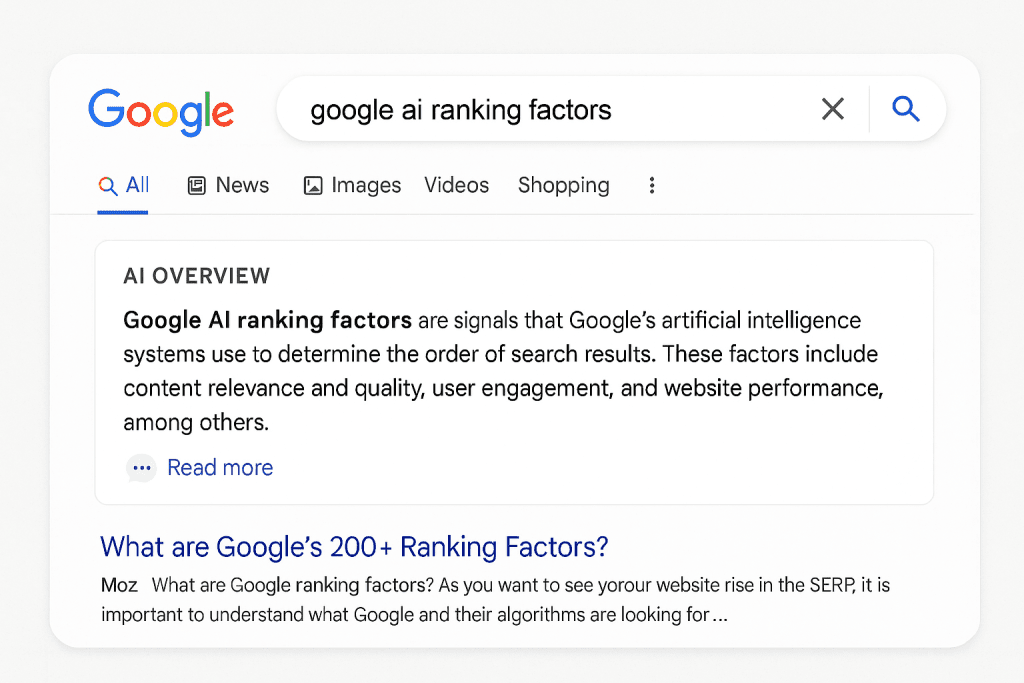
In today’s digital landscape, ranking on Google isn’t about keyword stuffing or backlinks alone. It’s about behavior. Google’s AI systems — like RankBrain, BERT, and now Gemini — have evolved to measure how humans feel, react, interact, and decide on the web.
So, what determines which website deserves to be at the top?
Not just what’s on the page, but how your page behaves in response to the user’s psychology.
Google’s AI now mimics a digital psychologist:
- It tracks where users click, how they scroll, how long they pause, where they exit, and whether they ever come back.
- It predicts intent before a user finishes typing.
- It scores pages based on how well the page satisfies that predicted behavioral flow.
This is the core of Google AI SEO Ranking — and in this deep-dive, we’ll explore the 500 behavioral ranking signals that now influence your Google position.
The Rise of Google AI — From Keywords to Behavior
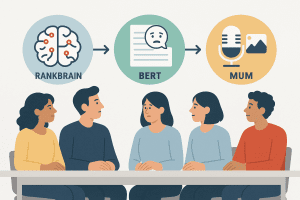
RankBrain: The First Leap
Google’s RankBrain was the first major AI leap — using machine learning to understand:
- Unfamiliar queries
- Synonyms and context
- User satisfaction (based on bounce, CTR, time-on-site)
BERT: Understanding Meaning
BERT introduced deep NLP — allowing Google to grasp:
- Sentence structure
- Emotional tone
- Searcher’s phrasing intent
MUM & Gemini: The Multimodal Era
Now, with MUM and Gemini, Google doesn’t just look at text — it reads:
- Voice tone (in voice search)
- Image engagement (on visual SERPs)
- Context over sessions (what users searched before and after)
These AI tools don’t rank based on formulas alone, but learn patterns from how millions of users behave.
Now let’s start unveiling the first set of behavioral signals…
Click Urge Signals
(What makes users click on your result over others?)
These 25 ranking factors are tied to how enticing your result looks to the user before they even land on your site.
The “Instant Magnet” Effect
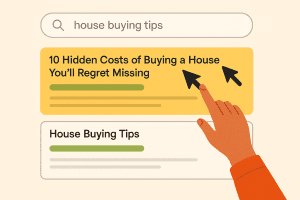
Psych Trigger: Curiosity + Visual Contrast
Google Tracks: Above-average CTR in top 10 results
Example: A meta title like “10 Hidden Costs of Buying a House You’ll Regret Missing” outperforms “House Buying Tips”
The “Familiar Phrase Hook”
Psych Trigger: Recognition Bias
Google Tracks: Titles/Descriptions that match trending search patterns
Example: “Malaysia Car Prices 2025” — matches user search history and gets more clicks
The “Power Word Pull”

Psych Trigger: Excitement/Intrigue
Google Tracks: Words like “Proven”, “Secrets”, “Ultimate”, “New” increase CTR
Example: “The Ultimate Solar Panel Buying Guide for KL Homes” vs “Solar Panel Info Malaysia”
The “Emoji Curiosity Marker”
Psych Trigger: Visual Break in Text
Google Tracks: Listings with 📌🔥✅ symbols sometimes outperform plain text
Example: “📌 5 Marketing Trends for 2025 You Shouldn’t Ignore”
The “Year Anchor Effect”
Psych Trigger: Relevance Recency
Google Tracks: Updated titles with “2025” have higher click-through rate
Example: “Top Branding Agencies in Malaysia (2025 Update)”
The “Bracket Boost Trick”
Psych Trigger: Skimming Pattern
Google Tracks: CTR uplift when brackets used in title
Example: “Logo Design Cost Malaysia [2025 Breakdown]”
The “Reverse Psychology Tease”

Psych Trigger: Fear of Incomplete Info
Google Tracks: Higher engagement with ‘What NOT to do’ or ‘Biggest Mistakes’ content
Example: “10 SEO Tactics That Will Hurt You in 2025”
The “Specific Number Advantage”
Psych Trigger: Cognitive Anchoring
Google Tracks: Odd numbers > even; higher specificity = more clicks
Example: “7 Psychological Triggers Google AI Loves” > “10 Tips Google Likes”
The “Question First Formula”
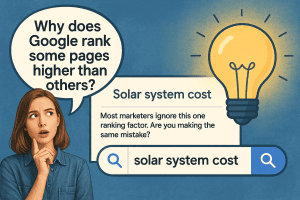
PsychTrigger: Answer-seeking Brain Loop
Google Tracks: Questions in titles that match search queries boost CTR
Example: “Why Does Google Rank Some Pages Higher Than Others?”
The “Keyword Bold Magnet”
Psych Trigger: Skim Searchers
Google Tracks: Clicks on bolded matching keywords in SERP snippets
Example: If user searches “solar system cost”, your snippet bolds that = higher click chance
The “Curiosity Gap Description”
Psych Trigger: Open-ended Story Hooks
Google Tracks: Meta descriptions that build suspense get more clicks
Example: “Most marketers ignore this one ranking factor. Are you making the same mistake?”
The “Multi-Query Relevance Boost”
Psych Trigger: Efficiency
Google Tracks: Titles that answer 2–3 variations of a search intent
Example: “SEO for Small Businesses: Local, Technical & Content Tips in Malaysia”
The “Brand Familiarity Click”
Psych Trigger: Trust Recall
Google Tracks: Higher CTR for branded domains (even if lower ranked)
Example: rozzario.com gets clicked more than a random blogspot even in position #3
The “SERP Thumbnail Trigger”

Psych Trigger: Image Impact
Google Tracks: Video/image snippets get higher engagement = CTR boost
Example: Pages with video thumbnail appear more attractive visually
The “Preposition Pull”
Psych Trigger: Skim Visual Linguistics
Google Tracks: Titles with words like “for”, “with”, “without”, “versus” rank better on how-to queries
Example: “Logo Design for Malaysian Restaurants” vs “Malaysian Restaurant Logos”
The “Local Anchor Click”
Psych Trigger: Geographical Familiarity
Google Tracks: Queries with location-based keywords get higher CTR for local match
Example: “Web Design Agency in Bangsar” vs “Top Web Designers”
The “Urgency SERP Signal”

Psych Trigger: FOMO + Speed
Google Tracks: Listings with urgency-based language get more clicks
Example: “Best SEO Audit Tools You Can Try Today (No Sign Up)”
The “Comparison Craving”

Psych Trigger: Decision-Making Need
Google Tracks: Keywords like “vs”, “compare”, “which is better” drive more curiosity clicks
Example: “WordPress vs Shopify for Malaysian Startups”
The “SERP Meta Alignment”
Psych Trigger: Expectation Match
Google Tracks: When title, URL, and meta all align semantically
Example: Title: “Best Digital Marketing Packages”
URL: /digital-marketing-packages
Meta: “Explore pricing, strategies, and packages for small businesses”
The “All-Caps Boost”
Psych Trigger: Visual Pause
Google Tests: Whether 1–2 uppercase phrases improve skim-readers’ attention
Example: “Free SEO Checklist for 2025 – DON’T MISS THIS”
Scroll Confidence Triggers
How far and how confidently a user scrolls determines whether your content feels trustworthy, engaging, or overwhelming.
These behavioral factors are AI signals for whether your page encourages progressive exploration.
The Comfort Scroll Zone

Psych Trigger: Visual safety + content pacing
Google Tracks: Average scroll depth across device types
Example: Blog posts that space text with headings and white space tend to be scrolled further. Google sees more “deep scroll” sessions on those.
The Fold-Avoidance Factor
Psych Trigger: Curiosity response after initial exposure
Google Tracks: Whether users go past the first screen (above the fold) within 3 seconds
Example: A strong hook or promise in the H1 can push readers to explore more — AI logs that as trust gain.
The Subheading Scanner Flow
Psych Trigger: Information foraging behavior
Google Tracks: Users that scroll, pause, scroll again — especially around heading tags
Example: A post with H2s like “Step-by-Step”, “Mistakes to Avoid” sees more re-engagement than long uninterrupted paragraphs.
Visual Relief Scroll

Psych Trigger: Avoidance of cognitive overload
Google Tracks: Bounce vs scroll rate tied to design balance
Example: A cluttered ecommerce homepage often causes fast exits. Clean, image-led layouts have longer scroll paths.
Pattern Predictability Pause
Psych Trigger: Rhythm recognition
Google Tracks: Scroll-pauses that happen at consistent content intervals
Example: When every 300px contains a visual or callout block, people scroll in expected beats — a signal AI reads as “engaged pattern recognition.”
Sticky Trust Element
Psych Trigger: Anchored safety signal
Google Tracks: Pages that retain navbars, CTAs or chat buttons during scroll sessions
Example: Having a floating “Get a Quote” button leads to longer site visits; users don’t feel “lost” on the page.
The Flow Reward Loop
Psych Trigger: Anticipation + dopamine cycle
Google Tracks: Repeat scroll-back behavior within same session
Example: Guides with “Coming up next” teasers keep users bouncing between sections = strong signal of content engagement.
Micro-Reassurance Landmarks
Psych Trigger: Checkpoint validation
Google Tracks: Dwell points at FAQs, icons, testimonials
Example: A scroll pause at a section titled “Trusted by 300+ SMEs” acts like a subconscious assurance — Google notices the pause.
Breadcrumb Recognition Anchor
Psych Trigger: Spatial memory + progress indicator
Google Tracks: Pages with visual breadcrumb structure (or visible reading progress bars) often retain more scroll flow
Example: Long-form blogs with a sticky outline guide (like “jump to section”) show better scroll confidence.
Content Signature Detection
Psych Trigger: Format expectation match
Google Tracks: High scroll rates when users recognize a familiar format (listicles, step-by-step, case study layout)
Example: SEO checklists with steps get higher scroll completion than vague essays.
Semantic Trail Matching
Psych Trigger: Content completion need
Google Tracks: Scroll until keyword variants or semantically related phrases are found
Example: If a user searches “freelance logo pricing,” they’ll scroll until they find something like “typical range” — if found, the scroll ends with CTA clicks.
Curiosity Cliff
Psych Trigger: Loss aversion + incomplete context
Google Tracks: Drop-offs when key details are delayed too long
Example: When a headline promises “7 Mistakes” but doesn’t start revealing them until halfway down — users may bail.
Depth Predictability Cue
Psych Trigger: Navigation control
Google Tracks: Scroll abandonment if page appears “endless” with no scannable structure
Example: Articles with internal TOC (table of contents) improve psychological ease of scrolling — and Google tracks higher section jump-ins.
Visual Path Flow
Psych Trigger: Eye-leading content framing
Google Tracks: Image-to-paragraph-to-subheading cadence
Example: Users who scroll consistently between blocks of image > caption > paragraph send signals of immersive design flow.
False Bottom Frustration
Psych Trigger: Perceived end of content before actual end
Google Tracks: Scroll pause where users think content ended due to visual design
Example: Ads that break up content without continuity cause drop-offs — logged by AI as failed scroll satisfaction.
Mobile Thumb Friction
Psych Trigger: Physical ease
Google Tracks: Scroll sessions with momentum vs friction on mobile
Example: Pages that trigger unintentional sticky ads or jumpy layouts cause mobile abandonment — negative behavioral score.
Content Density Tolerance
Psych Trigger: Mental energy conservation
Google Tracks: Scroll behavior based on text-to-whitespace ratio
Example: Technical B2B pages with tight paragraphs lose general audiences but may scroll better among professional readers — Google AI tailors interpretation by segment.
Curated Exit Sections
Psych Trigger: Information closure + clean exit
Google Tracks: Scrolls that end at a “What to do next” block are treated as satisfactory sessions
Example: Ending pages with CTA + summary keeps scrolls from ending mid-section — higher user task completion.
Trust Layer Reveal
Psych Trigger: Delayed reward unlocking
Google Tracks: Scrolls that unlock testimonials, awards, client logos mid-content
Example: Pages that don’t frontload credentials but reveal them naturally in scroll retain more attention and trust.
Ad Disruption Bounce
Psych Trigger: Interruption fatigue
Google Tracks: Scrolls interrupted by popups, sticky banners or autoplay videos often lead to exits
Example: Session ends triggered mid-scroll from sudden interstitials are behavioral red flags.
Language Clarity Lane
Psych Trigger: Reading ease vs friction
Google Tracks: Scrolls on pages with conversational sentence structure last longer
Example: Pages using short, punchy lines like this… instead of dense academic paragraphs… result in higher scroll rate across demographics.
Search-Scroll Alignment
Psych Trigger: Real-time reassurance
Google Tracks: Early scroll shows if users feel they landed on a page that matches query
Example: If you searched “website pricing Malaysia” and the first H2 says “Website Packages 2025” — you’ll keep scrolling.
Smart Scroll Nudges
Psych Trigger: Controlled momentum
Google Tracks: When layout elements like “scroll down” arrows, animations, or sticky guides influence user flow
Example: A scroll icon right after the hero section gently pushes users down — Google reads it as intentional scroll encouragement.
Preview Scroll Bounce
Psych Trigger: Scan-then-quit
Google Tracks: Users that scroll 2–3 screens, don’t click anything, and leave within seconds
Example: These behaviors indicate content was skimmed but deemed unsatisfactory — a negative ranking signal.
Multi-Device Scroll Habit Matching
Psych Trigger: Platform familiarity
Google Tracks: Scroll behavior differently on mobile, desktop, tablet
Example: If your content scrolls well on mobile but breaks on tablet, AI may penalize it on tablet SERPs due to behavior mismatch.
Dwell Delight Signals
Dwell Time is one of Google AI’s most valuable indicators of satisfaction. It reflects how long a user stays on a page before returning to search — and it speaks volumes.
A longer dwell time often signals:
- Content that met expectations
- A layout that encourages reading
- A flow that kept the user engaged
- A strong match between search intent and content delivery
These signals below represent how AI interprets micro-behaviors to evaluate dwell delight.
The 8-Second Stick Test
Psych Trigger: Initial content resonance
Google Tracks: Whether users stay at least 8–10 seconds before bouncing
Example: If users immediately click back to search after opening your page, it signals dissatisfaction. Dwell time under 5 seconds = low relevance.
The Anchor Hook Hold
Psych Trigger: Narrative engagement
Google Tracks: Users who stop scrolling and start reading by the second paragraph
Example: Starting with a relatable pain point or real-world scenario increases “settle-in” behavior, flagged by AI as relevance confirmation.
The Reward Delay Acceptance
Psych Trigger: Anticipation & patience payoff
Google Tracks: Whether users pause longer when key answers are positioned further down
Example: A blog that first sets the stage and then introduces solutions — if dwell time remains high, Google knows users trust the journey.
The One-Tab Stay Factor
Psych Trigger: Attention anchoring
Google Tracks: Whether the user stays on your page without jumping between tabs
Example: Product guides that open in the same tab vs PDFs or external links — the longer they stay on your tab, the better the satisfaction score.
The Scroll + Pause Combo
Psych Trigger: Active consumption pattern
Google Tracks: Scroll activity followed by multiple read pauses
Example: A user who scrolls slowly, then pauses at subheadings, paragraphs, or image captions — AI reads this as genuine interest.
The Internal Loop Duration
Psych Trigger: Curiosity path
Google Tracks: Dwell time extended by clicking internal links or exploring multiple sections
Example: If your article leads to another blog post or services page and they stay longer — total dwell time increases session value.
The Bounce Delay Metric
Psych Trigger: Frictionless consumption
Google Tracks: Users who stay longer before exiting via bounce (even if they don’t convert)
Example: A user reading your full blog post, then leaving — Google still values it more than a user who bounces after 10 seconds.
The Cognitive Rest Zone
Psych Trigger: Fatigue recovery
Google Tracks: Sessions that pause mid-content for 10–20 seconds, then continue
Example: Users stopping at a quote box or a visual element before resuming the scroll — AI sees this as emotional pacing.
The Signature Section Dwell
Psych Trigger: Validation through scanning
Google Tracks: Users who pause at logos, trust badges, client names
Example: A “Trusted by 500+ brands” block or media mentions section increases dwell by signaling credibility — Google tracks these hotspot dwell areas.
The First Interaction Hold
Psych Trigger: Decision-making reflection
Google Tracks: Pages where the first CTA (button, form, link) isn’t clicked right away, but after 30–60 seconds
Example: Users who take their time before engaging are showing intent-match comfort, not hesitation — AI scores this positively.
The Completion Dwell
Psych Trigger: Task closure loop
Google Tracks: If a user reaches the end of the content and stays for 5–10 seconds
Example: They reach the footer or summary, pause — Google logs that as “task completed” behavior.
The Text Selection Indicator
Psych Trigger: Focused thought
Google Tracks: When users highlight or copy sections of text
Example: If a user copies “Top 10 branding agencies in Malaysia” — it implies value or note-taking behavior, which increases dwell trust.
The Hover Hover Effect
Psych Trigger: Decision curiosity
Google Tracks: Mouse hovering over links, buttons, or tooltips
Example: A user hovering 2–3 seconds over a “Contact Us” button without clicking still signals strong engagement and intent.
The No-Rage Smoothness Signal
Psych Trigger: Frustration absence
Google Tracks: Absence of rapid clicks, back-forth movement, or scroll spasms
Example: If no abnormal mouse movement or erratic scroll behavior is detected, Google assumes the UX is smooth — better dwell impact.
The Content Re-Engagement Delay
Psych Trigger: Passive-to-active shift
Google Tracks: When users pause, then re-scroll or click a dropdown
Example: A user takes a break, then returns to expand a pricing plan — behavior flagged as deep engagement, not passive browsing.
The Sticky Section Engagement
Psych Trigger: Cognitive control
Google Tracks: Time spent with floating elements like navbars or sticky “learn more” side widgets
Example: Users hovering or interacting with sticky help icons prolongs dwell session positively.
The Time-Weighted CTA Conversion
Psych Trigger: Rational decision time
Google Tracks: CTAs clicked after 40–90 seconds vs instantly
Example: Users who convert after consuming the content are more trusted by AI than those who instantly click “Book Now” (which could be spam or bot traffic).
The Read Rate Estimation
Psych Trigger: Comprehension intent
Google Tracks: Whether scroll pace + dwell matches the average time to read the content
Example: If you have a 7-minute blog post and the average dwell is 6+ minutes — that’s an excellent behavioral signal.
The In-Content Replay
Psych Trigger: Need for understanding
Google Tracks: Returning to the top or scrolling backward
Example: A user reading a comparison table, then going back to re-read a product feature section — signals intent depth.
The Hover-Pause-Click Combo
Psych Trigger: Considered interaction
Google Tracks: A behavioral chain — hover > pause > click
Example: A person hovering over “View Packages,” pausing, then clicking — stronger signal than impulsive click.
The Reading Curve Consistency
Psych Trigger: Emotional rhythm
Google Tracks: Even scroll time between sections
Example: If each section of your blog holds attention for ~20–30 seconds, AI sees the content as well-paced and consistently engaging.
The Session Extension Jump
Psych Trigger: Underrated interest spark
Google Tracks: When dwell time exceeds 2.5x the average time of similar-ranking pages
Example: If most users spend 60s on similar pages but yours keeps them for 3 mins — AI gives you a relative advantage boost.
The Memory Lock Indicator
Psych Trigger: Impression depth
Google Tracks: If user later returns to your site via brand name or link
Example: Someone Googles “Rozzario SEO Malaysia” days later — it began with strong dwell impression earlier. AI credits you for that memory lock.
The Soft Dwell Bounce
Psych Trigger: Content overview-only behavior
Google Tracks: Pages where users don’t convert but stay for over 1 minute
Example: Educational guides or resource pages where bounce is inevitable, but time spent is high — Google still values the dwell quality.
The Passive Scroll Pause
Psych Trigger: Reflective evaluation
Google Tracks: Mobile users who scroll, stop at visual block, then continue
Example: A user pausing on a pricing infographic, zooming slightly, then continuing — it’s logged as high relevance dwell event.
The Satisfied Return Delay
Psych Trigger: “I’ll come back” behavior
Google Tracks: If a user doesn’t return to the same query for days
Example: A person reads your comparison guide and doesn’t search anything related for 48+ hours — Google infers the page met the need.
Exit Panic Detectors
Google doesn’t just monitor how long a user stays — it carefully studies how and why they leave.
Exit behavior is one of the strongest indicators of discomfort, confusion, misalignment, or even mistrust. Google’s AI systems treat premature, erratic, or urgent exits as red flags that downgrade ranking quality.
Below are behavioral exit signals that act as negative SEO indicators.
The Rage Click Red Flag
Psych Trigger: Frustration or interface rejection
Google Tracks: Multiple rapid clicks on the same element (e.g. button not working)
Example: A user clicks “Submit” five times in 2 seconds — AI flags this as broken UX or misleading CTA.
The Exit Before the First Scroll
Psych Trigger: Immediate mismatch
Google Tracks: If user bounces without even scrolling below the fold
Example: A user searches “branding agency in Malaysia” and the first visible headline says “Welcome to Our Blog” — they instantly leave.
The Early Backtrack Bounce
Psych Trigger: Misaligned expectation
Google Tracks: Exits within 5–10 seconds followed by clicking a different result for the same query
Example: You rank #3 but most users jump back to click #4 — AI assumes your result didn’t meet intent.
The CTA Trap Trigger
Psych Trigger: Mistrust or overwhelm
Google Tracks: Users who leave right after a pop-up or aggressive CTA block
Example: A pricing pop-up blocks content 3 seconds in — the user leaves. Google logs the trigger as poor UX.
The Ghost Scroll Exit
Psych Trigger: Disengagement
Google Tracks: Scroll activity with no hovers, no interaction, then exit
Example: A user scrolls straight to the bottom without stopping, then leaves — AI sees this as content being skimmed but not valued.
The Rapid-Fire Exit Chain
Psych Trigger: Search loop fatigue
Google Tracks: If a user visits multiple sites within 30 seconds of each other, all on the same SERP
Example: Clicking results #2, #3, #4 quickly means none solved the problem — AI will reshuffle rankings based on repeated exits.
The Exit Button Hover Delay
Psych Trigger: Cognitive discomfort
Google Tracks: Mouse hovering near browser close button before leaving
Example: Desktop users hovering top-right (tab close) then clicking off = discomfort without rage.
The One-Way Session End
Psych Trigger: Disappointment or abandonment
Google Tracks: If user ends session without visiting any other internal pages
Example: Your blog post doesn’t link to any related topic or offer — and user exits right after reading.
The Tab Abandonment Marker
Psych Trigger: Priority loss
Google Tracks: When a page is opened in a new tab but never returned to
Example: User opens “Compare Web Design Packages” in a tab but never clicks it — shows low urgency or value.
The Pop-Up Exit Spike
Psych Trigger: Cognitive interruption
Google Tracks: Sudden rise in exits when overlay elements appear
Example: If scroll pop-up appears at 20% scroll depth and exit rate spikes from that point, Google devalues it.
The Forced Scroll Jump Exit
Psych Trigger: Loss of control
Google Tracks: When clicking a link or CTA pushes user to the wrong section or new page
Example: Clicking “See Pricing” leads to Contact Form instead of package breakdown — exit follows.
The Misleading Meta Exit
Psych Trigger: Bait-and-switch
Google Tracks: High bounce rate on pages where title/description doesn’t match content
Example: Title: “Top 10 Branding Tools (Free)”
Actual content: Affiliate links to paid tools — high exit rate = ranking penalty.
The Ad Block Drop-Off
Psych Trigger: Visual clutter stress
Google Tracks: Pages with overwhelming ads cause early exits
Example: AdSense-heavy blogs with 3+ banners before content even begins — even if scroll starts, AI tracks early disengagement.
The Mobile Tap Misfire
Psych Trigger: UX error
Google Tracks: Exits after fat-finger errors or unresponsive elements on mobile
Example: Tapping a menu that doesn’t open or trying to zoom content that isn’t mobile-optimized.
The FAQ Ghost Exit
Psych Trigger: Perceived dead-end
Google Tracks: Exit after FAQ section without clicking any expansion
Example: If FAQs feel generic or bot-written, users leave without interaction — Google flags low content value.
The Re-Query Abandonment
Psych Trigger: Unresolved need
Google Tracks: User returns to Google and tweaks the original query
Example: Searched “freelance logo cost Malaysia”
Clicked your result, exits, then searches “freelance logo hourly rate Malaysia” — AI assumes your content didn’t satisfy.
The Form Frustration Bailout
Psych Trigger: Overwhelm or fear
Google Tracks: Users who begin to fill a form, then exit
Example: Form asks for phone number and company name before showing prices — users start typing then abandon.
The Scroll Cliff Drop-Off
Psych Trigger: Narrative or trust break
Google Tracks: Common point in page where most users exit
Example: Most users exit just after “Our Services” section — indicates lack of visual trust elements or weak content there.
The Exit from Uncertainty Loop
Psych Trigger: Confusion due to lack of clarity
Google Tracks: Users reading for 1–2 minutes but never interacting, then leave
Example: Over-explaining without summarizing creates cognitive overload — leads to soft exits.
The Non-Responsive Widget Signal
Psych Trigger: Broken trust
Google Tracks: Exit after attempting to interact with a chat, dropdown or embedded calculator
Example: If a “See Your ROI” widget doesn’t respond — Google logs abandonment.
The External Link Jump Escape
Psych Trigger: Misdirected curiosity
Google Tracks: When a user leaves your page via external link without returning
Example: Blog post linking too early to YouTube video or external resource without opening in new tab.
The Autoplay Audio Exit
Psych Trigger: Unexpected sensory trigger
Google Tracks: Exits immediately after audio/video starts unprompted
Example: Page auto-plays product demo or brand jingle — AI sees exits at timestamp zero.
The Mobile Orientation Glitch Exit
Psych Trigger: Layout breakdown
Google Tracks: Exits when screen rotates and layout collapses or resets
Example: On mobile, rotating phone triggers a reload, scroll jump, or error state — users leave.
The Slow Scroll Fadeout
Psych Trigger: Interest decay
Google Tracks: Scroll gradually slows down until stopping and exiting
Example: Long-form content with no micro-conversion zones leads to quiet, gradual abandonment.
The Time-Out Tab Exit
Psych Trigger: Passive disappointment
Google Tracks: Session idle for 60+ seconds then closed
Example: Page is open, but user looks elsewhere, doesn’t return, and closes the tab — signals disengagement or lack of relevance.
Pogo-Stick Pains
“Pogo-sticking” is when a user clicks on your page from Google search, then quickly returns to the search results to click a different one.
To AI, this isn’t just a bounce — it’s a vote of no confidence in your content or UX.
These behavioral signals alert Google that your page failed to satisfy intent, match expectations, or retain trust — even if it ranked well initially.
The Intent Misfire Click
Psych Trigger: Expectation violation
Google Tracks: Users landing on your page, then immediately going back and clicking a competitor’s result
Example: They search “How to Start a Candle Business in Malaysia” and your post is about importing candles — they return to find a better fit.
The Visual Disappointment Loop
Psych Trigger: Aesthetic rejection
Google Tracks: Pogo-sticks caused by outdated or low-quality design
Example: User lands on your homepage, sees 2010-style fonts and poor mobile layout, then returns to Google within 4 seconds.
The Title-Content Disjoint
Psych Trigger: Semantic bait-and-switch
Google Tracks: Page title overpromises, but content doesn’t follow
Example: Title: “Step-by-Step Brand Strategy Plan” — Content: Just generic tips. AI downgrades the listing after repeated pogo behavior.
The Adblock Pogo Spike
Psych Trigger: Monetization overload
Google Tracks: Users returning immediately after ad-heavy or pop-up-covered landing
Example: News articles with 3 pop-ups and autoplay video cause high pogo-sticking among mobile users.
The Impatient Mobile Jump
Psych Trigger: Time sensitivity
Google Tracks: Fast exits on mobile tied to long load times or late content delivery
Example: Blog post takes 5 seconds to load, then shows newsletter overlay — user bounces and clicks the next result instead.
The Irrelevant First Scroll
Psych Trigger: Top-heavy fluff
Google Tracks: If users scroll once, see non-relevant intro text, and bounce
Example: You rank for “how much does a logo cost in Malaysia” — but first 3 paragraphs explain brand psychology — user pogo-sticks.
The Repeat Pogo Pattern
Psych Trigger: Algorithmic reinforcement
Google Tracks: Users who visit your result repeatedly, but exit each time without completing a task
Example: User clicks your product page three times during different sessions and always bounces. AI sees it as a persistent mismatch.
The Competitor Comparison Stick
Psych Trigger: Better-aligned offer
Google Tracks: If user bounces from your page but stays longer on competitor’s page for same query
Example: You and a competitor both rank for “SEO Packages KL” — user bounces from your pricing page, but stays 3 minutes on theirs.
The Skim-and-Skip Bounce
Psych Trigger: Unstructured overwhelm
Google Tracks: User scrolls too quickly without stopping, then returns to search
Example: Long blocks of text with no headings or clear structure discourage pause — a classic pogo indicator.
The CTA Distrust Bounce
Psych Trigger: Suspicion or overwhelm
Google Tracks: Exits after seeing overly salesy CTA within 5 seconds
Example: “LIMITED TIME! CLAIM NOW!” as the first thing they see after the headline — users retreat to safer results.
The Unanswered Question Exit
Psych Trigger: Resolution gap
Google Tracks: Users clicking a follow-up result to get the actual answer
Example: They searched “best POS systems in Malaysia” — your article lists POS brands, but not pros/cons — they click the next one for more clarity.
The Scroll-Less Stuck
Psych Trigger: Navigation resistance
Google Tracks: Sessions where user doesn’t scroll at all, then exits
Example: If mobile design puts crucial content out of view and user assumes there’s nothing there — they leave immediately.
The Out-of-Date Mismatch
Psych Trigger: Temporal misalignment
Google Tracks: High pogo rate on pages with outdated years, prices, or screenshots
Example: Your 2022 SEO guide ranks for “2025 SEO Trends” — users leave upon spotting the outdated info.
The Slow CTA Chase
Psych Trigger: Information hunt fatigue
Google Tracks: When users can’t find CTAs or answers within 15–30 seconds
Example: Someone looking for “Logo Pricing” can’t find it until halfway through — they bounce and find a faster-loading pricing table elsewhere.
The Image Deception Signal
Psych Trigger: Misleading visual expectations
Google Tracks: Clicked thumbnails or Open Graph previews that don’t match the actual page
Example: Your listing shows a vibrant product image but your site doesn’t — the visual bait leads to instant pogo.
The Fragmented Topic Bounce
Psych Trigger: Context drop-off
Google Tracks: If user exits because content only partially answers the query
Example: Your “Digital Marketing in Malaysia” guide only covers paid ads, not SEO or social — users leave to find broader coverage.
The Auto-Redirect Pogo
Psych Trigger: Forced disorientation
Google Tracks: Users who click a result, but are immediately redirected to a different domain or page
Example: Your Google link opens your homepage instead of blog — instant pogo event.
The “Search Again” Echo
Psych Trigger: Answer quality doubt
Google Tracks: If users retype or refine the same query after exiting
Example: They search “Affordable Branding Agency in KL” — visit your page, then return and change the search to “Branding Packages Under RM 5k” — your page didn’t satisfy budget clarity.
The Infinite Scroll Exit
Psych Trigger: Control fatigue
Google Tracks: Users who scroll endlessly without progress markers, then leave
Example: Blog with no section breaks or estimated read time makes user feel lost — AI detects user anxiety exit.
The Desktop vs Mobile Discrepancy Signal
Psych Trigger: UX disorientation
Google Tracks: Different bounce and pogo patterns by device
Example: High exit rate on mobile despite low on desktop = mobile-first UX failure, leading to AI reassessment of SERP position.
The Repeat Query Loop
Psych Trigger: Compulsive retry behavior
Google Tracks: Users who click same query multiple times after bouncing
Example: They search “Packaging Design Malaysia,” click 5 different results — every exit is a hint that none are truly satisfying that query yet.
The CTA Confusion Loop
Psych Trigger: Too many options
Google Tracks: Users that freeze, don’t click anything, and return
Example: Hero section has 3 buttons: “Get a Quote,” “View Portfolio,” “Explore Pricing” — without clear hierarchy, users leave.
The Value Vacuum Bounce
Psych Trigger: Perceived hollowness
Google Tracks: User stays 15–30 seconds, sees content, but finds no actionable insight
Example: Your blog repeats general knowledge with no examples, data, or personalization — users exit to find something “real.”
The Voice-Intent Mismatch
Psych Trigger: NLP failure
Google Tracks: Users using voice search bounce faster if pages aren’t optimized for question/answer format
Example: They say, “What’s the best website builder for small businesses?” — your article is dense and abstract — bounce.
The Subdomain Switch Drop
Psych Trigger: Domain authority break
Google Tracks: Clicking a blog subdomain (e.g., blog.brand.com) that loads slower or feels disconnected visually
Example: Slow transition = mistrust = pogo.
Path Discovery Signals
Google doesn’t just care what users click — it watches what they click next, what they explore, and whether they get lost or guided.
Pages that spark curiosity, suggest logical next steps, and lead users down a path of progressive content depth tend to rank higher over time.
This category covers how Google AI evaluates on-site behavior sequences to infer satisfaction, depth, and trust.
The Curiosity Chain Effect
Psych Trigger: Information layering
Google Tracks: Users who visit a second or third page from the same domain within the same session
Example: A blog post on “Social Media Tips” links to “How to Create a 30-Day Content Calendar” — user clicks through. AI recognizes this as positive path progression.
The Breadcrumb Trail Click
Psych Trigger: Orientation & safety
Google Tracks: Interactions with breadcrumb navigation elements
Example: User clicks “/Services > Branding > Logo Design” breadcrumb to move back and explore — this indicates structural trust and relevance.
The Internal Curiosity Jump
Psych Trigger: Deepening intent
Google Tracks: Clicks on links that suggest the user wants to learn more
Example: Page says “Need help with ecommerce SEO?” and links to /ecommerce-seo-guide — user clicks through = positive discovery path.
The Session Depth Spike
Psych Trigger: Exploration mindset
Google Tracks: Total number of internal pages visited per session
Example: A single user reads 4 different service pages before exiting — AI sees this as high discovery engagement, not random browsing.
The Related Reading Spiral
Psych Trigger: Content snowball effect
Google Tracks: Users who consume multiple blog articles consecutively
Example: Finishing “How to Start a Perfume Brand” and clicking on “Packaging Trends in Malaysia” within 5 seconds — strong behavioral signal of content value.
The Category Funnel Flow
Psych Trigger: Topical hierarchy exploration
Google Tracks: When users start at a category page and naturally drill down into services/products
Example: Visiting “Branding Services,” then narrowing to “Logo Design,” then “Logo Packages” — shows structured intent match.
The CTA Branch Exploration
Psych Trigger: Guided choice
Google Tracks: Multiple CTA clicks across sections (e.g., “See Pricing” → “View Portfolio”)
Example: User doesn’t exit after CTA — instead, explores multiple options = high satisfaction path.
The Lateral Curiosity Click
Psych Trigger: Desire for comparison
Google Tracks: Users clicking sibling links (e.g., Product A vs Product B)
Example: Comparing “3kW Solar System” with “5kW Solar System” — AI sees this as analytical behavior.
The Footer Exploration Signal
Psych Trigger: Completion comfort
Google Tracks: Users who reach and interact with footer-level links
Example: Clicking on “Terms of Service” or “Careers” — these signals show trust and thoroughness, even if not core to conversion.
The Pricing Path Dive
Psych Trigger: Purchase readiness
Google Tracks: Users moving from overview pages to detailed pricing
Example: User lands on “Website Design Malaysia,” then moves to “Website Pricing Packages” — AI flags this as strong commercial intent alignment.
The Portfolio Loop Engagement
Psych Trigger: Visual verification
Google Tracks: Users who enter a portfolio/gallery page from a service page
Example: Reading about “Brand Identity Design,” then clicking to see case studies — Google reads this as trust-confirming behavior.
The FAQ Detour Stick
Psych Trigger: Clarification before commitment
Google Tracks: FAQ dropdown interactions or clicks before taking further action
Example: Clicking on “How long does branding take?” before proceeding to “Request a Quote” — builds confidence.
The Blog > Service Jump
Psych Trigger: Educational to transactional transition
Google Tracks: User moves from a blog article to a commercial services page
Example: From “Why SEO Matters in 2025” to “SEO Services for Malaysian SMEs” — AI highly favors this path as funnel alignment.
The Support Pathway Flow
Psych Trigger: Reassurance-seeking
Google Tracks: Users visiting Help, Support, or Chat before purchase
Example: Visitor goes to “How It Works” before clicking on “Start Project” — signals thoughtful buyer behavior.
The Reverse Lookup Trail
Psych Trigger: Brand curiosity
Google Tracks: Users who land on a specific page, then visit homepage or “About” page
Example: Someone sees your logo service ad, visits /logo-design, then clicks “About Us” — AI reads this as brand vetting.
The Service Stack Discovery
Psych Trigger: Expansion intent
Google Tracks: Visiting multiple services to assess full offering
Example: From “Logo Design” to “Company Profile Design” to “Packaging Design” — indicates business maturity.
The Multi-Package Click Test
Psych Trigger: Comparison-based validation
Google Tracks: Clicking across Basic, Standard, and Premium pricing tiers
Example: A user comparing all three tiers shows higher decision depth than a single glance — better AI ranking signal.
The Form Discovery Sequence
Psych Trigger: Task orientation
Google Tracks: Users that explore multiple form pages or step-based flows
Example: Visiting “Request a Quote” > “Design Brief Form” > “Thank You Page” — each stage adds session credibility.
The Tag Archive Exploration
Psych Trigger: Thematic continuity
Google Tracks: Clicks on tags like “Startup Branding” or “Ecommerce Growth” leading to bundled articles
Example: AI favors sites where content clusters are logically interlinked and explored organically.
The Menu Curiosity Signal
Psych Trigger: Discovery by navigation
Google Tracks: Hover and click behavior on site navigation
Example: Hovering “Services” > clicking “Digital Marketing” — AI captures curiosity-to-choice behavior.
The Time-Based Path Completion
Psych Trigger: Follow-through consistency
Google Tracks: Pages visited in a logical timeframe
Example: Reading an intro blog at 9am, then returning to complete the portfolio review at 11am = revisit trust path.
The Off-Site Return Path
Psych Trigger: Brand recall
Google Tracks: User clicks from search > leaves > returns from bookmark, direct visit or saved link
Example: If user reads halfway, then later returns via Chrome bookmarks — AI treats it as memory-based path satisfaction.
The Email Follow Path
Psych Trigger: Deferred decision
Google Tracks: Clicks from email campaigns leading to pages already visited via Google
Example: They found your site via SEO, then clicked your email newsletter link days later — path completion credited.
The Carousel Loop Click
Psych Trigger: Visual curiosity
Google Tracks: Clicking through sliders or tabbed content
Example: Exploring multiple “Client Logos” or “Case Studies” from the same module — AI rewards immersive exploration.
CTA Magnetism Factors
Not all CTAs are created equal.
Google AI doesn’t just track whether someone clicks a button — it evaluates when, how, and why they do it. Conversion behavior isn’t simply a KPI; it’s a ranking signal if it shows that users trust, engage, and complete their journey.
Pages with optimized, psychologically-tuned CTAs that users interact with organically and intentionally tend to rank higher — especially if CTAs align with user expectations.
Here are the key signals in this category:
The Soft CTA Settling Point
Psych Trigger: Psychological readiness
Google Tracks: CTA clicks that happen after 30–90 seconds of content interaction
Example: A user reads 75% of your blog before clicking “Book a Consultation” — AI interprets that as a satisfied, non-pressured conversion.
The Mid-Page Micro Commit Click
Psych Trigger: Step-based decision making
Google Tracks: Interaction with mid-page CTAs like “Explore More” or “See Packages”
Example: Clicking a “Compare Tiers” button midway signals value-driven intent.
The CTA Hover-to-Click Ratio
Psych Trigger: Considered interest
Google Tracks: Hover behavior before clicks
Example: Hovering 2–3 seconds over “Download Now” shows curiosity — AI weighs it more than impulsive button mashing.
The Multi-CTA Test Signal
Psych Trigger: Sequential reassurance
Google Tracks: Users trying more than one CTA before committing
Example: Clicking “Learn More” first, then “Start Now” later — indicates buyer journey awareness.
The Passive CTA Scroll Behavior
Psych Trigger: Visual anticipation
Google Tracks: If a CTA becomes visible during scroll and the user pauses
Example: Scrolling and stopping right when “Get Quote” fades into view shows natural placement effectiveness.
The CTA-Landing Continuity Loop
Psych Trigger: Path consistency
Google Tracks: If CTA click leads to a page with matching expectation
Example: Clicking “View Website Packages” leads to a breakdown of pricing — not a generic contact form.
The CTA Positioning Preference
Psych Trigger: Subconscious UX patterns
Google Tracks: Higher clicks on right-side or sticky CTAs over footer-only buttons
Example: Fixed-position buttons see more action and less pogo behavior — especially on mobile.
The Form Fill Follow-Through
Psych Trigger: Completion momentum
Google Tracks: Starts-to-submits ratio
Example: 80% of users who start your “Get a Quote” form complete it — signals trust and usability, boosting ranking relevance.
The CTA Clarity Factor
Psych Trigger: Zero ambiguity
Google Tracks: CTAs with clear promises vs vague ones
Example: “Download PDF Pricing” gets more trustworthy clicks than “Learn More” — Google favors pages where CTAs feel transparent.
The Contextual CTA Match
Psych Trigger: Intent alignment
Google Tracks: Clicks on CTAs that directly relate to the section topic
Example: CTA after a pricing table that says “Lock This Rate” gets more traction — and better behavioral weight.
The Call-to-Value Signal
Psych Trigger: Perceived ROI
Google Tracks: Higher interaction with CTAs that promise an outcome
Example: “Get My Free Audit” ranks better than “Submit” — especially when paired with positive session metrics.
The Mobile CTA Tap Trust
Psych Trigger: Thumb-friendly design
Google Tracks: Tap behavior on mobile vs bounce on oversized desktop-first layouts
Example: A mobile button placed just above the fold with clear text = increased interaction and stronger signal.
The CTA Timing Rhythm
Psych Trigger: Conversion pacing
Google Tracks: When users interact with CTAs relative to their time on page
Example: Clicking in the first 5 seconds = spam risk. Clicking between 45–75 seconds = legitimate interest.
The CTA-Video Assist Signal
Psych Trigger: Visual learning support
Google Tracks: Higher CTA clicks after a user watches a video
Example: Watching an explainer for 90% of its duration, then clicking “Get Started” = powerful trust path.
The CTA Exit Prevention Buffer
Psych Trigger: Final chance nudge
Google Tracks: Exit-intent CTAs that keep users on-site longer
Example: “Before you go, grab this checklist” — if successful, dwell time improves, exit rate drops = ranking gains.
The Social Proof CTA Boost
Psych Trigger: Safety in numbers
Google Tracks: Higher interaction rates when CTA is supported by testimonials, logos, reviews nearby
Example: “Join 300+ Malaysian startups” gets more trusted clicks — tracked via surrounding behavior data.
The Scroll-Reappear CTA Strategy
Psych Trigger: Controlled availability
Google Tracks: Better performance for CTAs that reappear after scrolling vs always visible
Example: “Talk to an Expert” fades in again after 50% scroll — subtle guidance = less intrusive engagement.
The Non-Click CTA Trust Signal
Psych Trigger: Comfort in availability
Google Tracks: Sessions where users don’t click CTAs, but spend longer on page when CTAs are present
Example: A visible “Get Quote” button even if unclicked increases psychological satisfaction, improving dwell time.
The Form Field Anxiety Signal
Psych Trigger: Drop-off risk
Google Tracks: When users hover but don’t click — or abandon form after first input
Example: A form asking for phone number before email — high abandonment tracked as poor CTA friction.
The CTA Shadow Hover Behavior
Psych Trigger: Pre-decision analysis
Google Tracks: When users highlight or hover over CTA-related text (but not click)
Example: Hovering over “Pricing Breakdown” for 3 seconds but not clicking — still logs interest, not irrelevance.
The High-Frequency CTA Blindness
Psych Trigger: Cognitive overwhelm
Google Tracks: Pages with 4+ CTAs that lead to no clicks
Example: “Start Free Trial,” “Get Demo,” “Download PDF,” and “Watch Video” all packed together — AI sees it as noise, not value.
The CTA Reassurance Click
Psych Trigger: Final trust test
Google Tracks: Clicking a low-risk CTA first (e.g., “View Portfolio”), then converting via high-commitment CTA
Example: Using low-friction paths to warm up users — AI values this progression more than raw conversion.
The A/B Variant Dominance Recognition
Psych Trigger: Crowd-tested optimization
Google Tracks: Different CTA styles tested and auto-rewarded by Google via SERP interaction
Example: “Try Now Free” A/B tested vs “Get a Free Trial” — the better-performing variant naturally gains behavioral weight.
The CTA Skip-and-Return
Psych Trigger: Delayed action closure
Google Tracks: User skips CTA initially, reads further, then returns to click
Example: Scrolls past “Get Quote,” reads case studies, returns to top and clicks — AI reads that as full-circle trust.
The CTA-SERP Alignment Cue
Psych Trigger: Meta promise follow-through
Google Tracks: If SERP snippet promises an action, and CTA delivers it cleanly
Example: Title: “Book a Free Social Media Audit”
CTA: “Book My Audit Now”
Mismatch here = drop in behavioral trust score.
Brand Recall Boosters
Google doesn’t just rank you based on what happens in one session — it watches whether your brand is remembered, revisited, searched again, or even directly typed in.
These ranking factors are post-session, long-term behavioral signals that help Google measure brand trust, familiarity, and search loyalty. A site that gets clicked again and again — or mentioned by name — often earns a permanent spot higher in the SERP.
The Branded Query Spike
Psych Trigger: Memory-triggered trust
Google Tracks: Increase in branded search terms over time
Example: After reading “Top Web Design Agencies,” the user later searches “Rozzario web design packages” — Google interprets this as high brand recall.
The Auto-Suggest Brand Assist
Psych Trigger: Name recognition through repetition
Google Tracks: When users choose your brand from Google’s autocomplete
Example: Typing “Rozz…” and clicking “Rozzario SEO Malaysia” signals growing familiarity — reinforces your authority.
The Re-Engagement Return Path
Psych Trigger: Emotional resonance
Google Tracks: Users returning to your site via bookmarks, direct URL, or saved links
Example: Someone finds your blog via search, bookmarks it, and returns two days later — strong signal that your content was memorable.
The Cross-Device Recall Confirmation
Psych Trigger: Multi-context familiarity
Google Tracks: Searches or visits from different devices on same account/IP
Example: User searches your brand on mobile, then later visits via desktop — indicates intentional recall, not just curiosity.
The Brand-Specific Refinement Query
Psych Trigger: Deeper brand engagement
Google Tracks: Users modifying searches with your brand name for specificity
Example: From “digital marketing packages” → “Rozzario digital marketing pricing” — tells Google you’re part of the decision set.
The Chrome URL Revisit Pattern
Psych Trigger: Habit loop
Google Tracks: Typed visits via Chrome address bar without search
Example: Typing “roz…” and clicking from browser history — behavioral reinforcement captured via Chrome user signals.
The Memory Linkback Signal
Psych Trigger: Brand mention recall
Google Tracks: Organic backlinking to your domain or name in forum posts, Reddit, or niche blogs
Example: Someone mentions “I used Rozzario for branding” on Quora — tracked even if unlinked, using semantic mention tracking.
The Branded CTR Advantage
Psych Trigger: Familiar name bias
Google Tracks: Your link being clicked more often than non-branded ones
Example: User sees 3 blog posts, but clicks “Rozzario.com/blog/seo-malaysia” because they remember it — AI lifts you for higher CTR %.
The Voice Search Brand Mention
Psych Trigger: Conversational memory
Google Tracks: When users mention your brand via voice queries
Example: “Hey Google, open Rozzario” or “Rozzario digital agency review” — semantic brand recall captured via voice input.
The Brand-Safe Exit Delay
Psych Trigger: Emotional retention
Google Tracks: Longer session duration for known brands
Example: User visits Rozzario’s pricing page and stays 3 minutes — whereas on other agency sites they bounce at 40 seconds. AI learns trust = longer engagement.
The Search Snippet Brand Highlight
Psych Trigger: Visual brand familiarity
Google Tracks: Listings where your brand is mentioned in meta title or URL — and gets clicked
Example: URLs like “rozzario.com/branding-services” visually boost recognition and CTR over generic domains.
The Backlink Name-Anchor Ratio
Psych Trigger: External credibility
Google Tracks: Anchor texts using your brand name rather than keywords
Example: Backlink labeled “Rozzario” vs “branding agency in Malaysia” — branded anchors show authority preference.
The Brand + Service Combo Search
Psych Trigger: Confidence through specificity
Google Tracks: Queries like “Rozzario TikTok content services”
Example: These indicate brand not only remembered — but mapped to a specific need.
The Repeated SERP Click Behavior
Psych Trigger: Decision confidence building
Google Tracks: Same user clicking your link for similar queries multiple times
Example: User searches “ecommerce web design Malaysia,” clicks your site 3 days in a row — AI boosts your SERP trust factor.
The Brand Retargeting Interaction Echo
Psych Trigger: Familiarity through remarketing
Google Tracks: Return visits from retargeting ad clicks that began from Google discovery
Example: A user first discovers your brand via SEO, then returns through a social ad — that cross-touch confirms recall and intent.
The Domain Predictive Completion
Psych Trigger: Cognitive fluency
Google Tracks: Users starting to type your domain without hesitation
Example: “Rozz…” autofills “rozzario.com” — captured via Chrome predictive typing patterns.
The Multi-Tab Brand Anchor
Psych Trigger: Comparison trust
Google Tracks: Your tab kept open longer when multiple competitors are also open
Example: While comparing agencies, Rozzario’s tab remains open while others are closed — strong implied value signal.
The Brand-Based Content Sharing
Psych Trigger: Evangelism
Google Tracks: URLs or brand name shared via WhatsApp, Messenger, or email
Example: Shared “Rozzario TikTok strategy guide” via WhatsApp — even if not tracked by cookies, inferred through content velocity and UTM patterns.
The Brand Autocomplete Dominance
Psych Trigger: Memory strength
Google Tracks: When your brand becomes the first suggestion under relevant queries
Example: Typing “branding agency” results in “branding agency rozzario” in suggest — major long-term recall boost.
The Branded Review Hunt
Psych Trigger: Social validation
Google Tracks: Queries like “Rozzario reviews,” “Rozzario testimonial”
Example: Indicates user is past discovery phase and now seeks verification — high commercial relevance.
The Brand Mention in AI Summaries
Psych Trigger: Authority inclusion
Google Tracks: Featured AI snapshot results that mention your brand
Example: If Google’s AI Overview mentions “Rozzario is known for high-end web design” — it locks your brand into authoritative position.
The Branded Google Maps Behavior
Psych Trigger: Location-based recall
Google Tracks: Search for your business on Google Maps or clicking your listing after a branded query
Example: “Rozzario Kuala Lumpur” → Maps click → Website click = high-value brand path.
The Newsletter Search Reconnection
Psych Trigger: Re-engagement from memory trigger
Google Tracks: User receives email, doesn’t click, but Googles your brand instead
Example: Email subject “Rozzario Launches New SEO Tools” → user searches “Rozzario SEO platform” on Google = soft recall win.
The Knowledge Panel View Signal
Psych Trigger: Brand awareness
Google Tracks: Interactions with your Google Knowledge Panel (if applicable)
Example: Users expanding your business panel, viewing address, or clicking social icons = positive signal of perceived authority.
The Direct Domain Memory Signal
Psych Trigger: Fluent domain-brand match
Google Tracks: More users typing your domain than clicking links
Example: People entering “rozzario.com” directly = AI elevates your brand as a self-driven destination.
Schema Relevance Trust
Structured data (Schema) isn’t just about helping Google understand your content — it shapes how your listing appears in search, which directly affects behavioral signals like clicks, trust, and satisfaction.
When implemented properly, Schema markup influences AI ranking by:
- Shaping how your result appears (rich snippets, FAQs, reviews, etc.)
- Influencing how users interact with your page from the SERP
- Aligning user expectations with on-page experience
- Improving “truth signals” Google needs for trust
This category explains how behavioral psychology + Schema work together as ranking factors.
The Rich Snippet Preview Trust
Psych Trigger: Visual clarity
Google Tracks: Higher engagement with listings that show extra info via Schema
Example: Star ratings, “5 min read,” or recipe steps create a sense of completeness — CTR increases = positive behavioral reinforcement.
The FAQ Schema Stickiness
Psych Trigger: Curiosity resolution
Google Tracks: When users expand FAQ dropdowns on the SERP and do not visit other links
Example: Google rewards this behavior because it indicates your content satisfies micro-intents directly from the SERP.
The Breadcrumb Schema Click Path
Psych Trigger: Wayfinding psychology
Google Tracks: Users who navigate via breadcrumb-rich snippets
Example: Clicking “Home > Blog > SEO Malaysia” from the SERP before reading = clear user journey flow → behavioral trust score increases.
The Review Count Influence Signal
Psych Trigger: Herd mentality
Google Tracks: Schema-based review counts that increase CTR
Example: “4.9 stars (235 reviews)” is more clickable than “5 stars (12 reviews)” — Google boosts pages that benefit from and confirm user validation.
The Event Schema Revisit Pattern
Psych Trigger: Memory scheduling
Google Tracks: Return visits to pages marked with Event Schema
Example: Searching “Branding Workshop KL April 2025,” returning a week later to register = time-sequenced behavioral pattern.
The Product Schema Decision Loop
Psych Trigger: Decision framing
Google Tracks: Pages with proper pricing, availability, and brand data that lead to lower bounce
Example: A product listing with “In Stock • RM 1,499 • Ships in 1 Day” delivers trust → user stays, AI rewards.
The Article Schema Visibility Preference
Psych Trigger: Format expectation
Google Tracks: Longer dwell time on articles marked as “@Article” when expectations are met
Example: A blog with “How to Build a Logo” marked correctly leads users to expect instructional content — mismatch = pogo, match = reward.
The Local Business Schema Relevance Loop
Psych Trigger: Location familiarity
Google Tracks: Users clicking on address, phone number, or open hours directly from the listing
Example: Structured info triggers instant location validation — Google logs this interaction as satisfaction with business context.
The Author Schema Trust Continuity
Psych Trigger: Authority loyalty
Google Tracks: Users returning to content written by the same author
Example: Seeing “By Nabeel Shafique” triggers loyalty across articles — Google notices repeated interactions = elevates future content.
The Recipe Schema Scroll Consistency
Psych Trigger: Step-based comprehension
Google Tracks: Longer dwell time and scroll across structured recipe steps
Example: Users who follow “Prep Time,” “Ingredients,” “Instructions” format read top-to-bottom more naturally — behavioral flow approved.
The Job Posting Schema Action Trigger
Psych Trigger: Career urgency
Google Tracks: Clicks and form submissions on job listings embedded via Schema
Example: Google Jobs features a position structured from your site — users apply through it → behavior links back to ranking authority.
The Video Schema Start-Stop Session
Psych Trigger: Content preview efficiency
Google Tracks: Start/stop interaction with embedded video previews in SERP
Example: A how-to video structured with timestamps (“Start at 0:32 to see demo”) improves interaction and dwell — boosts behavioral score.
The Speakable Schema Voice Trust
Psych Trigger: Voice clarity confidence
Google Tracks: Voice assistants reading out your Speakable Schema content and resulting in zero further queries
Example: A voice search for “What is behavioral SEO?” reads your snippet and ends the session = satisfaction signal.
The HowTo Schema Flow Trust
Psych Trigger: Task closure
Google Tracks: Users who follow a structured How-To page step-by-step without bouncing
Example: A tutorial marked with Schema keeps user scrolling across every step — AI sees that as task completion.
The Organization Schema Brand Authority
Psych Trigger: Perceived legitimacy
Google Tracks: Pages with verified social profiles and logos (via Organization Schema) gain more interaction
Example: If your footer logo and social icons match your Schema — bounce rate decreases = AI trust multiplier.
The Sitelink Schema Hierarchy Signal
Psych Trigger: Time-saving decisions
Google Tracks: Users who click directly into inner site pages from SERP sitelinks
Example: Query: “Rozzario branding”
SERP: Links to “/branding-services,” “/logo-design” — clicking bypasses homepage = optimized intent delivery.
The Course Schema Study Loop
Psych Trigger: Learning consistency
Google Tracks: Repeat visits to Schema-tagged course or syllabus pages
Example: “Digital Marketing Bootcamp 2025” marked with correct Schema — users revisit for modules = recognized interest trail.
The Medical/FAQ Schema Reassurance Dwell
Psych Trigger: Health anxiety reduction
Google Tracks: Longer time spent reading structured health content
Example: A user reads “Symptoms > Causes > Treatment > When to See a Doctor” — clear schema flow retains attention.
The Aggregate Rating Accuracy Score
Psych Trigger: Trust calibration
Google Tracks: Schema scores that match actual user reviews on external platforms
Example: Your Schema shows 5 stars, but Google sees 3.5 stars on Google Maps = trust decay, ranking drop.
The News Article Schema Acceleration
Psych Trigger: Fresh content preference
Google Tracks: Real-time clicks on news content properly marked for AMP & Schema
Example: “Google Gemini Update Changes Everything” marked with “@NewsArticle” schema ranks higher due to time-sensitive behavior spike.
The ImageObject Schema Visual Click Boost
Psych Trigger: Image-based memory
Google Tracks: Engagement with featured images marked with Schema
Example: Clicking a preview image that opens in lightbox format = visual trust boost, logged by AI.
The QA Page Schema Satisfaction Indicator
Psych Trigger: Conversational learning
Google Tracks: Searchers who stop their search journey after reading a QA-page marked with Schema
Example: “Can I trademark my logo in Malaysia?” > you provide the answer + steps = AI logs that as journey completion.
Sentiment Surfing Signals
Google’s AI (especially under BERT and Gemini) doesn’t just understand what users read — it increasingly understands how content feels, how users react, and how emotional tone impacts trust, satisfaction, or exit behavior.
This category includes all the emotionally reactive behaviors Google can indirectly or directly detect through user signals — from tone of content, comment sections, reviews, interaction feedback, and journey flow.
When pages elicit the right emotional reaction at the right moment, AI rewards them. When they create discomfort, confusion, or frustration — expect ranking penalties.
The Emotional Tone Match Signal
Psych Trigger: Cognitive empathy
Google Tracks: Bounce vs dwell based on tone matching the searcher’s emotional intent
Example: A blog titled “What To Do After a Brand Crisis” should be calm and reassuring — not overly playful or technical.
The Review Sentiment Weighting
Psych Trigger: Crowd emotion perception
Google Tracks: Emotional polarity in reviews via NLP
Example: “Amazing customer service” vs “Not responsive at all” — even unstructured reviews influence rankings based on tone balance.
The Comment Tone Loop
Psych Trigger: Social proof + sentiment
Google Tracks: Language used in comment threads
Example: A YouTube video or blog with “Thanks, this really helped!” in comments contributes to positive content sentiment scoring.
The Over-Hype Discomfort Exit
Psych Trigger: Skepticism trigger
Google Tracks: Pages that overpromise in tone and cause early exits
Example: A page titled “This SEO Trick Will Change Your Life” followed by generic advice — triggers emotional mismatch exit.
The Reassurance Element Pause
Psych Trigger: Safety and confirmation
Google Tracks: Scroll pauses and hover time near testimonials, guarantees, security badges
Example: Stopping at a “30-Day Satisfaction Guarantee” block signals reassurance behavior.
The Frustration Clickback Loop
Psych Trigger: Anger or dissatisfaction
Google Tracks: Users who bounce, revisit, and leave again
Example: Multiple short sessions from the same user over hours or days = unresolved frustration; strong ranking downgrader.
The Positive Dwell After Stress Query
Psych Trigger: Relief pattern
Google Tracks: Longer dwell time on calm, structured content following negative emotional queries
Example: After searching “client didn’t pay invoice,” user spends 5 minutes on your guide — indicates trust recovery.
The Rage Keyword Bounce
Psych Trigger: Stress and unmet urgency
Google Tracks: When users search for emotionally charged terms and bounce quickly
Example: “emergency plumber near me” leads to slow-loading site = anger exit = downranked for urgency mismatch.
The Humor Tolerance Scroll
Psych Trigger: Tone sensitivity
Google Tracks: Pages that mix humor with value and retain users
Example: “10 Dumb SEO Mistakes Everyone Makes 😂” gets scrolls if tone matches — but penalized if users exit due to inappropriateness.
The Emotional Clarity Trust Bump
Psych Trigger: Affirmation language
Google Tracks: Content that reduces user anxiety via tone
Example: Phrases like “Don’t worry, here’s exactly what to do” help keep users engaged after panic-based searches.
The Sadness-Based Value Stretch
Psych Trigger: Reflective pause
Google Tracks: Longer reading time on emotionally heavy stories
Example: A case study about brand failure and recovery holds reader attention longer = deeper engagement signal.
The Testimonial Tone Influence
Psych Trigger: Empathy resonance
Google Tracks: When testimonials use emotional descriptors
Example: “I felt completely lost until Rozzario stepped in…” performs better than “They helped us grow.”
The Empowerment Word Hook
Psych Trigger: Identity activation
Google Tracks: Higher dwell and share rates on content with words like “finally,” “take control,” “unlock”
Example: “Finally Understand What SEO Actually Means” — performs better emotionally than “Learn SEO Basics.”
The Comment Reaction Consistency
Psych Trigger: Echo chamber validation
Google Tracks: Whether users respond positively to others in comment threads
Example: Comments with agreement (“Yes, same here!”) signal resonance with content tone.
The NLP-Based Voice Search Emotion Cue
Psych Trigger: Verbal tone recognition
Google Tracks: Tone of voice queries and their satisfaction pattern
Example: A tired-sounding “how to quit my job” voice query matches with empathetic tone blog = session prolongs.
The Live Chat Sentiment Data Loop
Psych Trigger: Real-time emotion analysis
Google Tracks: Data (anonymized) from chat tools using sentiment AI
Example: If most chat inputs begin with “frustrated,” “confused,” or “annoyed,” Google learns from this behavioral feedback loop.
The Feedback Form Emotion Weight
Psych Trigger: Explicit post-session rating
Google Tracks: On-site or embedded satisfaction scoring
Example: “Rate your experience” widgets tied to star ratings or emotions (“Loved it! 😍”) — AI factors aggregate mood.
The Positive Adjacency Flow
Psych Trigger: Comfort through layout + tone harmony
Google Tracks: Bounce rate drop when content tone matches brand visuals
Example: Friendly tone combined with smooth visual pacing leads to deeper scrolls and CTA interaction.
The Emotionally-Driven Social Sharing Spike
Psych Trigger: Outrage, inspiration, or humor
Google Tracks: Pages that go viral due to emotional reaction
Example: “Designer Fired After Logo Mistake” article gets shared 500x — AI observes spike + sentiment = newsworthiness.
The Sentiment-Driven Re-query Adjustment
Psych Trigger: Negative emotion correction
Google Tracks: Users modifying a query emotionally after a bad experience
Example: From “best branding agency KL” → “honest branding reviews Malaysia” — implies prior sentiment wasn’t fulfilled.
The Apology Trust Signal
Psych Trigger: Accountability response
Google Tracks: Negative reviews responded to politely
Example: A 1-star review responded with “Sorry you had a bad experience — please contact us to fix it” results in reputation preservation.
The Gratitude-Based Content Stick
Psych Trigger: Satisfaction and acknowledgment
Google Tracks: Pages ending with “Thanks for reading!” or “We appreciate your time” have higher re-visitation patterns.
The Sentiment-Rich Subheading Flow
Psych Trigger: Preview mood
Google Tracks: Engagement under emotionally framed subheadings
Example: “Struggling with Getting Leads?” attracts better engagement than “Lead Generation Problems.”
The Tone-Sync Multisession Behavior
Psych Trigger: Long-term tone trust
Google Tracks: Returning users who prefer content with same tone
Example: User consistently returns to Rozzario’s calm, consultant-style blogs — AI learns tone preference.
The Sarcasm Exit Spike
Psych Trigger: Tone mismatch + cognitive dissonance
Google Tracks: Fast exits after content using sarcasm or satire when user expected seriousness
Example: “Oh, so you think branding doesn’t matter?” — might cause bounce from SME business owners.
Speed Stress Points
Site speed isn’t just about load times — it’s about how user frustration, task disruption, and momentum loss are detected and punished by Google AI.
When users feel even a micro-delay, Google detects emotional cues like exit hesitation, rage scrolls, form abandonment, and scroll reversal.
In the AI age, it’s no longer “just get fast” — it’s “don’t break the cognitive flow.”
Here’s how speed-driven behavioral signals influence SEO rankings in 2025 and beyond:
The First Friction Delay
Psych Trigger: Broken momentum
Google Tracks: Time-to-interaction delays over 2.5 seconds
Example: Clicking “Get a Quote” but waiting 3 seconds for the form to appear — AI sees this as micro-discomfort → possible exit.
The Perceived Load vs Actual Load Lag
Psych Trigger: Visual anxiety
Google Tracks: When visual elements load before functional elements
Example: Page looks ready, but buttons still unclickable — user tries clicking early and fails = frustration signal.
The Form Lag Rage Quit
Psych Trigger: Patience break
Google Tracks: Form input lag or unresponsive fields
Example: Typing in a field with delay, then exiting immediately after = behavioral fail → ranking penalty.
The Mobile Tap Delay Exit
Psych Trigger: Trust drop
Google Tracks: Tap-to-response time on mobile
Example: User taps menu and waits 2 seconds = likelihood of exit increases — logged by Core Web Vitals + AI behavioral engine.
The Unexpected Element Shift Exit
Psych Trigger: Perceived instability
Google Tracks: Cumulative layout shift (CLS) causing user to mis-tap
Example: User tries to tap “Buy Now” but banner shifts and they tap ad instead — fast exit follows = big signal drop.
The Loader Icon Fatigue
Psych Trigger: Mental energy drain
Google Tracks: Dwell drops when loader animation exceeds 3 seconds
Example: User waits for gallery to appear — if not done by the 3s mark, scrolls away or exits. Logged as attention loss.
The Scroll Lock Exit Trigger
Psych Trigger: Visual trap
Google Tracks: Pages that freeze scroll during load
Example: Scroll-jacking for animation preloads can cause immediate exit = stress point recorded by AI.
The Revisit, Reload, Rage Pattern
Psych Trigger: Hopeful retry behavior
Google Tracks: User refreshing or reopening same page 2–3x in one session
Example: They really want to view it — but it keeps failing or lagging — AI sees this as tragic UX and punishes it.
The First Byte Disappointment
Psych Trigger: Empty wait
Google Tracks: Time to First Byte (TTFB) exceeding 0.5s
Example: Server response slow — Google assumes poor backend or overloaded CMS = ranking risk.
The Exit on Heavy Homepage
Psych Trigger: Processing overload
Google Tracks: Pages loading 5MB+ assets without visible content in first 2s
Example: Video banners + carousels = slow first render → bounce = stress point.
The API Delay Conversion Drop
Psych Trigger: Hidden data lag
Google Tracks: Interactions that require API fetch, but take >2s
Example: “Check Availability” tool that loads for 4 seconds — even if not core content, still damages perceived speed.
The Preloader Distrust Signal
Psych Trigger: Suspicion of something wrong
Google Tracks: When users exit from branded preloaders before content shows
Example: Branded spinner takes 3+ seconds — user never sees content = assumed technical failure.
The Speed-Based Device Bounce Pattern
Psych Trigger: Uneven experience
Google Tracks: Bounce trends specific to slower devices
Example: Your site may be fast on iPhone 15 — but bounces rise on entry-level Android. Google adjusts mobile rankings accordingly.
The Lighthouse Mismatch Ranking Hit
Psych Trigger: Reality vs simulated speed
Google Tracks: Difference between measured lab scores vs real user data
Example: PageSpeed shows 90+ score — but real users behave like it’s slower = AI downranks based on behavior, not lab metric.
The Render Blocking Frustration Spike
Psych Trigger: Invisible irritation
Google Tracks: Bounce rate spikes when CSS/JS blocks key visuals
Example: No hero image or content visible for 3–5 seconds = user doesn’t wait, even if loading is technically “active.”
The Instant Exit After Slow Start
Psych Trigger: Memory of bad load
Google Tracks: Users exiting within 5s of full load — especially after waiting
Example: Site finally loads, but user leaves immediately. Google reads this as “they waited, but weren’t impressed.”
The Lazy Load Misfire
Psych Trigger: Content denial
Google Tracks: Elements that don’t appear fast enough on scroll
Example: FAQ section lazy loads too late — user thinks it’s empty → exits.
The Speed Resentment Re-query
Psych Trigger: Abandonment frustration
Google Tracks: Repeating search for same query after slow page exit
Example: “Custom Logo Design Malaysia” → your site takes 4s → user clicks competitor after re-query = downgrade.
The Desktop vs Mobile Load Discrepancy
Psych Trigger: Cross-device shock
Google Tracks: Site fast on desktop, but slow on mobile = higher bounce from mobile users
Example: Core Web Vitals Mobile Score <70 = big signal loss even if desktop is perfect.
The JavaScript Bloat Penalty Signal
Psych Trigger: Processing resistance
Google Tracks: Time between load and interactive stage (TTI)
Example: JavaScript-heavy sites (especially React/Angular) that take >5s to become usable get penalized on behavioral metrics.
The Hosting-Based Regional Exit Trend
Psych Trigger: Geographic latency
Google Tracks: Users from Malaysia exiting slow-loading pages hosted outside APAC
Example: If server is US-based and response is >1.5s to KL traffic, exit rates go up = AI adjusts local ranking visibility.
The Visual Indicator Preload Trust Boost
Psych Trigger: Perceived transparency
Google Tracks: Pages that use skeleton screens or content previews get better dwell
Example: Loading frames (“loading pricing…”) reassure users and retain trust — AI reads it as speed mindfulness.
The Form Submission Hang Exit
Psych Trigger: Conversion stress
Google Tracks: Form submits that appear “stuck” after click
Example: User hits submit, button greys out, then nothing — even if it succeeds, the feedback delay triggers abandonment.
The Speed Buffer Bounce Pattern
Psych Trigger: Wait vs reward tradeoff
Google Tracks: Pages that “look fast” but feel slow due to delays in CTA or functional elements
Example: Hero loads in 2s, but “View Packages” is non-functional until 4s later = bounce and downrank.
Visual Bias Triggers
Google doesn’t just analyze your content — it watches how users visually respond to layout, contrast, symmetry, imagery, and whitespace. These visual design factors trigger subconscious behaviors that AI tracks as ranking signals.
Every section of your page becomes a visual decision point. How it looks determines whether the user stays. This category focuses on the neurodesign-based visual signals that influence Google’s AI ranking decisions.
The Visual Hierarchy Confidence Cue
Psych Trigger: Guided eye movement
Google Tracks: Predictable scroll patterns starting from large headline > subhead > visual > CTA
Example: Hero sections with bold H1 + supporting subtext and a central button = higher scroll continuation vs scattered designs.
The Visual Breathing Room Trust Signal
Psych Trigger: Reduced cognitive load
Google Tracks: Lower bounce rates on pages with balanced white space
Example: A pricing section with space between columns is easier to read — users interact longer = behavioral trust boost.
The Color Contrast Clarity Indicator
Psych Trigger: Visual processing ease
Google Tracks: Interactions and scroll depth on pages with readable text/background contrast
Example: Dark grey on white = optimal; light grey on light blue = skipped over or bounced.
The Symmetry Comfort Bias
Psych Trigger: Pattern recognition
Google Tracks: Scroll pacing consistency on pages with evenly aligned sections
Example: Asymmetrical design where content flips left-right per section often disrupts user flow — users hesitate or skip = visual confusion signal.
The Image Proximity Engagement
Psych Trigger: Contextual anchoring
Google Tracks: Higher click rates or scroll pausing when images are placed adjacent to related content
Example: Explaining “Logo Design Process” with a visual mock-up next to the text increases dwell — Google prefers co-located media.
The Icon Recognition Skim Speed
Psych Trigger: Visual shortcutting
Google Tracks: Faster comprehension and longer dwell when icons assist in breaking down services
Example: Service cards with icons (e.g., ✏️ for design, 📈 for marketing) help scanning behavior, increasing page interactions.
The Facial Anchor Fixation
Psych Trigger: Human recognition
Google Tracks: Heatmaps (via Chrome/GA4) showing eye movement towards human faces
Example: Team bios with photos or case studies featuring real people = higher trust flow.
The Visual Weight Balance Score
Psych Trigger: Comfort in alignment
Google Tracks: Longer viewing time on sections where visual weight is evenly distributed
Example: Left-heavy designs (e.g., full text block on one side, nothing on the other) create subconscious exit discomfort.
The Above-The-Fold Visual Hook
Psych Trigger: Instant attention lock
Google Tracks: Whether visual layout above-the-fold holds attention for 4–7 seconds
Example: Hero with animation, brand logo, and concise CTA retains users better than a full-screen slider.
The Visual Noise Repel Bounce
Psych Trigger: Clutter rejection
Google Tracks: Fast exits from pages overloaded with banners, animations, pop-ups
Example: Homepage with 4+ competing CTAs in different colors = bounce in <10s = ranking penalty.
The Typography Comfort Window
Psych Trigger: Eye strain reduction
Google Tracks: Scroll smoothness and time-on-section for font-size and spacing variations
Example: 14–16px body font with 1.4–1.6 line spacing = optimal; compressed text blocks = skim + skip.
The Directional Gaze Path Signal
Psych Trigger: Subconscious guidance
Google Tracks: User attention following design flow guided by arrows, lines, or implied motion
Example: A face looking toward the CTA, or a downward-pointing arrow at scroll = users follow = longer session.
The Full-Width Confidence Boost
Psych Trigger: Perception of scale
Google Tracks: Trust increases when content blocks use the full width (esp. on desktop)
Example: Full-width testimonial section gives weight; narrow content feels incomplete.
The Visual Priority Misfire
Psych Trigger: Disrupted focus
Google Tracks: Pages where irrelevant elements dominate visual hierarchy
Example: A massive newsletter popup hiding actual content = exit spike = devaluation.
The Background Motion Distract Exit
Psych Trigger: Focus competition
Google Tracks: Exit patterns where moving backgrounds (e.g., parallax, video) hinder content reading
Example: Long video background under text makes it unreadable — exit within 8–10s = signal loss.
The Section Divider Recognition Loop
Psych Trigger: Skimming comfort
Google Tracks: Smooth scroll sessions where visual dividers segment content clearly
Example: Colored bands or alternating background shades between sections improve scan navigation — better behavioral data.
The Thumbnail Size Trust Ratio
Psych Trigger: Visibility of detail
Google Tracks: Click rates on content cards with visible, large-enough thumbnails
Example: Small blurry preview = ignored; high-res, full-width thumbnail = clicked = AI signal.
The Visual Progress Feedback Loop
Psych Trigger: Completion bias
Google Tracks: Dwell extension on pages with scroll indicator bars or visual checkpoints
Example: “Step 1 of 5” or “You’re 60% through this guide” = users stay longer — Google favors measured journeys.
The Brand Color Familiarity Echo
Psych Trigger: Color memory
Google Tracks: Recognition bias when users revisit pages with distinct brand colors
Example: Rozzario’s consistent color palette across blog, contact, and landing pages = faster trust with returning users.
The Visual Echo Repetition Reinforcement
Psych Trigger: Pattern reinforcement
Google Tracks: Repeating visual motifs (e.g., icons, frames, colors) across different sections/pages that increase cross-page behavior
Example: Same “Quote Now” button design on every service page leads to better CTA consistency — AI notices repeated success.
The CTA Visual Integration Score
Psych Trigger: Seamless actionability
Google Tracks: More clicks on buttons visually integrated with their section vs “floating” or misaligned CTAs
Example: A dark CTA inside a light section works better than a bright button dropped randomly between unrelated content.
The Visual Predictability Satisfaction Index
Psych Trigger: Cognitive fluency
Google Tracks: Sites that maintain consistent visual patterns across blog posts, service pages, and ecommerce product views
Example: A Rozzario-designed landing page that uses the same layout, CTA flow, and spacing as the brand’s blog = higher UX trust = better AI score.
Trust Recognition Cues
Trust is no longer earned by just saying you’re trustworthy — it’s measured through how users behave when they see trust indicators on your page.
Google AI looks for signs that users recognize, pause at, click, or engage with elements designed to establish credibility — and punishes sites that lack them, overdo them, or misuse them.
This category captures how perceived legitimacy translates into measurable behavioral signals.
The SSL Comfort Click
Psych Trigger: Safety expectation
Google Tracks: Pages with HTTPS that maintain lower bounce and higher interaction rates
Example: A user lands on a secure site, fills a form without hesitation — AI recognizes friction-free trust via SSL.
The Logo Position Trust Signal
Psych Trigger: Brand orientation bias
Google Tracks: Consistent engagement patterns when brand logo is placed top-left or center
Example: A familiar logo in a familiar place creates psychological comfort — exit rates decrease, interaction rises.
The Trust Badge Pause
Psych Trigger: Risk reduction
Google Tracks: Mouse hover or pause near certifications, seals, awards
Example: Pausing at “Trusted by MSC Malaysia” or “Google Partner Certified” increases AI-detected user confidence.
The Real Image Verification Click
Psych Trigger: Authenticity preference
Google Tracks: Higher interaction with real client photos, team images, office shots
Example: Clicking on a “Meet the Team” image or office tour = stronger trust signal than stock images.
The Business Address Bounce Block
Psych Trigger: Local legitimacy
Google Tracks: Pages with a listed and visible address have lower bounce rates
Example: Users landing on “About Us” and seeing a real KL address = subconscious credibility anchor → session prolongs.
The Google Maps Trust Extension
Psych Trigger: Physical presence validation
Google Tracks: Users clicking “View on Google Maps” or directions from business schema
Example: Someone clicks your map pin from the SERP or contact page = high-confidence action.
The Social Proof Cluster Pause
Psych Trigger: Tribal validation
Google Tracks: User scrolling, hovering, or stopping near testimonials, logos, media mentions
Example: A grid of client logos (“As Seen In”) or “Over 300 Clients” section gets hover/scroll pause = strong ranking signal.
The External Link Comfort Pattern
Psych Trigger: Reference reinforcement
Google Tracks: Bounce reduction and CTA interaction after citing known sources
Example: Linking to Forbes, Hubspot, or Gov.my builds authority; if users stay longer after seeing these, trust is confirmed.
The GMB Verification Loop
Psych Trigger: Third-party trust triangle
Google Tracks: When users visit your site, then later click your verified Google My Business listing
Example: Discovery via SEO > revisit via Maps > visit again = AI locks you as a trusted business identity.
The Review Source Variety Recognition
Psych Trigger: Multi-platform proof
Google Tracks: Review presence across Google, Facebook, Trustpilot, etc.
Example: A user Googles “Rozzario Reviews,” visits Facebook, then returns to site — cross-platform trust behavior noted.
The Author Name Authority Click
Psych Trigger: Expert attribution
Google Tracks: Content with named, linked author bios (esp. with author schema) builds loyalty
Example: Reading “by Nabeel Shafique” and clicking the name = authority confirmed.
The Contact Info Availability Comfort
Psych Trigger: Transparency assurance
Google Tracks: Pages with easily accessible phone, email, and business hours score higher on UX trust
Example: A sticky “Call Us” or “WhatsApp Us” in header boosts CTA engagement and overall session satisfaction.
The Trust Delay Absence Bonus
Psych Trigger: Speed of reassurance
Google Tracks: Trust elements visible within first 10 seconds = longer dwell
Example: A “Rated 4.9/5” badge at top of product page avoids doubt → users stay longer → better behavioral score.
The Video Proof Boost
Psych Trigger: Real-person trust
Google Tracks: Higher engagement and return visits when real people speak on your behalf
Example: A founder testimonial video or customer story holds user attention — AI notices this > stock video filler.
The Chat Widget Consistency Loop
Psych Trigger: Support presence
Google Tracks: Time on page and session count when chat widget is accessible
Example: Visitors who revisit and use chat instead of bouncing = signal of long-term brand comfort.
The Third-Party Tool Integration Confidence
Psych Trigger: Familiar system safety
Google Tracks: Lower form drop-off and bounce when embedded tools (Calendly, Stripe, Hubspot) are recognized
Example: Booking via Calendly instead of custom form = user stays longer, form abandonment drops = trust signal.
The Privacy Policy Trust Exit Prevention
Psych Trigger: Control + clarity
Google Tracks: Lower exit rate when privacy terms are visible and accessible
Example: Cookie banner links to real, readable policy (not legalese) = bounce resistance during first session.
The Team Identity Validation Behavior
Psych Trigger: Personal connection
Google Tracks: More engagement with pages that show team photos, LinkedIn links, or job roles
Example: Clicking on “Meet Our Team” and reading bios increases time on site = ranking trust boost.
The About Page Revisit Spike
Psych Trigger: Origin story credibility
Google Tracks: Users returning to the “About” or “Company” page across sessions
Example: Reading service > returning to About > returning to service page = behavioral confirmation of brand confidence.
The Email Domain Matching Confidence
Psych Trigger: Professionalism filter
Google Tracks: More form submissions when branded emails example@yourdomain.com are used instead of Gmail/Yahoo abcagency@gmail.com
Example: Trust improves with brand-domain consistency = more completed conversions.
The Legal Entity Schema Weight
Psych Trigger: Business legitimacy
Google Tracks: Higher trust in domains with “Organization” Schema or verifiable business credentials
Example: If your footer lists full SSM registration, AI favors your site for YMYL-type queries.
The Reassurance Headline Scan
Psych Trigger: Fast filtering for safety
Google Tracks: Headline/subhead combos that imply “we’ve done this before”
Example: “Helping 200+ Malaysian Brands Since 2010” reduces bounce = signals user comfort.
The Negative Signal Absence Bonus
Psych Trigger: No bad news = good news
Google Tracks: Sites that avoid common mistrust triggers like broken links, copyright infringements, fake reviews
Example: Clean UX + consistent feedback = AI interprets lack of problems as a form of passive trust.
The Credential Verification Journey
Psych Trigger: Title + proof alignment
Google Tracks: Pages that mention “Certified,” “Accredited,” or “Awarded” that link to actual proof
Example: “Certified SEO Consultant” with a linked badge → increased clickthrough = AI raises domain confidence.
Consistency Echoes
Consistency isn’t just a design best practice — it’s a behavioral signal Google uses to measure trust, brand reliability, and user satisfaction.
Inconsistencies across layout, tone, format, or messaging cause micro-confusion. When users feel lost, tricked, or distracted — they bounce, skip, or re-query. When things “feel the same” across journeys, users settle in, interact more, and return. AI detects that.
This category focuses on the subconscious trust and action reinforcement that consistency builds across sessions and content types.
The Layout Familiarity Loop
Psych Trigger: Pattern recognition
Google Tracks: Higher interaction rates across pages that follow a consistent design structure
Example: Service, blog, and landing pages with the same header, section flow, and CTA format create ease of navigation and return behavior.
The Navigation Echo Pattern
Psych Trigger: Menu muscle memory
Google Tracks: Lower exit rates when navigation stays uniform across pages
Example: Users returning to a pricing page, then jumping to portfolio via the same nav position — tracked as fluency, not friction.
The URL Structure Clarity Reinforcement
Psych Trigger: Predictive understanding
Google Tracks: Engagement consistency with clean, logical URL paths
Example: “/branding-services/logo-design” → “/branding-services/brand-strategy” keeps users confident in content depth.
The CTA Phrase Consistency Win
Psych Trigger: Decision-making reinforcement
Google Tracks: Better CTR when same CTA wording is repeated across touchpoints
Example: Using “Get My Quote” on blog, pricing, and homepage creates muscle memory → faster click = behavioral uplift.
The Typography Echo Trust
Psych Trigger: Visual rhythm
Google Tracks: Longer dwell time on sites with consistent font sizes, line heights, and hierarchy
Example: H1 always 36px, body text always 16px — readability comfort builds.
The Content Format Patterning
Psych Trigger: Expectation match
Google Tracks: Users spending longer when content style follows known structure
Example: All guides follow “Intro > Problem > Solution > CTA” = satisfaction flows across all pages.
The Subdomain & Domain UX Match
Psych Trigger: Visual system continuity
Google Tracks: Drop-offs when blog subdomain or ecommerce store breaks visual style
Example: User lands on blog.rozzario.com and feels like it’s a different site = bounce = signal loss.
The Brand Tone Voice Echo
Psych Trigger: Trust through personality
Google Tracks: Users staying longer and clicking more when tone stays the same
Example: From homepage to blog to About Us — a confident, consultant tone creates emotional cohesion.
The Footer Familiarity Path
Psych Trigger: Predictable closure
Google Tracks: Click-throughs and return visits where footer layout and links are consistent
Example: Contact link always bottom-right, social icons always aligned = subconscious comfort.
The Mobile/Desktop UX Echo
Psych Trigger: Multi-device fluency
Google Tracks: Session success when layouts feel “the same” in experience even if responsive
Example: Mobile menu, button colors, CTA structure mirrors desktop — AI notices reduced bounce across devices.
The Repeated Anchor Style Signal
Psych Trigger: Link trust training
Google Tracks: More clicks on links that look and behave the same site-wide
Example: Blue underline, same hover effect — anything else breaks pattern = skipped.
The Visual CTA Consistency Reinforcement
Psych Trigger: Skim scan commitment
Google Tracks: More button clicks when color, shape, and iconography are reused
Example: All primary CTAs in teal rounded buttons = better behavioral data than mixing button styles every time.
The Service Page Structural Echo
Psych Trigger: Browsing efficiency
Google Tracks: Session depth across service pages with identical layouts
Example: If all services (SEO, Branding, Website Design) follow the same structure, users explore more — Google favors it.
The FAQ Format Stability
Psych Trigger: Micro-reliability
Google Tracks: Increased click rates and lower exits on FAQ blocks with consistent accordion style
Example: All FAQs open/close in same animation and length → user feels in control = longer session.
The Pricing Structure Recognition
Psych Trigger: Decision comfort
Google Tracks: Pages with pricing shown in similar tiers across services
Example: “Starter / Growth / Pro” shown in same order, style, and layout across multiple service pages.
The Internal Link Language Match
Psych Trigger: Trust through repetition
Google Tracks: Links with same anchor text across site generate higher clicks
Example: “Learn more about our SEO services” used consistently performs better than varying phrasing every time.
The Visual Rhythm Return Path
Psych Trigger: Content placement memory
Google Tracks: Users finding elements (e.g., testimonial blocks) in same spot across pages
Example: “What Clients Say” always placed after services = predictable = higher re-visitation signal.
The Confirmation Page Continuity
Psych Trigger: Task closure confidence
Google Tracks: After form submission, if confirmation page matches brand UX, users stay longer or explore further
Example: “Thank you for your submission!” matches visual style of form page — prevents post-conversion drop-off.
The Cross-Channel Design Echo
Psych Trigger: Reassurance through design memory
Google Tracks: Users returning from social media or ads and recognizing same color/visual tone
Example: Clicking an Instagram ad that leads to a page with same colors/fonts = subconscious flow acceptance.
The Tone-Based Microcopy Echo
Psych Trigger: Conversational fluency
Google Tracks: More task completions when button labels, alerts, and form messages match brand tone
Example: “Got it!” instead of “Submit” if your brand voice is casual.
The Return Session Orientation
Psych Trigger: Familiarity first
Google Tracks: Faster click behavior and scroll depth on repeat visits when layout/tone is unchanged
Example: Returning users who click within 5s instead of 15s = signal of comfort with site structure.
The Brand Consistency Intent Satisfaction
Psych Trigger: Internal expectation confirmation
Google Tracks: If what’s promised in search (title/meta) visually + structurally matches what loads
Example: Searching “Logo Design Malaysia” > seeing Rozzario’s page layout match past visit memory = frictionless SERP-to-site experience = reward.
Prediction Signal Satisfaction
Google doesn’t just measure what users do — it predicts what they were supposed to do and then checks if your content matched that prediction.
With technologies like BERT, RankBrain, and now Gemini, Google forms pre-click expectations based on:
- The search term
- The user’s past behavior
- Query context
- Device, location, and session depth
This category explores how Google rewards or penalizes your site based on whether the user’s behavior matched what Google thought should happen.
The Intent-Match Confirmation Loop
Psych Trigger: Cognitive closure
Google Tracks: When a user visits your page and completes the expected journey
Example: Search: “Website Design Pricing Malaysia”
Behavior: Reads pricing breakdown + clicks “Get Quote” — AI sees expectation fulfilled = ranking bump.
The Early CTA Skip Penalty
Psych Trigger: Suspicion from pre-emptive engagement
Google Tracks: Users who click CTA before engaging with content, then leave
Example: Search: “What is logo design?”
Behavior: User clicks “Start Now” without reading — then exits = prediction mismatch.
The Sequential Content Prediction Match
Psych Trigger: Linear learning flow
Google Tracks: Content structure that matches AI’s expected information journey
Example: Query: “How to start a perfume brand”
Expected: Steps 1–5, including legal, branding, packaging — if your article includes them, AI validates it as satisfying journey.
The Feature vs Comparison Prediction Split
Psych Trigger: Decision state detection
Google Tracks: Whether the page is built for “informational” vs “evaluative” mode
Example: Query: “Shopify vs WordPress for ecommerce” — if user lands on a biased sales page = prediction failed = bounce = ranking drop.
The Re-query Prevention Validation
Psych Trigger: Answer completeness
Google Tracks: Whether user needs to search again for same topic
Example: User lands on your site, stays 4 mins, doesn’t search again = AI assumes your page met the prediction.
The Vertical Segmentation Satisfaction
Psych Trigger: Persona specificity
Google Tracks: Whether your page satisfies the right audience segment Google predicted
Example: Query: “Best accounting software for startups” — if your content is enterprise-focused, user exits → mismatch penalty.
The Contextual Sidebar Assist
Psych Trigger: Exploration confidence
Google Tracks: Interaction with content suggestions that logically extend the predicted journey
Example: Reading “Website Development Timeline” → clicks “Website Maintenance Costs” = prediction-confirming curiosity.
The Pre-Intent Interaction Timeline
Psych Trigger: Progress confidence
Google Tracks: How long users wait before interacting
Example: Query: “SEO Consultant KL” — Google predicts you’ll scan the offer first, then click “Request Audit” around 60–90s. If users bounce in 10s, prediction fails.
The Content Type Format Alignment
Psych Trigger: Structural expectation
Google Tracks: Format (listicle, how-to, video) based on query type
Example: Query: “Best web design agencies in Malaysia”
Expected format: List of 5–10 with comparison. You deliver that = prediction fulfilled = trust score rise.
The Answer Box Reinforcement Click
Psych Trigger: Deeper investigation
Google Tracks: When your site is featured in an answer box and users still click through
Example: Snippet shows a summary, user clicks to read full breakdown — shows your content promises and delivers.
The Purchase Funnel Prediction Sync
Psych Trigger: Intent phase accuracy
Google Tracks: Pages that match bottom-funnel queries with transactional paths
Example: Query: “Order logo design online”
Page has CTA above-the-fold + payment options → Google confirms alignment = ranking lift.
The Misleading Rich Snippet Penalty
Psych Trigger: Expectation betrayal
Google Tracks: Bounce or pogo after rich snippet promises info that’s not on page
Example: Snippet says “Top 10 Logo Designers” — page only discusses design theory = fast exits = trust drop.
The Local Prediction Success Match
Psych Trigger: Proximity validation
Google Tracks: Location-based queries that lead to local trust action
Example: “Digital Marketing Agency Bangsar” → user clicks address or “Call Now” — local prediction confirmed = SERP prioritization.
The Scroll Path Confidence Indicator
Psych Trigger: Flow vs friction
Google Tracks: Users scrolling in predicted rhythm based on content length/type
Example: Short FAQs expected to take 20–30 seconds. User scrolls without interruption — behavioral confirmation.
The No Surprises Layout Bonus
Psych Trigger: Comfort in predictability
Google Tracks: Bounce decrease when layout matches expected format
Example: Query: “Step-by-step Shopify setup”
Your page follows clear steps, matching mental model — exit rates drop, AI rewards clarity.
The Post-Click Anchor Behavior
Psych Trigger: Efficient navigation
Google Tracks: Whether users click “jump to” links on long-form content
Example: Table of contents helps users reach predicted subtopics quickly — Google reads this as intention satisfaction.
The Natural Query Flow Echo
Psych Trigger: Semantic alignment
Google Tracks: Phrase-to-heading harmony
Example: Query: “How much does branding cost in Malaysia?”
You have H2: “Branding Cost Breakdown in Malaysia (2025)” — match triggers higher retention and trust.
The Session Pace Satisfaction Curve
Psych Trigger: Flow state
Google Tracks: Pages that maintain optimal read-to-scroll ratio
Example: Blog with 5–6 seconds per paragraph = ideal read behavior for Google’s predicted content pace.
The Pre-Intent CTA Timing Bonus
Psych Trigger: Confidence before conversion
Google Tracks: When users click CTA at the AI-expected decision window
Example: Most users click “Book Demo” after 60s — your page supports that timing — deviation = friction → ranking loss.
The Query Clarification Bounce Filter
Psych Trigger: Confusion-driven exit
Google Tracks: Early exits on pages that misinterpret ambiguous queries
Example: “Brand Guidelines Template” brings up an agency service page (instead of downloadable) = prediction failure.
The Zero-Doubt End Signal
Psych Trigger: Resolution satisfaction
Google Tracks: Pages where user reaches bottom, pauses, then exits without further queries
Example: After reading full comparison, user pauses at “Conclusion” for 6 seconds — AI flags that as journey completed.
Language Fluency Fit
Google’s AI doesn’t just look at grammar — it evaluates how well your content matches the language style, tone, and reading comfort level of your audience.
AI detects language mismatch by analyzing:
- User dwell time
- Scroll abandonment
- Click hesitation
- Back-to-SERP rates
In this category, we explore how natural language, readability, tone alignment, and vocabulary usage contribute to higher or lower rankings — based on behavior, not grammar rules.
The Readability Comfort Zone
Psych Trigger: Mental energy conservation
Google Tracks: Dwell time on content written at expected reading levels
Example: A service page using clear, actionable language (“Start your project in 3 steps”) holds attention longer than one with corporate jargon.
The Tone Appropriateness Match
Psych Trigger: Social and business expectation
Google Tracks: Bounce rate based on tone mismatch for query intent
Example: Query: “Business proposal format Malaysia”
Page uses overly casual tone — user leaves = tone failure = ranking drop.
The Code-Switching Drop-Off
Psych Trigger: Cognitive disruption
Google Tracks: Bounce behavior when language suddenly shifts
Example: Page starts in English, but mid-section shifts to Bahasa without context or translation — user exits quickly.
The Local Language Bonus Behavior
Psych Trigger: Cultural connection
Google Tracks: Longer dwell and higher engagement when local terms are used
Example: “Custom Logo Design for Bumiputera Startups” vs generic “Logo Design for Business Owners” — niche match = behavior boost.
The Sentence Rhythm Signal
Psych Trigger: Speech-like processing fluency
Google Tracks: Scroll consistency when sentences mimic natural speaking pace
Example: Short, punchy lines with varied rhythm lead to smoother reading patterns — Google rewards better pace flow.
The Skim-Friendly Copy Design
Psych Trigger: Information control
Google Tracks: Headings, bold phrases, and bullets improving scan-to-understand behavior
Example: A 20-line paragraph = scroll skip
A section broken into bullets = more engagement = behavioral trust.
The Multilingual UX Drop Risk
Psych Trigger: User anxiety
Google Tracks: Exits on websites without clear language switchers
Example: English-speaking user lands on BM-only homepage without toggle = exits = ranking loss.
The Over-Complexity Cognitive Exit
Psych Trigger: Overload rejection
Google Tracks: Bounce after encountering long technical jargon without explanation
Example: “Our proprietary omnichannel attribution model is…” → user leaves after 2 lines = overcomplexity penalty.
The Slang-Appropriateness Meter
Psych Trigger: Cultural relevance or cringe
Google Tracks: Positive or negative reaction to informal expressions
Example: Using “lah” or “bossku” in a startup context might improve engagement in Malaysia — but fail in B2B finance content.
The Voice Search Phrase Alignment
Psych Trigger: Conversational fluency
Google Tracks: When content mirrors phrasing used in voice searches
Example: Query: “How much is website cost in Malaysia?”
Matching H1: “Website Design Pricing in Malaysia (2025)” — matches fluency = higher voice result priority.
The Localization Word Presence Indicator
Psych Trigger: Identity affirmation
Google Tracks: Higher interaction when local context words are included
Example: Mentioning “SSM registration,” “KL agency,” “Selangor-based businesses” makes content feel relatable = trust.
The Jargon Translation Assist
Psych Trigger: Knowledge barrier reduction
Google Tracks: Lower bounce when jargon is explained or tooltips provided
Example: Using “SEO (Search Engine Optimization)” once, then referring to “SEO” afterward — beginner-friendly fluency boost.
The Email/Form Language Echo
Psych Trigger: Response language confidence
Google Tracks: Lower form abandonment when the CTA and form copy match visitor’s language tone
Example: A Bahasa-speaking visitor is more likely to submit a form that ends with “Hantar Sekarang” than “Submit.”
The Read Flow Momentum Indicator
Psych Trigger: Reading stamina
Google Tracks: Consistent scroll without stops implies better flow
Example: Simple sentence structures allow faster, uninterrupted reading → Google reads this as “content flow match.”
The Confusion-Led Scroll Spike
Psych Trigger: Misunderstanding
Google Tracks: Scroll speed increase when user tries to “find meaning”
Example: Overly abstract opening paragraph causes user to jump ahead quickly — AI flags this as clarity failure.
The Dwell Increase After Simplification
Psych Trigger: Relief from complexity
Google Tracks: Time-on-section rise when content becomes clearer
Example: After a complex section, you introduce a diagram or breakdown — user slows down and reads = fluency recovered.
The Subheading Clarity Advantage
Psych Trigger: Expectation setup
Google Tracks: Dwell under H2s that act as question/statement
Example: “What Makes a Good Brand Logo?” keeps users longer than “Design Principles” — clearer cue = better behavior.
The Anchor Text Language Trust
Psych Trigger: Action clarity
Google Tracks: Higher CTR on links with explicit, context-aware wording
Example: “See our 2025 website pricing” gets more clicks than “click here” — AI notices language + intent match.
The Reading Speed Signal
Psych Trigger: Effort estimation
Google Tracks: Time-on-page vs word count
Example: 1200-word blog read in 3 mins = perfect pace
1200-word blog read in 20 seconds = skim, skip, possibly bounce.
The Form Field Label Frustration
Psych Trigger: Ambiguity stress
Google Tracks: Drop-off or hesitation when field labels aren’t clear
Example: “Email” performs better than “How do we contact you?” — clarity wins trust.
The Dual Language Clarity Bonus
Psych Trigger: Choice empowerment
Google Tracks: Sites with visible EN/BM switch leading to higher engagement
Example: Page opens in English, shows a button for Bahasa — even if not clicked, it lowers bounce and improves comfort.
The Tone-Based Revisit Loyalty
Psych Trigger: Comfort with communication
Google Tracks: Return visitors favoring the same content tone
Example: Blogs that speak like a mentor (not a salesman) build return traffic → Google reads this as tone fluency fit.
The NLP-Based Semantic Softness
Psych Trigger: Warmth and tone
Google Tracks: Sentiment scoring from Google’s NLP tools
Example: Using phrases like “Let’s get started” or “You’re not alone” adds trust vs. robotic copy.
Engagement Loop Locks
Google’s AI rewards websites that create mini-engagement loops — micro-interactions that keep users exploring, clicking, expanding, toggling, or reacting.
This category covers the types of interactive content and behavioral patterns that increase session depth, dwell time, and user retention, all of which are positive ranking signals.
When these loops are present and users engage with them willingly (not forcibly), Google interprets your site as intelligent, helpful, and sticky — boosting your SEO strength.
The Accordion Interaction Depth Signal
Psych Trigger: Curiosity control
Google Tracks: Clicks on expandable FAQ, feature, or service sections
Example: User clicks 3 out of 5 accordion items — signals deeper engagement than a static block.
The Tabbed Content Exploration Score
Psych Trigger: Organized discovery
Google Tracks: Tab switches (e.g., “Features / Pricing / FAQ”) that show active interest
Example: A pricing table with tabs for Monthly / Yearly / Enterprise leads to CTA boost and longer dwell.
The Sticky CTA Follow Flow
Psych Trigger: Accessible conversion confidence
Google Tracks: Higher conversion rates when CTA remains visible as user scrolls
Example: “Get Quote” button floating in header → clicked 60 seconds in = journey lock.
The Content Filter Curiosity Spike
Psych Trigger: Personalization urge
Google Tracks: Users using dropdowns, toggles, or filters to explore more specific content
Example: “Filter by Industry: Ecommerce / Education / Startup” = signal of exploratory depth.
The Image Gallery Interaction Loop
Psych Trigger: Visual exploration
Google Tracks: Click-through behavior on carousels or image slides
Example: Portfolio with 12 scrollable thumbnails = stronger session loop than static grid.
The Comparison Table Scroll Grip
Psych Trigger: Decision-based processing
Google Tracks: Scroll pausing and slow movement over side-by-side comparison blocks
Example: 3 package tiers in table format with scroll-lock = users stay, decide, and often revisit.
The Embedded Tool Engagement Echo
Psych Trigger: Task orientation
Google Tracks: Interactions with tools like calculators, ROI estimators, budget planners
Example: “Estimate Your Website Cost” widget with 3–5 field inputs = behavioral session extension.
The Slide-In Assistant Activation
Psych Trigger: Low-friction help
Google Tracks: User-triggered activation of help boxes or assistants (vs auto pop-ups)
Example: Clicking “Need Help?” → slide-out guide appears = shows interest, not resistance.
The Multi-Step Form Progress Behavior
Psych Trigger: Completion reward momentum
Google Tracks: Users moving through step-by-step forms (even if not submitted)
Example: Quote form: Step 1 → Step 2 → Step 3 = 3X more behavioral value than 1-page abandonment.
The Hover-Then-Click Confidence Loop
Psych Trigger: Risk reduction
Google Tracks: Elements that are hovered 1–2s before being clicked
Example: Hovering on “See Full Case Study,” then clicking = measured, valuable engagement.
The Vertical Tab Conversion Flow
Psych Trigger: Task breakdown clarity
Google Tracks: Click-through rates on vertical sections (“Overview / Features / Case Studies / Pricing”)
Example: If user moves from Overview to Pricing to Contact → prediction match and high-value action loop.
The Interactive Timeline Scroll Lock
Psych Trigger: Anticipation loop
Google Tracks: Users scrolling through process timelines, roadmaps, or historical story flows
Example: Branding agency with “Our Journey Since 2012” timeline — sticky scroll = behavior boost.
The Internal CTA Layer Stack
Psych Trigger: Progressive interest
Google Tracks: Users clicking secondary CTAs inside previously opened tabs
Example: Clicks “Services,” then “SEO,” then “View Packages” = layered interest stack → strong signal.
The Load-More Behavior Score
Psych Trigger: Curated discovery
Google Tracks: Users clicking “Load More” buttons instead of bouncing
Example: Blog with pagination vs infinite scroll vs “Load 10 More” — AI prefers actionable interest click.
The CTA Hover Nudge
Psych Trigger: Decision hesitation
Google Tracks: Long hover time without click
Example: User hovers 4 seconds on “Request Proposal,” then scrolls down to recheck pricing → returns to click = considered conversion.
The Accordian > Link > Scroll Depth Path
Psych Trigger: Self-guided journey
Google Tracks: When user clicks to open a section → follows embedded link → scrolls again
Example: Opens FAQ → clicks “Learn More About Timeline” → scrolls halfway = layered satisfaction.
The Sticky Menu Exploration Loop
Psych Trigger: Orientation control
Google Tracks: Users navigating to multiple page sections via sticky menu
Example: Clicking “Services” > “Industries” > “FAQ” via top-bar sticky nav = path lock success.
The Rating Widget Confidence Tap
Psych Trigger: Mini-feedback empowerment
Google Tracks: User taps to rate helpfulness of a guide (e.g., “Was this useful? Yes/No”)
Example: Even without comment, a 4-star tap signals content trust — helps reinforce AI judgment.
The Interactive Visual Hotspot Hold
Psych Trigger: Curiosity mapping
Google Tracks: Mouse movement, heatmaps, or tap interactions over tooltips, icons, image hotspots
Example: Infographic with hover-based tooltips shows higher dwell time and click pattern = ranking nudge.
The Pre-Fill Personalization Boost
Psych Trigger: Ease of interaction
Google Tracks: Higher form completion when details are pre-filled or user-guessing is minimized
Example: Returning user sees “Welcome back, Nabeel!” — skips Name field → finishes CTA action.
The Video Chapter Engagement Loop
Psych Trigger: Skimmable video discovery
Google Tracks: Interactions with timestamp chapters or clickable segments
Example: “Jump to: Step 3 – Brand Positioning” clicked = AI sees targeted satisfaction.
The Interactive Case Study Jump
Psych Trigger: Curated validation
Google Tracks: Clicks on different case study thumbnails or filters
Example: Portfolio lets user sort by industry — clicks 3–4 cases before CTA = intent-deepening loop.
The CTA Feedback Reaction Path
Psych Trigger: Action re-evaluation
Google Tracks: Users who start a CTA → pause → read more → return and complete
Example: Click “Book Call,” form appears → user scrolls back to “Why Choose Us” → then completes = behavioral gold.
The Engagement Breadcrumb Trail
Psych Trigger: Mental progress tracking
Google Tracks: Pages that show progress (e.g., “You’ve viewed 3 of 5 packages”)
Example: Completion cues create challenge/reward loop → re-engagement signal.
Voice/NLP Query Matchers
Google’s AI doesn’t just rank based on text — it increasingly ranks based on how well your content matches natural human speech, voice search phrasing, and conversational context.
With tools like BERT, MUM, and Gemini, Google processes full-sentence meanings, voice-based intent, and long-tail queries the way a human would — and rewards websites that mirror this natural style.
In this category, we explore how voice compatibility, sentence structure, question-answer design, and NLP context influence behavior-based rankings.
The Long-Tail Phrase Match Advantage
Psych Trigger: Conversational alignment
Google Tracks: Higher dwell time and CTA engagement when headings/subheadings mirror full queries
Example: Query: “How do I register a business in Malaysia?”
H2: “How to Register a Business in Malaysia (2025 Guide)” = voice/NLP match.
The Sentence-Led Subheading Stick
Psych Trigger: Real-time speech comprehension
Google Tracks: Scroll and pause behavior when subheadings are phrased like natural questions
Example: “What’s Included in a Website Design Package?” gets longer engagement than “Package Contents.”
The Voice-Friendly CTA Boost
Psych Trigger: Action-oriented clarity
Google Tracks: Click-through rates when CTA phrasing mirrors voice command logic
Example: “Book My Branding Consultation” performs better than “Contact Us” — especially for voice search users.
The Structured Answer Box Format Win
Psych Trigger: Quick knowledge satisfaction
Google Tracks: AI snippet generation success (featured snippet) and click-after-read ratios
Example: A clear H2 > Paragraph > List structure increases chances of being chosen as AI summary = higher trust loop.
The Who/What/Why Anchor Bonus
Psych Trigger: Direct mental cue fulfillment
Google Tracks: Engagement under headings that begin with “Who,” “What,” “Why,” “Where,” “How”
Example: “Why Your Logo Isn’t Converting Leads” signals intent match better than “Logo Conversion Factors.”
The Synonym Flexibility Gain
Psych Trigger: Semantic coverage
Google Tracks: Bounce and pogo based on whether your page includes synonymic phrases
Example: Query: “affordable website design”
Your content includes “cheap,” “cost-effective,” and “budget-friendly” — more likely to rank due to NLP satisfaction.
The Voice Query Bounce Risk
Psych Trigger: Misread tone
Google Tracks: Fast exits from pages that feel overly technical after voice query
Example: Spoken search: “What’s the best solar panel for small houses?”
Page leads with dense technical charts = exit = ranking drop.
The Natural Language Tone Trust
Psych Trigger: Familiarity bias
Google Tracks: Lower bounce when content tone matches spoken communication
Example: “Let’s break this down” or “Here’s the deal” feels like speech — increases retention.
The Question Clarity Completion Rate
Psych Trigger: Obviousness satisfaction
Google Tracks: Form completion rates after heading/subheading pairs that clarify next step
Example: “Need Help with Website Design Pricing?” + CTA: “Compare Packages” = linear NLP reward.
The Inline Q&A Engagement Loop
Psych Trigger: Curiosity in thread form
Google Tracks: Clicks and scrolls through FAQ-style layouts
Example: “Can I trademark my logo?” → User clicks dropdown, scrolls to “How long does it take?” = behavioral loop success.
The Intent-Aware Paragraph Flow
Psych Trigger: Smooth explanation
Google Tracks: Dwell time when paragraphs anticipate the next likely user question
Example: After explaining “Branding,” you immediately cover “How is branding different from marketing?” = NLP next-intent match.
The Multi-Question SERP Capture Boost
Psych Trigger: Voice snippet compatibility
Google Tracks: Pages that rank for multiple “People Also Ask” box questions
Example: One article answers:
– What is a brand strategy?
– Why do businesses need branding?
– How long does branding take?
= multiple intent wins.
The Conversational Intro Hold
Psych Trigger: Reader welcome tone
Google Tracks: Time spent on opening paragraph when it mimics real dialogue
Example: “So you’re wondering how much a logo design costs in Malaysia? You’re not alone.” = voice flow satisfaction.
The Bullet Point Summary Compatibility
Psych Trigger: Voice replay retention
Google Tracks: Higher share/save rates on content with concise bullet summaries
Example: “Here’s what you’ll learn:
– What is branding?
– How much does it cost?
– Who should do it?”
= voice-friendly layout = ranking boost.
The Multi-Intent NLP Coverage Signal
Psych Trigger: Predictive satisfaction
Google Tracks: Whether content covers immediate and extended intent
Example: Query: “Digital marketing benefits”
You also answer:
– How it compares to traditional marketing
– Common mistakes
– Tools used
→ one-stop content = higher time-on-site.
The Pronoun-Optimized Fluency Pass
Psych Trigger: Informal comprehension
Google Tracks: Pages that use “you,” “your,” “we,” “our” perform better in voice NLP
Example: “You’ll discover the steps” vs “The user will discover…” = faster NLP trust assignment.
The Sentence Structure Weighting
Psych Trigger: Readability via NLP lens
Google Tracks: Paragraph structure that mimics natural pacing
Example: Short sentences with varied rhythm reduce bounce. Long academic-style sentences = early exit.
The Voice vs Typing Intent Differentiator
Psych Trigger: Query mood
Google Tracks: Whether your content distinguishes between voice-led vs typed queries
Example: Voice: “How do I market my new app?”
Typed: “App marketing strategy PDF”
If your page speaks to both — stronger behavioral signal.
The NLP-Based CTA Reward Cycle
Psych Trigger: Clear answer > clear action
Google Tracks: Pages where NLP-derived answers lead to logical CTA clicks
Example: Query: “Do I need a brand guide?”
Answer: “Yes — and here’s a free checklist”
→ CTA: “Download Now” = NLP-intent-action flow.
The AI Summary Signal Continuation Path
Psych Trigger: Search continuation
Google Tracks: Users who see your AI-generated answer, then still click through
Example: Google’s AI Overview cites your answer → user clicks full article = stronger NLP trust score = top position lock.
Session Flow Momentum
Momentum is the emotional and cognitive propulsion that keeps users moving through your site without friction.
Google’s AI tracks when that momentum:
- Accelerates through confidence and curiosity
- Decelerates due to confusion or fatigue
- Breaks due to mismatched expectations
These momentum-specific signals reflect not just where users go — but how fluidly they go from one step to another.
The Micro-Momentum Cascade
Psych Trigger: Small wins reinforcing next action
Google Tracks: Users moving seamlessly from one small interaction to another
Example: Clicking FAQ > reading a short testimonial > clicking “See Packages” — AI sees cumulative engagement streak.
The Expectation Rhythm Continuity
Psych Trigger: Predictable pacing + flow
Google Tracks: Pages where users scroll, pause, act, and repeat in a stable rhythm
Example: Scroll → read → click → repeat across 3–5 sections = signals session flow success vs erratic behavior.
The Journey Flow Anchor Signal
Psych Trigger: Orientation retention
Google Tracks: Return-to-last-click behavior within the same session
Example: User clicks into pricing, visits portfolio, and uses breadcrumb or back button to return to pricing — AI recognizes this as intentional re-navigation, not friction.
The Section-Navigation Flow Completion
Psych Trigger: Self-directed goal behavior
Google Tracks: Session includes all section anchor clicks on a single-page site
Example: User lands on a long-scroll homepage and clicks “About,” “Work,” “Pricing,” and “Contact” anchors = full journey loop.
The Form Delay Commitment Momentum
Psych Trigger: Decision contemplation
Google Tracks: Form started, paused, scrolled around, then returned to complete
Example: A 15s pause mid-form followed by final submit = Google sees strong momentum resilience, not hesitation.
The Footer Return Bounce Prevention
Psych Trigger: Re-engagement before abandonment
Google Tracks: When users reach footer, then scroll back up to explore more
Example: Re-scrolling to pricing or portfolio after reaching bottom indicates reactivated momentum — boosts behavioral trust.
The Branded Navigation Flow Inertia
Psych Trigger: Familiarity-based movement
Google Tracks: Faster clicks and scrolls from users familiar with your brand
Example: Returning users who skip intro and dive into service/pricing within 5s = known-brand momentum advantage.
The Scroll-Aided Decision Spike
Psych Trigger: CTA reconsideration after content absorption
Google Tracks: Scroll pattern that leads to backtrack + CTA click
Example: Scrolls to case studies → scrolls back to pricing → clicks CTA = learned momentum = strong AI signal.
The Multi-Touch Scroll Flow Acceleration
Psych Trigger: Cognitive ease
Google Tracks: Pages where scroll speed increases mid-content and slows again near CTA
Example: Google interprets this as a user skimming early sections, slowing down at “decision point” = content relevance timing success.
The Tool-Then-Deep-Dive Journey Pattern
Psych Trigger: Exploration after preview
Google Tracks: User uses embedded tool (e.g., ROI calculator), then explores deeper content
Example: After checking cost estimate, user clicks into blog > then portfolio = strong momentum from utility → trust → validation.
The In-Session Scroll Bounce Recovery
Psych Trigger: Interrupted but not lost
Google Tracks: User scrolls halfway, pauses, appears to leave (idle), then resumes
Example: Session time extends due to resumed scroll — AI favors this recovery vs premature exit.
The Visual Reorientation Bounce Blocker
Psych Trigger: Familiarity loop reset
Google Tracks: Repeated mouse or finger gesture toward nav/logo after disorientation
Example: Scroll down → lost → clicks logo to reset = Google reads this as bounce avoidance, not disengagement.
The Non-Linear Scroll-CTA Engagement Path
Psych Trigger: Cognitive skip-and-return
Google Tracks: Session includes jumpy scroll + delayed CTA click
Example: User scrolls erratically, then returns to click “Download Full Guide” — momentum was fragmented but recovered.
The External Link, Internal Return Loop
Psych Trigger: Comparative curiosity
Google Tracks: Users who click external link, then come back via browser back or menu
Example: Clicks external example link, returns within 30s to continue = positive engagement trail, not exit.
The Video-Read Combo Flow
Psych Trigger: Multi-format processing
Google Tracks: Users who watch a video for 30+ seconds, then read more
Example: “How Our Branding Process Works” video plays, user scrolls to full write-up — AI sees multi-format trust loop.
Conversion-Weighted Behavior Signals
Google doesn’t just reward engagement — it rewards intent-driven actions that indicate purchase-readiness, lead-generation, or task completion.
These are not raw conversions (like sales or bookings) — they are signals that strongly correlate with buyer behavior, even if the final sale happens elsewhere (e.g., via call, email, or in-person).
In the AI-driven era, these weighted behaviors often act as the final ranking decider between two pages with equal content quality.
The Pre-Conversion Scroll Slope
Psych Trigger: Final-check behavior
Google Tracks: Users who scroll slower and more deliberately just before clicking a CTA
Example: A user reviews pricing > slowly scrolls through FAQ > then clicks “Get Proposal” = strong conversion-intent signal.
The Field Focus Commitment Signal
Psych Trigger: Completion visualization
Google Tracks: Whether a user clicks into a form field, then pauses before typing
Example: Clicking Name > pausing 3s > typing Email = shows thought-through lead entry, not bot or accidental.
The Price Visibility Session Stick
Psych Trigger: Budget affirmation
Google Tracks: Longer session duration after seeing pricing info
Example: Page shows RM 4,999 package > user stays another 90s = AI sees that price didn’t repel → intent-qualified visitor.
The High-Friction CTA Completion Trust
Psych Trigger: Earned action
Google Tracks: Completion of actions that require multi-step or longer load
Example: Form submission after waiting 3 seconds for loader or scrolling to a hidden form = stronger conversion weight than instant-action forms.
The Outbound Trigger Bounce Filter
Psych Trigger: Funnel leap
Google Tracks: Whether a user clicks outbound (WhatsApp, Calendly, Email) vs bouncing
Example: Clicking “Talk to Us on WhatsApp” ≠ bounce — it’s a ranked conversion signal if time-on-page > 30s.
The File Download Completion Confidence
Psych Trigger: Long-form value intent
Google Tracks: Users who download PDFs, proposals, or pitch decks
Example: “Download Branding Process Guide” → file opened → user returns next day = behavior tied to sales-readiness.
The Payment Page Hover Duration
Psych Trigger: Last-stage decision
Google Tracks: Time spent hovering or scrolling near pricing forms or checkout blocks
Example: 10–30 seconds hover on package selector = high AI confidence of late-stage buyer.
The Conversion Segment Reinforcement Flow
Psych Trigger: Persona match
Google Tracks: Session paths that mirror behavior of past buyers
Example: User visits SEO → Pricing → Portfolio → CTA — if this mirrors previous converters’ paths, AI ranks higher for similar users.
The Mobile Tap-Conversion Latency
Psych Trigger: Finger-led commitment
Google Tracks: Mobile users who take 5–15s before tapping on “Book Now” or “Start Project”
Example: Tap delay = decision confidence, not confusion — Google rewards pacing patterns.
The In-Session Device Switch Confirmation
Psych Trigger: High consideration
Google Tracks: Mobile user starts journey, then switches to desktop to complete form
Example: Found you on mobile → returns on Macbook to complete CTA — AI sees this as deep purchase interest = commercial SEO uplift.
The Contact Modal Open Behavior
Psych Trigger: Non-committal exploration
Google Tracks: Clicking “Contact Us” → seeing contact info → not bouncing
Example: Not every contact click becomes a sale — but if users don’t leave immediately, Google sees that as sales-qualified exploration.
The Payment Option Visibility Flow
Psych Trigger: Affordability screening
Google Tracks: Scroll pausing on payment plan sections
Example: “Pay in 3 Monthly Installments” viewed for 10+ seconds = AI tags this user as mid-funnel intent signal.
The Conversion-Rescue Content Revisit
Psych Trigger: Decision hesitation
Google Tracks: Returning user who re-visits comparison page or pricing page
Example: Visited yesterday > comes back to read FAQs again = AI sees them as closer to purchase → boosts funnel-stage keyword visibility.
The Cross-Page CTA Memory Path
Psych Trigger: Deferred action recognition
Google Tracks: CTA clicked on second or third visit after multi-page trail
Example: User sees CTA on blog > skips > sees again on service page > clicks = AI credits memory-driven conversion.
The “Time-In-Market” Scroll Behavior
Psych Trigger: Deep evaluator mode
Google Tracks: Users spending 4–7 minutes reviewing 2+ commercial pages before any CTA
Example: SEO Packages > Company Profile Design > Portfolio > About → long session = AI flags strong buyer behavior.
The Conversion-Adjoining Content Path
Psych Trigger: Risk reduction
Google Tracks: User visits “Terms,” “Process,” or “Guarantee” page before converting
Example: 45s on “How We Work” before CTA click = supporting confidence signal = positive conversion weight.
The Manual Conversion Completion Cue
Psych Trigger: Deliberate submission
Google Tracks: Users who fill in all form fields without autocomplete
Example: Manual typing of name, email, phone, and company name = stronger intent than autofill.
The Thank You Page Time Bonus
Psych Trigger: Post-conversion satisfaction
Google Tracks: Time spent on “Thank You” or confirmation page
Example: After submitting lead form, user reads “What happens next” section for 25s = verified value cycle = stronger ranking reward.
The CTA Consistency Loop Lock
Psych Trigger: Recognition-based final action
Google Tracks: Users who see the same CTA wording across pages and finally click
Example: “Schedule a Consultation” seen on homepage, service page, blog — clicked on blog = AI reinforces wording pattern success.
