

The Malaysian consumer market has entered a pivotal era where ecommerce is no longer an option but a requirement especially for brands dealing in fast-moving consumer goods (FMCG). With the rise of mobile-first shopping behavior, halal-conscious consumerism, and on-demand delivery expectations, businesses must rethink how they approach ecommerce from a design, experience, and strategic standpoint.
This article serves as a comprehensive playbook to help startups, retail chains, grocery platforms, and personal care brands build high-converting consumer goods ecommerce websites that don’t just look good, but function as strategic, automated sales engines. Whether you’re a business owner, brand consultant, or digital marketer, this guide will walk you through a full-stack approach to ecommerce success—from category planning and UX to SEO, mobile optimization, and post-launch automation.
Throughout this guide, we will showcase practical layouts modeled after Malaysia’s top ecommerce platforms, highlight tools like ToyyibPay and EasyParcel, and explain why Rozzario’s proven framework for ecommerce site design offers long-term brand growth.
1. What Makes Consumer Goods Ecommerce Different?
Unlike luxury fashion, tech, or bespoke service offerings, consumer goods are transactional by nature, often bought in routine, bulk, or urgent scenarios. This creates an entirely different design, UX, and technical requirement for ecommerce platforms in the FMCG space.
a. High SKU Volume
Most consumer goods websites must accommodate hundreds to thousands of SKUs, often with minor variations in weight, scent, flavor, or packaging. This requires a CMS and design structure that allows seamless product filtering, variant selection, and stock visibility.
b. Short Decision Cycle
Users purchasing dish soap or baby wipes aren’t spending time reading long product descriptions. Your product page must prioritize speed: pricing, availability, delivery timeline, and trust signals (e.g., halal-certified, bestseller badge).
c. Repeat Purchase Behavior
Unlike one-off retail items, FMCG products are often reordered weekly or monthly. Your ecommerce design should prioritize reorder buttons, wishlist saving, and loyalty reward systems to retain repeat customers.
d. Malaysia-Specific Consumer Traits
Malaysian buyers are often:
- Price-conscious and promotion-sensitive
- Halal-certification focused
- Mobile-first, often completing purchases through FPX or eWallets
- Expecting fast and trackable delivery, especially within urban regions
Rozzario’s ecommerce structures for FMCG are based on understanding this behavior in the planning phase. Our designs are built to reduce user friction, simplify browsing, and accelerate repeat purchase conversion without relying on flashy visuals alone.
2. Research-Led Website Planning for Consumer Goods Brands
Before any design begins, the foundation of a consumer goods ecommerce website must be built on research. Planning without insights results in bloated, directionless websites that do not convert.
a. Market & Product Research
Use keyword tools, competitor audits, and internal sales data to define your high-priority products and how Malaysians search for them. Identify trends around promotions, household categories, and pack size preferences.
b. Customer Journey Mapping
Establish how your customer lands on your website and what they do next. A new parent searching for baby wipes bulk pack behaves differently from a student looking for snacks. Segment these journeys clearly.
c. Keyword Mapping
Map long-tail keywords to your site structure:
- Homepage: “Buy groceries online Malaysia”
- Category page: “Halal cleaning supplies KL”
- Product page: “RM5 baby wipes bulk pack delivery”
d. Building Buyer Personas
Define your target audiences:
- Urban working mother
- Retiree seeking home delivery
- Student in a shared rental space Each of these requires different CTAs, visuals, and layout logic.
Rozzario’s keyword maps and UX plans are built around these personas—ensuring every page element is aligned with real user behavior.
3. Homepage & Category Strategy: Replicating Supermarket Logic Online
Consumer goods websites must mirror the physical supermarket logic that Malaysians are used to. This section outlines how to structure the homepage and categories for maximum discoverability and conversion.
a. Aisle-Based Homepage Design
Segment your homepage into clear, tile-based aisles:
- Fresh Produce
- Baby Essentials
- Household Cleaning
- Snacks & Beverages
- Health & Hygiene Each tile should lead directly into category pages with filters already applied.
b. Promotional Scroll Rows
Showcase dynamic content:
- “Top Buys This Week”
- “Customers Also Bought”
- “Your Recently Viewed Items” This mimics the experience of walking down an aisle and being exposed to impulse offers.
c. Category Filters
Once inside a category, allow users to:
- Filter by price range, brand, halal-certified status, and pack size
- Sort by popularity, lowest price, and best reviewed
d. Internal Linking Structure
Each category page must internally link to related blog content, FAQs, and top-selling products. This improves SEO and user retention.
Rozzario builds homepage and category designs based on data from local grocers like Mydin, Lotus’s, and Qra—resulting in familiarity-driven ecommerce that increases time-on-site and reduces bounce rates.
4. Product Page Strategy for Consumer Goods
The product page is one of the most overlooked, yet most critical, components of an ecommerce site. Especially in FMCG, where price, availability, and trust determine conversion in seconds.
a. Product Imagery
Show clear, well-lit images from multiple angles. Highlight:
- Size comparison (e.g., hand holding a 250ml bottle)
- Packaging info (e.g., recyclable, halal symbol)
- Bundle views (e.g., 6-pack, carton view)
b. Key Product Info Above the Fold
Display essential details at the top:
- Price per unit and price per bulk
- Stock availability
- Delivery estimate (same-day, next-day)
- Pack options (250ml, 500ml, 1L)
- “Add to Cart” and “Buy Now” buttons
c. Trust Signals
Include badges for:
- Halal-certified
- Verified buyer reviews
- “Popular Choice” or “Staff Pick”
d. Smart Recommendations
Implement:
- “You might also like” carousel
- “Frequently bought together” suggestions
- “Better value in bundles” alternatives
Product pages should never be static. Rozzario designs each page to adapt to user behavior—surfacing variants, upsells, and cross-sells algorithmically to increase AOV (average order value).
5. The Ideal Checkout for Fast-Moving Consumer Goods
Checkout is the final conversion point—and in the context of FMCG, it must be frictionless, intuitive, and fast. A slow or overly complex checkout flow can result in abandoned carts, especially when users are buying low-cost, high-frequency products.
a. One-Page Checkout Structure
- Collect all necessary details on a single screen: shipping, billing, delivery notes, and payment.
- Default to “guest checkout” with optional login post-purchase.
- Auto-fill features for returning customers using cookies or saved details.
b. Local Payment Integration
- Include ToyyibPay, FPX, GrabPay, Touch ‘n Go eWallet, Atome (for buy-now-pay-later convenience).
- Display payment logos early in the checkout to build trust.
- Include offline options such as cash on delivery (COD) if viable.
c. Delivery Selection Logic
- Show delivery estimates dynamically based on postal code or city.
- Offer express (same-day), standard (1–2 days), and scheduled delivery time slots.
- Integrate with local providers like EasyParcel, Lalamove, or NinjaVan.
d. Cart Optimization Features
- Discount summary clearly shown (coupons, vouchers, bundle pricing).
- Sticky cart summary sidebar with auto-update.
- Abandoned cart save option + email/WhatsApp follow-up.
Rozzario’s ecommerce checkout templates have been A/B tested with thousands of users. By localizing payment, simplifying address entry, and offering real-time delivery info, our framework has consistently reduced abandonment and increased average order volume—especially in FMCG sites where order sizes are smaller but frequent.
6. Platform Comparison for FMCG Brands: WooCommerce vs Shopify vs Custom
Choosing the right ecommerce platform is critical to long-term growth. FMCG brands must evaluate platforms not just on design flexibility, but also on how they handle stock, bundle pricing, fulfillment, SEO, and cost at scale.
a. WooCommerce (on WordPress)
Pros:
- Fully customizable
- No monthly platform fee
- Supports advanced filters, courier plugins, and SEO tools
- Scales well for brands with 500–5,000 SKUs
Cons:
- Requires reliable hosting
- Occasional plugin conflicts need management
Best For: Brands with in-house or agency tech support that want full ownership and lower long-term cost.
b. Shopify
Pros:
- Fast to set up and easy for non-tech teams
- Managed hosting and security
- Built-in analytics and app store
Cons:
- Monthly fees + additional charges for most advanced features
- Transaction fees unless using Shopify Payments
- Limited SEO flexibility vs WordPress
Best For: Small to mid-size brands with less than 200 products and minimal customization needs.
c. Custom Ecommerce Platforms
Pros:
- Tailored completely to your business model
- Can integrate inventory, CRM, and delivery logic in one backend
Cons:
- Highest upfront investment
- Requires ongoing development support
Best For: Large retailers or corporates with internal IT teams and complex product/delivery workflows.
At Rozzario, we typically recommend WooCommerce for most Malaysian FMCG clients—thanks to its cost-efficiency, plugin ecosystem, and support for local needs. But we assess each brand’s business model before suggesting the best path.
7. Mobile UX for Impulse FMCG Purchases
In Malaysia, over 70% of ecommerce transactions happen on mobile. For FMCG brands, this number is often higher especially among young parents, college students, and working professionals. Your mobile UX must be built to handle speed, impulse behavior, and one-handed navigation.
a. Mobile-First Product Discovery
- Scroll-based tiles with fast image load
- Horizontal sliders for “Top Offers” and “Bundles”
- Sticky category filters with collapsible headers
b. Sticky Cart & Checkout
- Always-visible cart icon with badge counter
- Slide-up cart summary with quick edit
- Checkout button that remains sticky at the bottom of the screen
c. Touch-Friendly Filters and Buttons
- Filter chips instead of dropdowns
- Swipeable pack size selection (e.g. 250ml / 1L)
- Add-to-cart as floating button on product thumbnails
d. Speed, Speed, Speed
- Optimize all images with WebP
- Use lazy loading and AMP-style product cards
- Avoid popups and animations that delay checkout
Rozzario’s mobile ecommerce designs focus on the three golden metrics: page load time under 3 seconds, 90%+ tap accuracy on interactive elements, and seamless cart retention. For FMCG, where margins are slim and frequency is high, mobile UX is not optional—it’s the battleground.
8. Must-Have Features for FMCG Ecommerce Success
Your ecommerce platform for consumer goods isn’t just a website it’s a virtual shelf, promoter, cashier, and customer service desk. These features help boost sales, build trust, and increase basket size.
a. Wishlist & Quick Reorder
- Allow logged-in users to save frequently bought items.
- One-click “Reorder Last Purchase” option.
- Show wishlist availability during promotions.
b. Loyalty Points & Gamification
- Points per RM spent with tiered redemption levels.
- “Spin the Wheel” mechanics for discounts.
- Referral rewards integrated with WhatsApp or email.
c. Halal & Local Preference Filters
- Auto-tag products as “Halal Certified,” “Locally Sourced,” “Eco Friendly.”
- Let users filter search results by these preferences.
d. Time-Limited Deals & Member Exclusives
- Daily flash sale banner with countdown.
- “Only for Members” tags to encourage login/signup.
- RM-off coupons tied to specific categories (e.g., cleaning, snacks).
e. Stock & Urgency Indicators
- “Only 3 left in stock” indicators.
- Show items with “Ships Today” or “Delivered by Tomorrow.”
- Back-in-stock notifications.
Rozzario’s ecommerce implementation strategy weaves these tools into UX and backend logic, ensuring they not only function but appear at the right time in the customer journey turning casual browsers into loyal repeat buyers.
9. Product Upload, Labeling & CMS Best Practices
Building a successful consumer goods ecommerce site isn’t just about public-facing design it’s equally dependent on backend clarity and speed. Efficient CMS (content management system) practices make all the difference in scalability and team coordination.
a. Structured Product Imports
- Use bulk CSV or XLSX files for faster imports of 100+ SKUs
- Include fields for SKU, variant, price per unit, price per pack, stock quantity, and shipping class
- Predefine taxonomies for filters (e.g., Brand, Halal-Certified, Pack Size)
b. Clear Product Labeling & Naming Conventions
- Title Format: [Brand] [Product] [Variant] — e.g., “Dynamo Detergent Liquid 2L Refill”
- Description Format: Summary → Usage → Ingredients → Storage → Precautions
- Avoid abbreviations that hurt SEO (e.g., “Hnd Wash” instead of “Hand Wash”)
c. Product Categories & Tagging Logic
- Limit categories to essential groupings (max 3 levels deep)
- Use tags for cross-category promotions (e.g., “Buy 1 Free 1,” “Weekly Deals,” “Eco Friendly”)
- Implement breadcrumbs for easy navigation
d. Multilingual Product Support
- Use plugins/extensions to offer Bahasa Malaysia alongside English
- Avoid auto-translators for critical product info—localize manually for key SKUs
e. Internal CMS User Roles & Workflows
- Assign different admin rights: Product Manager, SEO Editor, Order Fulfillment
- Build CMS dashboards that track:
- Out-of-stock items
- Top 10 viewed products
- Conversion rates by category
At Rozzario, we train client teams to manage their CMS with precision. Whether it’s adding new SKUs, launching campaigns, or syncing with couriers, our goal is to hand over a system that’s not just functional—but built for internal efficiency and scale.
10. SEO for Consumer Goods: Structure, Blogs & Metadata
A successful ecommerce site for FMCG brands must be easily discoverable—and that starts with search engine optimization (SEO). SEO isn’t just about keywords. It’s about structuring your entire site to reflect what people search for and how search engines interpret your content.
a. SEO Architecture for FMCG Ecommerce
- Ensure all category and subcategory pages are crawlable
- URL format: domain.com/category/sub-category/product-name
- Use schema markup for product, offer, and review data
- XML sitemaps updated daily to reflect stock changes
b. SEO Metadata Strategy
- Title Tag: Include product name + category + brand (max 60 characters)
- Meta Description: Clear benefit, delivery promise, keyword (max 155 characters)
- Alt Tags: Write real descriptions (e.g., “Lifebuoy Hand Wash 500ml front packaging”)
c. Blog Content that Drives Traffic
Develop evergreen blog posts that tie directly into user search behavior:
- “Top 10 Halal Baby Products in Malaysia”
- “Best Eco Cleaning Products for Small Homes”
- “RM10 Grocery Essentials Every Malaysian Should Try”
Each blog should:
- Target a keyword cluster
- Internally link to relevant products and categories
- Feature CTA buttons (e.g., “Shop Now,” “See All Offers”)
d. SEO Copywriting for Product Pages
- First sentence must include product name + variant + brand
- Use bullet points for benefits, ingredients, and storage info
- Include FAQs with schema-enabled markup
e. Technical SEO Essentials
- Fast load speed (under 2.5s)
- Mobile-first indexing support
- No broken links or duplicate meta content
- SSL and structured data enabled
At Rozzario, our ecommerce SEO framework integrates metadata, on-page UX, and content funneling. For consumer goods, this structure ensures that even your lowest-priced items contribute to sitewide organic growth.
10. SEO for Consumer Goods: Structure, Blogs & Metadata
A successful ecommerce site for FMCG brands must be easily discoverable—and that starts with search engine optimization (SEO). SEO isn’t just about keywords. It’s about structuring your entire site to reflect what people search for and how search engines interpret your content.
a. SEO Architecture for FMCG Ecommerce
- Ensure all category and subcategory pages are crawlable
- URL format: domain.com/category/sub-category/product-name
- Use schema markup for product, offer, and review data
- XML sitemaps updated daily to reflect stock changes
b. SEO Metadata Strategy
- Title Tag: Include product name + category + brand (max 60 characters)
- Meta Description: Clear benefit, delivery promise, keyword (max 155 characters)
- Alt Tags: Write real descriptions (e.g., “Lifebuoy Hand Wash 500ml front packaging”)
c. Blog Content that Drives Traffic
Develop evergreen blog posts that tie directly into user search behavior:
- “Top 10 Halal Baby Products in Malaysia”
- “Best Eco Cleaning Products for Small Homes”
- “RM10 Grocery Essentials Every Malaysian Should Try”
Each blog should:
- Target a keyword cluster
- Internally link to relevant products and categories
- Feature CTA buttons (e.g., “Shop Now,” “See All Offers”)
d. SEO Copywriting for Product Pages
- First sentence must include product name + variant + brand
- Use bullet points for benefits, ingredients, and storage info
- Include FAQs with schema-enabled markup
e. Technical SEO Essentials
- Fast load speed (under 2.5s)
- Mobile-first indexing support
- No broken links or duplicate meta content
- SSL and structured data enabled
At Rozzario, our ecommerce SEO framework integrates metadata, on-page UX, and content funneling. For consumer goods, this structure ensures that even your lowest-priced items contribute to sitewide organic growth.
11. Blog + Content Strategy to Drive Organic Sales
While SEO lays the foundation, content is what fuels sustained growth. For FMCG ecommerce brands, content should build awareness, answer questions, and nudge conversions—without overwhelming users.
a. The Role of Content in FMCG Ecommerce
Content should be:
- Search-driven: Match user queries and keyword intent
- Useful: Help shoppers make informed decisions
- Funnel-based: Guide users from awareness to action
b. Types of Content That Convert
- Educational Blogs: “How to Choose the Right Baby Soap”
- Product Roundups: “Top 5 Dishwashing Liquids Under RM10”
- Seasonal Guides: “Ramadan Grocery Checklist 2025”
- How-Tos & Tips: “How to Store Frozen Food the Right Way”
c. Blog Funnel Strategy
- TOFU (Top of Funnel): Informative, shareable, non-promotional
- MOFU (Middle of Funnel): Product comparisons, category spotlights
- BOFU (Bottom of Funnel): Promo-based posts, product CTAs, loyalty highlights
Each blog post should link internally to products, categories, or offer pages to create a connected ecosystem.
d. Visual Content Integration
- Use branded product shots in blog headers
- Include step-by-step visuals or reels (e.g., recipe guides using your products)
- Embed social proof or testimonials in context
Rozzario’s blog strategy includes editorial planning, keyword assignment, and content production—all tailored to FMCG intent, frequency, and customer behavior.
12. Loyalty System & Retention Design for FMCG Websites
For fast-moving consumer goods, the real value lies not in the first purchase, but in the fifth, tenth, and fiftieth. Building a loyalty loop ensures high customer lifetime value (CLTV) and brand preference—two things that help local brands thrive amidst multinational competition.
a. Points-Based Loyalty Programs
- Offer points for purchases, signups, reviews, referrals
- Redemption for vouchers, discounts, or exclusive SKUs
- Tiered rewards (e.g., Silver, Gold, Platinum) based on monthly spend
b. Cashback & Wallet Credit Options
- Offer RM-back as store credit on every order
- Auto-apply credit on next purchase
- Option to combine wallet credit with vouchers
c. Subscription or Refill Program
- Monthly packs for diapers, milk, cleaning products
- Automated recurring orders with pause/edit flexibility
- Lower pricing + exclusive member-only packs
d. Member-Only Deals
- Flash deals, bundle discounts, free delivery thresholds only for logged-in users
- Early access to seasonal sales
- Loyalty-only coupon codes sent via WhatsApp
e. Behavior-Based Rewards
- Milestone badges: “First 3 Orders,” “RM1000 Spent,” “Referral King”
- Surprise gifts after a certain number of purchases
- “You’ve Earned This!” messages at checkout for extra delight
Rozzario’s ecommerce loyalty systems are deeply tied to backend analytics. We help clients not just give rewards—but predict behavior, segment buyers, and build retention logic that keeps the AOV steady and cart abandonment low.
13. Integration Tips for Delivery, Payment & Notifications
A frictionless backend is just as important as your frontend design. To scale consumer goods ecommerce operations, brands must integrate their delivery partners, payment systems, and communication tools.
a. Local Courier Integration
- Partner with platforms like EasyParcel, NinjaVan, J&T Express, Lalamove
- Real-time delivery tracking for customers (email/WhatsApp updates)
- Auto-generation of airway bills, pickup requests, and delivery status syncing
b. Payment Gateway Options
- ToyyibPay and iPay88 for local bank transfers (FPX)
- Credit card + eWallet (GrabPay, Touch ‘n Go, Boost)
- Cash on Delivery option toggle per postcode or item category
c. Payment Security & Trust
- SSL certificates
- PCI-compliant payment gateways
- “Safe Checkout” badges on cart and payment pages
d. Automated Customer Notifications
- Order confirmation + shipping updates via WhatsApp or SMS
- Loyalty point summary after every order
- Refill reminders for recurring-use products
e. Integration Dashboard for Admins
- One dashboard to view orders, payments, inventory, and support tickets
- Integration with accounting software (e.g., Xero, QuickBooks)
- Weekly reports auto-sent to stakeholders
Rozzario ensures every ecommerce platform we build is synced across customer-facing and backend systems—so there’s no lag between sale, stock, or support.
What Does It Really Cost to Build a Good FMCG Ecommerce Website?
Cost transparency builds trust. Many FMCG brand owners hesitate to go digital because pricing seems vague or inflated. Let’s break it down clearly by deliverables and complexity.
a. Core Website Design & Development
- Basic WooCommerce Setup: RM5,000 – RM8,000
- Custom UX Design with Strategy: RM10,000 – RM15,000
- Shopify Setup with Apps: RM6,000 – RM12,000
b. Product Upload & Category Structuring
- Bulk upload for up to 300 products: RM1,500 – RM3,000
- Category logic mapping & SEO metadata: RM1,000 – RM2,000
c. SEO & Content Setup
- Blog setup + 5 optimized articles: RM2,000 – RM4,000
- On-page SEO & Schema Setup: RM1,500 – RM3,000
d. Integrations
- Payment gateway setup: RM500 – RM1,000
- EasyParcel or Lalamove API: RM750 – RM1,200
- WhatsApp, Loyalty & Coupon Logic: RM1,000 – RM2,000
e. Maintenance & Support
- Monthly retainer (12 hours): RM800 – RM1,500/month
- Ad hoc support per hour: RM150 – RM250
f. Add-On Services
- Product photography: RM30 – RM100 per SKU
- Translation (BM/EN): RM0.30 – RM0.50/word
- UI/UX audit & rework: RM3,000 – RM6,000
Rozzario provides tiered packages with clear milestones and itemized deliverables. We believe in making ecommerce affordable for startups and scalable for high-volume brands.
15. Real Malaysian Brand Case Studies
Seeing local success stories helps contextualize what works in our market. These Malaysian FMCG ecommerce brands have scaled efficiently by implementing focused design, structure, and growth strategies similar to those Rozzario builds for clients.
a. Signature Market (https://signaturemarket.co)
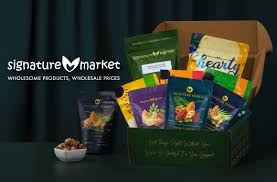
- Niche: Healthy snacks, wellness goods
- Highlights: Clean UI, bundle deals, top banner flash offers, blog content focused on healthy living
- Tech Stack: Custom WooCommerce
b. Qra Malaysia (https://qrafoods.com)
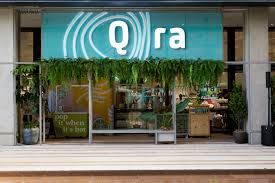
- Niche: Premium grocery delivery
- Highlights: Supermarket-style layout, curated aisles, filterable categories, halal tags
- Tech Stack: Shopify with local courier integrations
c. LILIT (https://lilitstore.com)
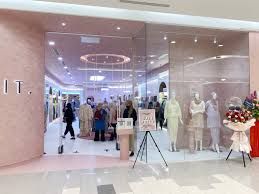
- Niche: Modest fashion + lifestyle + essentials
- Highlights: Hybrid model selling FMCG and apparel, rich content integration, seamless checkout
- Tech Stack: Custom framework + Shopify frontend
d. HappyFresh (https://happyfresh.my)

- Niche: Grocery aggregation/delivery
- Highlights: Geo-located delivery slots, bundled promotions, high personalization
- Tech Stack: Enterprise custom ecommerce
e. The Hive Bulk Foods (https://thehivebulkfoods.com)
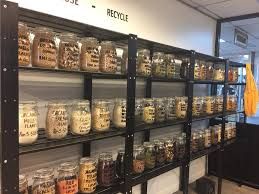
- Niche: Sustainable household + FMCG
- Highlights: Packaging-free shopping, minimal UX, strong social proof
- Tech Stack: WooCommerce with local delivery APIs
These brands show that the path to success in Malaysia’s ecommerce space lies in platform agility, mobile UX, SEO-first content, and thoughtful category structuring.
16. Post-Launch Growth Strategy for FMCG Websites
Launching the website is just the beginning. Sustainable ecommerce success for FMCG brands requires consistent engagement, data-driven optimization, and scalable performance marketing.
a. Retargeting & Performance Ads
- Google Display Network (GDN) for cart abandoners
- Facebook & Instagram ads based on past viewers
- Dynamic product ads (DPA) synced to bestsellers
b. WhatsApp & SMS Re-engagement
- Refill reminders based on purchase cycle
- Limited-time coupons sent after cart abandonment
- Weekly “Top Buys” or “Flash Sale” notices
c. Product Insights & Stock Rotation
- Weekly analytics: what’s selling, what’s stagnating
- Spotlight low-movement stock in homepage tiles
- Promote seasonal items via email/blog/ads
d. Loyalty Campaign Calendar
- Run monthly themes (e.g., “Eco March,” “Family Health May”)
- Time loyalty point boosts with major campaigns
- Include gamification in holiday campaigns (Hari Raya, Deepavali, CNY)
e. Regular SEO + UX Audits
- Check indexing, page speed, and keyword trends monthly
- Refresh homepage and banners quarterly
- Run heatmaps to analyze drop-off points
Rozzario provides monthly growth retainers for clients who want more than just a website—we act as your outsourced ecommerce marketing team, proactively optimizing your digital shelves.
17. Common Mistakes FMCG Brands Make With Ecommerce Design
Even with the best intentions, many FMCG ecommerce initiatives fail to meet expectations due to avoidable mistakes. Here’s what to watch out for:
a. Designing Without Strategy
- Jumping into visuals without UX or SEO planning
- Ignoring buyer journeys and decision cycles
- Building “pretty” websites that don’t convert
b. Overcomplicating the User Journey
- Requiring logins before checkout
- Cluttered homepages without logical hierarchy
- Excessive popups, banners, or auto-play features
c. Underestimating Mobile
- Poor mobile optimization, slow page speed
- Hard-to-use filters and tiny CTA buttons
- Ignoring mobile-first testing altogether
d. Weak Category Structure
- Too many overlapping categories confuse buyers
- Missing filters for pack size, halal certification, brand
- No breadcrumb navigation to aid product discovery
e. Lack of Post-Purchase Strategy
- No loyalty plan, repeat buy trigger, or feedback system
- Static product recommendations that don’t learn from user behavior
- No automation for upsell or refill notifications
Rozzario helps brands identify and fix these issues before launch. Our internal design audit ensures every ecommerce build is function-first, data-backed, and growth-ready from day one.
18. Why Rozzario is the Strategic Ecommerce Partner for Consumer Goods Brands
At Rozzario, we don’t just build ecommerce websites—we engineer growth ecosystems tailored to the behaviors, pain points, and opportunities unique to the Malaysian FMCG sector.
a. Research-Led Approach
We begin every project with a complete market study, competitor audit, keyword map, and buyer journey blueprint. Nothing we design is accidental.
b. Local-Centric Design
From halal product filtering to mobile-first load speeds and localized payment integrations (ToyyibPay, FPX, Atome), Rozzario builds websites made for the Malaysian user—no matter the demographic.
c. Strategic UX + SEO Alignment
Our designs are functional and beautiful, but always mapped with an SEO-first layout, making your site fast, crawlable, and conversion-friendly.
d. Platform-Agnostic Flexibility
We develop in WooCommerce, Shopify, or custom stacks depending on what fits your current team, scale goals, and budget best. You’re never locked in to what doesn’t serve your growth.
e. Full-Funnel Growth Retainers
After launch, Rozzario provides monthly ecommerce support retainers for content, SEO, ad campaigns, CRO, automation, loyalty programs, and beyond—acting as your extended ecommerce marketing team.
With more than a decade of branding, design, digital marketing, and ecommerce experience, Rozzario has helped hundreds of startups and enterprises take their consumer products from shelf to cart—and into Malaysian homes with purpose and profitability.
Summary
The consumer goods ecommerce space in Malaysia is no longer emerging it is accelerating. With buyers expecting convenience, trust, and speed at every digital touchpoint, the difference between a stagnant site and a high-performing one comes down to strategy, structure, and execution.
This guide has outlined the end-to-end journey of designing and scaling a successful ecommerce platform tailored to the unique demands of the FMCG sector. From category logic to loyalty systems, SEO to mobile UX, we’ve shown how each piece fits into a growth-driven ecosystem.
If your brand is:
- Ready to go beyond a basic storefront
- Seeking a long-term digital partner
- Committed to owning and scaling your online grocery or consumer product business
Then let’s build something with substance.
Take the Next Step
Rozzario is ready to help you build the ecommerce platform your brand deserves one that sells, scales, and sustains long-term growth.
