
Networking is an essential component of professional growth and business development. Effective business networking can open doors to new opportunities, partnerships, and valuable knowledge. However, mastering the art of networking requires more than just showing up at events with a stack of business cards. Here are some tips to make the most out of your business networking events.
1. Set Clear Goals Before the Event
Define Your Objectives
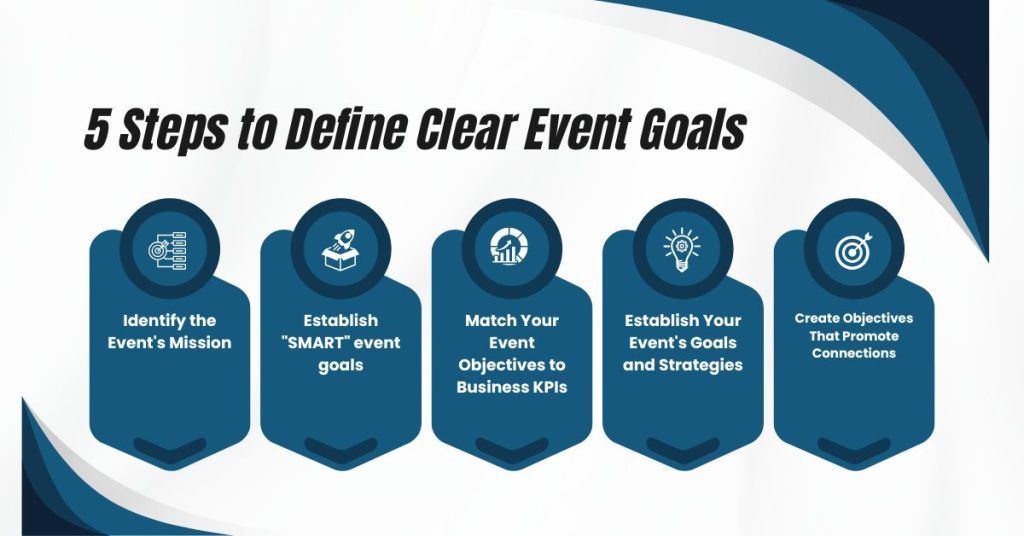
Before attending a networking event, it’s crucial to define what you hope to achieve. Are you looking to generate leads, find potential partners, or simply expand your professional network? Having clear objectives will help you stay focused and make the most out of your time. By knowing your goals, you can tailor your approach, prioritize whom you want to connect with, and assess the event’s success more effectively. For example, if your goal is to find a potential partner, you might focus on people who could benefit from a strategic alliance.
Research the Attendees
If possible, find out who will be attending the event. This might involve checking the event’s guest list or social media pages. Researching their background and interests can give you a head start on conversation topics and show that you are genuinely interested in forming a connection. Understanding their recent projects, professional achievements, or challenges can help you craft tailored conversation starters. This level of preparation demonstrates respect and increases the chances of forming a meaningful connection.
2. Prepare Your Elevator Pitch
Craft a Compelling Introduction
Your elevator pitch is a brief and persuasive speech that you use to spark interest in what you do. It should be clear, concise, and engaging, ideally lasting between 30 to 60 seconds. Focus on the most compelling aspects of your business or role, such as your unique value proposition or recent successes. Practice delivering your pitch smoothly, so it feels natural and confident. For instance, if you’re a consultant, highlight a specific success story that showcases your expertise and results.
Tailor Your Pitch to the Audience
While having a general pitch is useful, be ready to tailor it to different audiences. Customize your pitch based on the interests and needs of the person you’re speaking with. If you’re talking to a potential client, emphasize the benefits of your services in addressing their specific pain points. If speaking with a partner, focus on how your collaboration can create mutual value. Tailoring your pitch demonstrates attentiveness and enhances the relevance of your message.
3. Make a Strong First Impression

Dress Appropriately
Your appearance can significantly impact how others perceive you. Dressing appropriately for the event shows respect for the occasion and the people you are meeting. Aim for a professional yet approachable look, considering the event’s dress code and industry norms. For example, a business casual outfit may be suitable for a local mixer, while a formal suit might be expected at a high-profile conference. First impressions are crucial, and your attire plays a significant role in establishing a positive initial perception.
Mind Your Body Language
Non-verbal communication plays a huge role in how others perceive you. Maintain good posture, make eye contact, and offer a firm handshake. Your body language should convey confidence and openness. Avoid crossing your arms or appearing distracted, as these signals can be interpreted as disinterest. Smiling and nodding can further enhance your approachability and help create a welcoming atmosphere. Positive body language can make you more memorable and approachable.
4. Engage in Meaningful Conversations
Ask Open-Ended Questions
To foster engaging conversations, ask open-ended questions that encourage detailed responses. Instead of asking yes-or-no questions, inquire about experiences, challenges, and goals. For example, you might ask, “What are the biggest challenges you’re facing in your current project?” This can lead to deeper discussions and reveal opportunities for collaboration or assistance. Open-ended questions help build rapport and uncover more about the person’s needs and interests.
Listen Actively
Active listening is key to effective networking. Show genuine interest in what the other person is saying by nodding, maintaining eye contact, and offering thoughtful responses. Avoid interrupting or steering the conversation solely towards your own interests. Active listening not only makes the other person feel valued but also helps you understand their needs and how you can assist them. It demonstrates empathy and fosters a stronger connection.
5. Follow Up After the Event
Exchange Contact Information
Ensure you exchange contact information with the people you meet. This could be through business cards, email, or connecting on professional social networks like LinkedIn. Having accurate contact information is essential for maintaining the relationship and ensuring that follow-ups are possible. Ensure that you accurately record details about the person to personalize future communications.
Send Personalized Follow-Up Messages
After the event, send personalized follow-up messages to the people you connected with. Mention something specific from your conversation to jog their memory and show that you were paying attention. For instance, if you discussed a particular project or shared a resource, reference it in your follow-up message. Personalization helps to solidify the relationship and opens the door for future communication, demonstrating that you value the connection.
6. Leverage Social Media

Connect on LinkedIn
LinkedIn is an excellent platform for maintaining professional relationships. Connect with the individuals you met at the event and engage with their posts to stay on their radar. Share insights or comment on their achievements to show continued interest. LinkedIn can serve as a digital extension of your networking efforts and a platform to showcase your professional activity and achievements.
Share Your Experience
Posting about the event on social media can help you stay connected with other attendees and showcase your proactive networking efforts to your broader network. Share insights, photos, and key takeaways from the event. This can enhance your visibility and credibility. For instance, a post summarizing valuable lessons learned or highlighting interesting conversations can position you as an engaged and insightful professional.
7. Be Consistent and Persistent
Attend Regularly
Networking is not a one-time activity. Attend events regularly to build and maintain relationships. Consistency helps you become a familiar face, increasing the chances of forming deeper connections over time. Regular attendance also keeps you informed about industry trends and opportunities, further integrating you into your professional community.
Follow Up on Promises
If you promised to send information or make an introduction, follow through promptly. This demonstrates reliability and builds trust with your new contacts. Keeping your promises shows that you are dependable and committed to fostering meaningful relationships, reinforcing your credibility and value as a connection.
8. Offer Value to Others
Share Knowledge and Resources
Be generous with your knowledge and resources. If you come across an article, tool, or connection that could benefit someone you met, share it with them. This positions you as a valuable and thoughtful contact. Offering assistance without immediate expectation of return fosters goodwill and strengthens professional bonds.
Make Introductions
If you know someone who could benefit from meeting one of your new contacts, offer to make an introduction. This not only helps others but also strengthens your network by creating a web of valuable connections. Being a connector enhances your reputation and network, as facilitating relationships demonstrates your commitment to mutual success.
9. Be Patient and Stay Positive
Building Relationships Takes Time
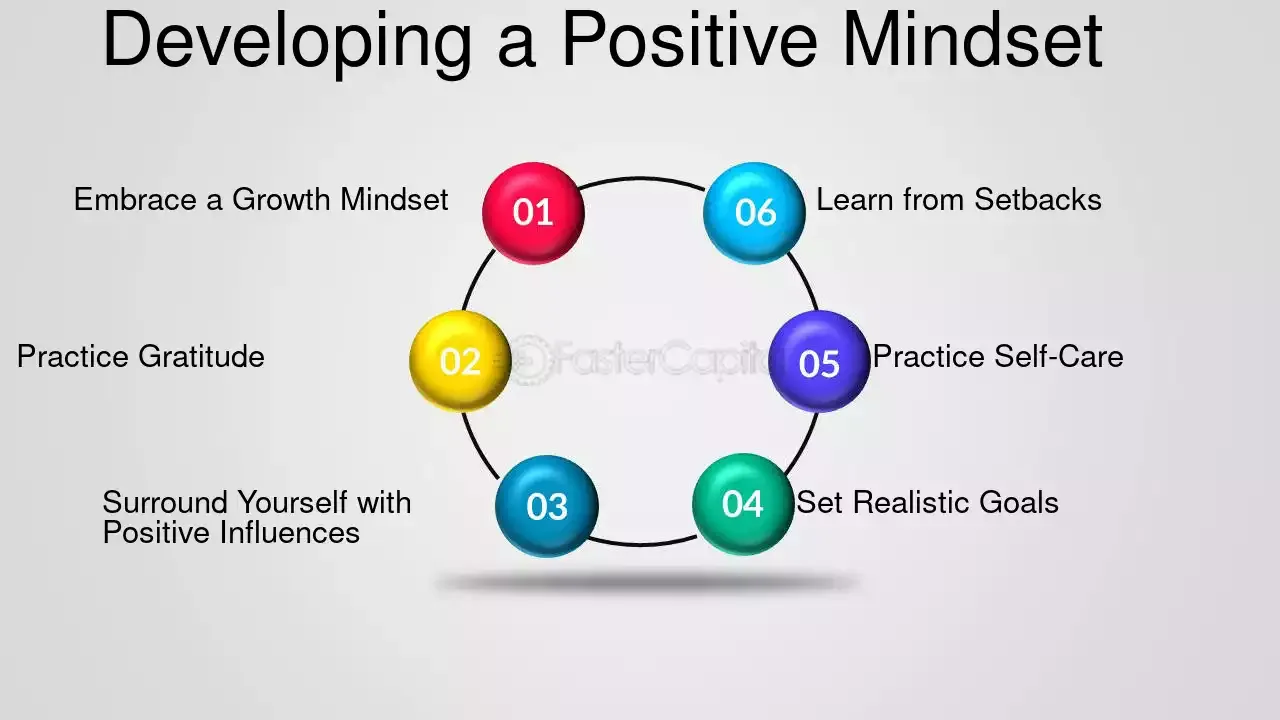
Building meaningful professional relationships takes time and effort. Don’t get discouraged if you don’t see immediate results from your networking efforts. Stay patient and continue to nurture your connections. Long-term relationships often yield the best results, and consistent engagement is key to sustaining these connections.
Maintain a Positive Attitude
A positive attitude is contagious and can make you more approachable. Even if the event doesn’t go exactly as planned, focus on the positive aspects and learn from the experience. Positivity can help you overcome networking challenges and make future interactions more enjoyable and productive.
10. Utilize Technology
Use Networking Apps
There are numerous networking apps designed to help professionals connect. Apps like Shapr, Meetup, and Eventbrite can help you find and connect with like-minded professionals in your area. These tools can streamline your networking efforts and provide opportunities to engage with a broader audience.
Keep a Digital Business Card
Digital business cards are becoming increasingly popular. They allow you to share your contact information with a simple tap or scan, making it easier to exchange details and stay connected. Digital cards are convenient and eco-friendly, providing a modern alternative to traditional paper business cards.
11. Evaluate and Reflect
Assess Your Performance
After each event, take some time to reflect on what went well and what could be improved. Consider factors such as the quality of conversations, the effectiveness of your pitch, and your overall approach. This self-assessment can help you fine-tune your strategy for future events and identify areas for improvement.
Set New Goals
Based on your reflections, set new goals for your next networking event. Continuous improvement will help you become a more effective networker over time. Each event presents an opportunity to learn and grow, so use your experiences to set actionable objectives for your next networking endeavor.
12. Practice Makes Perfect
Attend Different Types of Events
Expose yourself to different types of networking events to develop a well-rounded skill set. Attend industry-specific conferences, local business mixers, and online networking events to gain diverse experiences. Each type of event offers unique opportunities to refine your networking skills and expand your professional reach.
Seek Feedback
Ask trusted colleagues or mentors for feedback on your networking approach. Constructive criticism can provide valuable insights and help you improve. Feedback from others can highlight strengths and areas for development, guiding you towards more effective networking strategies.
Conclusion
Effective business networking is a powerful tool for professional growth and success. By setting clear goals, preparing thoroughly, and engaging meaningfully, you can maximize the benefits of networking events. Remember to follow up, offer value, and maintain a positive attitude. With consistent effort and a strategic approach, you’ll be well on your way to becoming a networking pro.
