
Malaysia, a melting pot of cultures, ethnicities, and traditions, is a country where diversity is celebrated with great fervor. Its calendar is dotted with festivals that reflect the rich tapestry of its multicultural society. From vibrant religious celebrations to colorful cultural parades, these festivals offer a glimpse into the soul of Malaysia. If you’re planning a trip to this Southeast Asian gem, here are some must-visit cultural festivals that should be on your itinerary.
1. Chinese New Year – A Time of Joy and Prosperity (January/February)
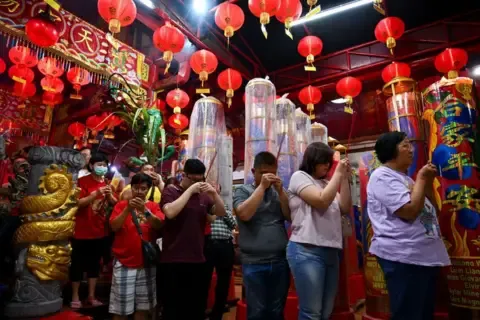
A Nation in Red: The Festive Atmosphere
Chinese New Year is one of the most significant festivals celebrated in Malaysia, particularly among the Chinese community. It marks the beginning of the lunar new year and is a time of joy, prosperity, and family reunions. The entire country seems to be bathed in red, symbolizing good fortune and happiness. Streets are adorned with lanterns, and homes are decorated with red couplets carrying auspicious messages.
The Reunion Dinner: A Feast of Family and Tradition
One of the highlights of Chinese New Year is the reunion dinner, a sumptuous feast that brings families together on the eve of the festival. Traditional dishes like yee sang, a salad of raw fish and vegetables, are tossed together by family members as a symbol of prosperity. The higher the toss, the greater the fortune for the coming year.
Lion Dances and Firecrackers: A Spectacle of Sound and Color
No Chinese New Year celebration in Malaysia is complete without the exhilarating lion dances and the deafening sound of firecrackers. Lion dance troupes perform in shopping malls, temples, and homes, bringing blessings of good luck. Firecrackers are lit to ward off evil spirits, creating a lively and festive atmosphere that resonates throughout the country.
2. Hari Raya Aidilfitri – The Joyous End of Ramadan (April/May)
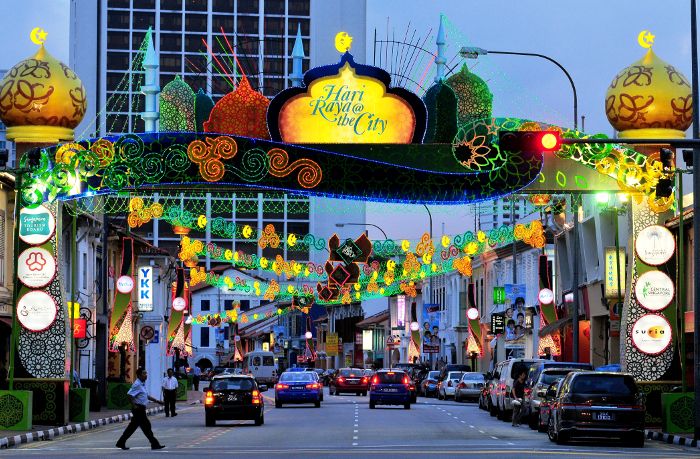
A Month of Fasting, a Day of Feasting
Hari Raya Aidilfitri, also known as Eid al-Fitr, is celebrated by Muslims in Malaysia to mark the end of Ramadan, a month of fasting and spiritual reflection. The festival is a time for forgiveness, renewal, and, of course, feasting. Homes are filled with the aroma of traditional Malay dishes like rendang (a slow-cooked beef dish) and ketupat (rice cakes wrapped in palm leaves).
Open Houses: A Unique Malaysian Tradition
One of the unique aspects of Hari Raya in Malaysia is the tradition of open houses, where families invite friends, neighbors, and even strangers into their homes to share in the festive spirit. It’s a time for bridging differences and fostering community bonds. Visitors are treated to a variety of traditional dishes, cakes, and sweets, making it a gastronomic delight.
The Raya Attire: A Celebration of Elegance and Modesty
Hari Raya is also a time for dressing up in the finest traditional attire. Men don the baju Melayu, while women wear the baju kurung or kebaya. The vibrant colors and intricate designs of these garments add to the festive atmosphere, reflecting the joy and pride of the Malay culture.
3. Deepavali – The Festival of Lights (October/November)
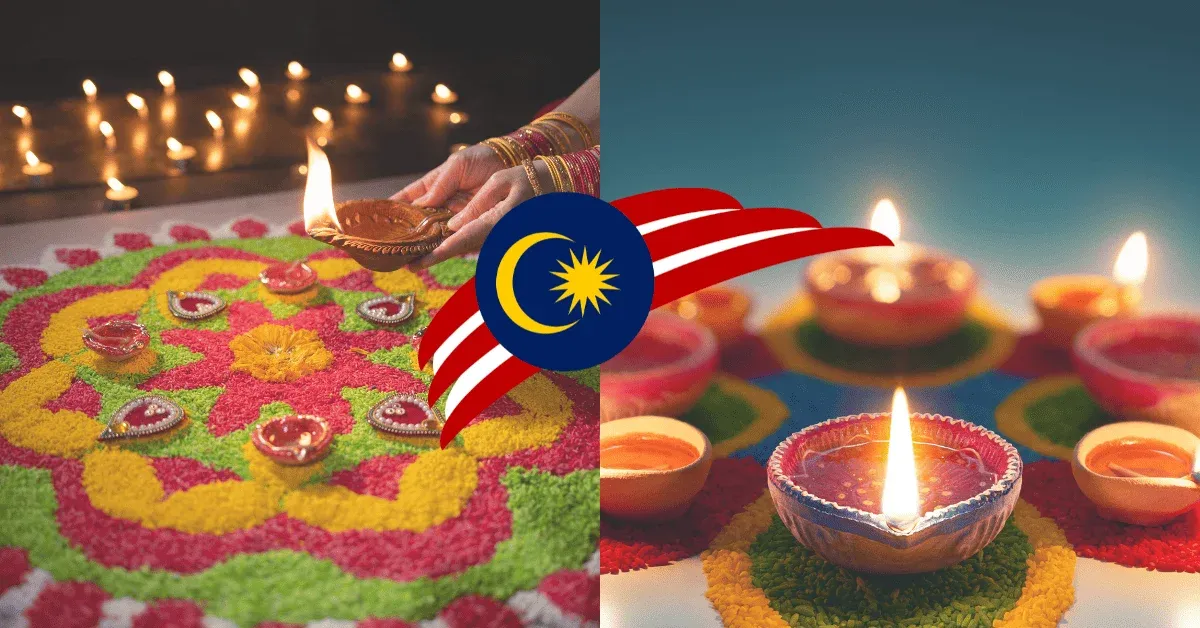
Lighting the Way: The Significance of Deepavali
Deepavali, or Diwali, is celebrated by the Hindu community in Malaysia as the triumph of light over darkness and good over evil. The festival is marked by the lighting of oil lamps and the bursting of firecrackers, symbolizing the victory of Lord Rama over the demon king Ravana.
Kolam Designs: A Cultural Art Form
One of the most striking aspects of Deepavali is the creation of kolam, intricate designs made from colored rice or powder, placed at the entrance of homes and temples. These designs are not just decorative but are believed to invite the goddess Lakshmi, the deity of wealth, into the home.
Temples and Prayers: A Spiritual Celebration
Deepavali is also a time of religious observance, with prayers and rituals performed at Hindu temples across the country. The temples are beautifully decorated with flowers and lights, and devotees offer prayers for health, wealth, and prosperity.
4. Thaipusam – A Festival of Devotion and Sacrifice (January/February)
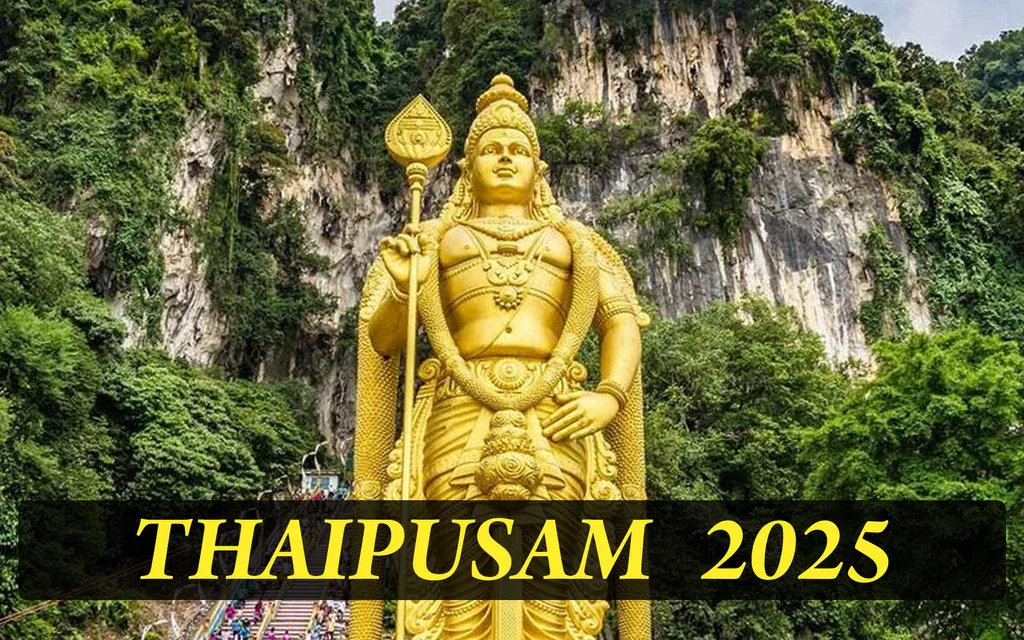
The Procession to Batu Caves: A Test of Faith
Thaipusam is one of the most intense and visually striking festivals in Malaysia, celebrated by the Tamil Hindu community. The festival is dedicated to Lord Murugan, the god of war, and is marked by a procession to the Batu Caves in Selangor. Devotees carry kavadis, elaborate frames adorned with peacock feathers and flowers, as an act of penance.
Body Piercing Rituals: A Display of Devotion
What sets Thaipusam apart from other festivals is the extreme acts of devotion displayed by the participants. Many devotees pierce their bodies with hooks, skewers, and spikes as a form of sacrifice. Despite the physical pain, they remain in a trance-like state, sustained by their faith and devotion to Lord Murugan.
The Batu Caves: A Spiritual Journey
The Batu Caves, a series of limestone caves and cave temples, serve as the focal point of the Thaipusam celebrations. The 272-step climb to the main temple is seen as a spiritual journey, with devotees chanting prayers and offering sacrifices along the way. The sight of thousands of devotees making the pilgrimage is both awe-inspiring and humbling.
5. Gawai Dayak – A Harvest Festival in Sarawak (June)
Celebrating the Harvest: The Significance of Gawai Dayak
Gawai Dayak is a harvest festival celebrated by the Dayak people of Sarawak, on the island of Borneo. The festival marks the end of the rice harvesting season and is a time of thanksgiving and merrymaking. Gawai Dayak is a vibrant celebration of Dayak culture, with traditional music, dance, and food playing a central role.
Ngajat Dance: A Cultural Performance
One of the highlights of Gawai Dayak is the Ngajat dance, a traditional warrior dance performed to the beat of gongs and drums. The dance is a showcase of the Dayak’s rich cultural heritage and is often performed in traditional attire, including headdresses made of feathers and beads.
Longhouse Celebrations: A Community Affair
Gawai Dayak is traditionally celebrated in longhouses, communal homes where the Dayak people live. The longhouse is the heart of the community, and during Gawai, it comes alive with festivities. Families come together to prepare traditional dishes, such as ayam pansuh (chicken cooked in bamboo) and tuak (rice wine), which are shared with guests in a spirit of hospitality and camaraderie.
6. Wesak Day – A Buddhist Celebration of Enlightenment (May)
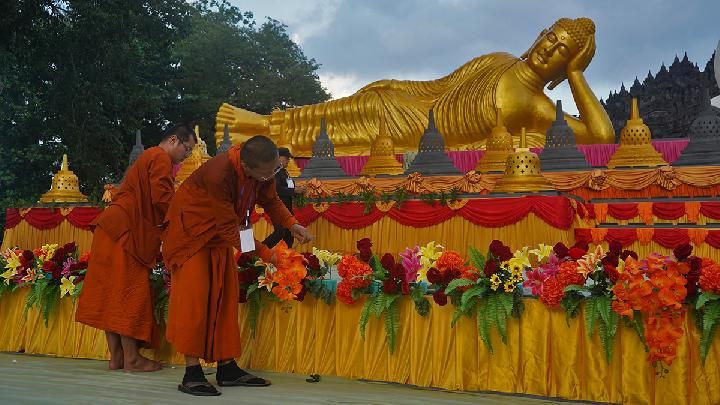
The Birth, Enlightenment, and Death of Buddha
Wesak Day is the most important festival for Buddhists in Malaysia, commemorating the birth, enlightenment, and death of Siddhartha Gautama, the Buddha. The festival is a time for reflection, prayer, and acts of kindness, as devotees seek to emulate the Buddha’s teachings.
Temple Processions: A Parade of Devotion
One of the most iconic aspects of Wesak Day is the procession of devotees carrying statues of the Buddha and lotus flowers through the streets. These processions are accompanied by the chanting of prayers and the ringing of bells, creating a serene and spiritual atmosphere.
Acts of Charity: A Day of Giving
Wesak Day is also a time for acts of charity and compassion. Many Buddhists take part in activities such as donating blood, providing food to the needy, and releasing animals as a symbol of compassion and respect for all living beings.
7. Kaamatan – A Harvest Festival in Sabah (May)
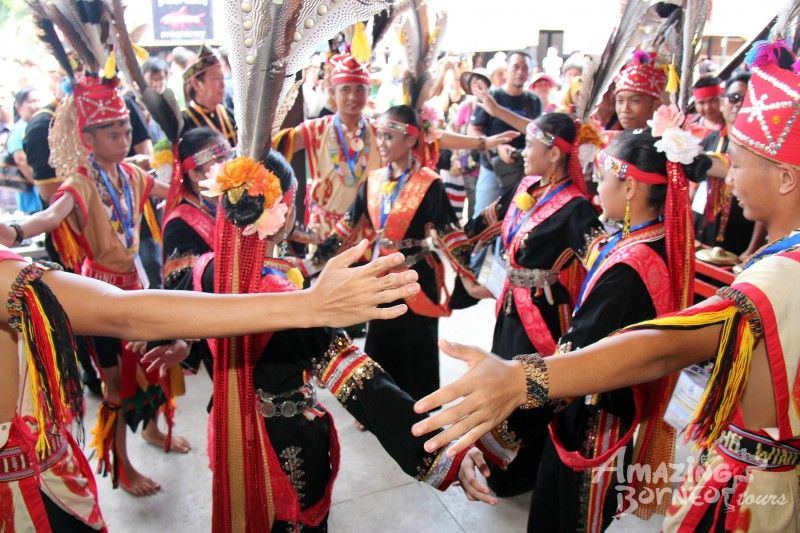
Honoring the Rice Spirit: The Essence of Kaamatan
Kaamatan, also known as Pesta Kaamatan, is a harvest festival celebrated by the Kadazan-Dusun people of Sabah. The festival honors the rice spirit, Bambaazon, and is a time of thanksgiving for a bountiful harvest. Kaamatan is a colorful and lively celebration that showcases the unique culture of Sabah.
Unduk Ngadau: The Harvest Queen Pageant
One of the most anticipated events during Kaamatan is the Unduk Ngadau, a beauty pageant that crowns the Harvest Queen. The pageant is more than just a beauty contest; it is a celebration of the grace, poise, and cultural knowledge of Kadazan-Dusun women.
Traditional Games and Dances: A Cultural Extravaganza
Kaamatan is also known for its traditional games and dances, such as the sumazau, a traditional dance performed to the rhythm of gongs. These cultural performances, along with traditional sports like arm wrestling and bamboo stilt walking, add to the festive spirit of Kaamatan.
8. Christmas – A Joyful Celebration of Faith and Family (December)
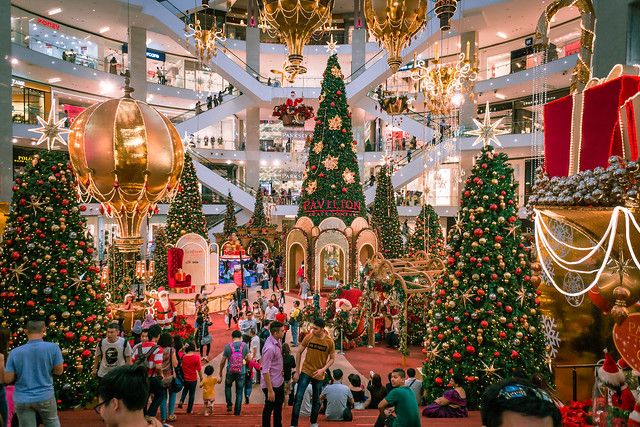
A Malaysian Christmas: A Blend of Traditions
Christmas in Malaysia is celebrated by the Christian community with great enthusiasm and joy. Although it is not a public holiday in all states, the festive spirit can be felt across the country, with Christmas decorations adorning shopping malls, churches, and homes.
Midnight Mass: A Spiritual Gathering
One of the key aspects of Christmas in Malaysia is the midnight mass held in churches on Christmas Eve. The mass is a time for Christians to come together in prayer and reflection, celebrating the birth of Jesus Christ. The service is often followed by a festive meal shared with family and friends.
Festive Feasts and Gift-Giving: A Season of Joy
Christmas in Malaysia is also marked by festive feasts and the exchange of gifts. Traditional Christmas dishes, such as roast turkey and fruitcake, are enjoyed alongside local favorites like curry and rice. The act of gift-giving is a symbol of love and generosity, reflecting the true spirit of Christmas.
Conclusion
Malaysia’s cultural festivals are a testament to the country’s rich heritage and diversity. Each festival offers a unique opportunity to experience the deep-rooted traditions, vibrant celebrations, and communal spirit that make Malaysia such a fascinating destination. Whether you’re drawn to the colorful parades, the spiritual rituals, or the delicious feasts, these festivals provide an unforgettable glimpse into the heart of Malaysian culture.
