
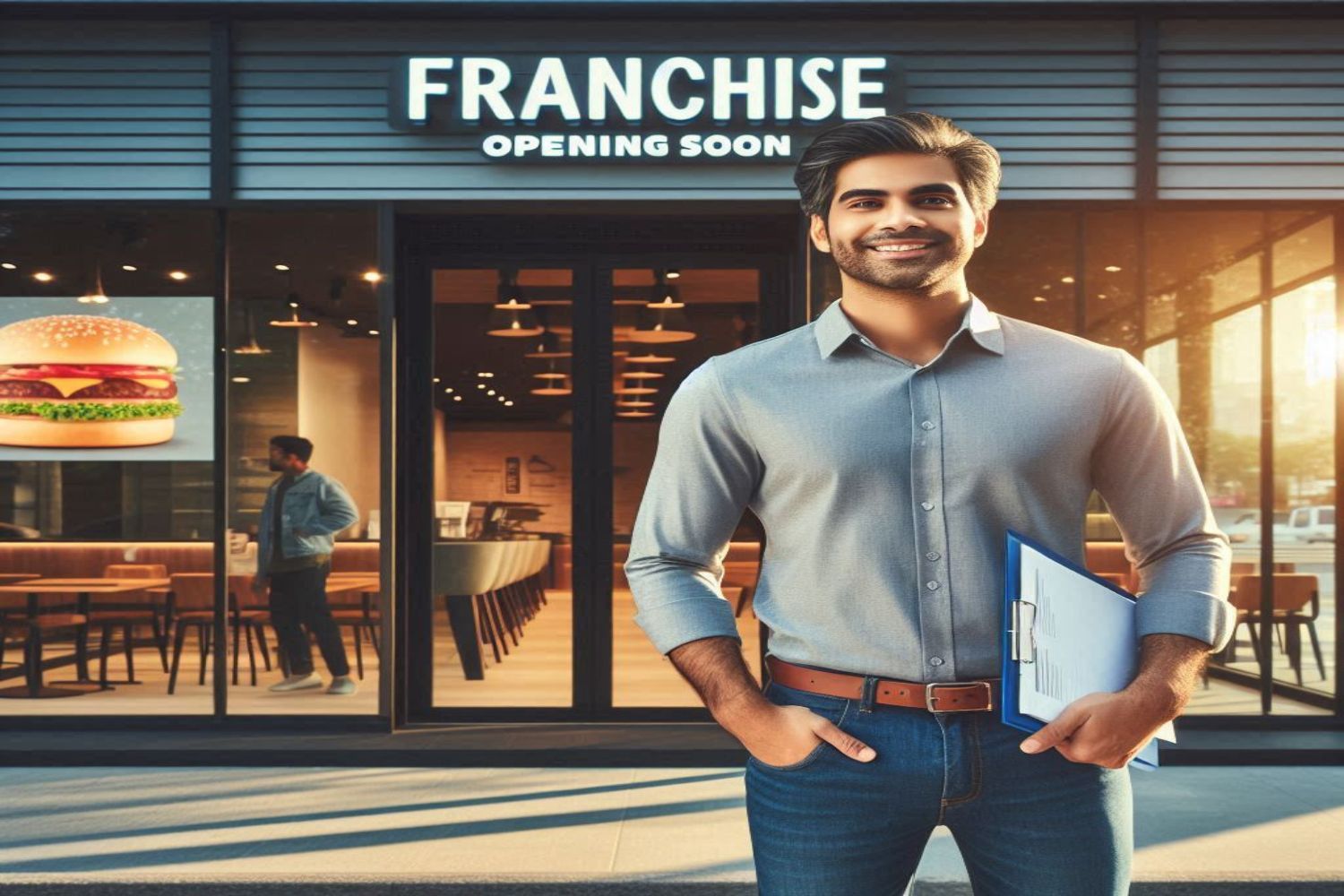
You watch the line grow at your favorite burger place, same time, every day — and quietly wonder, How to start a restaurant franchise like this? That passing thought isn’t just curiosity. It’s the beginning of something real.
In 2025, food franchising isn’t just for seasoned investors — it’s one of the most beginner-friendly business models in the world. You step in with the backing of a trusted name, a proven system, and support that’s already built for you.
- You don’t need to reinvent anything — just follow what already works
- Training, branding, and day-one customer trust come with the model
- From burger joints to coffee shops, franchise opportunities are everywhere
This guide isn’t just a roadmap — it’s your trusted companion on a bold new journey. We’re here to guide you every step of the way, so you never have to figure it out alone.
Let’s dive in.
Why Choose a Restaurant Franchise in 2025
If you’re thinking about starting a food business in 2025, you’re not alone. But in today’s market, where customer expectations are higher than ever and competition is growing fast, starting from scratch is harder than it sounds.
That’s why many new entrepreneurs are turning to restaurant franchises. Instead of building everything yourself, you step into a working system — with support, structure, and a brand people already trust.
Franchising vs. Building Your Own Restaurant Brand
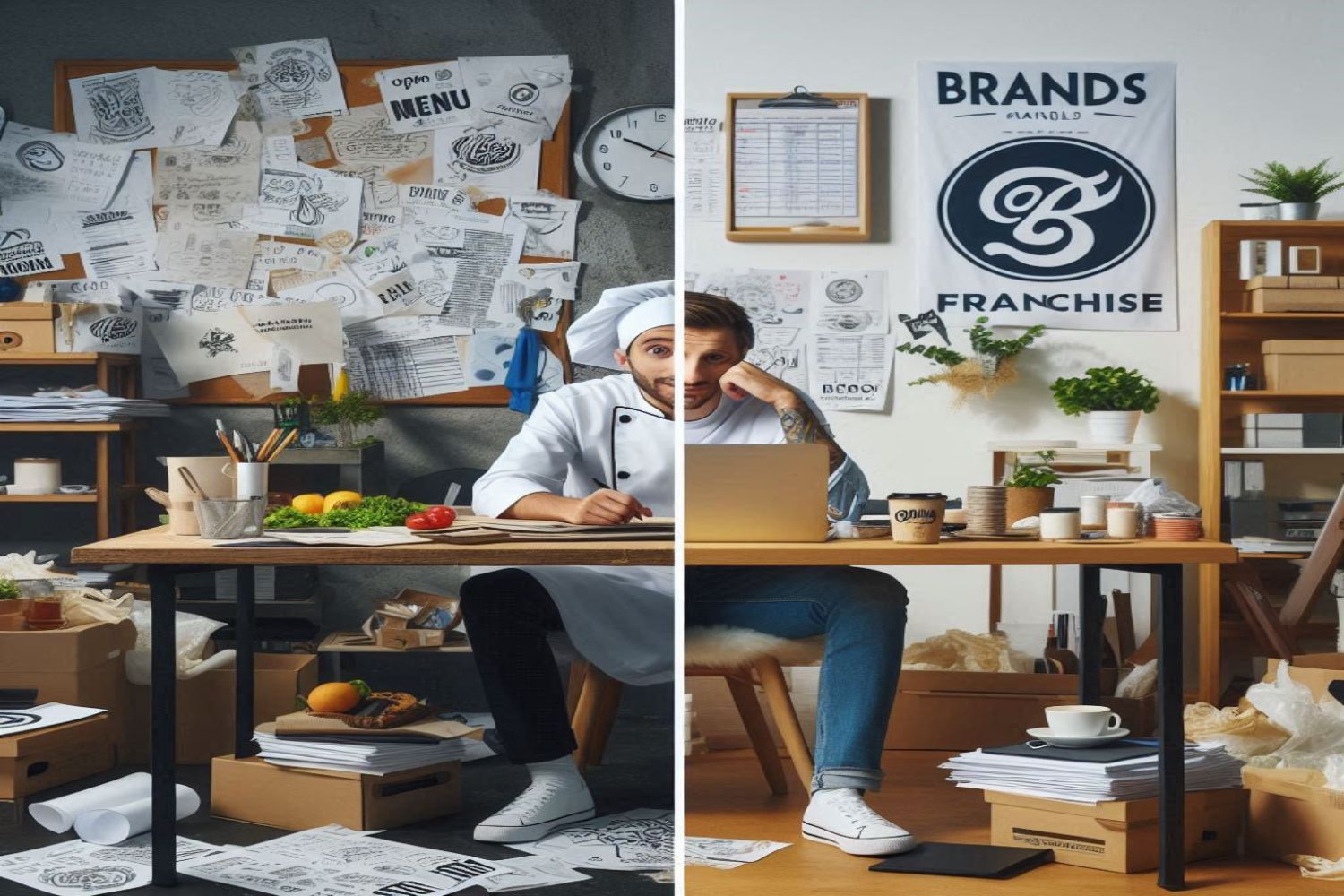
Opening your own independent restaurant can be exciting, but it’s also risky. You need to create everything from zero: the name, the logo, the menu, the suppliers, the pricing, the marketing — and hope it works.
Franchising gives you a clear advantage.
- You start with a trusted brand and proven business model
- You skip trial and error and follow a system that already delivers results
This means fewer unknowns, fewer mistakes, and faster progress.
Benefits of Joining an Established Franchise
A restaurant franchise isn’t just about using a popular name. It’s about stepping into something that’s been tested, refined, and prepared for you to operate successfully — even if you’ve never worked in the food industry before.
- Franchisors offer full training, support, supplier access, and national marketing
- Many franchise owners find it easier to get loans due to brand credibility
It’s your business — but you’re not on your own.
Global Trends in the Food Franchise Industry
Restaurant franchises are growing across the world. Big brands are expanding into smaller cities, and customer demand for consistent, branded food experiences is rising. Fast food, delivery-first restaurants, and specialty cafés are leading this trend.
In short: the systems are strong, the demand is high, and the opportunity is real.
That’s why franchising makes more sense than ever in 2025.
How the Franchise Model Works
The franchise model gives you a powerful opportunity: to own your own restaurant while using the systems, products, and name of a brand that’s already trusted. Instead of creating everything from scratch, you step into a business that’s built to run.
What Is a Franchise?
A franchise is a legal agreement where a company (the franchisor) allows you (the franchisee) to run a business using their brand, menu, and systems. You benefit from an established identity and business structure — without having to build it from zero.
- You operate your own outlet, but under a company’s proven brand and system
The Franchisor–Franchisee Relationship
In this model, both parties play important roles. The franchisor owns the brand, develops the system, and provides tools and training. You, the franchisee, are responsible for running the local outlet correctly, following brand standards.
- You manage your store independently, while receiving support and oversight from the franchisor
Franchise Fees, Royalties, and Revenue Structure
To join a franchise, you pay an upfront franchise fee. Then, you pay monthly royalties — usually a percentage of your sales — in return for ongoing use of the brand, training, marketing, and support.
- Franchise fees give you access to the brand, while royalties maintain your partnership
Support and Responsibilities in a Franchise System
Franchisees receive detailed training, store design guidance, operational manuals, marketing materials, and ongoing support. But success depends on consistency — you must follow the brand’s standards carefully.
- You’re supported at every step, but responsible for maintaining quality, service, and compliance
What Makes a Franchise Brand Successful
Not all franchise brands are created equal. Some grow steadily with hundreds of locations, while others struggle to maintain consistency. What separates the best from the rest?
A successful franchise business model depends on more than just a great product. It requires strong systems, brand value, consistent customer experience, and long-term adaptability.
Clear Systems and Operational Playbooks
Behind every strong franchise brand is a clear operational structure. From food prep to staff training, successful franchises provide a system that’s easy to follow and hard to break. This structure helps new franchisees run the business efficiently, even with no prior experience.
- A successful franchise includes step-by-step manuals, checklists, and daily procedures
- Systems reduce mistakes and allow every location to deliver a consistent experience
Strong Brand Value and Trust
Customers choose brands they recognize. A powerful franchise brand doesn’t just have a nice logo — it has a reputation built on years of quality, service, and visibility. Trust plays a huge role in repeat business and customer loyalty.
- Strong franchise brands are known for reliability, familiarity, and professional image
- Trusted names attract more customers, which leads to faster profitability for franchisees
Scalable Menu and Service Consistency
A great food franchise doesn’t overcomplicate things. Its menu is designed for speed, quality, and repeatability. The brand focuses on what it does best — and builds systems that allow every location to replicate the same level of service.
- Scalable menus help maintain quality while serving high volumes of customer
- Consistent service keeps customers coming back, no matter which outlet they visit
McDonald’s – Global Franchise Consistency
McDonald’s is the world’s most iconic example of franchise scalability. With more than 38,000 locations across 100+ countries, its systems are built for precise duplication and consistency. Every location runs on the same playbook — from menu items to uniforms and customer service standards.
- Known for strict systems, uniform training, and high customer familiarity worldwide
- Mastered scalable branding with centralized control and trusted local execution
Best Restaurant Franchise Categories to Consider
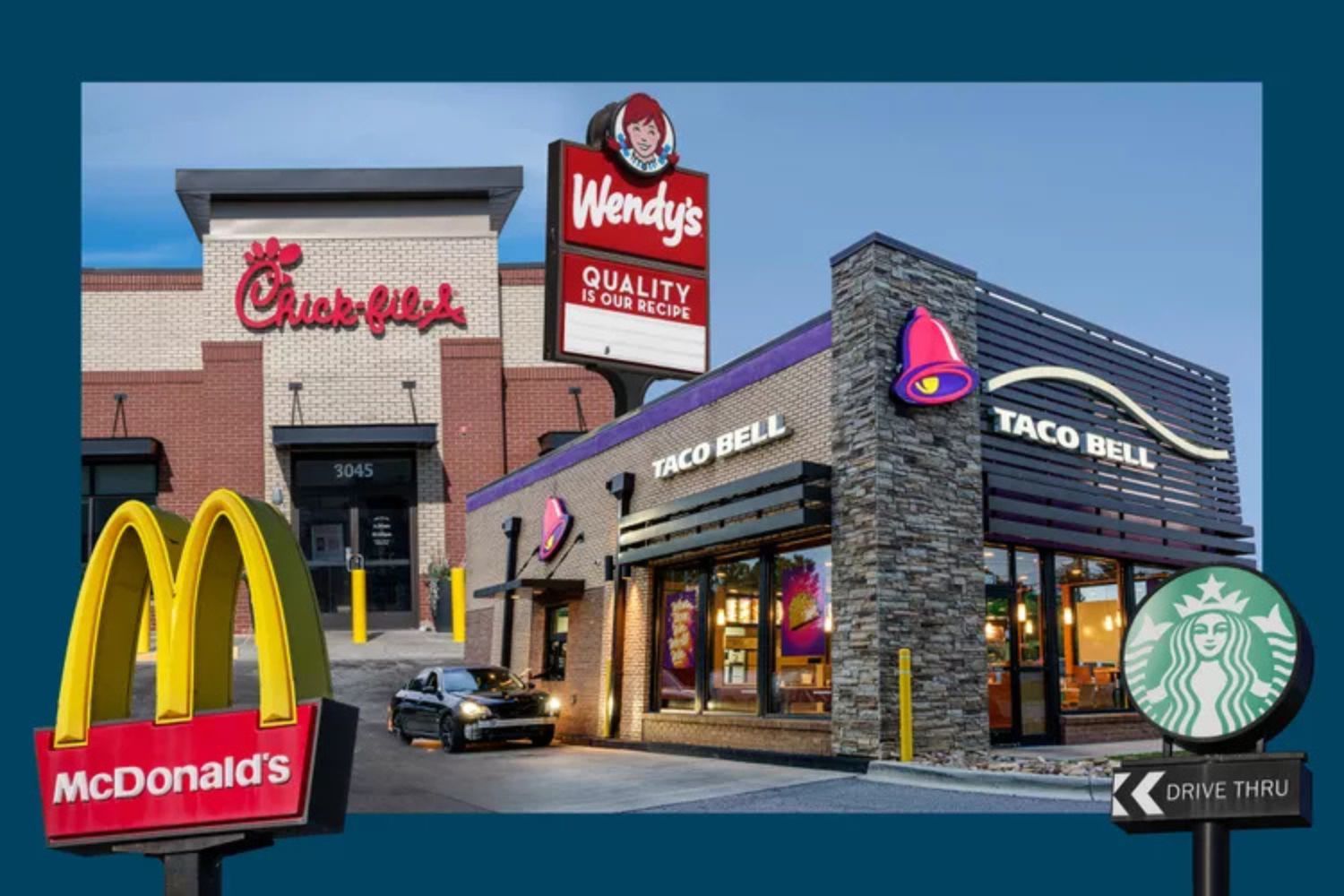
Choosing the right type of restaurant franchise depends on your capital, customer base, and how involved you want to be in daily operations. Each category has its own style, pace, and advantages — here are four of the most popular franchise formats in 2025.
| Franchise Format | Setup Cost Range | Ideal For | Customer Type | Example Brand |
| Fast Food (QSR) | $150K – $500K+ | High-volume investors | On-the-go eaters | KFC, McDonald’s |
| Fast Casual & Dine-In | $200K – $600K | Experience-focused operators | Families, urban diners | Nando’s, Pizza Hut |
| Café / Coffee Shop | $80K – $250K | Lifestyle entrepreneurs | Students, professionals | Gloria Jean’s, Costa |
| Food Truck / Kiosk | $20K – $80K | Low-budget or part-time | Festival & street food | The Halal Guys |
Fast Food Franchises
Fast food franchises are built for high volume and fast service. Global chains like McDonald’s, Burger King, and KFC operate on tested systems that focus on consistency, speed, and simplified menus.
These models typically require higher upfront investment, but offer built-in customer demand and brand recognition in nearly every city.
- Ideal for investors seeking a proven business model in busy locations
- Strong national marketing, reliable systems, and high daily footfall
KFC (USA/Global)
KFC is one of the most recognized fast food franchises globally, with over 25,000 locations. Its success comes from a standardized service model, a globally adaptable menu, and powerful brand recall. KFC’s ability to localize its spices and offerings while keeping core identity intact makes it a standout QSR example.
- Known for its high-volume business model, kitchen efficiency, and global consistency
Proven ability to adapt menu to local tastes while retaining core brand flavor
Fast Casual and Dine-In Brands
Fast casual franchises offer better food quality than fast food with a modern, dine-in experience. Brands like Nando’s, Shake Shack, and Chipotle target urban professionals and families who want quality without long wait times.
Dine-in models like Pizza Hut or Applebee’s offer a more traditional sit-down format, often with larger menus and longer customer visits.
- Great for franchisees who want to manage guest experience and ambience
- Higher ticket size and appeal to groups, families, and casual diners
Nando’s (UK/South Africa)
Nando’s is a successful fast casual franchise that has built its reputation on flame-grilled peri-peri chicken, friendly dine-in service, and a culturally rich brand story. It balances affordability with quality, and appeals to urban, younger customers who want experience as much as food.
- Blends fast casual service with a dine-in vibe and strong emotional branding
- Known for interior design consistency, music, and menu appeal across the UK and beyond
Café and Coffee Franchises
Cafés like Starbucks, Gloria Jean’s, and Coffee Bean generate steady traffic throughout the day. With lower food waste and higher margins on beverages, coffee franchises are considered stable and scalable.
They’re ideal for community spaces, campuses, business hubs, and areas with strong walk-in culture.
- Designed for repeat daily customers and long-term retention
- High-margin beverage sales and lower kitchen complexity
Gloria Jean’s Coffees (Australia/Global)
Gloria Jean’s has expanded into over 40 countries, offering espresso beverages, chillers, and pastries in a warm, inviting café atmosphere. Its franchise system supports outlet-level customization while maintaining a unified brand identity.
- Combines lifestyle branding with strong beverage-focused profitability
- Successful in mall kiosks, full cafes, and drive-thru formats
Food Truck and Low-Budget Franchise Models
For low-cost entry and location flexibility, food truck franchises are an increasingly popular choice. They offer mobility, reduced rent, and allow you to test markets without a full storefront.
This model suits startup owners looking to build a presence in festivals, business districts, or street-food hotspots.
- Lower setup costs and quicker launch compared to traditional outlets
- Operates well in flexible, event-driven, or seasonal environments
The Halal Guys (USA/International)
The Halal Guys started as a street food cart in New York and successfully franchised its quick-service halal platter concept. Its food truck model helped the brand go global while retaining its original low-overhead model, perfect for emerging markets and small investors.
- Transitioned from street vendor to global low-investment franchise success
- Offers flexible models: food carts, takeout stores, and delivery-first kitchens
Step-by-Step: How to Open a Restaurant Franchise
Starting a restaurant franchise can seem overwhelming, but when broken into steps, the process becomes manageable. Below is a clear roadmap that shows what to expect — from initial research to your first three months of operation.
Initial Research and Franchise Discovery
Begin by exploring food franchise opportunities that match your goals, budget, and interests. Look into brand reputation, target audience, location availability, and overall demand.
- Research at least 3–5 restaurant franchise models in your target city or market
- Request the franchise brochure, investment details, and a sample Franchise Disclosure Document (FDD)
Application and Franchisor Approval
Once you’ve identified the right brand, you’ll need to apply through their formal franchise application process. This may include interviews, background checks, and financial reviews.
- Prepare a basic business profile and proof of funds before applying
- Be ready to answer questions about your goals, business mindset, and local knowledge
Site Selection, Funding, Training, and Launch
After approval, the real work begins. You’ll work with the franchisor to choose a suitable site, finalize store layout, secure funding, and complete training. Most brands provide hands-on support during this phase.
- Secure a location that aligns with brand guidelines and has strong footfall or delivery potential
- Attend the franchisor’s official training program to learn daily operations, service standards, and marketing systems
Launch Day and Initial 90-Day Plan
Opening day is just the beginning. The first 90 days are critical — you’ll need to build momentum, train your staff in real-time, monitor customer feedback, and ensure smooth execution.
- Work closely with your franchisor’s field team to address early-stage challenges
- Use the first three months to refine operations, stabilize costs, and build customer loyalty
Domino’s India – Franchisor Support in Action
Domino’s in India has scaled with smart franchisor support. Jubilant Food Works offers end-to-end setup assistance, including location guidance, training, equipment, and logistics — all designed for delivery-first operations in a cost-sensitive market.
- Offers hands-on training and location support for first-time operators
- Builds systems for hyper-local delivery success with tech-integrated platforms
This step-by-step process takes you from beginner to operator — with guidance at every turn.
Choosing the Right Franchise for Your Market
No matter how strong a franchise brand is globally, it needs to make sense in your local market. Choosing the right franchise is about more than personal preference — it’s about fit. That means understanding your city, your audience, and whether the franchise’s strengths align with local demand.
Assessing Demand in Your City or Region
Before signing anything, take a close look at what people in your area actually want. A great franchise in one city might fail in another if the local habits, income levels, or food preferences don’t match.
- Visit local malls, commercial areas, and delivery apps to spot trends and top-performing categories
- Research what types of food people already buy — and what’s missing in your market
Understanding Cultural and Economic Fit
A successful food brand connects with people’s tastes, spending habits, and lifestyle. Some global brands succeed by localizing menus, while others fail because they ignore cultural norms or pricing expectations.
- Choose a brand that fits both local culture and your city’s average price point
- Think about religious, dietary, or lifestyle preferences that could affect demand
Evaluating Franchisor Support and Flexibility
Not all franchisors offer the same level of support. Some give step-by-step guidance, while others offer minimal help beyond the basics. You also want to know how flexible they are with adapting the brand to your location’s needs.
- Look for franchisors who offer real-world training, site visits, and ongoing mentoring
- Check if they allow location-specific adjustments like delivery-only models or menu tweaks
Asking the Right Questions Before You Commit
Don’t rely only on brochures. Have real conversations with the franchisor and existing franchisees. This is your chance to understand expectations, risks, and realities — before you invest.
- Ask about startup costs, average time to break even, and expected monthly expenses
- Speak with 2–3 current franchisees to hear firsthand what works and what doesn’t
How Much Does It Cost to Start a Food Franchise
Understanding the real costs behind launching a food franchise is essential. Many new franchisees focus only on the upfront fee, but there are multiple layers to consider — from location buildout to staff hiring, inventory, and long-term operating expenses. Here’s what to expect.
| Startup Cost Category | Typical % of Budget | Description |
| Franchise Fee | 10% – 20% | One-time fee to access the brand system |
| Buildout & Equipment | 30% – 40% | Kitchen, signage, store interiors |
| Inventory & Supplies | 10% – 15% | Initial food, packaging, and tools |
| Staff Hiring & Training | 10% – 15% | Early wages, uniforms, onboarding sessions |
| Working Capital Buffer | 15% – 25% | Rent, utilities, salaries (3–6 months’ runway) |
Ongoing Royalties and Marketing Contributions
Franchisors usually charge a monthly royalty — a small percentage of your gross sales. They may also ask for a contribution toward national advertising or brand campaigns. These payments continue as long as you operate.
- Royalties typically range from 4% to 8% of gross sales
- Marketing contributions can range from 1% to 3%, depending on the brand
ROI Timelines and Cost Planning Tips
Return on investment (ROI) depends on factors like your location, brand strength, and management skill. A good financial plan helps you set realistic expectations.
- Most franchisees aim to break even within 12 to 24 months
- Always prepare a 2-year cash flow forecast and review real data from existing franchisees
Legal & Licensing Essentials for Franchisees
Before you invest in a restaurant franchise, it’s important to understand the legal documents and requirements involved. These agreements define how you’ll operate, what rights you’ll have, and what obligations you must follow. A good franchise deal is built on clear terms — and you should always know what you’re signing.
Franchise Disclosure Document (FDD) Simplified
The Franchise Disclosure Document (FDD) is a detailed legal file the franchisor gives you before you sign anything. It outlines the company’s background, financials, costs, obligations, and risks — so you can make an informed decision.
- Always read the FDD line by line and ask questions — it’s your first layer of legal protection
- If your country doesn’t require an FDD, request a full breakdown of terms in writing
Franchise Agreement Terms and Conditions
Once approved, you’ll sign a formal franchise agreement. This contract gives you the right to operate under the brand and explains everything from fee structures to training to rules on daily operations.
- The agreement will define your duties, limitations, and penalties for non-compliance
- Make sure you understand duration, termination conditions, and renewal options
Territory Rights, Renewal Clauses, and Exits
Many franchise agreements define your operating zone — your territory. This protects you from competing stores nearby. You’ll also find clauses about how to renew your contract or exit the business.
- Ask if your territory is exclusive, semi-exclusive, or open to other franchisees
- Understand exit rules: what happens if you want to sell, transfer, or close your location
Licenses Required to Operate Legally
No matter how strong your brand is, you can’t operate without the right government licenses. These include food safety, fire, health, signage, and employment-related approvals.
- Check with local authorities for all mandatory permits before launch
- Some franchisors assist with the paperwork, but the responsibility is yours
Franchise Training & Operational Support
One of the biggest advantages of joining a restaurant franchise is that you’re not left to figure things out on your own. Good franchisors provide detailed training, pre-opening support, and continuous operational guidance — so you’re equipped to run the business successfully from day one.
What Training Usually Includes
Most restaurant franchises offer structured training programs for new franchisees and sometimes their staff. This training is designed to prepare you for the real-world challenges of day-to-day operations.
- Expect to learn everything from food preparation and service procedures to inventory control and customer handling
- Training usually takes place at the brand’s headquarters, a live store, or through virtual programs
Pre-Opening Guidance and Onboarding
Before your franchise opens, the franchisor helps you plan and prepare every detail — from equipment to hiring to launch-day marketing. This phase is critical in making sure your location starts off strong.
- Franchisors typically provide a checklist and timeline to guide your store setup
- You’ll also receive templates for recruitment, uniforms, layout, and pre-launch promotions
Ongoing Support After Launch
Support doesn’t end once you open. Good franchisors continue to check in, offer updates, and help solve problems that come up in real time — whether it’s staffing, sales, or compliance issues.
- You’ll have access to an operations team, regional manager, or support hotline
- Updates to menus, software, marketing campaigns, and processes are provided regularly
Field Visits, Brand Audits, and Help Desks
To ensure your outlet runs at brand standards, the franchisor may conduct field visits or audits. These are meant to protect the brand — and help you improve. They’ll also offer direct access to support desks for quick questions and troubleshooting.
- Regular audits help maintain service quality, cleanliness, and consistency across all outlets
- Help desks and field agents are available to guide you through daily operational challenges
Setting Up Your Franchise Location
Finding the right location — and setting it up correctly — plays a big role in your franchise’s success. A well-located, well-prepared store can drive foot traffic, improve efficiency, and meet brand expectations from day one. Here’s how to get it right.
How to Choose the Right Spot
Location is everything in the restaurant business. You need a place that’s visible, accessible, and located near your ideal customer base — whether that’s office workers, students, families, or late-night crowds.
- Look for areas with strong footfall, nearby competitors, or high delivery demand
- Work with your franchisor or real estate agent to assess traffic patterns and local zoning
Leasing, Approvals, and Franchisor Design Standards
Once you identify a spot, you’ll need to negotiate the lease and get required permits. At the same time, the franchisor will ensure the site matches brand design standards for layout, branding, and customer experience.
- Most brands provide architectural guidelines, approved signage, and layout templates
- Expect to submit your lease, store plan, and local approvals for franchisor review
Store Layout, Kitchen Setup, and Branding Compliance
The inside of your restaurant must reflect the franchise’s look and operational needs. Everything from kitchen equipment to table placement, lighting, and color schemes must match brand expectations.
- Kitchen layout must allow safe, efficient prep and meet health regulations
- Customer areas must include branded elements, proper signage, and uniform styling
Timeline from Lease to Store Readiness
Depending on your region and store type, the setup timeline can vary. On average, most food franchise locations take 60–120 days from lease signing to opening.
- Use the franchisor’s timeline and checklist to track milestones (e.g., equipment install, staff training, test run)
- Plan for delays related to permits, construction, or utility connections — and stay in close touch with your field support team
SEO for Franchise Locations: A Must in 2025
In 2025, being online isn’t enough — your franchise location must be easy to find through search engines. That’s where SEO (Search Engine Optimization) comes in. Local SEO, in particular, helps customers discover your specific outlet when they search terms like “burger near me” or “pizza delivery in [city].”
If your outlet doesn’t appear when people search, you lose traffic — both online and in-store.
What Is SEO and Why It Matters
SEO is the process of improving your visibility on search engines like Google. It ensures that your franchise location appears when people in your area are looking for food options. Without SEO, even a great brand can go unseen.
- SEO helps your store show up on the first page of Google when people search locally
- It builds online visibility, trust, and website traffic — which leads to real footfall and orders
Local SEO Strategies for Restaurant Franchises
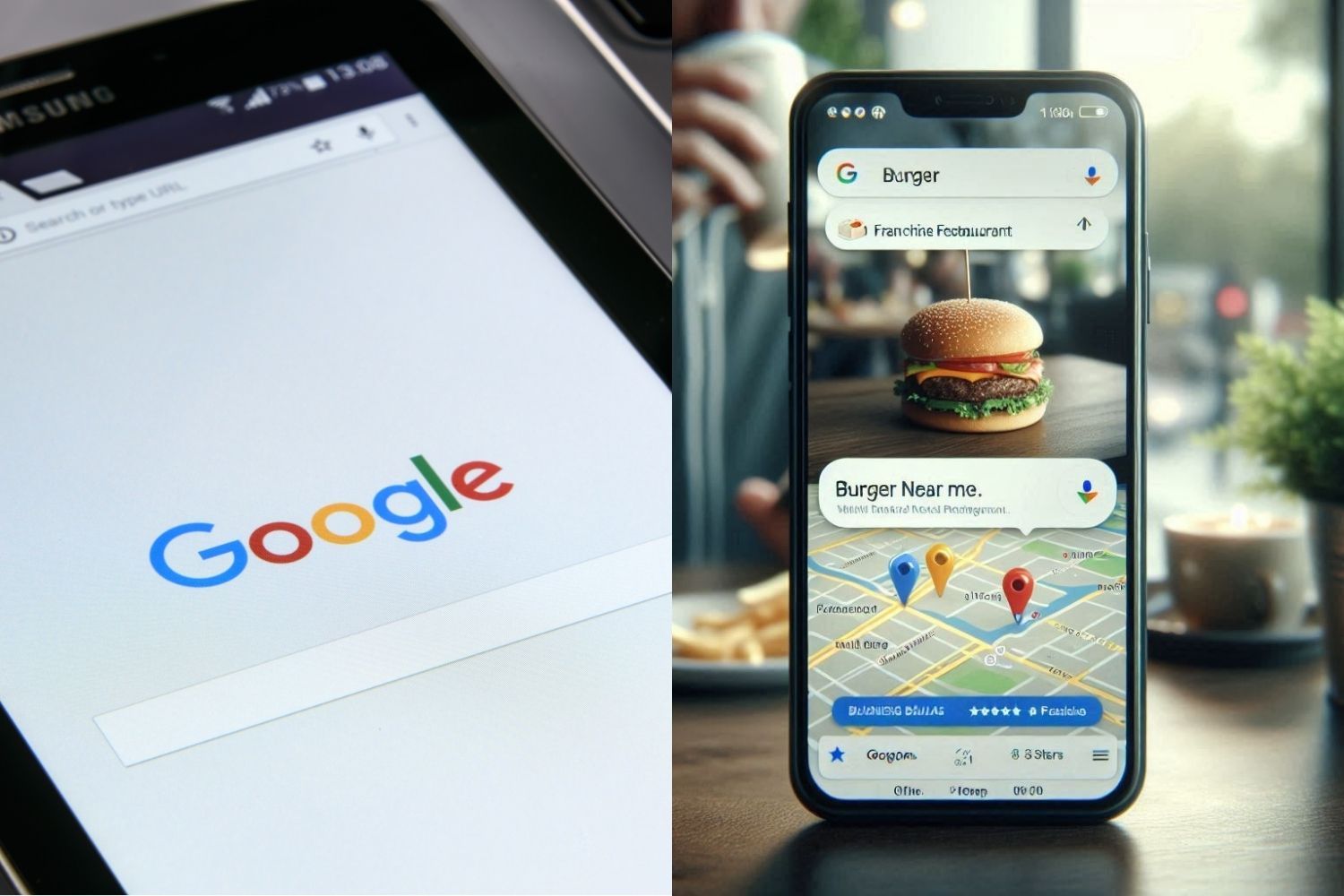
Local SEO focuses on optimizing your franchise location for searches in your specific area. This includes location keywords, Google Maps presence, and proximity-based ranking.
- Use city-specific keywords like “best coffee in Islamabad” on your local website page
- Keep your business name, address, and phone number (NAP) consistent across all platforms
Google Business Profile Optimization
Claiming and optimizing your Google Business Profile is one of the most important steps in local SEO. It helps your outlet appear in Google Maps, shows opening hours, and allows customers to read reviews.
- Add high-quality photos, correct hours, delivery options, and links to your website
- Encourage satisfied customers to leave positive reviews — they boost visibility and trust
How to Rank for “Near Me” and Mobile Searches
Most people search using phrases like “restaurants near me” or “late-night food near me” from mobile devices. Google uses location data and mobile performance to determine which outlets to show first.
- Make sure your site is mobile-friendly, fast, and location-optimized
- Add FAQ content, structured data, and localized titles for higher rankings
CoCo Ichibanya – Local SEO at Scale
CoCo Ichibanya leads in local digital strategy. Its franchise locations often have their own web pages optimized for “near me” searches. Each country’s site is localized — helping boost visibility across different regions and languages.
- Uses SEO-friendly microsites to boost location-based discovery and Google rankings
- Adapts content to local keywords, cuisine preferences, and search behavior
Need SEO That Actually Brings Customers to Your Door?
At Rozzario, we specialize in helping food franchises rank where it matters — on Google, on Maps, and in front of real people looking to eat.
From local SEO strategy and Google Business optimization to high-converting websites, we help franchise owners like you turn online traffic into real customers.
- Get your franchise visible, searchable, and trusted online
- Work with a team that understands the food industry and delivers real growth
Ready to boost your franchise visibility? Contact Rozzario today for a custom SEO and web presence plan built for your location.
Restaurant Technology & Systems You’ll Need
Running a restaurant franchise isn’t just about food — it’s about managing operations efficiently and staying competitive. The right technology helps you save time, reduce errors, and make smarter decisions.
Here are the essential tools every franchise location needs to operate smoothly in 2025.
POS Systems and Payment Platforms
A Point-of-Sale (POS) system is the heart of any modern restaurant. It handles customer orders, payments, receipts, and often connects with inventory and reporting tools. Today’s POS platforms also support mobile payments, QR code menus, and third-party integrations.
- Choose a POS that supports both dine-in and delivery, and syncs with your accounting software
- A reliable payment system speeds up service and reduces checkout mistakes
Inventory and Order Management Tools
Managing food inventory manually is time-consuming and risky. Modern inventory software tracks stock levels, waste, expiration dates, and alerts you when it’s time to reorder.
- Helps reduce food waste, theft, and over-purchasing
- Keeps your supply chain organized and synced with vendor deliveries
Staff Scheduling and Shift Apps
Franchise outlets often operate long hours with rotating staff. Without the right tools, shift planning becomes a daily headache. Staff management software allows you to schedule efficiently, track hours, and manage time-off requests with ease.
- Helps prevent understaffing during peak hours and controls labor costs
- Gives your team clarity and accountability through digital scheduling
Loyalty Programs and CRM Software
Loyalty systems and customer relationship management (CRM) tools help you turn first-time visitors into repeat customers. They store data, track buying habits, and send offers that keep customers coming back.
- Encourage repeat visits through points, rewards, or app-based coupons
- Use CRM insights to run targeted campaigns and personalized promotions
Marketing Support & Local Promotions
Marketing can make or break your franchise — and fortunately, you won’t have to do it all alone. Good franchisors provide national-level marketing, while giving you space to run local campaigns. When done right, this balance helps drive foot traffic, online orders, and brand awareness in your city.
What Franchisors Provide in National Marketing
Most established food franchises run national or regional marketing campaigns. These include TV ads, digital promotions, seasonal offers, influencer collaborations, and app-based deals — all designed to build overall brand visibility.
- You benefit from wide-scale exposure without having to manage it directly
- National campaigns often include shared assets like menu posters, ad templates, and digital creatives
How to Create Buzz in Your Local Area
While national marketing builds brand presence, local promotions create direct impact. You know your city better than anyone — so running area-specific campaigns can help build loyal foot traffic from nearby neighborhoods, schools, offices, or events.
- Launch geo-targeted ads, partner with local delivery apps, or run opening week discounts
- Use flyers, banners, or local sponsorships to increase awareness within walking distance
Influencer Marketing, Loyalty Programs, Events
Small-scale influencer partnerships can bring huge value to local franchises. Inviting micro-influencers, running contests, or sponsoring food festivals can help make your outlet known and shareable.
- Use loyalty apps to offer points, punch cards, or “buy one get one” rewards
- Host small in-store events to attract new customers and build word-of-mouth buzz
Staying On-Brand While Customizing Promotions
Every franchise has marketing guidelines — fonts, tone, logos, colors, and more. It’s important to follow those standards to protect the brand’s identity while still tailoring your message to your local audience.
- Always use franchisor-approved materials and get permission before major edits
- Customize promotions by location or season — but stay true to the brand’s values and image
Lotteria – Localized Promotions Under a National Brand
Lotteria balances national campaigns with local flavor. While HQ handles TV ads and seasonal promos, individual stores can run influencer tie-ins, K-pop collaborations, or special menu events — making the brand relevant and fresh at every outlet.
- Allows local marketing creativity within national guidelines
- Attracts younger demographics with influencer and pop culture alignment
Ready to Take Your Franchise Brand Further?
You’ve seen what it takes to run a successful food franchise — and you don’t have to do it alone.
Rozzario helps restaurant franchise owners build stronger brands, smarter websites, and powerful marketing systems that drive real growth.
Whether you’re launching your first outlet or expanding across cities, we provide:
- Expert branding and visual identity design
- High-converting franchise websites and landing pages
- Targeted SEO and “near me” search visibility
- Localized marketing strategy, design, and digital promotions
Let Rozzario support your growth — professionally, creatively, and strategically. Get in touch now for a custom plan built for your location.
Hiring and Managing a Franchise Team
Behind every successful franchise is a strong, reliable team. Whether you’re running a fast food outlet or a casual café, your staff will shape the customer experience, kitchen performance, and daily operations. Hiring the right people — and managing them well — is critical to long-term success.
Roles You’ll Need: FOH, BOH, Delivery
Most restaurant franchises require a mix of front-of-house (FOH), back-of-house (BOH), and delivery staff. Each role has a direct impact on quality, speed, and customer satisfaction.
- FOH staff include cashiers, hosts, and servers — they interact directly with customers and set the tone
- BOH roles include cooks, prep staff, and dishwashers — they keep food flowing smoothly and safely
Where and How to Find Good Staff
Hiring is one of the biggest early challenges for franchisees. Depending on your location, you’ll need to recruit quickly, train efficiently, and compete with other businesses for talent.
- Use job boards, social media, employee referrals, and local hiring platforms to reach candidates
- Attend local job fairs or work with staffing agencies that understand food industry needs
Staff Training and Daily Management
Once you’ve hired your team, the next step is getting everyone aligned with the brand’s standards. Franchisors typically provide training materials — but it’s up to you to lead and manage daily performance.
- Train all team members on service, safety, cleanliness, and efficiency — not just task execution
- Use checklists, shift briefings, and feedback systems to keep everyone accountable and informed
Building a Performance-Driven Team Culture
A great team doesn’t just follow instructions — they take ownership. As a franchisee, you must build a positive work environment that rewards effort, solves problems, and grows leaders.
- Recognize good performance, offer fair incentives, and promote from within when possible
- Deal with issues early — don’t let negativity or burnout spread among your crew
From Launch Day to Daily Operations
Opening day is a major milestone — but it’s only the beginning. What matters next is how you handle the first few weeks and establish strong daily habits. In franchising, consistency is key. From managing tasks to tracking inventory and building customer loyalty, the way you operate every day shapes your long-term success.
What Happens During the First Week and Month
Your first week is about testing everything in real time — from kitchen workflows to customer service. Expect issues, adjustments, and learning curves. Your first month should focus on stabilizing operations and improving speed, quality, and communication.
- Lean on your franchisor’s support team during this phase — they’ll help you fix early bottlenecks
- Track customer feedback and team performance closely to make informed adjustments
Managing Daily Tasks and Service Quality
Every shift requires structure. Staff must know their responsibilities, timelines, and brand expectations. A strong daily routine avoids chaos and keeps the customer experience consistent.
- Use daily checklists for cleaning, prep, inventory, and opening/closing duties
- Monitor service times, cleanliness, and customer interactions throughout the day
Inventory, Feedback, and Customer Experience
Keeping track of stock, waste, and order accuracy helps you stay profitable. At the same time, customer feedback — whether good or bad — is your best tool for improvement.
- Review inventory reports daily and adjust orders based on real sales, not guesswork
- Encourage online reviews, listen to complaints, and fix service issues quickly
Weekly Routines for Control and Improvement
Beyond the daily rhythm, weekly reviews help you spot trends, correct mistakes, and plan smarter. Set aside time to review staff performance, sales reports, and feedback.
- Hold a weekly team huddle to share wins, set goals, and address any concerns
- Use franchisor reporting tools to track KPIs and identify where improvements are needed
Scaling Up: Multi-Unit Growth Strategy
Many franchise owners don’t stop at one outlet — and neither should you, if the first location is thriving. Scaling into multiple units allows you to grow revenue, build brand presence, and gain influence within the franchise system. But expansion isn’t about speed — it’s about timing, systems, and leadership.
Signs You’re Ready to Expand
Before opening a second outlet, ask yourself if your current store is truly running without your constant involvement. Expansion requires strong systems and a team that can operate independently of you.
- Your first location is profitable, consistent, and managed by a trusted team
- You have the financial stability and mental bandwidth to handle more responsibility
Multi-Unit License Options
Some franchisors allow franchisees to open multiple outlets under a special agreement called a multi-unit or area development license. This lets you expand within a defined region over a set period of time.
- Multi-unit licenses often come with lower per-unit fees and long-term growth incentives
- These agreements include performance timelines — you must open locations on schedule
Delegation, Leadership, and System Duplication
You can’t be everywhere at once. As you scale, your role shifts from operator to leader. This means hiring managers, building a support team, and replicating your systems consistently across all locations.
- Build checklists, SOPs, and training that can be repeated without you
- Empower location managers and hold them accountable with weekly reviews
Barbeque Nation – Regional Expansion Done Right
Barbeque Nation’s buffet model proved scalable beyond Tier-1 cities in India. By issuing area development licenses and supporting regional supply chains, it enabled local operators to open 3–10 units profitably within a defined territory.
- Uses area licenses to let trusted franchisees manage multiple outlets
- Maintains consistency through centralized kitchens and training hubs
Common Mistakes to Avoid

Starting a restaurant franchise gives you a major advantage — but it doesn’t make you immune to failure. Many first-time franchisees fall into avoidable traps. Learning from these mistakes early can save you time, money, and stress down the road.
Overestimating Budget and Underestimating Training
New owners often focus too much on the visible costs — fees, rent, buildout — and forget about cash flow, working capital, and staff readiness. They also assume franchisor training is enough and skip local team development.
- Always keep a buffer for 6–9 months of operating costs, especially during early months
- Invest time in staff onboarding, daily coaching, and brand-specific service expectations
Choosing the Wrong Location or Franchise
Choosing a franchise based only on trend or name recognition — without matching it to your market — can lead to poor performance. The same applies to picking a location based on cheap rent or availability, not actual demand.
- Study your local audience and competitors before signing a lease
- Make sure the franchise brand fits your target city’s culture, habits, and price sensitivity
Breaking Brand Standards or Poor Customer Service
Some franchisees try to cut corners, skip training, or alter store procedures to “save time” — but this breaks trust and damages the brand. Inconsistent customer service also turns repeat buyers into one-time visitors.
- Always follow the franchisor’s guidelines for food quality, store layout, and staff behavior
- Train your team to deliver consistent, friendly service that reflects the brand’s values
Ignoring Local Demand and Trends
Just because a brand is successful nationally doesn’t guarantee it will work everywhere. Local tastes, lifestyles, and habits matter — especially in food and service.
- Track local sales data and feedback to adjust staffing, promotions, and hours
- Don’t rely only on the franchisor — take ownership of adapting your outlet to your city’s needs
Final Thoughts: Are You Ready to Franchise?
You’ve now explored every stage of starting a restaurant franchise — from selecting the right model to managing operations, branding, hiring, and scaling. But before you move forward, it’s important to pause and ask: Am I ready to take this on — for real?
Franchising gives you systems, support, and brand power. But it also requires commitment, patience, and the willingness to lead from the front. Let’s recap and check if you’re truly ready.
Summary of Everything Covered
We’ve walked through every key part of opening a food franchise in 2025 — all with one goal: to help you launch with clarity and confidence.
- You now understand franchise models, costs, marketing, daily operations, and technology
- You’ve learned how to avoid beginner mistakes and how to evaluate brands properly
Traits of Successful Franchisees
Franchise success depends more on mindset than money. The best-performing franchisees aren’t just investors — they’re operators, problem-solvers, and brand stewards.
- They follow systems, train consistently, and stay disciplined — even when busy
- They know how to lead teams, take feedback seriously, and stay in touch with local market needs
A Checklist Before Reaching Out to Franchisors
Before filling out any application, make sure you’re clear on a few non-negotiables. You’ll be making a long-term commitment — and good franchisors will only partner with people who are ready to run.
| Question to Ask Yourself | Yes / No |
| Do I have at least 6–9 months of working capital? | ☐ / ☐ |
| Have I researched 3+ brands and markets? | ☐ / ☐ |
| Am I ready to manage staff, training, and daily operations? | ☐ / ☐ |
| Do I understand the franchise agreement and fees clearly? | ☐ / ☐ |
| Am I prepared to follow systems and uphold brand standards? | ☐ / ☐ |
If your answers in yes — or even almost — then you’re closer than ever to building something real.
Frequently Asked Questions (FAQ)
How much does it cost to open a restaurant franchise in 2025?
Costs typically range from $50,000 to $300,000 depending on the brand, location, and format.
What are the most profitable restaurant franchises?
Fast food, coffee, and delivery-focused franchises like McDonald’s, Domino’s, and Starbucks lead profitability due to high volume and strong brand trust.
Can I open a franchise with low investment?
Yes, food truck franchises and kiosk models start as low as $15,000–$30,000 depending on the region.
Is franchising better than starting my own restaurant?
For first-time owners, franchising offers lower risk, proven systems, and stronger brand recognition.
How long does it take to launch a franchise location?
Most outlets take 2–4 months from lease signing to launch, depending on buildout and approvals.
Do I need restaurant experience to buy a franchise?
Not always — many franchisors provide full training for owners with no F&B background.
What support do franchisors provide after opening?
Ongoing support includes marketing, operational audits, training refreshers, and help desks for daily challenges.
Partner with Rozzario
If you’re ready to launch your restaurant franchise — or scale it with confidence — Rozzario is here to support you every step of the way.
We specialize in:
- Franchise-ready branding and visual identity
- Custom-built websites with integrated SEO and ordering
- Local and national-level marketing support tailored to your location
Let’s turn your franchise vision into a real, lasting brand.
Contact Rozzario today for a free consultation.
