
In the rapidly evolving digital landscape, businesses are constantly seeking innovative ways to connect with their audience, build brand awareness, and drive growth. Content marketing has emerged as a powerful strategy to achieve these goals, playing a pivotal role in the success of modern businesses. This article explores the multifaceted role of content marketing in business success, highlighting its importance, key components, and strategies for effective implementation.

Understanding Content Marketing
Definition and Core Principles
Content marketing is a strategic approach focused on creating, distributing, and promoting valuable, relevant, and consistent content to attract and retain a clearly defined audience. Unlike traditional advertising, which often interrupts the audience with promotional messages, content marketing seeks to provide useful information and build a relationship with potential customers.
The Evolution of Content Marketing
Content marketing has evolved significantly over the past few decades. From simple blog posts and newsletters to sophisticated multimedia campaigns, the approach has adapted to changing consumer behaviors and technological advancements. Today, businesses leverage a variety of content formats, including videos, podcasts, infographics, and social media posts, to engage their audience.
The Importance of Content Marketing in Business Success

Building Brand Awareness and Authority
Content marketing is essential for building brand awareness and establishing authority in a particular industry. By consistently producing high-quality content that addresses the needs and interests of their target audience, businesses can position themselves as thought leaders and trusted sources of information.
Driving Organic Traffic and SEO
Search engine optimization (SEO) is a critical aspect of content marketing. Well-optimized content helps businesses rank higher in search engine results, driving organic traffic to their websites. By incorporating relevant keywords, creating engaging headlines, and providing valuable insights, businesses can attract more visitors and convert them into loyal customers.
Enhancing Customer Engagement and Loyalty
Engaging content fosters deeper connections with customers. Through informative blog posts, entertaining videos, and interactive social media campaigns, businesses can keep their audience engaged and encourage them to return for more. This ongoing engagement builds customer loyalty and increases the likelihood of repeat purchases.
Generating Leads and Conversions
Content marketing is a powerful tool for lead generation and conversion. By offering valuable content in exchange for contact information, businesses can build a database of potential customers. Additionally, well-crafted content can guide prospects through the sales funnel, addressing their pain points and providing solutions, ultimately leading to conversions.
Key Components of an Effective Content Marketing Strategy
Understanding Your Audience
The foundation of any successful content marketing strategy is a deep understanding of the target audience. Businesses need to identify their audience’s demographics, interests, and pain points to create content that resonates with them. This can be achieved through market research, surveys, and data analysis.
Setting Clear Goals and Objectives
Setting clear, measurable goals is crucial for the success of a content marketing strategy. Whether the aim is to increase website traffic, generate leads, or boost brand awareness, having specific objectives allows businesses to track their progress and adjust their strategies accordingly.
Creating High-Quality Content
High-quality content is the cornerstone of content marketing. It should be informative, engaging, and relevant to the audience’s needs. Businesses should focus on producing a variety of content types, such as blog posts, videos, infographics, and podcasts, to cater to different preferences and consumption habits.
Leveraging Multiple Channels
To maximize the reach and impact of their content, businesses should leverage multiple channels for distribution. This includes their website, social media platforms, email newsletters, and third-party websites. Each channel has its unique strengths and can help businesses connect with different segments of their audience.
Measuring and Analyzing Performance
Regularly measuring and analyzing the performance of content marketing efforts is essential for continuous improvement. Businesses should track key metrics such as website traffic, engagement rates, lead generation, and conversion rates to understand what is working and what needs adjustment.
Strategies for Effective Content Marketing
Developing a Content Calendar
A content calendar is a valuable tool for planning and organizing content marketing activities. It helps businesses maintain a consistent posting schedule, ensuring that they regularly publish fresh and relevant content. Additionally, a content calendar allows for better coordination across different teams and channels.
Utilizing SEO Best Practices
Incorporating SEO best practices into content creation is vital for improving search engine rankings and driving organic traffic. This includes conducting keyword research, optimizing on-page elements such as titles and meta descriptions, and building high-quality backlinks.
Embracing Visual Content
Visual content, such as images, videos, and infographics, is highly effective in capturing audience attention and conveying information quickly. Businesses should incorporate visual elements into their content strategy to enhance engagement and shareability.
Implementing Content Repurposing
Content repurposing involves taking existing content and adapting it for different formats or channels. For example, a blog post can be turned into a video, an infographic, or a series of social media posts. This approach maximizes the value of each piece of content and extends its reach.
Engaging with the Audience
Active engagement with the audience is crucial for building relationships and fostering loyalty. Businesses should respond to comments, answer questions, and participate in conversations on social media. This not only strengthens the connection with the audience but also provides valuable insights into their preferences and needs.
Collaborating with Influencers and Partners
Partnering with influencers and industry experts can significantly amplify the reach and impact of content marketing efforts. Influencers have established credibility and large followings, making them valuable allies in promoting content and reaching new audiences.
Case Studies: Successful Content Marketing Campaigns
Red Bull’s Content Marketing Strategy
Red Bull is a prime example of a brand that has successfully leveraged content marketing to build a global empire. Through its Red Bull Media House, the company produces a wide range of content, including extreme sports videos, documentaries, and magazines. By aligning its content with its brand identity and target audience, Red Bull has created a loyal community of followers and significantly increased its market share.
HubSpot’s Inbound Marketing Approach
HubSpot, a leading provider of inbound marketing software, has effectively used content marketing to drive business success. The company offers a wealth of valuable resources, such as blog posts, ebooks, webinars, and online courses, to educate and empower its audience. This content not only attracts potential customers but also establishes HubSpot as an authority in the marketing industry.
GoPro’s User-Generated Content
GoPro, the action camera manufacturer, has built a thriving community by encouraging its customers to share their adventures through user-generated content. By featuring customer videos and photos on its website and social media channels, GoPro not only showcases the capabilities of its products but also fosters a sense of belonging and engagement among its users.
Challenges and Solutions in Content Marketing
Overcoming Content Saturation
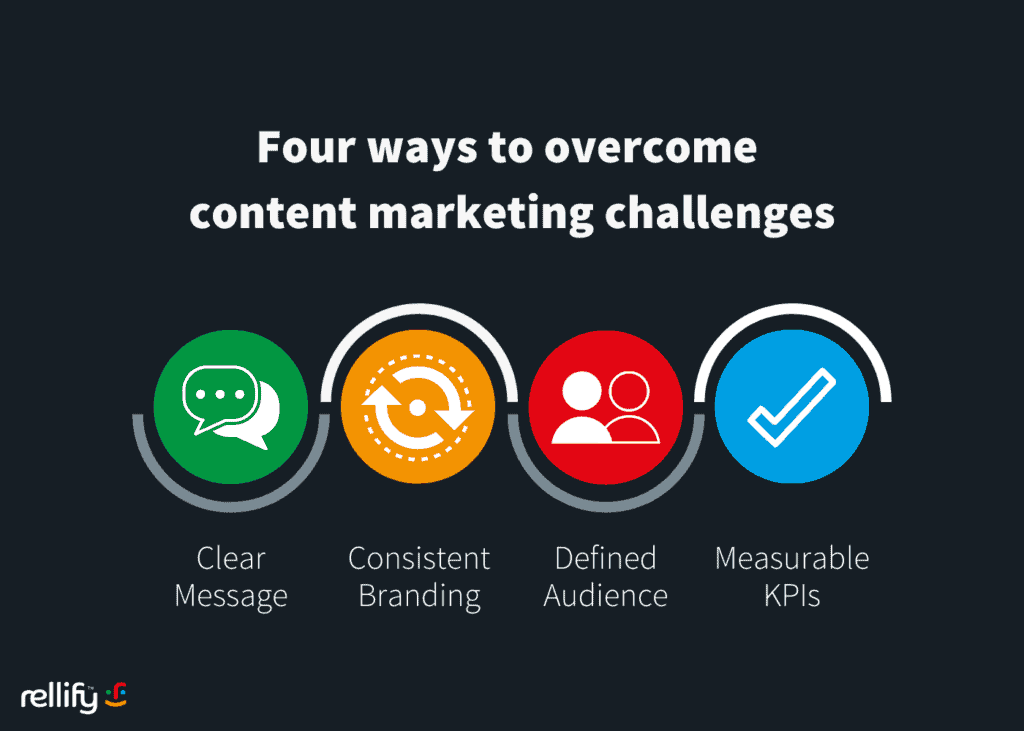
In today’s digital age, consumers are bombarded with a constant stream of content. To stand out in this saturated environment, businesses need to focus on creating unique, high-quality content that offers real value to their audience. Additionally, leveraging data and analytics can help identify the most effective content types and distribution channels.
Maintaining Consistency and Quality
Consistency and quality are critical for the success of a content marketing strategy. Businesses should establish clear guidelines and processes for content creation, review, and publication. This ensures that all content aligns with the brand’s voice and meets the audience’s expectations.
Adapting to Changing Trends
The digital landscape is continuously evolving, with new platforms, technologies, and consumer behaviors emerging regularly. Businesses need to stay agile and adapt their content marketing strategies to keep pace with these changes. This may involve experimenting with new content formats, leveraging emerging social media platforms, and staying informed about industry trends.
Measuring ROI
Measuring the return on investment (ROI) of content marketing can be challenging, as the impact is often long-term and indirect. However, businesses can use a combination of quantitative and qualitative metrics to assess the effectiveness of their efforts. This includes tracking website traffic, engagement rates, lead generation, and customer feedback.
The Future of Content Marketing
Embracing Artificial Intelligence and Automation
Artificial intelligence (AI) and automation are poised to revolutionize content marketing. AI-powered tools can help businesses create personalized content, optimize SEO, and analyze performance data more efficiently. Automation can streamline content distribution and engagement, allowing businesses to focus on strategy and creativity.
Focusing on Authenticity and Transparency
As consumers become more discerning, authenticity and transparency will play a crucial role in content marketing success. Businesses need to prioritize genuine storytelling, ethical practices, and open communication to build trust and credibility with their audience.
Integrating Interactive and Immersive Content
Interactive and immersive content, such as augmented reality (AR), virtual reality (VR), and interactive infographics, is gaining traction in the content marketing landscape. These formats provide unique and engaging experiences, capturing audience attention and driving deeper engagement.
Prioritizing User Experience
User experience (UX) will continue to be a key factor in content marketing. Businesses should focus on creating content that is not only valuable but also easy to access, navigate, and consume. This includes optimizing website design, improving mobile responsiveness, and ensuring fast loading times.
Conclusion
Content marketing is a vital component of modern business success, offering a powerful means to connect with audiences, build brand authority, and drive growth. By understanding the core principles, implementing effective strategies, and staying agile in a constantly evolving landscape, businesses can harness the full potential of content marketing to achieve their goals. As technology advances and consumer behaviors shift, the role of content marketing will continue to evolve, presenting new opportunities for businesses to innovate and thrive.
