
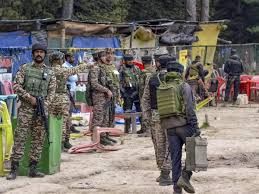
The Pahalgam Attack: A Blow to the Kashmir Narrative
The recent devastating terrorist attack in Pahalgam, Kashmir, resulting in 26 civilian deaths, has profoundly shaken India, prompting a swift and intense political response. Prime Minister Narendra Modi’s narrative of a peaceful, stable Kashmir has been significantly challenged, with widespread criticism of security protocols and regional stability.
Doubts Over Intentions: Self-Attacks and Political Timing
However, doubts have emerged regarding the timing and motivations behind such attacks, raising questions about India’s frequent pattern of blaming Pakistan, particularly during election cycles or sensitive communal episodes. Critics argue that these repeated accusations might be strategically used to rally nationalist sentiments, deflect domestic criticism, and consolidate political power.
The Indus Water Treaty Suspension: Political Leverage?
In immediate reaction, India announced the suspension of the Indus Water Treaty, a crucial agreement brokered by the World Bank in 1960 to regulate water sharing between India and Pakistan. The timing of this suspension, coinciding with heightened communal tensions and electoral dynamics, further fuels suspicions about India’s true intentions. Observers question whether the treaty is being used as leverage in a broader political game rather than genuine security concerns.
Bollywood’s Troubled Reflection: Aryan Kapoor’s Arrest
Further complicating matters, Bollywood actor Aryan Kapoor was recently arrested for using racially charged slogans against police officers during a protest in Mumbai. Kapoor’s incident attracted international media attention, raising concerns about rising intolerance and communal discord within India’s cultural heartland.
Khalistani Assassinations: A Blow to International Reputation
Adding to India’s diplomatic challenges, the recent assassinations of prominent Khalistani activists in Canada have cast a harsh spotlight on India’s international image. Canadian authorities have suggested the involvement of foreign elements, implicitly referencing possible links to Indian agents, significantly straining Indo-Canadian relations. Such allegations further intensify questions around India’s international conduct and geopolitical strategy.
Economic Setbacks: Basmati Rice GI Rights Dispute
On the economic front, India’s prestigious claim to exclusive Geographical Indication rights for Basmati rice has faced setbacks, with countries like New Zealand granting recognition to Pakistan’s competing claim. This development has economically and symbolically dented India’s stance on global agricultural markets.
Shifting Geopolitics: U.S.-Pakistan F-16 Deal
Internationally, the U.S. decision to unfreeze a significant F-16 fighter jet deal with Pakistan has further compounded India’s geopolitical anxieties. This reversal in U.S. policy, especially amid heightened Indo-Pakistan tensions following the Pahalgam tragedy, has sparked concerns within India about its strategic position.
Domestic Polarization: Modi’s Rhetoric Under Scrutiny
Domestically, Modi’s administration faces scrutiny over its repeated reliance on communal rhetoric during election campaigns, intensifying societal divisions. Critics accuse the government of fostering religious intolerance, potentially fueling violence and undermining India’s democratic foundations.
A Complex and Troubled Landscape
Collectively, these developments paint a complex picture of India’s current political, diplomatic, and cultural challenges, underscoring the urgent need for strategic recalibration both domestically and internationally. The repeated use of Pakistan as a scapegoat during politically sensitive periods raises significant concerns about the credibility and sincerity of India’s stated positions, warranting deeper scrutiny from international observers and domestic critics alike.
