
Introduction: The Dawn of Augmented Reality in Marketing
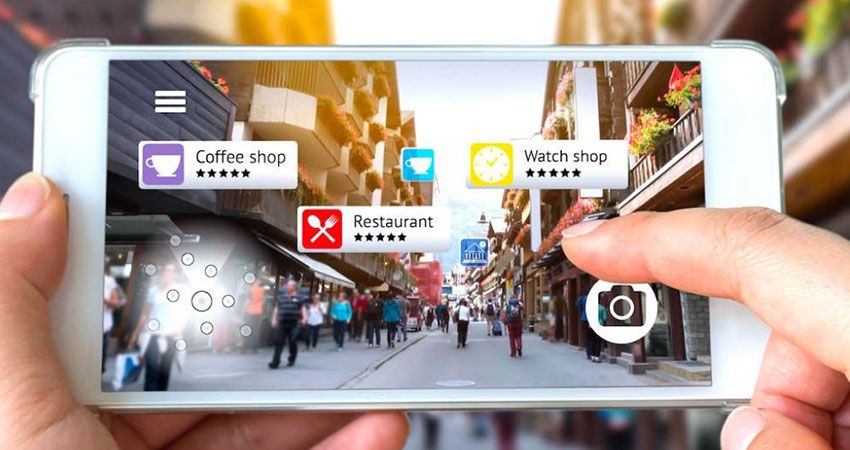
Augmented Reality (AR) has evolved from a niche technology into a transformative force in marketing. By layering digital information over the real world, AR offers brands a unique way to engage consumers and create memorable experiences. This technology not only enhances customer interactions but also opens new avenues for creativity and innovation in marketing strategies. In this guide, we’ll delve into how AR can be effectively utilized in marketing, explore innovative applications, and provide practical insights for leveraging this dynamic technology to elevate your brand.
The Power of Augmented Reality: Why It Matters
Bridging the Gap Between Physical and Digital Worlds
Augmented Reality seamlessly integrates the digital world with the physical one, allowing consumers to interact with brands in a way that was previously impossible. This integration creates a more engaging and interactive experience, fostering a deeper connection between consumers and brands.
Enhancing Consumer Experience with Interactive Engagement
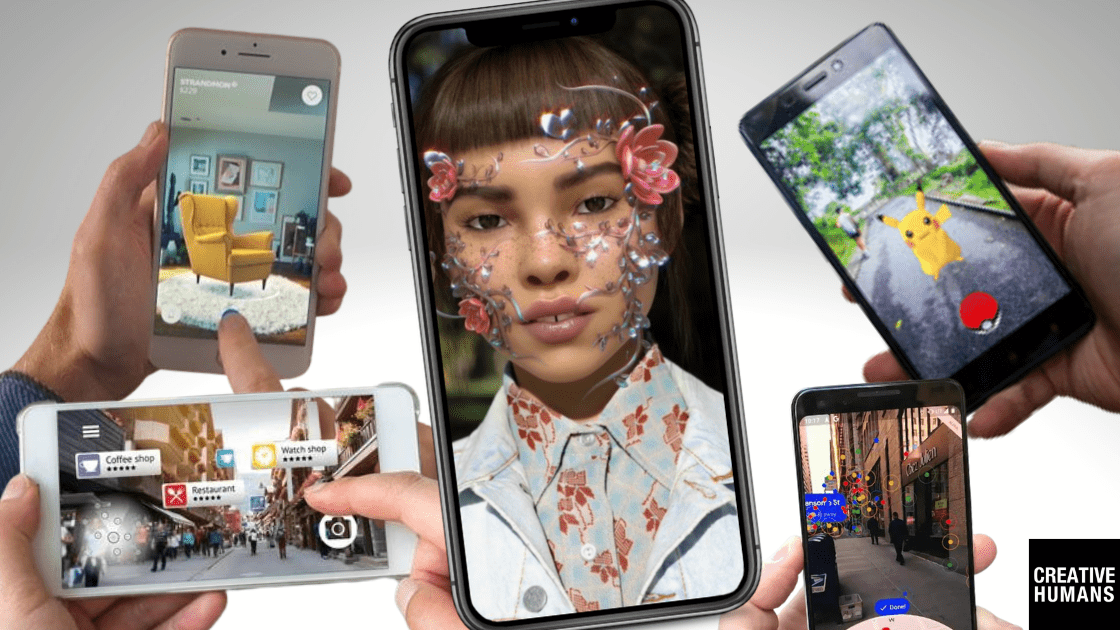
AR allows for interactive experiences that go beyond traditional marketing methods. Whether it’s trying on virtual clothes, visualizing how furniture will look in a room, or participating in gamified brand experiences, AR can make the consumer experience more engaging and personalized.
Innovative Ways to Implement AR in Marketing
1. Virtual Try-Ons: Revolutionizing the Retail Experience
Transforming E-Commerce with Virtual Fitting Rooms
Retailers are leveraging AR to create virtual fitting rooms where customers can try on clothes, accessories, or makeup without physically being in the store. Brands like Warby Parker and L’Oreal have successfully implemented AR to allow customers to virtually try on glasses and makeup, respectively. This not only enhances the shopping experience but also reduces the likelihood of returns.
Creating Immersive In-Store Experiences
In physical stores, AR can be used to create interactive displays and virtual try-ons that engage customers in new ways. For instance, a cosmetics store might use AR mirrors to allow customers to see how different makeup products look on their face before making a purchase.
2. AR-Enhanced Advertising: Captivating Campaigns
Bringing Print Media to Life
AR can transform static print media into interactive experiences. By scanning a magazine ad or a billboard with a mobile device, consumers can unlock videos, animations, or additional product information. This not only makes the ad more engaging but also provides a memorable experience that can increase brand recall.
Creating Interactive Outdoor Ads
Outdoor advertising can also benefit from AR. Imagine a billboard that comes to life when viewed through an AR app, providing dynamic content such as 3D animations or interactive elements. This type of innovative advertising can capture attention and generate buzz around a brand.
3. AR in Product Demonstrations: Showcasing Features in 3D
Visualizing Products in Real Life
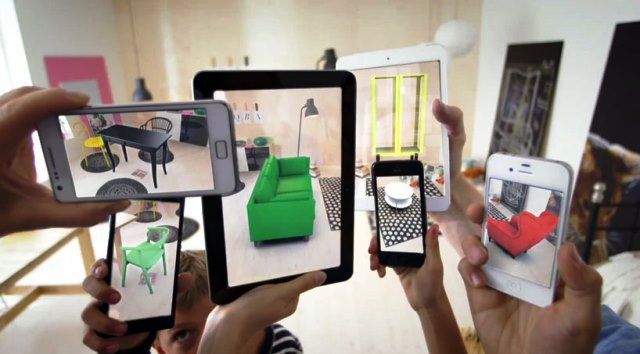
AR allows consumers to see how a product will fit into their lives before making a purchase. Furniture retailers like IKEA use AR to let customers visualize how furniture will look in their own homes. This can be especially useful for products that are difficult to understand through images alone.
Enhancing Product Demos with Interactive Features
For tech products or complex items, AR can provide detailed demonstrations and highlight features that might be missed in traditional marketing. For example, a company selling a new kitchen appliance could use AR to show how the appliance works and its different functions in a virtual kitchen setting.
4. Gamification and AR: Engaging Customers through Play
Creating AR Games and Challenges
Gamification can make marketing campaigns more engaging by incorporating AR-based games or challenges. Brands can create scavenger hunts, interactive puzzles, or location-based challenges that encourage customers to interact with their brand in a fun and memorable way.
Leveraging AR for Brand Loyalty Programs
AR can also enhance loyalty programs by offering exclusive content or rewards through interactive experiences. For example, customers who visit a store might unlock AR-based games that offer discounts or special offers when they complete certain tasks or challenges.
Best Practices for Implementing AR in Marketing
1. Prioritize User Experience: Ensure Seamless Integration
When implementing AR, it’s crucial to prioritize the user experience. The AR experience should be intuitive, easy to use, and seamlessly integrated into the existing marketing strategy. Test the AR application thoroughly to ensure it works well across different devices and environments.
2. Focus on Value: Provide Meaningful Interactions
AR experiences should offer real value to the consumer. Whether it’s by providing useful information, enhancing the shopping experience, or offering entertainment, the AR content should be relevant and meaningful to your target audience.
3. Measure and Analyze: Track Performance and Adjust
As with any marketing strategy, it’s important to measure the effectiveness of your AR campaigns. Use analytics tools to track engagement, conversions, and user feedback. This data will help you understand what works and what doesn’t, allowing you to refine your approach and improve future campaigns.
4. Stay Updated: Keep Up with AR Trends and Technologies
AR technology is rapidly evolving, and staying updated with the latest trends and advancements is essential. Regularly review new AR developments and consider how they can be incorporated into your marketing strategy to stay ahead of the competition.
Case Studies: Successful AR Marketing Campaigns
1. IKEA Place: Transforming Furniture Shopping
IKEA’s AR app, IKEA Place, allows users to visualize how furniture will look in their home using their mobile device. This innovative use of AR has helped customers make more informed purchasing decisions and has been a significant factor in IKEA’s e-commerce success.
2. Pepsi Max: A Revolutionary Bus Shelter Ad
Pepsi Max created an AR campaign where a bus shelter was transformed into a futuristic experience with 3D animations and interactive elements. This campaign garnered significant attention and positive feedback, demonstrating the impact AR can have on traditional advertising formats.
3. Sephora Virtual Artist: Enhancing Beauty Purchases
Sephora’s Virtual Artist app uses AR to allow customers to try on makeup virtually. This not only enhances the shopping experience but also helps reduce the risk of product returns, as customers can see how the products look on their own skin before purchasing.
Future of AR in Marketing: What Lies Ahead
1. Increasing Personalization: Tailoring AR Experiences
The future of AR in marketing will likely see a greater emphasis on personalization. With advancements in AI and data analytics, AR experiences will become more tailored to individual preferences, providing a more personalized and engaging experience for consumers.
2. Integration with Other Technologies: A Unified Experience
AR will increasingly be integrated with other emerging technologies such as AI, VR, and IoT. This integration will create a more cohesive and immersive experience, offering new opportunities for marketers to connect with their audience in innovative ways.
3. Expanding Accessibility: Making AR More Widely Available
As AR technology becomes more accessible and affordable, its use in marketing will continue to grow. Marketers will need to explore creative ways to leverage AR across various platforms and devices to reach a broader audience.
Conclusion: Embracing the AR Revolution in Marketing
Augmented Reality is no longer just a futuristic concept; it’s a powerful tool that can transform marketing strategies and create memorable experiences for consumers. By leveraging AR for virtual try-ons, interactive advertising, product demonstrations, and gamified experiences, brands can enhance engagement, drive conversions, and build stronger connections with their audience.
As AR technology continues to evolve, staying ahead of trends and focusing on delivering valuable and seamless experiences will be key to successful AR marketing. Embrace the potential of AR and watch your marketing efforts reach new heights.
