

Starting an online tutoring service in 2025 is an exciting venture, tapping into the continuously growing e-learning industry. With increasing demand for personalized, flexible education, online tutoring offers a promising path for educators and entrepreneurs alike. This guide walks you through every essential step—from understanding the market to setting up your platform and scaling your business.
Let’s dive into the basics and explore how you can create a successful online tutoring service that meets the needs of modern students.
Understanding the Online Tutoring Industry in 2025

Overview of the Online Tutoring Market Growth
The online tutoring industry has expanded tremendously over the past few years. With technology enhancing accessibility and convenience, more students and parents are choosing online tutoring as an effective learning solution. Industry reports predict consistent growth, with the global online tutoring market expected to reach billions in value by 2025. This surge is driven by factors such as:
- Increased internet access and digital literacy across all demographics
- Growing acceptance of online education as effective and convenient
- Advancements in educational technology, including AI-driven personalized learning
As you enter this dynamic industry, understanding these trends can help you position your business strategically.
Key Trends Shaping Online Education in 2025
In 2025, several key trends will continue to influence online education:
- Artificial Intelligence (AI) and Machine Learning: AI is revolutionizing online education with personalized learning paths and assessments. AI-driven tools can help tutors provide customized lessons, track progress, and offer feedback tailored to each student’s needs.
- Gamification in Learning: Gamification is gaining popularity as a way to make learning more interactive and enjoyable. By incorporating game-like elements, such as quizzes and badges, tutors can increase student engagement and motivation.
- Microlearning: As students’ attention spans shorten, microlearning—delivering information in bite-sized lessons—has become an effective way to teach complex topics without overwhelming students. Many online tutors are adopting this method to enhance learning retention.
- Focus on Soft Skills: Online tutoring services are now catering to non-academic skills such as communication, time management, and emotional intelligence. With a rising interest in holistic education, offering tutoring services beyond traditional subjects can differentiate your business.
Benefits of Starting an Online Tutoring Business
If you’re considering launching an online tutoring business, here are some compelling benefits:
- Low Startup Costs: Compared to traditional tutoring, an online setup requires minimal investment in physical space, allowing you to save on overhead costs.
- Flexibility and Convenience: As an online tutor, you can work from anywhere, schedule sessions at times that suit you and your students, and reach students globally.
- Scalability: Online tutoring offers the opportunity to expand into various niches, reach different demographics, and even employ other tutors as your business grows.
- High Demand: The need for quality online education continues to rise. From school students to adults seeking new skills, an online tutoring service can cater to diverse learning needs.
Researching Your Niche and Target Audience

Choosing a Profitable Tutoring Niche
One of the first steps in building a successful online tutoring business is identifying your niche. A well-chosen niche can help you stand out in the competitive tutoring market. Some profitable niches include:
- Academic tutoring for popular subjects (e.g., Math, Science, English)
- Test preparation (e.g., SAT, ACT, GMAT, GRE)
- Language learning (e.g., English as a second language, Spanish, Mandarin)
- Coding and digital skills (e.g., programming, data science, digital marketing)
- Soft skills development (e.g., public speaking, leadership, time management)
Conduct market research to determine which niches are most in-demand and under-served. Consider your expertise and interest, as teaching a subject you’re passionate about can lead to more satisfied students and better results.
Identifying Your Ideal Student Profile
To attract the right students, you need to understand who they are and what they need. Building a detailed student profile can help guide your marketing, content, and teaching approach. Consider the following characteristics:
- Age group: Are they school-aged children, college students, or adult learners?
- Skill level: Are they beginners, intermediates, or advanced students?
- Learning goals: Do they need help with school exams, skill development, or career advancement?
- Learning preferences: Do they prefer one-on-one sessions, group classes, or self-paced courses?
By defining your ideal student, you can tailor your service and marketing efforts to attract a loyal customer base.
Analyzing Competitors in Online Tutoring
Competitor research is a vital step in identifying opportunities and differentiating your business. Start by analyzing successful online tutoring platforms and independent tutors within your chosen niche. Here are some factors to consider:
- Pricing structure: Look at how competitors set their rates for various tutoring services. This will help you establish competitive pricing while ensuring profitability.
- Service offerings: Explore what services they provide, such as one-on-one sessions, group classes, or homework help. Look for gaps in their offerings that you could fill.
- Customer feedback: Read reviews to understand what students like and dislike about their current options. Use this insight to refine your offerings and improve student satisfaction.
Through competitor analysis, you can gain insights into the strengths and weaknesses of existing services, allowing you to craft a unique and competitive business model.
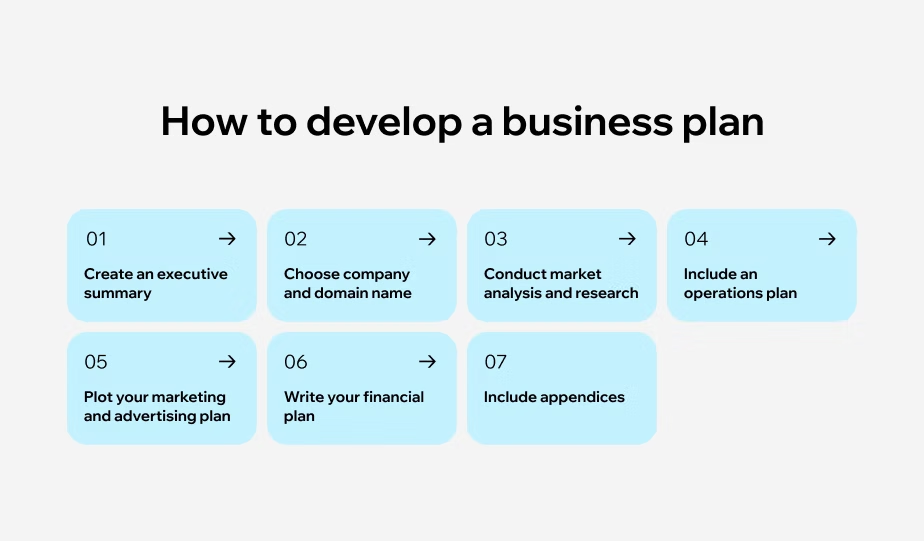
Creating a Business Plan for Your Tutoring Service
A business plan is your roadmap for launching and growing a successful online tutoring service. It helps you set clear goals, map out financials, and define a strategy for scaling your business. Here’s a step-by-step guide to creating an effective business plan for your tutoring service.
Setting Business Goals and Objectives
Your business goals and objectives provide a clear vision of what you aim to achieve. Start by setting both short-term and long-term goals, focusing on measurable outcomes. Examples of business goals for an online tutoring service include:
- Short-term goals:
- Launch the website and complete initial marketing setup
- Acquire your first 10 clients within the first three months
- Generate a monthly revenue of $1,000 within six months
- Long-term goals:
- Expand your services to additional subjects or regions
- Hire other tutors to increase your service capacity
- Reach $10,000 in monthly revenue within two years
Define these goals early on to provide direction and track your progress as you grow.
Defining Your Unique Selling Proposition (USP)
A Unique Selling Proposition (USP) is what sets your tutoring service apart from the competition. It’s the “why” behind why students should choose your service over others. Here are a few ways to create a strong USP:
- Specialized Expertise: Offer a unique or in-demand subject area, such as advanced math or test prep for specific exams.
- Personalized Tutoring: Focus on highly tailored sessions that adapt to each student’s learning style and goals.
- Flexible Scheduling: Provide evening or weekend classes to accommodate busy schedules.
Your USP should reflect what makes your service unique and resonate with your target audience’s needs.
Developing a Financial Plan and Budget
An accurate financial plan is essential for determining your startup costs, operational expenses, and revenue projections. Here are some steps to build a realistic financial plan:
- Estimate Startup Costs: Calculate the expenses required to launch, including website design, licensing fees, marketing costs, and software or tools.
- Identify Recurring Expenses: Include costs like software subscriptions, platform fees, payment processing, and any potential advertising or marketing expenses.
- Set Pricing for Your Services: Determine your hourly rates or package pricing based on competitor analysis and desired profit margins. Be sure to cover all operational costs while remaining competitive.
- Calculate Revenue Projections: Project how much revenue you’ll generate based on your expected number of students and pricing. This will help you forecast profitability and manage cash flow effectively.
Legal Requirements and Setting Up Your Business
Establishing your online tutoring business legally is essential for protecting your brand and ensuring compliance with local regulations. Follow these steps to get your business up and running.

Registering Your Online Tutoring Business
Registering your business is one of the first legal steps to take. This step formalizes your business and protects your brand name. In most cases, you’ll need to:
- Choose a business name that reflects your tutoring service and aligns with your branding.
- Register your business name with your country’s business registry or relevant governing body.
Once registered, you’ll receive a unique identifier or registration number, which will be essential for filing taxes and opening business bank accounts.
Choosing a Business Structure (LLC, Sole Proprietorship, etc.)
Selecting the right business structure is critical for managing liability and tax obligations. Common structures for an online tutoring business include:
- Sole Proprietorship: This is the simplest structure, ideal for single-owner businesses. However, it does not offer liability protection, meaning your personal assets are at risk if the business incurs debt.
- Limited Liability Company (LLC): An LLC provides liability protection, separating your personal and business assets. It’s a popular choice for small online businesses.
- Partnership: If you’re starting the business with one or more co-founders, a partnership may be appropriate. Partnerships divide ownership, liability, and profits based on the partners’ agreement.
Consult a business advisor or legal expert to choose the structure that best suits your needs and minimizes risks.
Understanding Tax and Licensing Requirements
Running an online tutoring business may require specific licenses or permits, depending on your location and the subjects you teach. Check with local authorities to ensure compliance with tax and licensing regulations. Here are some areas to consider:
- Business Licenses: Some regions require online businesses to obtain a general business license.
- Sales Tax and VAT: If you’re offering services internationally, you may need to understand VAT or sales tax regulations in various countries.
- Income Tax Filing: Track income and expenses for tax purposes. In many cases, a registered business requires quarterly or annual tax filings.
Privacy and Data Protection for Online Tutors
Data privacy is crucial in online tutoring since you’ll handle sensitive student information. Make sure to:
- Comply with GDPR or other data protection laws if you have students from the European Union or other regulated areas.
- Implement a secure payment system and encrypt data to protect your clients’ information.
- Create a privacy policy that clearly outlines how you collect, store, and use student data.
Staying compliant with privacy laws can help build trust with students and avoid legal complications.
Building Your Online Tutoring Platform
Creating a robust and user-friendly platform is crucial for delivering high-quality tutoring services. This section covers the software, tools, and essential features needed to build a reliable online tutoring platform.
Selecting the Right Software and Tools
Choosing the right software and tools is foundational for running a successful online tutoring business. Here are some popular options and considerations:
- Video Conferencing Tools: Zoom, Google Meet, and Microsoft Teams are popular choices, offering features like screen sharing and whiteboards.
- Learning Management Systems (LMS): Platforms like Moodle and Canvas are ideal for structured course management, enabling you to organize courses, track student progress, and provide assessments.
- Scheduling Software: Tools like Calendly or Acuity simplify booking, reducing scheduling conflicts and keeping sessions organized.
- Payment Gateways: Services like Stripe, PayPal, and Square enable secure online payments, helping you streamline transactions.
Website Development: Creating a Professional Online Presence
A professional website is often the first impression your tutoring business makes. Here’s how to build a site that attracts and retains students:
- Domain and Hosting: Choose a domain name that reflects your business (e.g., “YourNameTutoring.com”). Use reliable hosting providers like Bluehost or SiteGround to ensure uptime and fast load speeds.
- User-Friendly Design: A clean, easy-to-navigate website design is crucial. Include a homepage, services page, about page, contact form, and booking options for easy access.
- SEO Optimization: Optimize each page with keywords like “online tutoring,” “virtual tutoring sessions,” and “tutoring services” to improve search engine rankings.
- Blog and Resource Center: Creating valuable content like blog posts and study resources can help establish your expertise and attract more students.
Essential Features for an Online Tutoring Platform
Incorporating key features into your website improves the user experience and enables students to interact with your services effectively. Essential features include:
- Student Dashboard: A personalized dashboard for each student to track lessons, progress, and assignments.
- Interactive Whiteboard: Real-time writing and drawing capabilities enhance online learning, helping to explain complex topics visually.
- Classroom Recording and Playback: Recording sessions allow students to review lessons and reinforce learning.
- Resource Library: An organized section with downloadable resources like notes, worksheets, and presentations adds value to your service.
Integrating Payment and Scheduling Systems
Integrating secure payment and scheduling options simplifies the booking process for your students and makes payment collection efficient.
- Payment Integration: Services like PayPal and Stripe are commonly used for their reliability and easy setup.
- Booking Software: Calendly, Acuity, or TutorCruncher can manage booking, automate scheduling, and send reminders to reduce no-shows.
- Automated Invoicing: Many scheduling tools offer invoicing options, ensuring both you and your clients have records of transactions and appointments.
Creating High-Quality Tutoring Content and Curriculum
Your content quality directly impacts student engagement and success. Well-structured and interactive content not only enhances learning but also helps establish your reputation as a knowledgeable tutor.

Structuring Courses and Lesson Plans
To create a curriculum that supports effective learning, structure each course and lesson plan with clear learning objectives and progression. Steps include:
- Define Objectives: Set specific goals for each course or session (e.g., “Understand calculus fundamentals”).
- Lesson Sequencing: Organize lessons in a logical order that builds upon previous knowledge.
- Include Assessments: Add quizzes or exams at intervals to assess student understanding and adapt lessons based on their progress.
Developing Engaging and Interactive Content
Engaging content keeps students interested and motivated to learn. Ideas for engaging materials include:
- Interactive Exercises: Use quizzes, polls, and interactive questions to involve students actively.
- Case Studies and Real-World Scenarios: Relate topics to real-life situations, making abstract concepts more understandable.
- Live Q&A Sessions: Foster engagement by encouraging students to ask questions during or after the lesson.
Using Multimedia Resources for Enhanced Learning
Multimedia resources improve comprehension by catering to different learning styles. Effective use of multimedia includes:
- Video Tutorials: Pre-recorded videos can reinforce learning and allow students to review concepts independently.
- Infographics and Visuals: Diagrams, charts, and infographics simplify complex ideas, making them easier to remember.
- Audio Clips and Podcasts: Adding audio resources caters to auditory learners and diversifies content formats.
How to Personalize Tutoring Sessions for Student Success
Personalization ensures that each session addresses the unique needs of the student, maximizing their progress:
- Assess Student Strengths and Weaknesses: Use diagnostic assessments to understand each student’s starting point.
- Set Individualized Goals: Tailor learning objectives to suit each student’s needs and learning pace.
- Provide Targeted Feedback: Regular, specific feedback helps students understand areas of improvement and celebrate achievements.
Marketing Your Online Tutoring Service
Marketing your tutoring service effectively helps attract clients and build brand awareness. Below are some strategies for success.

Building a Strong Brand Identity
A strong brand identity establishes your online tutoring service as credible and professional. Key elements include:
- Unique Logo and Branding: Design a memorable logo and choose brand colors that represent your services.
- Define Your Unique Selling Proposition (USP): Emphasize what sets you apart, such as specialized subjects or innovative teaching techniques.
- Consistent Messaging: Ensure that your brand message (e.g., “Expert Tutoring for Academic Success”) is consistent across platforms.
SEO Strategies for Online Tutoring Websites
SEO is essential for helping potential clients find you online. Effective SEO strategies include:
- Keyword Research: Use keywords like “online tutoring services” and “tutoring for math/science.”
- Content Optimization: Optimize page titles, headers, and meta descriptions with keywords.
- Blogging: Publish articles that answer common tutoring questions, boosting search rankings and attracting more visitors.
Social Media Marketing and Paid Ads
Social media platforms help reach a broader audience and promote your services. Strategies include:
- Targeted Ads: Use platforms like Facebook and Google to run ads targeting parents and students.
- Engagement Posts: Share tips, educational resources, and success stories to engage followers.
- Collaboration with Influencers: Partner with education influencers or bloggers to promote your services.
Email Marketing for Tutoring Services
Email marketing builds a direct line of communication with potential and existing clients. Steps for a successful campaign:
- Offer a Free Guide or Resource: Attract leads with a valuable resource, like a study guide, in exchange for their email.
- Regular Newsletters: Send newsletters with updates, offers, and educational content.
- Automated Follow-Ups: Use email automation to remind leads about your services and upcoming events.
Leveraging Reviews and Testimonials
Positive reviews build credibility and help convert potential clients. Ways to gather and leverage reviews include:
- Request Feedback from Satisfied Clients: Encourage students or parents to leave reviews on Google, Facebook, or your website.
- Showcase Testimonials on Your Website: Highlight positive testimonials on your homepage and service pages.
- Use Review Platforms: Consider listing your services on review sites to gain more exposure.
Managing Your Online Tutoring Business Operations
Efficient management of operations is essential for a smooth, high-quality tutoring experience. This section covers the essential tools and processes to handle bookings, customer inquiries, and student progress.

Creating an Efficient Booking System
A streamlined booking system ensures that both you and your clients can schedule tutoring sessions conveniently and without conflicts. Tips for setting up a booking system:
- Automated Scheduling Software: Use tools like Calendly or Acuity to allow students to view your availability and book directly.
- Reminders and Notifications: Set up automated email or SMS reminders to reduce no-shows and last-minute cancellations.
- Time Zone Adjustments: For international clients, ensure your booking system automatically adjusts time zones to avoid scheduling errors.
Handling Customer Inquiries and Support
Providing timely and helpful responses to inquiries builds trust and improves the client experience. Strategies for managing customer support include:
- Dedicated Support Channels: Offer multiple support options (email, chat, and phone) to ensure accessibility.
- Pre-Written Responses: Use templates for common inquiries, such as scheduling, rates, and cancellation policies, to speed up response time.
- Customer Service Training: If you hire additional staff, train them in customer service skills to ensure a consistent experience.
Tracking Student Progress and Satisfaction
Regularly assessing student progress and satisfaction helps you maintain high standards and make adjustments as needed. Here are some ways to track and measure:
- Progress Reports: Create monthly or weekly reports that highlight student achievements, areas for improvement, and goals for the next period.
- Feedback Surveys: After each session or term, send surveys to gather insights on what students found helpful and what could be improved.
- Performance Analytics: Use your LMS or tutoring platform’s analytics to track metrics like attendance, lesson completion, and quiz scores.
Managing Financials and Accounting
Maintaining accurate financial records is essential for running a professional business and ensuring profitability. Basic steps include:
- Accounting Software: Use software like QuickBooks or FreshBooks to keep track of income, expenses, and profit margins.
- Invoicing System: Automate invoices with software or platforms to ensure prompt payments and maintain records.
- Setting Aside Funds for Taxes: If you’re self-employed, remember to set aside a portion of earnings for quarterly or annual taxes.
Scaling Your Online Tutoring Business
Once your tutoring service is established, you may want to scale up by offering more subjects, hiring more tutors, or expanding your client base. Here’s how to grow effectively.
Adding More Subjects or Courses
Expanding your subject offerings can attract a broader audience. Consider these approaches:
- Identify In-Demand Subjects: Research which subjects are most in demand, such as STEM topics or test preparation.
- Hire Specialized Tutors: As you expand, bring on tutors with expertise in new subjects to maintain quality.
- Offer Advanced or Specialized Courses: If you already cover general topics, consider adding courses for advanced or specialized areas (e.g., AP classes, SAT/ACT prep).
Expanding Your Tutor Team
As demand grows, hiring additional tutors helps you meet client needs and scale up without sacrificing quality. Key considerations include:
- Screening Process: Establish a rigorous hiring process to ensure tutors are qualified and align with your teaching approach.
- Onboarding and Training: Provide new tutors with onboarding materials, training sessions, and resources to ensure consistency.
- Regular Evaluations: Conduct periodic performance evaluations to maintain high standards and provide feedback to tutors.
Offering Group Tutoring and Webinars
Group sessions and webinars allow you to teach multiple students simultaneously, boosting revenue and accessibility. Here’s how to get started:
- Structured Group Courses: Create group courses with a set curriculum that accommodates students at a similar skill level.
- Interactive Webinars: Host live webinars on popular topics to reach a wider audience, using interactive elements like Q&As.
- Pricing and Marketing: Price group sessions affordably and market them as a cost-effective alternative to private tutoring.
Automating Operations for Efficiency
Automation can streamline repetitive tasks and improve productivity. Areas where automation can make a difference include:
- Automated Communications: Set up automated email workflows for reminders, feedback requests, and follow-ups.
- Marketing Automation: Use tools like Mailchimp or HubSpot to automate social media posts and email campaigns.
- Financial Automation: Automate invoicing, payment reminders, and financial reporting through accounting software.
Measuring Success and Adapting to Trends
Regularly measuring performance and staying updated on industry trends ensures that your tutoring business remains competitive and effective.
Key Performance Indicators (KPIs) for Online Tutoring
Tracking KPIs helps you evaluate your business’s health and identify areas for improvement. Common KPIs for online tutoring include:
- Student Retention Rate: Measure how many students return for additional sessions, as retention indicates satisfaction and value.
- Revenue Growth: Track month-over-month revenue growth to see if your marketing and expansion efforts are successful.
- Customer Satisfaction Score: Use post-session surveys to gauge overall satisfaction, addressing any concerns promptly.
Collecting and Analyzing Feedback
Listening to feedback is crucial for continuous improvement. Methods for gathering and using feedback include:
- Regular Surveys: Periodically survey students and parents about their experience, covering aspects like lesson quality and communication.
- One-on-One Feedback Sessions: If possible, have a personal check-in with each student or parent to get more detailed feedback.
- Adjustments Based on Feedback: Use insights to refine teaching methods, adjust session lengths, or add resources based on student needs.
Staying Up-to-Date with Educational Technology
The ed-tech landscape is constantly evolving, and staying informed helps you maintain a modern and effective tutoring service. Ways to keep up include:
- Industry Publications and Blogs: Follow publications like EdSurge, TechCrunch, and ed-tech blogs for the latest trends.
- Networking with Other Tutors: Join online tutoring communities or attend conferences to learn about new tools and best practices.
- Experimenting with New Tools: Test and implement emerging tools like AI-driven assessments or interactive platforms to enhance your offerings.
Future Trends in Online Tutoring
Anticipating and adapting to future trends can give your tutoring business a competitive edge. Predicted trends for 2025 include:
- AI and Adaptive Learning: AI tools that personalize learning plans and assessments are becoming more prevalent.
- Gamification: Game-like elements can make learning more engaging, especially for younger students.
- Global Tutoring Market: As remote work becomes more normalized, international tutoring and language instruction may see increased demand.
Launching Your Online Tutoring Service in 2025
Starting an online tutoring service in 2025 is an excellent opportunity with high demand, especially for skilled and specialized educators. By carefully planning your platform, creating high-quality content, marketing effectively, and scaling responsibly, you can build a successful and impactful online tutoring business.
