
Introduction to Mobile Photography Studios
What is a Mobile Photography Studio?
A mobile photography studio is a self-contained photography setup that operates from a vehicle or portable unit, allowing photographers to bring their services directly to clients. Unlike traditional studios, mobile setups are versatile, providing flexibility to shoot at various locations, such as parks, homes, events, and corporate venues. These studios typically include essential equipment like cameras, lighting, backdrops, and editing tools, all designed for mobility and convenience.
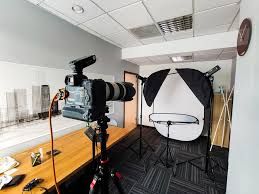
Why Mobile Studios Are the Future of Photography in 2025
In 2025, mobile photography studios are gaining traction due to their adaptability and ability to meet clients’ dynamic needs. Factors driving this trend include:
- Convenience: Clients no longer need to travel to a studio, as the studio comes to them.
- Personalization: Photographers can capture moments in unique and meaningful settings.
- Affordability: Reduced overhead costs for studio space make services more accessible.
- Technology Integration: Advanced portable equipment and editing tools enable high-quality results comparable to traditional studios.
Benefits of Starting a Mobile Photography Business
- Cost-Effective Setup: No need for expensive real estate, reducing initial investment.
- Wider Client Reach: Ability to serve clients in multiple locations.
- Increased Flexibility: Cater to various niches, such as events, family portraits, and corporate shoots.
- Scalability: Easier to expand services or offer destination photography.
- Eco-Friendliness: Opting for sustainable transportation and energy-efficient equipment aligns with modern consumer preferences.
Understanding the Photography Industry in 2025

Key Trends in Photography and Mobile Studios
The photography industry in 2025 is shaped by several key trends, including:
- Tech-Driven Innovations: The use of AI for editing, augmented reality (AR), and virtual reality (VR) to create immersive experiences.
- Eco-Conscious Practices: Increasing demand for sustainable photography practices, such as energy-efficient lighting and recyclable props.
- Niche Specialization: Photographers focusing on specific genres like pet photography, adventure shoots, and branding portraits.
- Hybrid Services: Combining mobile photography with online consultations and virtual photoshoots for global reach.
The Demand for On-the-Go Photography Services
Clients today prioritize convenience and customized experiences, fueling demand for mobile photography studios. Key drivers include:
- Events and Celebrations: Weddings, birthdays, and corporate events requiring on-site photography setups.
- Remote Locations: Accessibility for clients in rural or less-served areas.
- Quick Turnaround: The ability to provide immediate previews and faster delivery of final products.
Identifying Opportunities in the Market
To tap into the growing demand, identify these lucrative opportunities:
- Specialty Niches: Focus on underserved areas like newborn photography, personal branding, or pet portraits.
- Corporate Partnerships: Collaborate with businesses for headshots, product shoots, and marketing campaigns.
- Seasonal and Event Shoots: Offer services for festivals, holiday cards, and themed photography sessions.
- Travel Photography: Expand your offerings by covering destination weddings or outdoor shoots in scenic locations.
Laying the Foundation for Your Mobile Photography Studio
Choosing Your Photography Niche
Specializing in a photography niche is crucial for standing out in the competitive market. Options include:
- Event Photography: Covering weddings, birthdays, and corporate events.
- Portrait Photography: Offering family, newborn, and personal branding sessions.
- Pet Photography: Capturing memories for pet owners in unique settings.
- Product Photography: Working with small businesses for high-quality e-commerce visuals.
Choose a niche that aligns with your passion and market demand to build a focused brand identity.
Researching Your Target Audience and Competitors
Understand your ideal clients to tailor your services effectively:
- Demographics: Age, location, income level, and lifestyle preferences.
- Pain Points: Identify what clients seek, such as convenience, affordability, or high-quality results.
- Competitor Analysis: Study existing mobile photography businesses to find gaps in the market and potential areas to differentiate.
Use tools like surveys, social media insights, and competitor websites to gather actionable data.
Developing a Unique Selling Proposition (USP)
Your USP should define what sets your mobile photography studio apart. Examples include:
- Offering same-day edits for event coverage.
- Providing eco-friendly and sustainable photography solutions.
- Specializing in unique niches like destination shoots or themed sessions.
Highlight your USP across all marketing platforms to attract your target audience effectively.
Investing in Essential Photography Equipment for Mobility
Equip your mobile studio with tools that are portable and versatile:
- Cameras and Lenses: High-resolution cameras with lenses tailored to your niche.
- Lighting Gear: Compact and battery-operated lights for various shooting conditions.
- Backdrops and Props: Foldable options for easy transport.
- Editing Tools: Laptops or tablets with photo editing software for on-the-go adjustments.
Invest in durable and lightweight equipment to ensure smooth operations during mobile shoots.
Creating a Business Plan for Your Mobile Studio

Setting Clear Goals and Objectives
Outline specific, measurable, and time-bound goals for your mobile photography business:
- Short-Term Goals: Booking your first clients, building a portfolio, and launching a website.
- Mid-Term Goals: Achieving consistent monthly revenue, expanding your client base, and refining your services.
- Long-Term Goals: Scaling your business, offering additional services, and gaining a strong reputation in the market.
Budgeting and Financial Planning for Your Studio
Create a detailed budget to manage expenses and maximize profitability:
- Initial Costs: Camera equipment, vehicle modifications, website creation, and marketing.
- Ongoing Costs: Fuel, maintenance, software subscriptions, and advertising.
- Revenue Streams: Pricing your services competitively based on market rates and perceived value.
Plan for financial contingencies and track your expenses to stay on budget.
Legal Requirements and Permits for Mobile Photography Studios
Ensure compliance with local regulations and acquire necessary permits:
- Business Registration: Register your studio as a legal entity (e.g., sole proprietorship, LLC).
- Photography Licenses: Obtain permits if shooting in public or restricted locations.
- Insurance: Cover your equipment, vehicle, and liability for client safety.
Consult a legal advisor to navigate specific requirements in your region.
Choosing the Right Vehicle for Your Mobile Studio
Your vehicle is the backbone of your mobile photography business. Consider:
- Size and Space: Choose a van or SUV with ample space for equipment and client interaction.
- Custom Modifications: Add storage compartments, power outlets, and climate control for convenience.
- Fuel Efficiency: Opt for eco-friendly vehicles to reduce costs and align with sustainable practices.
Invest in branding your vehicle with eye-catching decals to promote your studio while on the road.
Designing and Branding Your Mobile Photography Studio
Creating a Memorable Brand Identity
A strong brand identity is essential for standing out in the competitive mobile photography market. Start by defining:
- Logo and Color Scheme: Your logo should reflect the style and personality of your photography. Choose colors that are visually appealing and consistent across all branding materials.
- Brand Voice: Whether playful, sophisticated, or professional, your brand voice should align with your target audience and convey the essence of your services.
- Tagline: Craft a memorable tagline that captures the essence of your business, such as “Capturing Moments On the Go” or “Photography, Anytime, Anywhere.”
- Consistency: Use the same branding across your website, social media profiles, vehicle, and business cards to reinforce your identity.
Customizing Your Mobile Studio for Comfort and Efficiency
Your mobile photography studio should not only be functional but also comfortable for both you and your clients:
- Layout: Create a space that allows for easy movement and quick setup. Include areas for shooting, editing, and client consultations.
- Comfort Features: Add comfortable seating, air conditioning, and adequate lighting for a pleasant experience.
- Efficient Storage: Organize equipment and props in customized compartments to streamline the setup and breakdown process.
- Portable Power Supply: Ensure your studio has reliable power sources, such as a portable generator or solar panels, to keep everything running smoothly.
Building a Portfolio to Showcase Your Work
A well-curated portfolio is crucial for attracting clients. Include:
- Diverse Samples: Display a variety of work, from portrait sessions to event coverage, to showcase your versatility.
- Before-and-After Shots: Highlight your editing skills with before-and-after images to demonstrate your expertise.
- Client-Centered Focus: Ensure the portfolio emphasizes your ability to capture emotional moments and tell stories through your photos.
- Online Portfolio: Build a professional website with easy navigation and high-quality images, and ensure it’s mobile-friendly for potential clients to view on the go.
Leveraging Testimonials and Reviews to Build Trust
Client testimonials and online reviews play a significant role in building credibility:
- Request Feedback: Ask satisfied clients to leave reviews on platforms like Google, Yelp, and social media.
- Display Testimonials: Feature positive feedback prominently on your website and social media.
- Use Video Testimonials: Encourage clients to provide video reviews that highlight their experience working with you.
- Showcase Repeat Clients: Highlight loyal clients who return for multiple shoots to demonstrate your reliability and quality of service.
Marketing Strategies to Promote Your Mobile Studio

Social Media Marketing for Photographers
Social media marketing is essential to gaining visibility for your mobile photography business. Here’s how to utilize social platforms effectively:
- Instagram: Focus on sharing visually compelling images and behind-the-scenes stories. Post high-quality photos and use Instagram Stories and Reels to engage with potential clients.
- Facebook: Create a business page where you can post client testimonials, events, promotions, and new portfolio updates. Facebook Ads can help target specific demographics to boost your reach.
- TikTok: Show off your photography process with short clips. Fun behind-the-scenes content or client reactions can attract engagement from a younger audience.
- Pinterest: Use Pinterest to post mood boards, style ideas, and portfolio pieces to gain visibility for clients planning events like weddings or parties.
- Hashtags and Geotagging: Utilize location-based hashtags and geotag your posts to attract clients searching for services in specific areas.
Using SEO to Rank Your Mobile Photography Studio Online
Search engine optimization (SEO) helps ensure your mobile photography studio ranks well on Google, driving organic traffic to your website:
- Local SEO: Optimize for local search by including keywords such as “mobile photography [your city]” or “on-site photographer in [location].” Ensure your Google My Business profile is fully optimized for local searches.
- On-Site SEO: Optimize your website by including relevant keywords on your homepage, service pages, and blog posts. Use well-researched keywords like “mobile photo booth” or “on-the-go photographers.”
- Content Creation: Regularly update your blog with tips, behind-the-scenes looks, or client success stories. This will improve your website’s ranking while engaging potential clients.
- Backlinking: Partner with local businesses, wedding venues, or influencers to get backlinks that help boost your website’s SEO ranking.
Collaborating with Local Businesses and Influencers
Building relationships with local businesses and influencers can expand your reach:
- Partnerships with Local Vendors: Establish mutually beneficial relationships with event planners, venues, florists, or caterers to offer package deals. Cross-promote each other’s services to increase your customer base.
- Influencer Marketing: Collaborate with local influencers who align with your brand to showcase your photography services. In exchange for a free session or discount, influencers can promote your services on their social media.
- Corporate Partnerships: Work with local businesses to offer corporate photography services, such as headshots, product photos, or event coverage.
Running Promotions and Seasonal Offers
Creating timely offers and promotions can boost bookings and attract new clients:
- Seasonal Promotions: Offer discounts during holidays, wedding season, or graduation time. For example, offer a “holiday photo shoot” special or a “back-to-school” discount for family sessions.
- Referral Programs: Encourage clients to refer friends or family by offering discounts or free prints for every successful referral.
- Flash Sales: Create limited-time offers for new bookings, such as 20% off on booking within the next 24 hours. Flash sales help create urgency and attract quick action.
- Bundle Deals: Offer packaged services, such as a discounted family session when bundled with event photography, or a free photo book when a client books for multiple sessions.
Operating Your Mobile Photography Studio
Managing Bookings and Client Communications
Efficient booking and communication systems are essential for smooth operation:
- Booking System: Use an online scheduling system (such as Calendly or HoneyBook) to allow clients to book appointments directly on your website. Ensure it syncs with your calendar to avoid overbookings.
- Client Communication: Respond promptly to client inquiries via email, phone, or social media. Create templates for common inquiries to save time, but ensure every client feels personally attended to.
- Appointment Reminders: Send automated reminders to clients via email or text about their upcoming sessions, including any details they need to know (location, dress code, etc.).
Setting Up Payment Systems and Pricing Models
Having clear payment systems in place is essential for both smooth transactions and maintaining professionalism:
- Payment Methods: Set up multiple payment options for clients, including credit cards, bank transfers, and mobile payment systems like PayPal or Venmo. Consider using payment processors like Square for easy invoicing.
- Pricing Structure: Establish transparent pricing for your services. Consider offering tiered pricing for different photography packages (e.g., basic, premium, deluxe) and clearly outline what each package includes.
- Retainers and Deposits: Consider requiring a deposit or retainer at the time of booking to secure the date and cover any initial costs.
- Invoicing: Use invoicing software (like QuickBooks or Wave) to keep track of payments, deposits, and any outstanding balances.
Ensuring High-Quality Customer Service
Deliver exceptional customer service to retain clients and build a strong reputation:
- Personalized Experience: Make each client feel special by offering personalized experiences. Send handwritten thank-you notes after a session or provide custom photo albums.
- Responsive Support: Provide excellent post-session support, including fast delivery of images, assistance with album creation, or guidance on selecting photos for framing.
- Client Feedback: Always ask for feedback after each session. Use this feedback to improve your services and identify areas where you can exceed client expectations.
- Address Complaints: If any issues arise, address them professionally and promptly. Offering a resolution or small compensatory gesture can turn a negative experience into a positive one.
Adapting to Client Needs and Expectations
The photography market is always changing, and client expectations are evolving. Stay adaptable:
- Client-Centered Approach: Ask clients about their vision for the shoot beforehand, and adapt your style to meet their needs. Offering a customized experience will increase satisfaction.
- Offering Flexibility: Offer a flexible schedule or backup plans in case of poor weather or other disruptions. Clients will appreciate your professionalism and dedication to making their session a success.
- New Trends: Keep up with photography trends, such as drone photography, mobile photo booths, or virtual reality integration, and incorporate these into your service offerings.
Scaling and Expanding Your Photography Business

Adding New Photography Services to Your Studio
To grow your business, consider expanding the services you offer:
- Video Services: Start offering videography in addition to photography. Offer packages that include both stills and video footage for events like weddings or corporate shoots.
- Photo Editing & Album Design: Consider offering photo editing services or customized photo albums, which can be upsell opportunities for your existing clients.
- Photo Booths: Mobile photo booths are a fun addition to your services for events, offering instant prints and digital sharing.
- Drone Photography: Drone photography is increasingly popular for real estate shoots, weddings, and outdoor events. Adding this to your service list could attract new clients.
Partnering with Event Planners and Venues
Partnering with event planners, venues, and other industry professionals can open up new business opportunities:
- Event Planning Partnerships: Work with event planners to provide photography for their clients’ events. In exchange, you can get a steady stream of referrals.
- Venue Collaborations: Establish relationships with wedding and event venues to provide photography for their clients. Venues might also refer clients to you.
- Cross-Promotions: Offer package deals with venues or planners that include discounts or added services, encouraging more bookings.
Exploring Opportunities in Destination Photography
Destination photography can offer exciting new opportunities to expand your business:
- Travel Photography Packages: Consider offering travel-based photography services, such as destination weddings, family vacations, or photo shoots in scenic locations.
- Destination Events: Offer to cover destination events, including corporate retreats, private events, or weddings in far-off places.
- Partnering with Travel Agents: Collaborate with travel agencies or tour operators who can recommend you as the go-to photographer for destination events.
Building a Team for Your Mobile Studio
As your business grows, you may need to expand your team:
- Hiring Photographers: Hire additional photographers for larger events or to handle multiple shoots at once.
- Editing Staff: As the volume of work increases, consider hiring editors to help with post-production.
- Administrative Support: Employ an assistant or administrative professional to handle client communications, scheduling, and invoicing.
- Freelancers: For occasional help, consider hiring freelance photographers or assistants for larger events or busy seasons.
Challenges in the Mobile Photography Business and How to Overcome Them

Managing Equipment Maintenance and Upgrades
One of the biggest challenges for mobile photographers is managing and maintaining photography equipment. Mobile studios rely heavily on technology and gear, and as technology evolves, regular maintenance and upgrades become necessary. Here’s how to handle this challenge:
- Regular Maintenance: Clean your cameras, lenses, lighting equipment, and other gear after every use to ensure they are in top condition. Regular checks and servicing can prevent costly repairs.
- Budget for Upgrades: Technology evolves rapidly, so set aside a budget each year to invest in new equipment. Consider upgrading your camera, lenses, and lighting gear to stay ahead in the market.
- Portable Backup Equipment: Always have backup equipment on hand, such as spare lenses, batteries, and memory cards, to avoid delays if something malfunctions.
Navigating Seasonal Fluctuations in Demand
The mobile photography business can experience seasonal fluctuations, especially in regions where certain events or weather patterns influence demand. Here’s how to mitigate these fluctuations:
- Off-Season Promotions: Create promotions or discounts during the slower months to maintain a steady flow of bookings. For example, offer discounted family photo shoots in the off-season to attract clients.
- Target Different Markets: During slower months, look into alternative markets. For example, holiday season photography for businesses or corporate headshots during the fall season.
- Diversify Your Services: Offering a variety of services, such as event photography, product photography, or portrait sessions, will help stabilize your revenue throughout the year.
Balancing Work-Life Dynamics as a Mobile Photographer
As a mobile photographer, managing your time can be challenging due to unpredictable schedules and the physical demands of working on-location. Here are strategies to maintain balance:
- Set Boundaries: Establish clear working hours and personal time. Avoid overbooking yourself, and be upfront with clients about your availability.
- Delegate Tasks: If you find yourself overwhelmed with admin work, consider hiring an assistant to manage bookings, emails, and invoicing.
- Schedule Downtime: Set aside regular breaks and vacations to recharge. Working in a mobile business can be physically taxing, so rest is essential for long-term success.
Competing with Traditional Photography Studios
Traditional studios may offer more established reputations, but mobile photography businesses have flexibility and convenience on their side. Here’s how to stand out:
- Highlight Convenience: Emphasize the convenience of a mobile studio. Clients love the flexibility of having a photographer come to their location.
- Offer Customization: Traditional studios can feel impersonal. Mobile studios can provide a personalized experience by adapting to each client’s needs. Offer tailored packages that reflect your client’s unique preferences.
- Leverage Social Proof: Build a strong online presence by sharing testimonials and showcasing your work on social media. Client reviews and word-of-mouth recommendations can help build your reputation.
The Future of Mobile Photography Studios in 2025

The Role of AI and Advanced Editing Tools
Artificial intelligence (AI) and advanced editing tools are revolutionizing photography, including mobile studios. Here’s how AI will shape the future of mobile photography:
- AI Editing Software: Tools like Adobe Lightroom and Photoshop are incorporating AI to speed up post-production. AI can automatically adjust lighting, color balance, and sharpness, allowing photographers to deliver faster results.
- Smart Cameras: Cameras with AI-driven features such as real-time editing and automatic scene recognition are becoming more popular. These tools allow photographers to focus on creativity while the technology handles technical adjustments.
- AI for Personalization: AI tools can help you understand your client’s preferences more deeply, allowing you to tailor the shoot and editing style based on their behavior and past choices.
Sustainability Practices for Mobile Studios
With sustainability becoming an increasing concern for businesses worldwide, mobile photography studios can implement eco-friendly practices:
- Eco-Friendly Photography Gear: Invest in energy-efficient lighting equipment, portable power banks, and cameras that consume less power.
- Digital Delivery: Rather than printing photos, offer clients the option to receive their photos digitally. This reduces the need for paper and physical products, which lowers your carbon footprint.
- Sustainable Packaging: If you need to ship prints or albums, use biodegradable or recycled packaging materials. This small change can have a significant environmental impact.
Emerging Trends in Mobile Photography
The photography industry is ever-evolving, and staying ahead of the trends is essential for the success of your mobile studio:
- 360-Degree Photography: 360-degree images and videos are gaining popularity for real estate, events, and tourism photography. As a mobile photographer, offering this service can set you apart from competitors.
- Virtual Reality (VR): VR experiences are becoming more mainstream, especially in real estate and event photography. Offering VR photo shoots or virtual tours could be a cutting-edge service for clients.
- Drone Photography: Drone photography continues to be in high demand, especially for weddings, events, and real estate. Adding drone services to your portfolio will increase your appeal.
Key Takeaways for Starting Your Mobile Photography Studio
Recap of the Steps to Launch a Mobile Studio
Starting a mobile photography studio requires careful planning and preparation. Here’s a quick recap of the steps:
- Choose a Niche: Select your target audience and photography style.
- Invest in Equipment: Ensure you have high-quality, portable photography gear.
- Create a Business Plan: Develop a solid business plan, including marketing strategies and financial goals.
- Market Your Services: Leverage social media, SEO, and local collaborations to reach your target audience.
- Maintain Flexibility: Be adaptable to client needs and evolving industry trends.
Tips for Success in the Mobile Photography Industry
- Deliver Exceptional Service: Always provide high-quality service and be responsive to client needs.
- Stay Up to Date with Trends: Continuously update your skills and stay informed about the latest photography trends.
- Build Strong Relationships: Networking with event planners, vendors, and clients can lead to valuable referrals and repeat business.
Final Thoughts on Growing Your Business in 2025
The mobile photography business is poised for continued growth in 2025, driven by technological advancements, increased demand for convenience, and a desire for personalized services. To succeed, focus on maintaining flexibility, offering exceptional customer service, and staying ahead of emerging trends. By building a strong brand and embracing new opportunities, you can ensure your mobile photography studio thrives for years to come.
