
Introduction
In today’s digital landscape, establishing a strong online presence is indispensable for business success. A well-optimized business listing not only enhances visibility but also attracts potential customers directly to your door. This comprehensive guide will delve into essential strategies for optimizing your business listing across various platforms, ensuring that it stands out in search engine results and drives more traffic to your business.
1. Claim and Verify Your Business Listing
The first step in optimizing your business listing is to claim and verify it on major search engines and directories. This process confirms your ownership and allows you to manage your business information.
Google My Business (GMB)
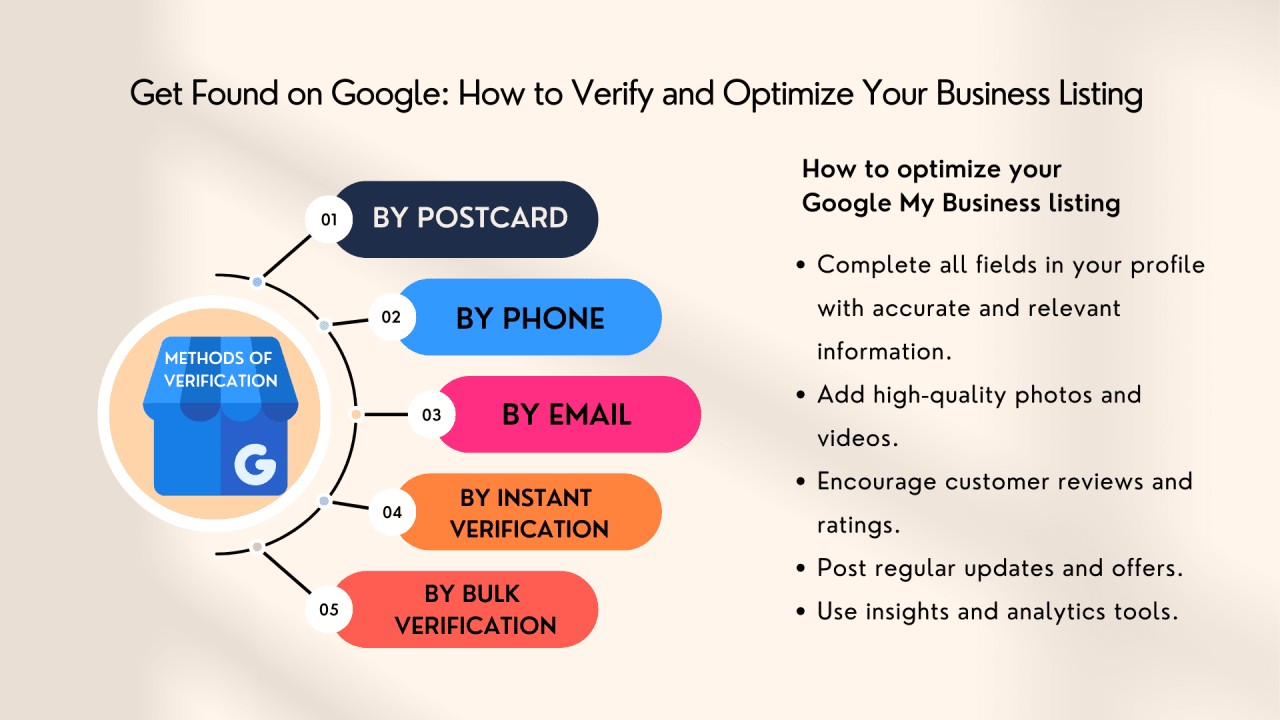
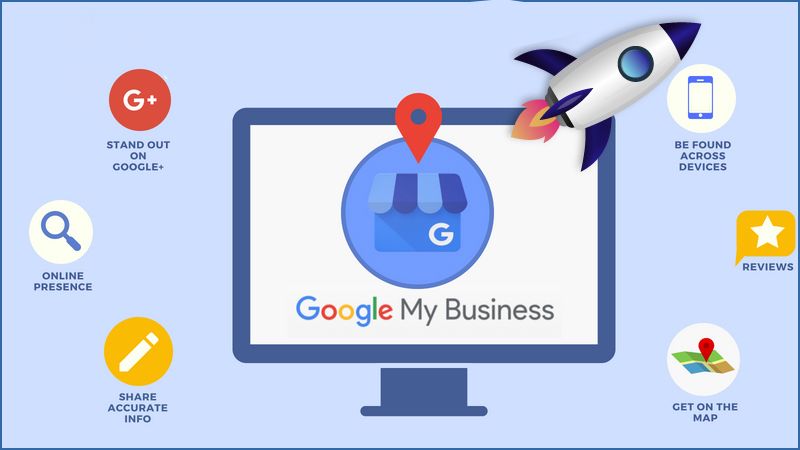
To start, visit the Google My Business website and sign in with your Google account. Search for your business; if it’s already listed, claim it. If not, create a new listing. Google will then send a verification code to your business address or phone number. Verification is crucial as it helps prevent unauthorized edits and ensures the accuracy of your business information. Once verified, you gain control over how your business appears on Google Search and Maps.
Bing Places
Similar to Google, sign in with your Microsoft account, search for your business, and claim or create a new listing. Verification might involve receiving a phone call or email to confirm your details. Bing Places is particularly important for reaching audiences who use Bing as their primary search engine, expanding your online reach.
Yelp
Search for your business on Yelp and claim it or add a new listing. Yelp will guide you through the verification process, which usually involves a confirmation call or email. Yelp is a critical platform for businesses in industries like restaurants and retail, where customer reviews can significantly influence potential clients.
2. Optimize Your Business Information
Ensuring that your business information is accurate and comprehensive is vital for both search engines and potential customers. Here’s how to optimize each element:
Business Name
Use your official business name consistently across all platforms. This helps build brand recognition and prevents confusion. Avoid using keyword stuffing, which can lead to penalties from search engines and diminish the credibility of your listing.
Address and Phone Number
Ensure your address and phone number are correct and formatted consistently. Use a local area code to enhance your relevance in local searches. For businesses with multiple locations, ensure each address is accurately listed and distinct.
Business Hours
Regularly update your business hours to reflect any changes, including special hours for holidays or events. Accurate hours help prevent customer frustration and missed opportunities.
Website URL
Include a functional link to your business website. This not only directs users to additional information but also improves credibility and helps in converting search traffic into actual visits.
3. Choose Relevant Categories and Attributes
Categories and attributes help search engines understand the nature of your business and match it with relevant search queries. Here’s how to optimize them:
Primary Category
Select the most relevant primary category that best describes your business. This helps search engines properly categorize your business. For instance, a café should select “Café” rather than a broad category like “Restaurant.”
Additional Categories
Add secondary categories to further define your business. This allows you to appear in more specific searches. For example, a café could also be listed under “Coffee Shop” and “Bakery.”
Attributes
Attributes provide additional details about your business. Include attributes that are important to your customers, such as “wheelchair accessible,” “free Wi-Fi,” or “pet-friendly.” These details can be pivotal in attracting the right audience.
4. Write a Compelling Business Description
Your business description is an opportunity to convey what makes your business unique. A well-crafted description can significantly impact how potential customers perceive your business.
Keywords
Integrate relevant keywords naturally into your description. This can help your listing appear in more searches related to those keywords. For example, if you’re a vegan restaurant, include phrases like “plant-based,” “organic,” and “vegan-friendly.”
Unique Selling Points
Highlight what differentiates your business from competitors. Mention unique features, products, or services that set you apart. For example, if you offer a unique customer experience or have special certifications, include those details.
Call to Action
Include a clear call to action in your description. Encourage potential customers to visit your website, make a reservation, or visit your location. Phrases like “Book your table today” or “Visit us for a free consultation” can prompt immediate action.
5. Add High-Quality Photos and Videos
Visual content plays a crucial role in attracting customers and improving your search engine ranking. High-quality photos and videos can make your listing more engaging and informative.
Profile and Cover Photos
Use high-resolution images for your profile and cover photos. These should be visually appealing and accurately represent your business. For instance, a restaurant might use an image of a beautifully presented dish or a vibrant dining area.
Interior and Exterior Photos
Include photos that showcase your business’s interior and exterior. This helps potential customers get a sense of your space and atmosphere. For retail businesses, this might include photos of the store layout and product displays.
Product or Service Photos
Display high-quality images of your products or services. For instance, a beauty salon might include before-and-after photos of treatments or images of products available for purchase.
Videos
Consider adding short videos that offer a virtual tour of your business, showcase customer testimonials, or highlight special events. Videos can increase engagement and provide a richer user experience.
6. Collect and Respond to Customer Reviews
Customer reviews are a vital aspect of your business listing and significantly influence your search engine ranking and reputation.
Encourage Reviews
Prompt satisfied customers to leave reviews. You can do this through follow-up emails, social media, or in-store signage. Positive reviews not only enhance your reputation but also improve your visibility in search results.
Respond to Reviews
Engage with customers by responding to both positive and negative reviews. Thank customers for positive feedback and address any concerns raised in negative reviews. A thoughtful response can turn a negative experience into a positive one and show potential customers that you value feedback.
Monitor Reviews
Regularly check reviews on all platforms and set up alerts if possible. Monitoring reviews helps you stay informed about customer sentiment and allows you to address issues promptly.
7. Use Local SEO Techniques
Local SEO is crucial for businesses that serve specific geographic areas. Optimizing your business listing for local search can significantly increase your visibility.
Local Keywords
Incorporate local keywords into your business description, titles, and posts. For example, a plumbing service in Houston should use keywords like “Houston plumber” or “plumbing services in Houston” to target local searches.
Local Citations
Ensure your business is listed in local directories and industry-specific websites. Consistent NAP (Name, Address, Phone Number) information across these sites is essential for local SEO.
Google Posts
Utilize Google My Business posts to share updates, promotions, and events. These posts can appear in search results and attract local customers. Regularly posting relevant content can help keep your business top-of-mind for potential customers.
8. Maintain Consistency Across Listings
Consistency across all your business listings is key to building trust with both search engines and potential customers.
Name, Address, Phone Number (NAP)
Verify that your NAP information is consistent across all online listings. Discrepancies can lead to confusion and negatively impact your search engine ranking.
Business Description and Categories
Ensure that your business description and categories are consistent across different platforms. Inconsistent information can hinder search engines from accurately categorizing your business.
9. Monitor and Analyze Your Performance
Regular monitoring and analysis of your business listing performance help you identify areas for improvement and measure the effectiveness of your optimization efforts.
Google My Business Insights
Review the insights provided by Google My Business to understand how customers are interacting with your listing. Analyze metrics such as search queries, customer actions, and how customers found your listing to make informed decisions.
Analytics Tools
Use Google Analytics and other tools to track traffic from your business listing and analyze user behavior on your website. This data can help you understand how your listing contributes to website visits and conversions.
Third-Party Tools
Consider using third-party SEO tools like Moz, SEMrush, or Ahrefs to gain additional insights and track your search ranking progress. These tools can provide valuable data on keyword performance, backlinks, and competitor analysis.
10. Stay Updated with Algorithm Changes
Search engine algorithms are constantly evolving, and staying updated with these changes is crucial for maintaining an optimized business listing.
Follow Industry News
Stay informed about updates and changes in search engine algorithms by following industry blogs, attending webinars, and participating in forums. Keeping up with the latest trends can help you adapt your strategies accordingly.
Adjust Strategies
Be prepared to adjust your optimization strategies based on new trends and algorithm changes. Regularly review and update your listing to align with current best practices and maintain a competitive edge.
Conclusion
Optimizing your business listing for search engines is a multifaceted process that requires attention to detail and ongoing effort. By claiming and verifying your listing, optimizing your business information, leveraging local SEO techniques, and maintaining consistency, you can enhance your online visibility and attract more customers. Regularly monitoring your performance and staying updated with industry changes will help you stay ahead of the competition and ensure your business thrives in the digital landscape. With these strategies, you can transform your business listing into a powerful tool for driving traffic and growing your business.
