
Why Choosing the Right Pet Product Suppliers is Make-or-Break for Your Business
our pet store’s success isn’t just about what you sell — it also depends on who you get your products from. How to Find Reliable Pet Product Suppliers for Your Store is something every new business owner needs to understand early on. The suppliers you choose can affect everything — from how much profit you make to how happy your customers are.
Good suppliers help you grow faster and build a strong, trusted brand. Here, you’ll learn why picking the right supplier is a big part of running a successful pet business — and how to do it the smart way.
How the Right Suppliers Shape Your Profit and Reputation

Reliable suppliers do more than just ship products — they help you build a consistent business. If your
supplier delivers quality goods on time, your customers stay happy, returns stay low, and your profit margins stay protected. But if orders arrive late, mislabeled, or in poor condition, the damage shows up in your reviews, refund requests, and revenue.
Strong supplier relationships allow you to:
- Negotiate better pricing and lower minimum order quantities
- Receive early access to in-demand items
- Plan inventory more accurately, reducing excess stock or sell-outs
Poor supplier choices can drain time and money from your store operations — no matter how great your marketing or branding might be.
What 2025 Pet Store Owners Are Looking For in a Supplier
Sourcing trends in the pet industry are evolving fast. In 2025, store owners are moving beyond generic pet toys or food and focusing on quality, specialization, and trust. Customers now expect products that are:
- Well-made and safe for pets, especially for dogs and cats with sensitivities
- Designed for convenience, like smart feeders or tech-enabled trackers
- Branded with care — not just bulk goods without any product story
As store owners compete in a growing market, the ability to find niche, premium, or fast-moving inventory from a reliable supplier is more valuable than ever.
What Can Go Wrong with the Wrong Supplier
Unreliable suppliers can create serious issues that affect your business long after the order is placed. Common risks include:
- Poor product quality that results in negative reviews and loss of trust
- Shipping delays that frustrate customers and lead to refund demands
- Lack of legal compliance, putting your store at risk of selling unsafe or mislabeled items
If your supplier can’t deliver what they promise, your business ends up paying the price — in reputation, revenue, and wasted time.
Wholesale, Dropshipping, Private Label, or Local? Which Supplier Model is Right for You?
One of the first big choices you’ll face when starting your pet store is deciding how you’ll get your products. The supplier model you choose can shape almost everything — from how much stock you hold, to how risky your setup is, to how your brand is seen by customers.
Every sourcing method works differently. Some give you more control, others save time or lower costs. Whether you’re running an online store, a physical shop, or both, it’s important to know the pros and cons of each option. That way, you can pick the one that fits your store’s vision and future growth.
Wholesale Suppliers: Reliable Stock with Strong Margins
Wholesale purchasing is ideal for store owners who want to buy inventory in bulk and manage fulfillment themselves. This model gives you better control and higher profit margins — but requires upfront investment and storage capacity.
Pros:
- Competitive per-unit pricing for bulk orders
- Greater control over stock levels, packaging, and delivery
- Ability to sell across multiple platforms with consistent fulfillment
Cons:
- Requires upfront capital and warehousing
- Risk of overstocking or unsold items
Dropshipping: Lean, Low-Risk, and Scalable
Dropshipping lets you sell products without holding any physical inventory. It’s a strong fit for online-first stores and new entrepreneurs testing different product lines.
Pros:
- No need for storage, packaging, or shipping
- Low startup cost and quick launch time
- Easily test new items or trends without bulk commitment
Cons:
- Less control over shipping times and product quality
- Delays or errors by the supplier can harm your store’s reputation
Private Label: Build a Custom Brand from the Ground Up
With private labeling, you work with manufacturers to produce products under your brand name. This model works well for businesses aiming to build a recognizable brand with unique product offerings.
Pros:
- Control over product design, packaging, and branding
- Higher brand loyalty and customer trust
- Ability to charge premium prices for custom lines
Cons:
- Higher minimum orders and development costs
- Requires time for formulation, testing, and brand setup
Local Makers: Unique Products with Community Appeal
Local artisans or small manufacturers offer handmade or regionally crafted products. This model supports boutique stores and owners who want to offer something different.
Pros:
- Distinct, story-driven product collections
- Direct communication and small-batch flexibility
- Supports local economies and builds niche appeal
Cons:
- Smaller volumes and higher unit prices
- Less consistency if production varies
Local vs. International: Understand the Supply Chain Impact
Your sourcing location also plays a big role in your success. International suppliers are often more cost-effective, while local suppliers may be more dependable and responsive.
International sourcing:
- Lower prices and wider product variety
- Longer lead times, customs delays, and potential compliance gaps
Local sourcing:
- Easier communication and quality control
- Shorter delivery windows and better legal alignment
Choosing the right model means weighing your store’s goals, budget, and brand direction — and staying flexible as your business evolves.
How to Find & Vet Reliable Pet Product Suppliers
Finding a supplier isn’t just about browsing a marketplace and clicking “order.” If you want long-term success, you need to go deeper — researching, evaluating, and negotiating with confidence. Reliable sourcing protects your margins, brand, and customer relationships.
Here’s a step-by-step breakdown to help you find and vet trustworthy pet product suppliers.
Define Your Product Niche First
Before searching for suppliers, clarify your product direction. Are you selling general pet supplies, eco-friendly items, niche accessories, or premium health-focused products? Your niche will guide what type of supplier you need — and where to find them.
- A broad catalog may call for wholesale or dropship partners
- A specialized product range may need private label or small-batch suppliers
- Your pricing strategy depends heavily on the product tier you choose
Explore Trusted Supplier Platforms
Once you know your niche, begin exploring supplier directories and platforms. These include online marketplaces, B2B networks, and trade forums. Some platforms offer filters by category, certification, or country of origin.
- Faire, Alibaba, and eTailPet are examples of widely used supplier hubs
- Look for platforms with vetting processes or verified listings
- Consider joining trade groups or industry communities for supplier referrals
Research Backgrounds, Ratings, and Certifications
Not all suppliers are equal. Once you’ve shortlisted options, dig into their history, online presence, and feedback from other store owners.
- Look for business licenses or compliance documentation
- Read buyer reviews to check for red flags like delays or damaged products
- Ensure they meet safety and packaging standards for your target market
Order Samples and Test Fulfillment
Never commit to a full order without first testing their process. Order a few items to review product quality, packaging, and shipping speed.
- Check for consistency between the product listing and what arrives
- Evaluate how fast the supplier processes and ships your order
- Use this stage to assess how they respond to inquiries or issues
Negotiate Terms and Minimum Order Quantities
Suppliers often list standard MOQs (minimum order quantities), but these can be negotiated — especially if you’re testing products or building a long-term relationship.
- Ask about discounts on larger orders or repeat contracts
- Clarify payment terms, lead times, and return policies
- Be honest about your volume expectations and growth plans
Build the Relationship Over Time
Strong supplier relationships are built, not bought. Treat your supplier as a business partner, not just a vendor.
- Communicate clearly and regularly
- Share performance data or seasonal trends that help them serve you better
- Maintain professionalism, even during disagreements or delays
A reliable supplier isn’t just someone who delivers products — they’re part of your store’s foundation for growth.
Where to Find Trusted Wholesale Pet Product Suppliers

Sourcing wholesale pet products in 2025 means more than finding the cheapest price — it’s about finding vendors that offer quality, reliability, and transparency. Whether you’re stocking everyday items or building a premium catalog, choosing the right wholesale source gives you better margins and long-term stability.
Below are four key paths to locating dependable wholesale pet product suppliers worldwide.
Explore the Major B2B Wholesale Platforms
Start your search by browsing the top business-to-business marketplaces. These platforms connect retailers with manufacturers and bulk distributors across a wide range of pet categories.
- Most platforms allow filtering by product type, certification, and shipping terms
- Look for supplier profiles with verified ratings and detailed product specs
- Always review fulfillment times and minimum order quantities before reaching out
B2B marketplaces offer convenience and variety — but vetting suppliers carefully is essential to avoid quality or compliance issues.
Source Reliable Suppliers for Core and Niche Items
If your store carries both general pet supplies and specialized products (e.g., breed-specific toys or diet-based treats), you may need multiple wholesale suppliers. Look for those who offer:
- Consistent inventory of fast-moving general products like collars, leashes, grooming tools
- Smaller-batch availability for niche categories like bird accessories or reptile enclosures
- Competitive bulk pricing and reorder flexibility
Reliable generalist suppliers help you cover essentials, while niche partners help differentiate your store.
Look Beyond Basics for Premium and Specialty Stock
Customers are increasingly looking for premium pet items — from wellness supplements to designer carriers. Finding a wholesale partner with elevated products can help your store stand out.
- Focus on suppliers who demonstrate clear product quality and detailed packaging
- Seek out premium product lines with customer-friendly labeling and branding
- Ask about exclusivity terms if you’re selling in a defined region
High-quality inventory often commands better margins and longer-term customer loyalty.
Use Regional Directories to Find Local Wholesalers
Regional supplier directories or trade portals are helpful for discovering suppliers closer to your fulfillment location. This may improve delivery times and reduce shipping costs.
- Browse directories organized by region (e.g., USA, UK, EU, Asia-Pacific)
- Check local trade associations or government export databases
- Consider time zones and shipping routes for better supplier coordination
Regional sourcing often brings more reliable communication and faster restock options.
How to Source from the Best Dropshipping Pet Product Suppliers
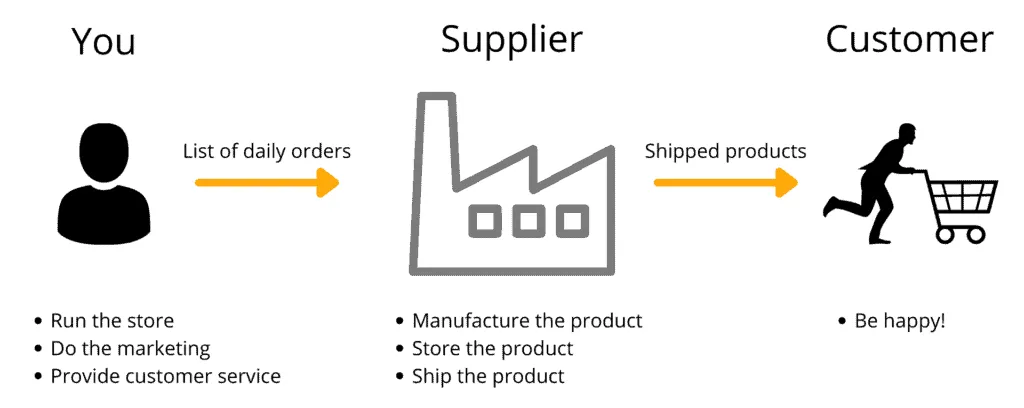
Dropshipping is a popular route for new pet store owners and growing online brands looking to sell without the overhead of stocking inventory. But success in this model depends on choosing the right partners. Your dropshipping supplier isn’t just a backend provider — they directly impact shipping times, product quality, and your store’s reputation.
Here’s how to source reliable dropshipping pet product suppliers and stay competitive in the 2025 pet retail landscape.
What Makes Dropshipping Ideal for Pet Stores
For entrepreneurs asking where to buy pet products for resale without stocking a warehouse, dropshipping provides the perfect low-risk model. It allows you to launch fast, test categories, and avoid bulk commitments.
Benefits of dropshipping for pet stores:
- No need to manage storage, packaging, or logistics
- Easy to diversify your pet store inventory suppliers
- Perfect for testing niche categories like pet grooming product wholesale or aquarium supplies distributors
It’s especially useful when you want to scale quickly or offer a wider selection through your online storefront.
How to Find Pet Product Suppliers Who Offer Dropshipping
To find pet product suppliers that support dropshipping, start with B2B marketplaces and niche sourcing platforms. Search filters and verified supplier ratings can help narrow down quality options.
Tips to find the right fit:
- Use search phrases like “drop shipping pet products” or “pet product suppliers for small businesses”
- Look for global options like US pet product suppliers, UK pet supply wholesale, or Malaysian pet product distributors
- Check if suppliers specialize in categories you want to offer, such as cat litter, dog toys, or pet accessories
Don’t just go for the cheapest supplier — go for the most consistent one.
Evaluate Dropshipping Readiness and Fulfillment Standards
Once you’ve shortlisted potential partners, evaluate how they handle fulfillment and communication.
Key criteria to check:
- Real-time inventory sync and order tracking
- Fulfillment times within 3 to 7 business days
- Transparent return, refund, and defect handling policies
- Willingness to handle custom branding or private label pet products if needed
Reliable pet suppliers must meet both speed and quality benchmarks.
Stay Competitive with a Strategic Dropshipping Mix
Modern pet store owners use dropshipping to stay flexible and adapt to customer needs. From eco-friendly accessories to trending smart pet products, dropshipping helps keep your store agile.
How dropshipping keeps you ahead:
- Add and remove products without financial risk
- Respond to market trends without long lead times
- Test premium or niche products using trusted pet retail suppliers
- Expand regionally using international pet product suppliers while avoiding overstock
A well-managed dropshipping strategy paired with reliable pet product suppliers ensures long-term scalability — even for small businesses with limited resources.
Private Label & White Label Pet Products: Build Your Own Brand with Trusted Manufacturers
If you want your pet store to stand out, selling the same products as everyone else won’t get you far. Private label and white label options let you put your own brand name on pet supplies — from treats to grooming products — without having to create them from scratch. It’s a smart way to build trust, grow your margins, and make your store more memorable.
Let’s look at how this works and why it could be the perfect next step for your business.
Why Selling Your Own Brand Makes Sense
Private label pet products give you more control over what you sell. Instead of listing generic goods, you can offer items with your logo, your name, and your message. That means customers will remember your brand — not just the product.
Why it’s worth it:
- You can charge more because it’s your brand
- Customers are more likely to come back for branded products
- You decide how the product looks, feels, and is promoted
This is especially useful for repeat items like shampoo, treats, or toys — the things customers buy again and again.
How to Find the Right Manufacturer for Your Brand
To get started, you need a supplier who’s already making quality pet products — and is open to rebranding them under your name. These are called private label or white label manufacturers.
What to look for:
- Experience working with small businesses or startups
- Willingness to help with packaging and labeling
- Flexible order sizes so you don’t have to buy in huge bulk
You can search for pet product manufacturers for startups, including US pet product suppliers, Asia pet product exporters, or Malaysian pet product distributors, depending on where you’re based.
Designing a Product That Feels Like Yours
This is the fun part. You get to choose how the product looks, how it’s packaged, and how your brand is presented. It’s not just about slapping on a logo — it’s about creating something your customers will love.
You’ll decide on:
- Product labels, fonts, and colors
- Packaging like bottles, jars, or pouches
- Add-ons like scent, flavor, or product bundles
The better your product matches your brand story, the more likely it is to sell.
Make Sure the Quality Matches the Branding
Even with your name on it, the product still needs to meet high standards. That’s why choosing reliable pet suppliers is key. You want consistency in every batch.
Work only with suppliers who:
- Offer quality checks and safety testing
- Explain how they handle returns or defects
- Help you meet packaging or label rules in your region
When you build your own brand with a trusted partner, your store becomes more than just a reseller — it becomes a name customers trust.
Partnering with Handmade, Niche & Local Pet Product Makers
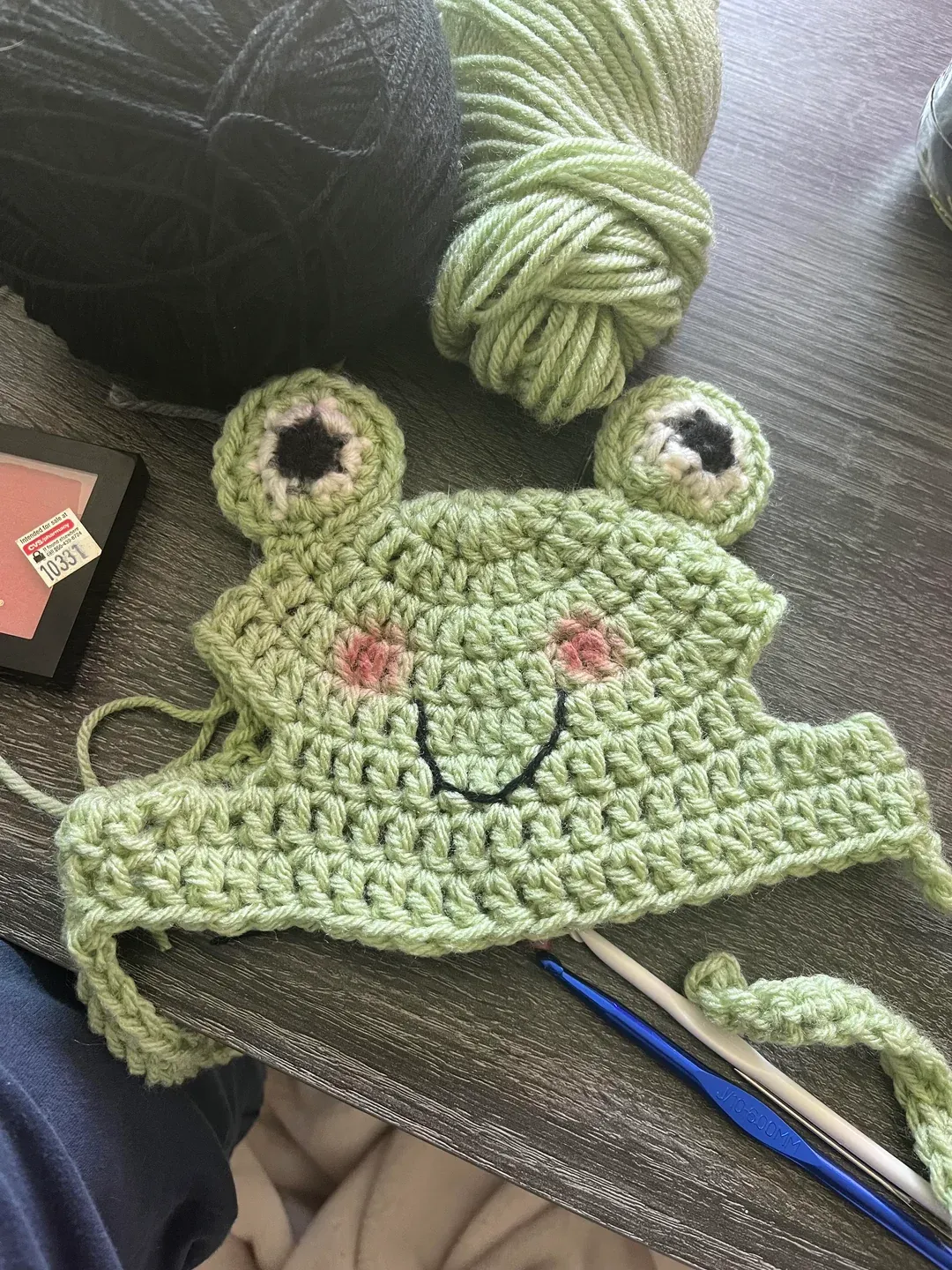
If you’re looking for a way to stand out in the competitive pet market, one smart option is to partner with small-scale makers. These suppliers often create handmade, eco-conscious, or niche pet products that aren’t found in big-box stores. By working with local pet product wholesalers or artisans, your store can offer something unique — and customers will notice.
This approach isn’t about stocking more — it’s about stocking smarter.
Why Unique, Small-Batch Products Can Set You Apart
Mass-market goods are everywhere. But small-batch items have character, a story, and a personal touch that many pet owners appreciate. Products made by niche crafters or local suppliers often focus on quality, originality, and thoughtful design.
How these products help your brand stand out:
- They give your store a distinct identity that’s hard to copy
- Many are handmade, eco-conscious, or designed with pets’ specific needs in mind
- Small-batch suppliers often work with premium or natural materials
For pet store owners looking to avoid “me-too” inventory, these products offer a creative edge.
Where to Find Local or Niche Pet Product Makers
You don’t have to look far. Many handmade or small-scale pet product suppliers promote their work through regional directories, trade fairs, or craft platforms.
Ways to discover them:
- Browse regional pet store supplier guides or artisan marketplaces
- Search by location using phrases like “find pet suppliers near me”
- Network through pet owner communities, pet expos, or farmer’s markets
Whether you’re sourcing from UK pet supply wholesale, Malaysian pet product distributors, or community-based creators, these partnerships often lead to long-term value.
How to Market Handmade Products and Build Loyalty
Customers love supporting local businesses — and even more so when the products feel special. Tell the story behind the item. Share who made it, what inspired it, and why it’s different.
Ways to promote handmade and niche items:
- Use storytelling on your website, product pages, and packaging
- Highlight limited editions, seasonal batches, or custom-made features
- Offer gift sets or subscription bundles with rotating small-batch items
When shoppers see your store curating truly original goods, they’ll come back for more.
Managing Quality and Stock with Smaller Suppliers
Working with small makers comes with great benefits — but also some challenges. Inventory may be limited, and quality can vary. That’s why it’s important to set clear expectations early.
To stay on track:
- Agree on timelines, restock cycles, and fulfillment capacity
- Do a quality check before listing a new product
- Maintain open communication to avoid delays or misunderstandings
By partnering with reliable pet suppliers in the handmade space, you can offer unique products while still keeping your operations smooth and customer-ready.
Ethical & Sustainable Pet Product Sourcing: Meeting Modern Consumer Demand
Today’s shoppers care more about where their products come from — and pet owners are no different. Many now seek brands that offer transparency, responsible sourcing, and values they can trust. As a store owner, choosing ethical pet product suppliers doesn’t just reflect your values — it can also win customer loyalty and improve your brand image.
This section explores how to approach sustainable sourcing without overwhelming your operations or sacrificing profit.
Understanding What ‘Ethical Sourcing’ Really Means
Ethical pet product sourcing isn’t just about labels — it’s about how suppliers treat animals, workers, and the environment throughout the production process. More and more consumers want assurance that the pet toys, grooming products, or food they buy come from businesses that care.
What matters to modern buyers:
- Knowing products are made with safe, honest practices
- Supporting pet supply distributors that value fairness and safety
- Choosing brands that are open about how and where items are made
Even small steps in this direction can improve how your store is perceived.
How to Identify Responsible Pet Product Suppliers
Finding pet retail suppliers who align with your ethical goals doesn’t mean you have to search endlessly. Many reliable pet suppliers already follow good sourcing practices — they just don’t always advertise it.
What to look for when sourcing sustainably:
- Clear communication about how products are made and packaged
- Consistent product quality across different orders
- Responsive service when you ask about working standards or sourcing methods
Focus on bulk pet product suppliers or international pet product suppliers that are open, responsive, and professional.
Using Responsibility as a Brand Advantage
Ethical sourcing can help shape a brand that customers trust. Even if your store isn’t built around eco-conscious themes, you can still highlight transparency and responsible choices.
Easy ways to build trust:
- Share your sourcing story on your website or packaging
- Explain why you chose certain pet product suppliers over others
- Create a section that features responsibly sourced products or brands
This kind of openness adds meaning behind the purchase — and gives your store more credibility.
Making Values and Profits Work Together
Ethical choices shouldn’t hurt your bottom line. The goal is to find pet product wholesale partners that offer balance — good products, honest practices, and fair pricing.
Tips to stay profitable:
- Start with a small range of responsibly sourced items
- Monitor sales data to understand what customers care about
- Adjust your mix as you learn what performs well
Being responsible doesn’t mean you can’t be competitive — it means growing smarter, with suppliers who support your goals.
Supplier Red Flags & Common Sourcing Mistakes to Avoid
Not every supplier is as trustworthy as they seem. Whether you’re sourcing wholesale pet products, private label pet products, or using pet retail suppliers for dropshipping, choosing the wrong partner can lead to product returns, bad reviews, legal problems — or worse, a damaged brand reputation. Before committing to any deal, it’s essential to know the warning signs and avoid common mistakes that cost time and money.
Watch Out for Fake or Low-Quality Suppliers
Some suppliers look polished online but disappear after payment or deliver poor-quality goods. Others may claim to be manufacturers when they’re actually middlemen with no real product control.
Red flags to avoid:
- No business address or verifiable company information
- Vague answers to product or shipping questions
- Pressure to make quick payments or place large orders upfront
- Suspiciously low pricing on high-demand items
When you’re trying to find pet suppliers online, always verify their reputation before placing an order.
Look Closely at Pricing and Fulfillment Terms
Not all problems are obvious at first. Some pet product suppliers appear reliable until hidden costs, poor shipping performance, or low stock levels come into play.
Common sourcing traps:
- Extra charges for packaging, rush orders, or minimum order changes
- Long processing times that lead to customer complaints
- Low product quality that doesn’t match the samples you tested
Always request full cost breakdowns and fulfillment timelines in writing before you finalize a deal.
Don’t Skip the Legal and Compliance Details
Many store owners forget to check legal documents — until it’s too late. Selling pet products that don’t meet safety standards or violate branding laws can shut your store down.
What to check before selling:
- Is the product compliant with your country’s safety standards?
- Are the logos, fonts, and designs used by the supplier original?
- Is the supplier providing proper labeling, usage instructions, or expiration dates?
Even pet product manufacturers for startups must follow basic regulations, so always confirm these details early.
Protect Your Store with Smart Supplier Practices
You don’t need a legal team to stay protected — just a few simple habits.
Best practices for working with new pet supply distributors:
- Start with a small trial order before scaling
- Use secure payment methods with buyer protection
- Set clear expectations for quality, packaging, and delivery
- Track performance and replace unreliable suppliers early
Trust takes time. But once you find reliable pet suppliers who meet your standards, your business becomes more stable — and your customers more loyal.
Negotiating with Pet Product Suppliers for the Best Deals & Long-Term Partnerships
Once you’ve found reliable pet product suppliers, the next step is to build a partnership that helps your business grow. Good negotiations go beyond getting the lowest price — they help you create lasting relationships, improve supply chain stability, and unlock perks that competitors might not have access to. Whether you’re buying wholesale pet products, dropshipping, or launching a private label line, learning how to negotiate with confidence will put you in control.
Start with Clear Conversations About Price and Flexibility
Negotiating isn’t about squeezing suppliers — it’s about finding fair terms that benefit both sides. If you’re just starting out, don’t be afraid to ask for flexibility in pricing, minimum order quantities (MOQs), or payment timelines.
Sample negotiation lines:
- “If I place recurring orders each month, could we discuss a better unit price?”
- “Can we reduce the MOQ for this first order while we test market demand?”
- “Would you offer better rates if I cover shipping costs upfront?”
Be transparent about your growth plans. Many pet supply distributors are open to working with small businesses if they see long-term potential.
Build Supplier Relationships That Go Beyond the Transaction
Suppliers are more likely to prioritize stores they trust. Over time, a strong relationship can lead to better service, faster stock access, and even exclusivity.
Relationship-building tips:
- Share feedback and sales insights to show mutual benefit
- Communicate early during seasonal spikes or marketing campaigns
- Treat them as partners, not just vendors
Some pet store inventory suppliers will hold priority stock for you or offer early access to new products — but only if you’ve built a track record of reliability.
Use Clear Agreements to Avoid Misunderstandings
Even with friendly relationships, written agreements are essential. Document expectations around product specs, delivery time, pricing tiers, and payment dates.
Must-have contract points:
- Payment schedule (deposit terms, due dates, accepted methods)
- Refund or replacement policies for damaged or late goods
- Packaging, branding, or compliance requirements for your region
Whether you’re dealing with local makers or international pet product suppliers, clarity prevents conflict.
Reap the Rewards of Loyalty and Consistency
When you stick with a great supplier, you often gain access to benefits that help you scale faster.
Common perks for loyal buyers:
- Volume-based discounts or lower shipping rates
- Faster fulfillment during peak seasons
- Shared product performance data to guide future stock
Negotiation doesn’t end with the first deal. The more you grow together, the more valuable your supplier relationship becomes — and the smoother your store operations will run.
Managing a Diverse Supplier Network Efficiently [Tools & Tips]
As your pet store grows, you’ll likely work with multiple suppliers — from wholesale pet product distributors to local artisans or private label manufacturers. Managing these relationships well can save time, avoid inventory issues, and boost long-term profitability. A disorganized supplier system, on the other hand, leads to miscommunication, stockouts, and unhappy customers.
Here’s how to stay in control, even as your network of pet retail suppliers expands.
Organize Your Suppliers with the Right Systems
You don’t need complex software to manage your supplier list — but you do need structure. Even basic tools can help you track who supplies what, their terms, delivery timelines, and order history.
Helpful tools and strategies:
- Use spreadsheets to track supplier contacts, MOQs, and delivery terms
- Consider simple inventory software that supports multiple vendors
- Label suppliers by category (dropshipping, bulk, private label, etc.)
Platforms like eTailPet or basic inventory apps make it easier to oversee your entire pet store inventory supplier ecosystem in one place.
Track Key Metrics to Spot Issues Early
You can’t manage what you don’t measure. To know which pet product suppliers are performing well, track a few basic metrics regularly.
Key performance indicators (KPIs):
- Fulfillment rate (orders shipped on time and complete)
- Product quality consistency across different orders
- Communication response time and issue resolution
Tracking these data points helps you identify top performers — and spot underperformers before they impact your customers.
Set Up Regular Supplier Reviews
Every few months, review each supplier’s performance and reliability. These reviews can be informal but should cover what’s working, what’s not, and what needs improvement.
What to review:
- Pricing stability and transparency
- Flexibility with custom orders or restocks
- Inventory accuracy and packaging consistency
Use this process to strengthen good relationships and provide feedback to those who need to improve.
Know When It’s Time to Move On
Not every supplier will grow with your business. If a bulk pet product supplier causes delays, ships poor-quality items, or stops responding, it may be time to part ways.
Signs it’s time to switch:
- Repeated delivery or product issues without improvement
- Disrespect for contract terms or sudden price hikes
- Lack of responsiveness or transparency
Replacing a supplier can feel risky, but staying with an unreliable one is riskier. Your supplier network should support your growth — not slow it down.
Emerging Pet Product Sourcing Channels to Watch in 2025
The pet industry is evolving fast — and the way store owners source products is changing with it. New tools, platforms, and trends are opening doors to smarter, faster, and more profitable sourcing options. Whether you’re a new store owner or managing a growing inventory, staying ahead of these sourcing channels can give you a strong edge in 2025 and beyond.
Smarter Products Are Shaping Smarter Sourcing
As demand rises for high-tech pet gear — from GPS collars to automatic feeders — pet product suppliers are adapting with smarter production and streamlined distribution.
Why this matters for sourcing:
- Many tech-driven items are sold through select channels or partnerships
- Inventory moves fast, so working with responsive pet supply distributors is essential
- You may need to source directly from manufacturers for the latest releases
For store owners targeting innovation, staying updated with pet product sourcing tips around smart inventory is key.
Subscription-Ready Products Create New Supply Opportunities
Subscription boxes for pets are growing — offering toys, treats, and essentials delivered monthly. This trend requires a fresh approach to sourcing repeat-use products.
To build a subscription-friendly supply chain:
- Work with pet retail suppliers who offer consistent product availability
- Prioritize items with universal appeal, like grooming wipes or chew toys
- Secure long-term pricing to maintain healthy margins
Reliable sourcing of consistent items keeps customers subscribed — and your store profitable.
Trade Shows and Digital Events Are Still Great Discovery Tools
While online platforms dominate day-to-day sourcing, global trade shows and digital exhibitions still play a key role in finding international pet product suppliers and discovering emerging brands.
Benefits of attending or browsing trade events:
- Meet verified manufacturers and see samples in real time
- Explore regional innovations from Asia pet product exporters or niche makers
- Build direct relationships that may lead to better pricing or exclusives
Whether you attend in person or online, trade events remain a valuable tool in your sourcing toolkit.
Faster Tools Are Bridging the Gap from Supplier to Storefront
New integrations between e-commerce platforms and supplier databases are shrinking the gap between finding a product and listing it online.
What this means for your store:
- Quicker access to new items with real-time stock updates
- Automatic syncing from suppliers to your storefront
- Easier testing of new inventory without backend headaches
As sourcing and selling become more connected, partnering with tech-ready pet product suppliers will keep your business moving faster — and ahead of the curve.
Recommended Supplier Platforms & Resources for Pet Product Sourcing
Finding the right supplier doesn’t have to feel overwhelming. With so many platforms available, the key is to focus on sources that are trusted, transparent, and tailored to your store type. Whether you need wholesale pet products, private label options, or dropshipping pet product suppliers, using the right tools will help you start smarter and scale faster.
This section highlights reliable platforms, niche directories, and curated sourcing hubs to help you discover quality pet product suppliers without guesswork.
Explore Platforms That Match Your Business Model
Your sourcing method — wholesale, dropshipping, or private label — determines the type of platform you need. Start with a platform that matches your store’s scale, budget, and fulfillment preference.
Suggested Platforms to Explore:
Wholesale & Dropshipping Marketplaces
- Faire – Boutique wholesale platform with curated pet products
- Abound – Connects retailers with small-batch US pet brands: helloabound.com
Global & Private Label Sourcing
- Alibaba – Bulk, private label, and custom pet product suppliers
- GlobalSources – Asia-based manufacturers and exporters
- TradeWheel – International B2B marketplace for pet supply distributors
Tools & Trade Events
- eTailPet – Inventory and supplier management for independent retailers
- Interzoo – Global pet industry trade fair for discovering international suppliers
Pro Tip: Use filters like country of origin, fulfillment method, or MOQ to quickly find pet suppliers who match your goals.
Stay Connected with Communities and Peer Recommendations
Some of the most valuable sourcing tips come from other store owners. Use forums, Facebook groups, and industry threads to gather real feedback on pet product wholesale platforms and supplier experiences.
What to do:
- Join pet retailer groups to get recommendations
- Read supplier reviews from verified businesses
- Ask experienced sellers where to buy pet products for resale
The more sources you explore, the more confident your supplier choices will be.
Tap into Communities, Forums, and Peer Insights
Sometimes, the best supplier leads come from other store owners. Online communities and industry forums offer real, tested advice that can speed up your decision-making.
Smart ways to gather supplier insights:
- Join Facebook groups or Reddit threads for pet store owners
- Browse supplier reviews and discussions on industry-specific forums
- Ask experienced peers for recommendations in trusted networks
Combining these community insights with your own vetting process leads to smarter sourcing — and stronger supplier relationships.
Frequently Asked Questions
How do I find reliable pet product suppliers?
Start by researching verified platforms, reading reviews, and testing small orders before committing to bulk purchases.
Who are the best wholesale pet product suppliers?
The best suppliers are those who consistently deliver quality, communicate clearly, and offer fair pricing — not just the cheapest.
Where can I source dropshipping pet products?
Use dropshipping directories and B2B platforms that specialize in pet items, and filter by fulfillment speed and reliability.
How can I start a private label pet brand?
Partner with a manufacturer that offers private labeling, then customize packaging and branding to match your store’s identity.
Are international or local pet product suppliers better?
It depends on your goals — local suppliers offer faster shipping, while international ones may offer lower costs and more variety.
What should I look for in a trustworthy supplier?
Look for transparency, product consistency, clear terms, and a history of good performance with other businesses.
How to avoid scams when sourcing pet products?
Avoid suppliers with vague contact info or rushed payment requests, and always place a test order before going large.
Where to find sustainable pet product suppliers?
Search niche directories, attend trade shows, or look for suppliers with clear sustainability practices and long-term sourcing policies.
Conclusion: Your Next Steps to Secure Reliable, Profitable Pet Product Suppliers
Sourcing isn’t just about finding products — it’s about building the foundation of your pet store’s success. Whether you’re stocking essentials, launching a private label line, or creating a subscription model, your relationship with pet product suppliers will impact everything from profit margins to customer trust.
Let’s walk through what to remember — and how to move forward.
Recap: Sourcing Models That Fit Different Store Types
No single model fits every pet store. Your ideal supplier strategy depends on how you plan to sell, scale, and differentiate your brand.
Main sourcing options:
- Wholesale pet product suppliers are great for stores with inventory space and strong repeat sales.
- Dropshipping pet products gives you flexibility and fast startup without storage costs.
- Private label and handmade suppliers let you build a unique brand and connect with niche audiences.
Use this variety to craft a sourcing strategy that aligns with your budget, product vision, and sales goals.
Checklist: How to Start Sourcing with Confidence
You don’t have to figure it all out at once. Follow this simple checklist to start your journey toward smarter sourcing.
Actionable steps:
- Define your product niche and customer base
- Use trusted platforms to find pet suppliers by region and model
- Request samples and check fulfillment speed, packaging, and product quality
- Negotiate terms like MOQs, delivery timelines, and payment schedules
- Track supplier performance from day one
Start small, stay consistent, and always aim for clarity in communication and contracts.
Think Beyond Products — Build a Scalable Supply Network
Strong sourcing is more than just placing orders. It’s about creating a supply chain that can grow with your business — across multiple categories, suppliers, and fulfillment models.
For long-term success:
- Combine local and international pet product suppliers to balance risk and speed
- Create backup plans to avoid stockouts or delays
- Regularly evaluate suppliers for performance and alignment with your evolving goals
Your sourcing strategy should evolve as your store grows — from managing a few key partners to building a network of pet retail suppliers that power your brand.
Position Your Brand for Long-Term Profitability
Sourcing affects your brand’s reputation as much as your bottom line. The more transparent, consistent, and reliable your products are, the more customers will return.
To stay profitable:
- Choose partners who support your standards — not just your prices
- Plan inventory based on real demand, not guesswork
- Reinforce your brand promise through quality control and delivery reliability
Profit comes from value — and value starts with the right supplier relationships.
Turn Trusted Suppliers into a High-Converting Pet Brand
Reliable suppliers give you great products — but real success comes from turning those products into a recognizable, profitable brand. That’s where Rozzario comes in.
We help pet store owners go beyond sourcing with powerful digital solutions built for growth.
Our services include:
- Branding & Logo Design – Create a memorable identity your customers trust
- Website Development – Build fast, mobile-friendly, conversion-ready online stores
- Local & Global SEO – Rank higher in search and attract ready-to-buy traffic
- Social Media Marketing – Promote your pet products on Instagram, Facebook & more
- Google Ads & PPC Campaigns – Drive high-intent shoppers directly to your store
- Content & Product Page Optimization – Turn visitors into loyal customers
Whether you’re launching your first store or scaling your online presence, Rozzario helps you transform good suppliers into a lasting brand.
Let’s build your pet business together — with strategy, style, and results that last.
Contact Rozzario today to grow your store, your traffic, and your brand.
