
Customer loyalty programs have become a cornerstone of modern business strategies, driving repeat purchases, increasing customer retention, and boosting overall profitability. A well-designed loyalty program not only rewards customers for their continued business but also fosters a deeper connection with your brand. This article explores the essential steps and best practices for creating an effective customer loyalty program that resonates with your audience and enhances your business’s growth.
1. Define Your Loyalty Program Goals
Identify Key Objectives
Before designing your loyalty program, it’s crucial to define your goals. What do you want to achieve with your program? Common objectives include increasing customer retention, boosting average order value, encouraging repeat purchases, and improving customer engagement. Clearly defining your goals will help you design a program that aligns with your business objectives and meets the needs of your target audience.
Set Measurable KPIs
Establish key performance indicators (KPIs) to measure the success of your loyalty program. KPIs might include metrics such as customer retention rate, program enrollment numbers, frequency of repeat purchases, and overall revenue growth. Setting measurable KPIs allows you to track the effectiveness of your program and make data-driven adjustments to optimize its performance.
2. Understand Your Customer Base
Segment Your Audience
To create a loyalty program that resonates with your customers, start by understanding their preferences and behaviors. Segment your audience based on factors such as purchase history, frequency of visits, and demographic information. By segmenting your customer base, you can tailor your loyalty program to address the specific needs and interests of different groups, ensuring that it delivers maximum value.
Gather Customer Insights
Use surveys, feedback forms, and customer interviews to gather insights into what your customers value most. Understanding their motivations, pain points, and preferences will help you design a program that appeals to their needs. Consider offering incentives for feedback to encourage participation and gain valuable information that can inform your program’s development.
3. Choose the Right Loyalty Program Type
Points-Based Programs
Points-based loyalty programs are one of the most common types. Customers earn points for every purchase or specific actions, which can be redeemed for rewards such as discounts, products, or services. This type of program is straightforward and easy to understand, making it a popular choice for many businesses. Ensure that the points system is simple and transparent, so customers know how to earn and redeem points effectively.
Tiered Programs
Tiered loyalty programs offer different levels of rewards based on customer spending or engagement. As customers reach higher tiers, they unlock additional benefits and exclusive perks. This type of program incentivizes customers to spend more and engage with your brand more frequently to achieve higher status levels. Ensure that the rewards for each tier are meaningful and provide real value to motivate customers to advance.
Subscription-Based Programs
Subscription-based loyalty programs offer customers access to exclusive benefits or rewards for a regular fee. These programs can include perks such as free shipping, special discounts, or early access to new products. Subscription programs create a steady revenue stream and foster customer loyalty by providing ongoing value. Ensure that the subscription benefits are attractive enough to encourage sign-ups and retain subscribers.
Referral Programs
Referral programs encourage existing customers to refer new customers to your business. In return, both the referrer and the referee receive rewards, such as discounts or free products. Referral programs leverage word-of-mouth marketing and can help expand your customer base while rewarding loyal customers for their advocacy. Make the referral process easy and incentivize both parties to maximize participation.
4. Design an Attractive Reward Structure
Offer a Variety of Rewards
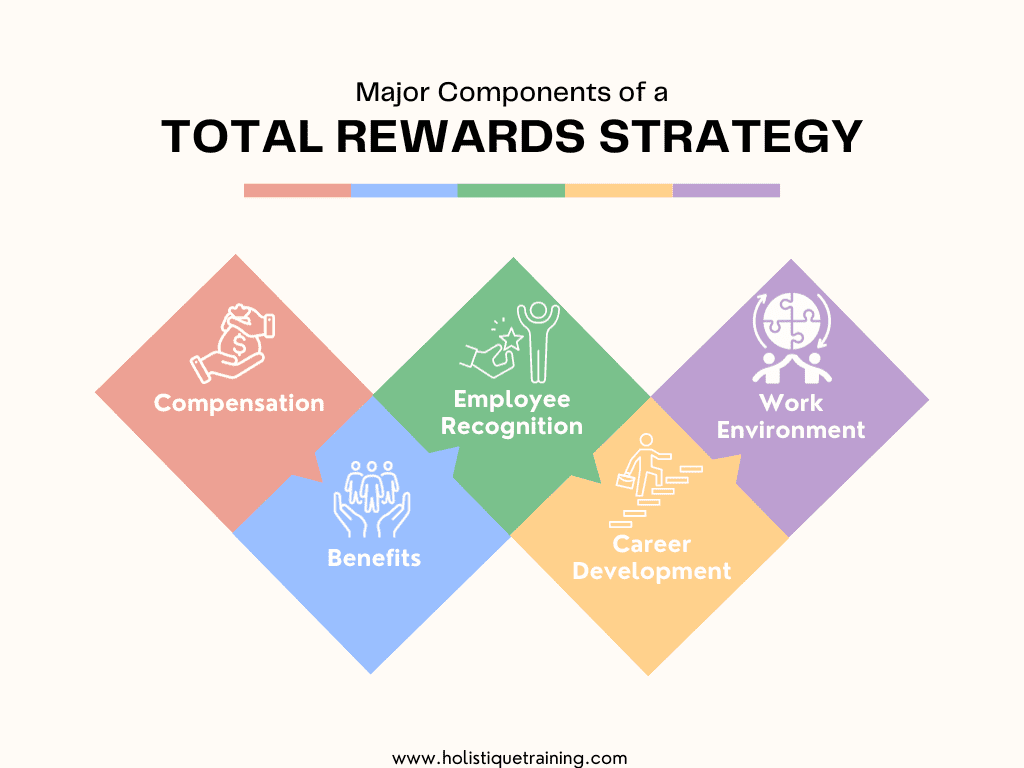
To keep customers engaged, offer a range of rewards that cater to different preferences. Rewards can include discounts, free products, exclusive access, or special experiences. Providing a diverse selection of rewards ensures that there’s something for everyone, increasing the appeal of your loyalty program. Consider including both short-term and long-term rewards to maintain interest and motivate continued participation.
Ensure Rewards are Attainable
Design your reward structure so that customers can realistically achieve the rewards they desire. Avoid setting overly high thresholds that may discourage participation. Instead, offer incremental rewards that customers can earn progressively. This approach keeps customers motivated and engaged, as they can see the tangible benefits of their loyalty efforts.
5. Implement Seamless Technology Integration
Choose the Right Platform
Select a technology platform that supports the management and tracking of your loyalty program. Look for features such as real-time point tracking, reward redemption, and customer data integration. The platform should integrate seamlessly with your existing systems, such as your CRM and POS, to provide a cohesive experience for both customers and staff.
Optimize for Mobile and Online
Ensure that your loyalty program is accessible and user-friendly across all channels, including mobile devices and online platforms. Consider developing a mobile app or optimizing your website to allow customers to track their points, redeem rewards, and receive program updates easily. A seamless digital experience enhances customer convenience and encourages participation in your program.
6. Promote Your Loyalty Program Effectively
Leverage Multiple Marketing Channels
Promote your loyalty program through various marketing channels to reach your target audience. Use email marketing, social media, in-store signage, and your website to communicate the benefits of the program. Create compelling content that highlights the rewards, features, and value of the program to capture customers’ attention and encourage enrollment.
Train Your Staff
Your staff plays a crucial role in the success of your loyalty program. Provide training to ensure they understand the program’s features, benefits, and processes. Equip them with the knowledge to answer customer questions, promote the program effectively, and address any issues that may arise. Staff engagement and enthusiasm can significantly impact the program’s adoption and success.
7. Monitor and Evaluate Program Performance
Track Key Metrics
Regularly monitor key metrics to evaluate the performance of your loyalty program. Analyze data such as program enrollment rates, customer participation levels, redemption rates, and overall impact on sales and customer retention. Tracking these metrics allows you to assess the effectiveness of your program and identify areas for improvement.
Gather Customer Feedback
Solicit feedback from customers to gain insights into their experiences with the loyalty program. Use surveys, reviews, and direct feedback to understand what they like and dislike about the program. Customer feedback provides valuable information for making adjustments and enhancements to ensure the program remains relevant and effective.
8. Continuously Improve Your Loyalty Program
Adapt to Changing Customer Needs
Customer preferences and behaviors can change over time, so it’s important to adapt your loyalty program to meet evolving needs. Stay attuned to industry trends and customer feedback to identify areas where your program may need updates or improvements. Regularly review and refine your program to ensure it continues to deliver value and stay competitive.
Innovate with New Features
Keep your loyalty program fresh and engaging by introducing new features or rewards. Consider implementing seasonal promotions, exclusive events, or gamification elements to keep customers excited and motivated. Innovation helps maintain interest in your program and encourages ongoing participation.
9. Ensure Legal and Ethical Compliance

Follow Regulations and Guidelines
Ensure that your loyalty program complies with all relevant regulations and guidelines. This includes data protection laws, advertising regulations, and any industry-specific requirements. Properly handle customer data and ensure that your program operates transparently and fairly. Compliance helps build trust with your customers and prevents legal issues.
Promote Ethical Practices
Adopt ethical practices in the design and management of your loyalty program. Avoid misleading or deceptive tactics and ensure that the program’s terms and conditions are clear and straightforward. Ethical practices enhance customer trust and loyalty, contributing to the overall success of your program.
10. Celebrate Successes and Recognize Loyalty
Highlight Program Achievements
Celebrate the successes of your loyalty program by highlighting milestones and achievements. Recognize top-performing customers, showcase success stories, and share positive outcomes with your audience. Celebrating achievements reinforces the value of the program and encourages continued participation.
Show Appreciation to Loyal Customers
Regularly express appreciation to your loyal customers through personalized messages, exclusive offers, or special recognition. Acknowledge their support and commitment to your brand, and show gratitude for their continued business. Demonstrating appreciation strengthens customer relationships and fosters long-term loyalty.
Conclusion
Creating a successful customer loyalty program involves careful planning, strategic design, and ongoing management. By defining clear goals, understanding your customer base, choosing the right program type, and implementing effective technology and marketing strategies, you can develop a program that drives customer retention and enhances your business’s growth. Continuously monitor and improve your program, ensure compliance with regulations, and celebrate the successes of your loyal customers to maintain a competitive edge and achieve long-term success. With a well-executed loyalty program, you can build lasting relationships with your customers and foster a loyal customer base that supports your brand’s continued success.
