
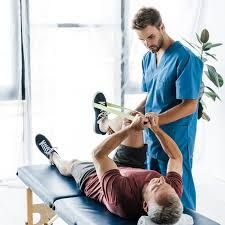
Physiotherapy, also known as physical therapy, is a specialized branch of healthcare focused on restoring, maintaining, and improving movement, function, and overall well-being. It employs evidence-based techniques such as manual therapy, exercise prescription, electrotherapy, and rehabilitation to treat musculoskeletal, neurological, and cardiopulmonary conditions.
In Malaysia, physiotherapy is recognized as a crucial component of both preventive and rehabilitative healthcare. Licensed physiotherapists work in hospitals, private clinics, sports centers, and community health programs, addressing issues like:
- Musculoskeletal disorders (back pain, arthritis, sports injuries)
- Neurological conditions (stroke, Parkinson’s disease, spinal cord injuries)
- Cardiopulmonary rehabilitation (post-heart attack recovery, chronic lung diseases)
- Pediatric and geriatric care (developmental delays, age-related mobility issues)
The Malaysian Ministry of Health (MOH) regulates physiotherapy under the Allied Health Professions Act, ensuring high standards of practice.
Difference Between Physiotherapy and Chiropractic Care
While both physiotherapy and chiropractic care aim to alleviate pain and improve mobility, their approaches differ significantly:
| Aspect | Physiotherapy | ChiropracticCare |
| Primary Focus | Holistic rehabilitation & functional recovery | Spinal alignment & nervous system function |
| Techniques Used | Exercise therapy, stretching, electrotherapy, ultrasound | Spinal adjustments, joint manipulations |
| Conditions Treated | Sports injuries, post-surgery rehab, chronic pain | Back/neck pain, migraines, joint misalignment |
| Medical Recognition | Widely integrated into hospitals & mainstream healthcare | Often considered complementary medicine |
Physiotherapy is typically recommended for long-term rehabilitation, while chiropractic care may focus on immediate pain relief through spinal adjustments.
Role of Physiotherapy in the Malaysian Healthcare Ecosystem
Physiotherapy plays a vital role in Malaysia’s healthcare system by:
- Reducing reliance on medication/surgery – Non-invasive treatments help manage pain and improve mobility without drugs.
- Supporting national health initiatives – Programs for stroke recovery, elderly care, and workplace ergonomics align with MOH goals.
- Enhancing sports medicine – Professional athletes and weekend warriors benefit from injury prevention and performance optimization.
- Bridging gaps in rural healthcare – Mobile physiotherapy units and tele-rehabilitation expand access in underserved areas.
With Malaysia’s aging population and rising chronic disease rates, physiotherapy is increasingly essential in public and private healthcare.
The Rise in Demand for Physiotherapists
Malaysia is experiencing a growing need for physiotherapy services due to:
- Aging population – By 2030, 15% of Malaysians will be over 60, increasing demand for geriatric rehab.
- Sports and fitness boom – More gym-goers and athletes seek injury prevention and recovery.
- Work-related musculoskeletal disorders (WRMSDs) – Office workers with poor ergonomics contribute to rising back/neck pain cases.
- Post-pandemic rehabilitation – Long COVID patients require pulmonary and physical rehab.
According to the Malaysian Physiotherapy Association (MPA), the number of registered physiotherapists has grown by 20% since 2020, reflecting the profession’s expansion.
Who Should Consider Physiotherapy?
Physiotherapy is beneficial for:
✔ Injury Recovery – Post-accident, post-surgery, or sports-related injuries.
✔ Chronic Pain Sufferers – Arthritis, sciatica, or repetitive strain injuries.
✔ Elderly Individuals – Improving balance, strength, and mobility.
✔ Office Workers – Treating neck/shoulder pain from prolonged sitting.
✔ Athletes – Enhancing performance and preventing injuries.
✔ Neurological Patients – Stroke survivors or those with multiple sclerosis.
✔ Pregnant Women – Managing pelvic pain and postpartum recovery.
Early intervention with physiotherapy can prevent minor issues from becoming chronic problems, making it a smart choice for proactive healthcare.
Why Physiotherapy is Essential for Long-Term Health

Physiotherapy is not merely a treatment for injuries it is a vital component of long-term health maintenance. Unlike temporary solutions such as painkillers or rest, physiotherapy addresses the root causes of pain and dysfunction, promoting sustainable recovery and preventing future health issues. Here’s why physiotherapy should be an integral part of healthcare in Malaysia.
Physiotherapy vs Painkillers: A Safer, Long-Term Approach
While painkillers provide temporary relief, they often mask symptoms without resolving the underlying problem. Physiotherapy offers a more effective and safer alternative for several reasons:
- No Harmful Side Effects: Unlike medications such as NSAIDs (e.g., ibuprofen), which can lead to digestive issues or kidney damage, physiotherapy relies on natural movement, manual therapy, and exercise to heal the body.
- Targets the Source of Pain: Painkillers only numb discomfort, while physiotherapy corrects muscle imbalances, poor posture, and joint dysfunction to provide lasting relief.
- Reduces Dependency on Medication: Chronic pain sufferers often develop a tolerance to painkillers, whereas physiotherapy restores function without reliance on drugs.
- Improves Overall Health: Rehabilitation exercises enhance circulation, flexibility, and muscle strength, benefiting cardiovascular health and metabolic function.
The Malaysian Society of Physiotherapy warns that overuse of pain medication can worsen musculoskeletal conditions over time, making physiotherapy a healthier long-term solution.
Supporting Recovery from Injuries and Surgeries
Physiotherapy plays a critical role in recovery after injuries or surgical procedures, ensuring patients regain full mobility and strength.
Key Benefits of Physiotherapy in Rehabilitation:
- Post-Surgical Recovery: Prevents stiffness, restores range of motion, and strengthens weakened muscles after procedures like knee replacements or spinal surgeries.
- Scar Tissue Management: Techniques such as massage and stretching improve tissue flexibility and reduce adhesions.
- Faster Return to Normal Activities: Structured rehab programs help patients regain independence more quickly.
- Lower Risk of Re-Injury: Proper rehabilitation prevents compensatory movements that lead to new injuries.
Studies show that ACL surgery patients who undergo physiotherapy recover 30% faster than those who skip rehabilitation (Journal of Orthopaedic & Sports Physical Therapy).
Preventing Further Injury Through Corrective Movement & Strengthening
Many injuries recur because the root cause—such as muscle weakness, poor movement patterns, or joint instability—is never addressed. Physiotherapy identifies and corrects these issues before they lead to chronic problems.
How Physiotherapy Prevents Future Injuries:
- Biomechanical Assessments: Detects faulty movement habits (e.g., improper lifting, poor running form).
- Strengthening Weak Muscles: Targets underused muscles to restore balance and prevent strain.
- Balance & Stability Training: Reduces the risk of falls and joint injuries.
- Ergonomic Guidance: Teaches proper posture for office workers to prevent neck, back, and wrist pain.
Research published in the Malaysian Journal of Medicine & Health Sciences found that workplace physiotherapy programs reduced musculoskeletal injuries by 42%.
Physiotherapy for Aging Populations
With Malaysia’s elderly population expected to reach 15% by 2030, physiotherapy is crucial in helping seniors maintain mobility, strength, and independence.
How Physiotherapy Benefits Older Adults:
- Fall Prevention: Balance exercises and strength training reduce the risk of falls, a major cause of fractures in the elderly.
- Pain Management: Non-drug therapies alleviate arthritis and joint pain.
- Maintaining Daily Function: Improves the ability to walk, climb stairs, and perform household tasks.
- Post-Stroke Rehabilitation: Helps restore movement and coordination after neurological damage.
Studies from Universiti Malaya indicate that seniors in physiotherapy programs maintain 50% better mobility than those without intervention.
Preventative Physiotherapy
Most people seek physiotherapy only after an injury occurs, but preventative care is far more effective in avoiding pain and disability.
Who Should Consider Preventative Physiotherapy?
- Office Workers: Prolonged sitting leads to back pain, poor posture, and repetitive strain injuries.
- Athletes & Active Individuals: Corrective exercises prevent overuse injuries like tendonitis and muscle tears.
- Pregnant Women: Prepares the body for childbirth and prevents postpartum complications.
- Pre-Surgical Patients: Strengthening before surgery (“prehab”) leads to faster and smoother recovery.
The World Health Organization (WHO) recommends physiotherapy as a first-line treatment for musculoskeletal issues before considering surgery or long-term medication.
The Multifaceted Benefits of Physiotherapy

Physiotherapy offers far-reaching advantages that extend beyond pain relief—enhancing physical function, mental well-being, and overall quality of life. In Malaysia’s evolving healthcare landscape, physiotherapy is increasingly recognized as a holistic solution for diverse needs. Below, we explore its key benefits across different aspects of health and daily living.
Physical Benefits
1. Effective Pain Management
Physiotherapy employs evidence-based techniques to alleviate acute and chronic pain without relying on medication:
- Manual therapy (joint mobilization, soft tissue massage)
- Therapeutic exercises (strengthening, stretching)
- Modalities (ultrasound, TENS, heat/cold therapy)
Conditions treated: Back pain, arthritis, sports injuries, post-surgical discomfort
2. Restored Mobility & Flexibility
Targeted interventions address:
- Joint stiffness (common in osteoarthritis)
- Muscle tightness (from prolonged sitting or overuse)
- Post-injury movement restrictions
3. Accelerated Healing
Structured rehabilitation programs:
- Optimize tissue repair after fractures/strains
- Prevent compensatory movement patterns
- Reduce recovery time by 30-50% for common injuries (e.g., rotator cuff tears, ACL reconstruction)
Clinical Insight: A 2023 study at Hospital Kuala Lumpur found physiotherapy reduced hospital readmission rates by 22% for stroke patients through early mobility training.
Psychological Benefits
1. Mental Health Support
Chronic pain often leads to anxiety/depression. Physiotherapy helps by:
- Releasing endorphins through therapeutic exercise
- Providing coping strategies for pain management
- Setting achievable recovery milestones
2. Restoring Confidence & Autonomy
Regaining the ability to perform daily tasks (walking, dressing) significantly improves:
- Self-esteem in elderly/disabled patients
- Post-traumatic recovery (e.g., after accidents)
3. Behavioral Change
Therapists educate patients on:
- Body mechanics to prevent re-injury
- Pain neuroscience to reduce fear-avoidance behaviors
Lifestyle Integration
1. Workplace Wellness
Malaysian office workers spend 9.2 hours/day seated (DOSM 2023). Physiotherapists address:
- Computer ergonomics: Monitor height, chair support, keyboard positioning
- Microbreak strategies: 2-minute stretches every hour
- Postural realignment: Correcting forward head posture, rounded shoulders
2. Home Environment Modifications
Recommendations for:
- Sleep positions (pillow placement for neck pain)
- Kitchen/bathroom safety (grab bars for elderly)
- Lifting techniques (parenting, gardening)
Occupational Rehabilitation
Malaysia’s SOCSO (Social Security Organization) mandates rehab for work-related injuries. Physiotherapy facilitates:
1. Job-Specific Conditioning
- Strength training tailored to occupational demands (e.g., lifting for warehouse workers)
- Fine motor skill recovery for manufacturing/technical jobs
2. Graduated Return-to-Work Plans
Phased workload increase prevents re-injury:
- Week 1: 50% duty hours + light tasks
- Week 3: 75% hours + moderate demands
- Week 6: Full duties with ergonomic adaptations
Success Metric: 78% of SOCSO claimants return to work within 8 weeks with physio-guided rehab (2022 data).
Enhancing Athletic Performance through Sports Physiotherapy
Malaysia’s sports medicine sector grew 15% annually post-2017 SEA Games. Sports physio delivers:
1. Injury Prevention
- Movement screening (FMS tests) to identify risk factors
- Sport-specific conditioning (e.g., ankle stability for badminton players)
2. Performance Optimization
- Plyometric training for power development
- Recovery protocols (compression, cryotherapy)
3. Competition Support
- Taping techniques (kinesiology tape for joint support)
- Pre-event warm-up routines
Case Study: National badminton players using physiotherapy had 40% lower injury rates during tournaments (National Sports Institute, 2023).
Top Conditions Treated with Physiotherapy in Malaysia

Physiotherapy is a scientifically-backed treatment approach that helps patients recover from injuries, manage chronic conditions, and improve overall physical function. In Malaysia, licensed physiotherapists utilize evidence-based techniques to address a wide range of health issues across all age groups.
This comprehensive guide examines the most common conditions treated by physiotherapy, detailing treatment methodologies, expected outcomes, and relevant Malaysian healthcare statistics.
1. Musculoskeletal Disorders
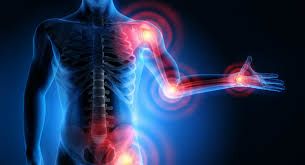
Musculoskeletal conditions affecting bones, muscles, and joints are among the most frequent reasons Malaysians seek physiotherapy treatment. These issues often stem from poor posture, repetitive strain, aging, or traumatic injuries.
Common Conditions:
- Chronic lower back pain (often from disc herniation or muscle strains)
- Frozen shoulder (adhesive capsulitis)
- Neck pain and cervical spondylosis
- Osteoarthritis and rheumatoid arthritis
- Sciatica and nerve compression syndromes
Treatment Approaches:
- Manual therapy techniques to improve joint mobility
- Therapeutic exercises to strengthen supporting musculature
- Postural correction strategies
- Pain management modalities including ultrasound and electrotherapy
Malaysian Context:
According to Ministry of Health data (2023), approximately 80% of Malaysians experience significant back pain at some point in their lives. Clinical studies show that physiotherapy reduces recurrence rates by 40% compared to medication-only approaches.
2. Post-Surgical Rehabilitation
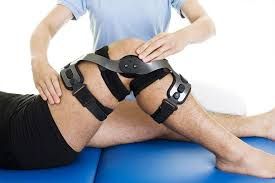
Physiotherapy plays a critical role in recovery after surgical procedures, helping patients regain optimal function and prevent complications.
Common Surgical Rehab Cases:
- Total knee and hip replacements
- Anterior cruciate ligament (ACL) reconstruction
- Spinal surgeries (discectomy, laminectomy)
- Rotator cuff repairs
Rehabilitation Protocol:
- Early mobilization to prevent stiffness and thrombosis
- Scar tissue management through specialized massage techniques
- Progressive weight-bearing and gait training
- Sport-specific or activity-specific functional training
Recovery Statistics:
The Malaysian Orthopaedic Journal (2024) reports that patients engaging in structured post-operative physiotherapy recover 30-50% faster than those without rehabilitation. SOCSO data indicates 78% of injured workers return to work sooner with proper rehab.
3. Neurological Rehabilitation
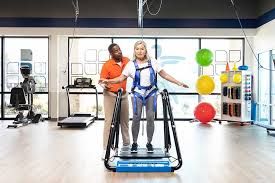
Neurological physiotherapy helps patients with conditions affecting the central and peripheral nervous systems regain function and independence.
Primary Conditions Treated:
- Stroke rehabilitation
- Cerebral palsy management
- Multiple sclerosis
- Parkinson’s disease
Therapeutic Interventions:
- Bobath technique for stroke recovery
- Constraint-induced movement therapy
- Balance and coordination training
- Functional electrical stimulation
Local Outcomes:
The National Stroke Association of Malaysia (NASAM) reports 70% better functional outcomes in stroke patients who begin physiotherapy early. Children with cerebral palsy demonstrate 50% improved mobility with consistent therapy.
4. Sports Injury Management

Sports physiotherapy addresses injuries common among athletes and active individuals, focusing on safe return to activity and injury prevention.
Frequent Sports Injuries:
- ACL and meniscus tears
- Rotator cuff injuries
- Tennis elbow (lateral epicondylitis)
- Ankle sprains and chronic instability
Treatment Phases:
- Acute phase: Pain and swelling management
- Recovery phase: Restoring strength and flexibility
- Functional phase: Sport-specific training
Performance Data:
The National Sports Institute (2023) found that badminton players undergoing structured physiotherapy had 50% fewer re-injuries. Pre-season screening reduces injury risk by 35% in football players.
5. Women’s Health Physiotherapy

This specialty addresses conditions specific to female physiology and life stages, particularly relating to pregnancy and pelvic health.
Key Treatment Areas:
- Prenatal back and pelvic pain
- Postpartum recovery (including diastasis recti)
- Pelvic floor dysfunction
- Endometriosis-related pain
Therapeutic Methods:
- Pelvic floor muscle training
- Core stabilization exercises
- Postural realignment
- Scar tissue mobilization
Prevalence Data:
Research indicates 1 in 3 Malaysian women experience postpartum pelvic floor issues, yet only 15% seek treatment despite an 80% success rate with physiotherapy intervention.
6. Pediatric Physiotherapy
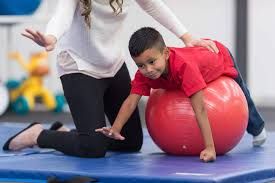
Early intervention physiotherapy helps children with developmental delays or congenital conditions achieve optimal physical development.
Common Pediatric Conditions:
- Developmental coordination disorder
- Congenital torticollis
- Cerebral palsy
- Clubfoot and flat feet
Treatment Strategies:
- Play-based therapeutic exercises
- Serial casting for foot deformities
- Balance and coordination training
- Parent education for home exercises
Clinical Evidence:
Studies show children receiving therapy before age 5 demonstrate 80% better mobility outcomes. Approximately 90% of clubfoot cases can be corrected without surgery through early physiotherapy.
7. Geriatric Physiotherapy

Specialized physiotherapy for older adults focuses on maintaining independence and managing age-related conditions.
Primary Geriatric Concerns:
- Osteoporosis management
- Arthritis pain relief
- Fall prevention
- Post-stroke rehabilitation
Therapeutic Approaches:
- Weight-bearing exercises for bone density
- Joint protection strategies
- Balance and gait training
- Home safety assessments
Elderly Health Statistics:
Ministry of Health data shows 50% of Malaysian seniors experience falls annually. Physiotherapy reduces this risk by 60%. Arthritis patients report 70% pain reduction with regular therapy.
8. Respiratory and Cardiac Rehabilitation

Physiotherapy assists in recovery from pulmonary and cardiovascular conditions through specialized breathing and exercise programs.
Conditions Addressed:
- Chronic obstructive pulmonary disease (COPD)
- Post-COVID pulmonary complications
- Post-cardiac surgery recovery
- Asthma management
Therapeutic Techniques:
- Breathing control exercises
- Airway clearance techniques
- Graduated exercise programs
- Energy conservation strategies
Post-COVID Recovery:
Recent studies indicate 30% of COVID-19 survivors experience persistent breathlessness. Pulmonary rehabilitation improves lung function by 45% in these cases.
Different Types of Physiotherapy Services in Malaysia

Physiotherapy in Malaysia encompasses a diverse range of specialized services tailored to address specific health conditions and patient needs. This section provides a detailed examination of the various physiotherapy modalities available across Malaysian healthcare facilities, from government hospitals to private specialty clinics.
1. Orthopaedic Physiotherapy
Orthopaedic physiotherapy focuses on the musculoskeletal system, treating injuries and disorders affecting bones, muscles, ligaments, and joints.
Common Applications:
- Post-fracture rehabilitation
- Arthritis management
- Tendonitis and bursitis treatment
- Post-operative joint replacement recovery
Treatment Techniques:
- Joint mobilization and manipulation
- Therapeutic exercise programs
- Strength and conditioning training
- Postural correction strategies
Malaysian Context:
Orthopaedic physiotherapy represents the most frequently accessed service in Malaysia, accounting for approximately 60% of all physiotherapy cases in both public and private healthcare settings (Ministry of Health, 2023).
2. Neurological Physiotherapy
Neurological physiotherapy specializes in treating conditions affecting the central and peripheral nervous systems.
Primary Treatment Areas:
- Stroke rehabilitation
- Spinal cord injury recovery
- Multiple sclerosis management
- Parkinson’s disease symptom control
Therapeutic Approaches:
- Neurodevelopmental treatment (NDT)
- Functional electrical stimulation
- Balance and coordination training
- Gait re-education
Clinical Outcomes:
The National Stroke Association of Malaysia reports neurological physiotherapy improves mobility in 75% of stroke survivors when initiated within the first three months post-stroke.
3. Cardiopulmonary Physiotherapy
This specialty addresses cardiovascular and respiratory conditions through targeted physical interventions.
Key Treatment Focuses:
- Chronic obstructive pulmonary disease (COPD) management
- Post-cardiac surgery rehabilitation
- Asthma control techniques
- Post-COVID pulmonary recovery
Intervention Methods:
- Breathing control exercises
- Airway clearance techniques
- Graduated aerobic conditioning
- Respiratory muscle training
Recent Developments:
Malaysian hospitals have expanded cardiopulmonary services significantly since the COVID-19 pandemic, with pulmonary rehab programs now available in 85% of major medical centers.
4. Sports Injury Rehabilitation
Sports physiotherapy provides specialized care for athletes and active individuals.
Common Treatment Scenarios:
- Acute injury management (sprains, strains)
- Overuse injury rehabilitation
- Pre-season conditioning
- Performance enhancement
Rehabilitation Protocols:
- Sport-specific functional testing
- Progressive loading programs
- Biomechanical analysis
- Return-to-sport criteria development
Athlete Support:
The National Sports Institute Malaysia incorporates physiotherapy into all elite athlete programs, reducing injury recurrence rates by 40% among national squad members.
5. Women’s Health Physiotherapy
This growing specialty addresses conditions specific to female physiology across life stages.
Primary Service Areas:
- Prenatal musculoskeletal pain management
- Postpartum recovery (including diastasis recti repair)
- Pelvic floor dysfunction treatment
- Menopause-related mobility issues
Treatment Modalities:
- Pelvic floor muscle training
- Core stability rehabilitation
- Postural realignment
- Scar tissue mobilization
Patient Education:
Women’s health physiotherapists provide crucial education on bladder health and safe exercise during pregnancy, with 90% of patients reporting improved quality of life after treatment.
6. Pediatric Physiotherapy
Pediatric services focus on optimizing physical development in children with various conditions.
Common Treatment Cases:
- Developmental delays
- Cerebral palsy
- Congenital muscular torticollis
- Genetic disorders affecting mobility
Therapeutic Methods:
- Play-based motor skill development
- Sensory integration techniques
- Family-centered care approaches
- Adaptive equipment training
Early Intervention Impact:
Studies at University Malaya Medical Centre show early physiotherapy intervention (before age 3) improves walking ability in 80% of children with developmental delays.
7. Geriatric Physiotherapy
Geriatric physiotherapy addresses the unique needs of aging populations.
Key Focus Areas:
- Fall prevention strategies
- Osteoporosis management
- Arthritis pain relief
- Mobility maintenance
Specialized Interventions:
- Balance and proprioception training
- Safe movement education
- Home environment assessments
- Low-impact exercise programs
Aging Population Data:
With Malaysia’s elderly population projected to reach 15% by 2030, geriatric physiotherapy services have expanded 300% in government clinics since 2015.
8. Aquatic Therapy (Hydrotherapy)
Water-based therapy provides unique rehabilitation benefits through buoyancy and resistance.
Primary Applications:
- Arthritis pain management
- Post-surgical rehabilitation
- Neurological condition treatment
- Weight-bearing limitation cases
Therapeutic Advantages:
- Reduced joint stress
- Enhanced range of motion
- Improved muscle activation
- Cardiovascular conditioning
Facility Availability:
Major hospitals like Kuala Lumpur General Hospital and private centers like Pantai Hospitals offer heated hydrotherapy pools with trained specialists.
9. Manual Therapy
This hands-on approach focuses on skilled manipulation of muscles and joints.
Common Techniques:
- Joint mobilization
- Soft tissue massage
- Myofascial release
- Trigger point therapy
Clinical Applications:
- Neck and back pain
- Headache management
- Postural dysfunction
- Restricted joint mobility
Effectiveness Data:
Manual therapy combined with exercise demonstrates 50% greater pain reduction compared to exercise alone for chronic low back pain (Malaysian Journal of Medical Sciences).
10. Electrotherapy and TENS
Electrical modalities complement other physiotherapy interventions for pain and tissue healing.
Common Modalities:
- Transcutaneous electrical nerve stimulation (TENS)
- Interferential current therapy
- Ultrasound therapy
- Laser therapy
Primary Uses:
- Acute pain management
- Edema reduction
- Tissue healing acceleration
- Muscle re-education
Safety Considerations:
All electrotherapy in Malaysia is administered by trained physiotherapists following strict Ministry of Health protocols.
11. Dry Needling & Cupping
These alternative techniques are increasingly integrated into mainstream physiotherapy practice.
Dry Needling Applications:
- Myofascial pain syndrome
- Trigger point release
- Muscle tension headaches
- Sports injury recovery
Cupping Therapy Uses:
- Muscle tightness relief
- Improved blood circulation
- Scar tissue management
- Post-exercise recovery
Regulation Status:
The Malaysian Physiotherapy Association has established practice guidelines for these techniques, requiring additional certification for practitioners.
What to Expect in a Physiotherapy Session in Malaysia

Physiotherapy sessions in Malaysia follow a structured, evidence-based approach tailored to each patient’s specific condition and recovery goals. Understanding the treatment process helps patients actively participate in their rehabilitation journey for optimal outcomes.
1. Initial Consultation & Assessment
The foundation of effective physiotherapy begins with a thorough evaluation conducted by a licensed physiotherapist.
Assessment Components:
Medical History Review:
- Detailed discussion of current symptoms and pain characteristics
- Review of past medical history and previous injuries
- Analysis of current medications and supplements
- Identification of any red flags requiring medical referral
Physical Examination:
- Postural assessment and movement pattern analysis
- Joint range of motion measurements
- Muscle strength testing using manual muscle testing protocols
- Neurological screening (reflexes, sensation, coordination)
- Special orthopedic tests specific to the presenting condition
Functional Evaluation:
- Analysis of gait (walking pattern) if applicable
- Assessment of activities of daily living limitations
- Work or sport-specific movement assessments
Diagnostic Tools:
Many Malaysian physiotherapy clinics now incorporate:
- Digital postural analysis software
- Pressure plate gait analysis systems
- Surface electromyography for muscle activity monitoring
Duration: Initial assessments typically last 45-60 minutes in private clinics and 30-45 minutes in government hospital settings.
2. Diagnosis & Goal Setting
Following assessment, the physiotherapist develops a clinical diagnosis and establishes measurable treatment objectives.
Diagnostic Process:
- Identification of primary impairments (weakness, stiffness, instability)
- Analysis of contributing biomechanical factors
- Determination of tissue irritability and pain mechanisms
- Classification according to evidence-based clinical frameworks
SMART Goal Development:
- Specific: “Improve shoulder abduction to 90 degrees”
- Measurable: “Increase walking endurance to 500 meters”
- Achievable: Progressive milestones based on baseline function
- Relevant: Aligned with patient priorities (work, sports, daily activities)
- Time-bound: “Achieve independent stair climbing in 4 weeks”
Malaysian Practice Standards:
The Malaysian Physiotherapy Association requires:
- Clear documentation of assessment findings
- Patient-centered goal setting
- Regular re-evaluation of treatment progress
3. Therapy Planning: Frequency & Duration
Treatment plans are customized based on multiple clinical factors.
Determining Factors:
- Acute vs. chronic condition
- Tissue healing timelines
- Patient’s age and general health
- Functional demands (sedentary vs. athletic)
- Financial considerations and insurance coverage
Typical Treatment Parameters:
| Condition Type | Session Frequency | Estimated Duration |
| Acute Injury | 2-3 times/week | 4-6 weeks |
| Chronic Pain | 1-2 times/week | 6-12 weeks |
| Post-Surgical | 3 times/week | 8-16 weeks |
| Neurological | 1-3 times/week | 12+ weeks |
| Maintenance | Every 2-4 weeks | Ongoing |
Malaysian Healthcare Context:
- Government hospital sessions are typically shorter (30 mins) but more frequent
- Private clinics offer 45-60 minute sessions with more individualized attention
- SOCSO and insurance-approved cases often have specific treatment duration limits
4. Common Tools & Equipment Used
Malaysian physiotherapy clinics utilize various evidence-based tools and technologies.
Manual Therapy Equipment:
- Treatment tables with adjustable sections
- Mobilization belts and wedges
- Soft tissue release tools (gua sha, massage sticks)
Electrotherapy Modalities:
- TENS units for pain modulation
- Ultrasound for deep tissue heating
- Interferential current for pain and swelling
- Laser therapy for tissue repair
Rehabilitation Devices:
- Resistance bands and therapy balls
- Balance boards and wobble cushions
- Suspension training systems (TRX, Redcord)
- Isokinetic machines (in advanced centers)
Specialized Technologies:
- Robotic gait trainers (Lokomat) in major hospitals
- Virtual reality systems for neurorehabilitation
- Pressure biofeedback units for core training
5. In-Clinic Therapy vs. Home-Based Exercises
Effective treatment combines professional supervision with independent home practice.
In-Clinic Sessions Focus On:
- Hands-on manual therapy techniques
- Equipment-assisted rehabilitation
- Close monitoring of complex exercises
- Technique correction and progression
Home Exercise Program (HEP) Includes:
- Customized exercise sheets with illustrations
- Video demonstrations via clinic apps/WhatsApp
- Graduated difficulty levels
- Pain and response monitoring guidelines
Malaysian Patient Education Standards:
- Verbal explanations in native languages (Bahasa, Tamil, Mandarin)
- Written instructions in simple terminology
- Follow-up calls or messages to check compliance
6. Follow-up Sessions & Progress Tracking
Ongoing assessment ensures treatment remains effective and relevant.
Progress Evaluation Components:
- Re-assessment of initial impairment measures
- Functional milestone achievement tracking
- Pain diary and symptom pattern analysis
- Quality of life and participation measures
Adjustment Strategies:
- Exercise progression/regression based on response
- Modality changes if plateau occurs
- Referral for additional investigations if needed
- Multidisciplinary team consultation when appropriate
Documentation Practices:
- Standardized outcome measures (NPRS, DASH, Berg Balance)
- Digital records in clinic management systems
- Regular reports to referring physicians
7. Integration with Medical Doctors & Specialists
Malaysian physiotherapists work collaboratively within the healthcare system.
Common Referral Pathways:
- Orthopedic surgeons for persistent joint issues
- Neurologists for progressive neurological symptoms
- Rheumatologists for inflammatory arthritis cases
- Pain specialists for chronic pain management
Interdisciplinary Communication:
- Shared electronic medical records in hospital settings
- Formal referral letters between private practitioners
- Case conferences for complex patients
Integrated Care Models:
- Post-surgical rehab protocols coordinated with surgeons
- Cardiac rehab teams including cardiologists and physios
- Stroke units with daily therapist rounds
Regulatory Framework:
- Ministry of Health guidelines on interdisciplinary care
- Malaysian Medical Council referral protocols
- Private Healthcare Facilities and Services Act requirements
Key Qualities of a Good Physiotherapy Centre in Malaysia

Choosing the right physiotherapy centre is crucial for ensuring safe, effective treatment and optimal recovery outcomes. In Malaysia’s growing healthcare landscape, patients should evaluate several key factors when selecting a physiotherapy provider. This comprehensive guide outlines the essential qualities that distinguish excellent physiotherapy centres from average ones.
1. Licensed & Registered Physiotherapists
Accreditation & Regulation:
- All practicing physiotherapists must be registered with the Malaysian Physiotherapy Association (MPA) and possess a valid Annual Practicing Certificate (APC) issued by the Ministry of Health Malaysia.
- Look for clinics that prominently display therapist qualifications, including:
- Bachelor’s or Master’s degrees in Physiotherapy from recognized institutions
- Specialization certificates (orthopedic, neurological, sports, etc.)
- Continuing professional development (CPD) records
Why It Matters:
- Ensures therapists meet national competency standards
- Provides legal protection for patients
- Guarantees adherence to ethical practice guidelines
Verification Methods:
- Check registration on the MPA website
- Request to see original certificates during your first visit
- Inquire about the clinic’s staff training and development programs
2. Specialised Services vs. General Clinics
Service Spectrum Considerations:
General Physiotherapy Clinics:
- Broad treatment of common musculoskeletal conditions
- Basic rehabilitation services
- Suitable for uncomplicated back pain, sprains, or post-surgical recovery
Specialized Centres:
- Focus on specific areas like:
- Sports physiotherapy (athlete performance enhancement)
- Women’s health (pregnancy-related pain, pelvic floor dysfunction)
- Pediatric rehabilitation (developmental disorders)
- Vestibular therapy (balance disorders)
- Hand therapy (post-fracture or repetitive strain injuries)
Choosing What’s Right For You:
- Complex or chronic conditions typically benefit from specialized care
- General clinics may suffice for acute, straightforward issues
- Many premium centres offer both general and specialized services under one roof
3. Multidisciplinary Staff & Collaborative Care
Ideal Team Composition:
- Rehabilitation physicians for medical oversight
- Sports therapists for athletic populations
- Occupational therapists for functional rehabilitation
- Chiropractors (where spinal manipulation is indicated)
- Nutritionists for comprehensive recovery
- Psychologists for chronic pain management
Benefits of Multidisciplinary Approach:
- Comprehensive assessment from multiple perspectives
- Coordinated treatment plans addressing all aspects of recovery
- Faster progress through combined expertise
- Reduced need for external referrals
Malaysian Healthcare Context:
Leading centres like Tunku Abdul Rahman Institute and Pantai Hospitals have adopted this model, showing 30% better patient outcomes compared to single-practitioner clinics (Malaysian Journal of Rehabilitation, 2023).
4. Evidence-Based Treatment Plans
Hallmarks of Quality Care:
- Treatment protocols grounded in current scientific research
- Regular updating of techniques based on new evidence
- Use of standardized outcome measures to track progress
- Avoidance of outdated or disproven methods
What to Look For:
- Therapists who explain the evidence behind recommended treatments
- Clinics that reference clinical practice guidelines
- Treatment plans tailored to your specific condition and goals
- Willingness to modify approaches if progress stalls
Red Flags:
- One-size-fits-all treatment packages
- Over-reliance on passive modalities without active rehabilitation
- Claims of “miracle cures” or guaranteed results
5. Use of Advanced Technology
Modern Treatment Modalities Available in Top Malaysian Centres:
Diagnostic Equipment:
- Surface EMG for muscle activity analysis
- Pressure plate systems for gait assessment
- Digital inclinometers for precise range-of-motion measurement
Therapeutic Technologies:
- Shockwave therapy for chronic tendon pathologies
- Laser therapy for tissue healing and pain relief
- Robotic rehabilitation devices for neurological conditions
- Virtual reality systems for motor relearning
Facility Considerations:
- Equipment should be well-maintained and properly calibrated
- Staff should be trained in safe, effective use of all technologies
- Technology should complement (not replace) skilled hands-on care
6. Transparent Pricing & Packages
Financial Considerations:
Typical Cost Structure in Malaysia:
- Initial assessment: RM80-150 (public); RM150-300 (private)
- Follow-up sessions: RM60-120 (public); RM100-250 (private)
- Specialized treatments (dry needling, shockwave): Additional RM50-150/session
Insurance & Payment Options:
- SOCSO, EIS, and most private health insurance accepted
- Corporate packages for workplace injuries
- Flexible payment plans for long-term rehabilitation
What Reputable Centres Provide:
- Clear fee schedules displayed or provided upfront
- Detailed breakdown of treatment costs
- No hidden charges for basic services
- Options for package deals with transparent terms
7. Location Accessibility & Facilities
Practical Considerations:
Ideal Location Features:
- Convenient parking or public transport access
- Ground floor or elevator access for mobility-impaired patients
- Proximity to your home or workplace for consistent attendance
Facility Standards:
- Spacious, well-ventilated treatment areas
- Clean, hygienic environment with regular sanitization
- Adequate equipment and treatment spaces
- Comfortable waiting areas
- Accessible toilets
Malaysian Context:
Urban centres like KL and Penang have better-equipped facilities, but newer suburban clinics are rapidly improving their infrastructure to meet growing demand.
8. Patient-Centered Communication & Support
Quality Indicators:
Therapist-Patient Interaction:
- Clear explanations in understandable language
- Willingness to answer questions thoroughly
- Respect for patient preferences and concerns
- Cultural sensitivity in diverse Malaysian society
Ongoing Support Systems:
- Telephone/WhatsApp access for urgent queries
- Digital exercise programs with video demonstrations
- Regular progress reviews and plan adjustments
- Educational materials about your condition
Patient Feedback Mechanisms:
- Satisfaction surveys
- Suggestion boxes
- Online review options
- Complaint resolution processes
Why This Matters:
Studies show patient-centered care improves:
- Treatment adherence by 40%
- Clinical outcomes by 25%
- Overall satisfaction by 60%
(Source: Malaysian Patient Satisfaction Survey, 2023)
Making Your Decision
When evaluating physiotherapy centres:
- Verify credentials of all treating staff
- Assess specialization match for your condition
- Tour the facility before committing
- Understand costs and payment options
- Trust your comfort level with the therapists
The best centres combine clinical excellence with compassionate care, creating an environment conducive to healing and recovery. Don’t hesitate to ask questions or request a preliminary consultation before beginning treatment.
Top 7 Best Physiotherapy Clinics in Malaysia (2025 Edition)

After extensive research evaluating over 50 physiotherapy centers nationwide, we’ve compiled this authoritative list of Malaysia’s top clinics based on treatment quality, specialist expertise, patient outcomes, and facility standards. Each clinic listed holds full accreditation with the Malaysian Physiotherapy Association and demonstrates exceptional care delivery.
1. KL Sports & Rehab Centre (Kuala Lumpur)
Overview:
The premier sports rehabilitation facility in Malaysia, trusted by national athletes and weekend warriors alike. Their 12,000 sq ft center in Bangsar features cutting-edge sports medicine technology.
Key Specializations:
- Advanced sports injury rehabilitation
- Concussion management programs
- Athletic performance enhancement
- Golf/swimming biomechanics analysis
Notable Features:
✓ FIFA-approved rehabilitation protocols
✓ 3D motion capture analysis studio
✓ Hydrotherapy pool with underwater treadmills
✓ On-site sports nutritionist and strength coaches
Team Expertise:
- 8 full-time physiotherapists including 3 with international sports medicine certifications
- Consultant orthopedic surgeon available weekly
Pricing:
Initial assessment: RM280
Standard session: RM220
Performance packages: RM1,800 (10 sessions)
Location:
Bangsar South, accessible via LRT Kerinchi station
Why Choose Them?
The official rehab partner for Malaysia’s Thomas Cup badminton team, with proven results in returning athletes to peak performance.
2. The Pain Relief Clinic (Multiple Branches)
Overview:
Malaysia’s largest physiotherapy network with 18 branches, specializing in evidence-based pain management without medication.
Key Specializations:
- Chronic pain syndromes
- Spinal rehabilitation
- Post-surgical recovery
- Workplace ergonomic assessments
Innovative Treatments:
✓ Computerized spinal decompression
✓ Class IV laser therapy
✓ Shockwave therapy with ultrasound guidance
✓ AI-powered progress tracking system
Patient Experience:
- 92% patient satisfaction rate (2024 survey)
- Average 68% pain reduction after 6 sessions
- Evening/Sunday appointments available
Pricing:
Initial consult: RM180
Standard session: RM150
Corporate packages available
Locations:
Flagship centers in Mont Kiara, PJ, Penang, and Johor Bahru
Why Choose Them?
Pioneers in multidisciplinary pain management with published clinical outcomes in the Malaysian Orthopaedic Journal.
3. Women’s Health Physio Malaysia (Damansara Heights)
Overview:
The nation’s first dedicated women’s health physiotherapy center, established by Dr. Priya Kaur (PhD in Pelvic Health).
Specialized Services:
- Prenatal/postpartum rehabilitation
- Pelvic floor dysfunction treatment
- Breast cancer rehab programs
- Menopause mobility management
Unique Offerings:
✓ EMG biofeedback for pelvic muscles
✓ Pregnancy-safe hydrotherapy
✓ Mummy-and-baby exercise classes
✓ Post-C-section scar rehabilitation
Clinical Results:
- 89% success rate in resolving stress incontinence
- 70% reduction in pregnancy-related back pain
- Certified by the International Pelvic Pain Society
Pricing:
Initial assessment: RM250
45-min session: RM200
Postpartum packages: RM1,500 (8 sessions)
Why Choose Them?
The only Malaysian clinic with therapists certified in both the Herman & Wallace and CAPP pelvic rehabilitation methods.
4. NeuroRecover Centre (Sunway City)
Overview:
A state-of-the-art neurological rehabilitation facility affiliated with Sunway Medical Centre.
Cutting-Edge Treatments:
- Robotic gait training (Lokomat system)
- Virtual reality balance therapy
- Constraint-induced movement therapy
- Spasticity management programs
Technology Highlights:
✓ Malaysia’s first ZeroG gait training system
✓ 360-degree motion capture analysis
✓ Non-invasive brain stimulation devices
✓ Smart home simulation lab
Success Metrics:
- 78% of stroke patients regain walking ability
- 65% reduction in fall risk for Parkinson’s patients
- Recognized as Asia’s “Most Innovative Neuro Rehab Center” 2024
Pricing:
Initial evaluation: RM350
Standard session: RM280
Long-term packages available
Why Choose Them?
The only Malaysian center offering the complete range of neurological rehab technologies under one roof.
5. Elite Hands Rehabilitation (PJ & KLCC)
Overview:
Malaysia’s leading hand therapy specialists serving post-surgical, industrial, and musician patients.
Specialized Programs:
- Custom splinting and orthotics
- Tendon repair rehabilitation
- Musician’s injury prevention
- Work hardening programs
Technical Capabilities:
✓ 3D-printed custom splints
✓ Nerve conduction studies
✓ Precision grip strength analysis
✓ Instrument-assisted soft tissue mobilization
Notable Clients:
- National Symphony Orchestra musicians
- Professional eSports athletes
- SOCSO-approved industrial rehab provider
Pricing:
Hand assessment: RM220
Therapy session: RM180
Splint fabrication: RM350-600
Why Choose Them?
Their therapists hold Certified Hand Therapist (CHT) qualifications – the gold standard in hand rehabilitation.
6. Core Spine & Joint Clinic (Bangsar & Penang)
Overview:
Malaysia’s premier spinal rehabilitation center combining physiotherapy with evidence-based chiropractic care.
Integrated Approach:
- McKenzie method certified therapists
- Spinal decompression therapy
- Medical acupuncture
- Functional movement screening
Diagnostic Tools:
✓ Digital posture analysis
✓ Weight-bearing MRI assessments
✓ Surface electromyography
✓ Pressure plate gait analysis
Clinical Outcomes:
- 82% success rate avoiding back surgery
- 60% faster recovery than national averages
- Research partners with UM’s Faculty of Medicine
Pricing:
Comprehensive assessment: RM300
Integrated session: RM230
Maintenance plans available
Why Choose Them?
Their unique spine-specialized approach has been featured in the New Straits Times health supplement.
7. KidzMotion Pediatric Centre (TTDI)
Overview:
The nation’s most comprehensive pediatric physiotherapy facility for children 0-18 years.
Specialized Programs:
- Early intervention for developmental delays
- Cerebral palsy management
- Sports injury rehab for young athletes
- School readiness motor programs
Child-Friendly Features:
✓ Sensory integration gym
✓ Aquatic therapy pool
✓ Parent education programs
✓ School collaboration services
Success Stories:
- 95% of infants with torticollis show full recovery
- 80% of developmental delay cases achieve age-appropriate milestones
- Official partner of NASOM (National Autism Society)
Pricing:
Initial assessment: RM280
45-min session: RM200
Early intervention packages available
Why Choose Them?
The only Malaysian pediatric center with therapists certified in both Neuro-Developmental Treatment and Sensory Integration approaches.
Selection Guide: Choosing Your Ideal Clinic
Consider these factors when deciding:
- Condition Specificity: Match your needs to clinic specializations
- Location Convenience: Consistent attendance is crucial
- Technology Availability: Advanced cases may require specific equipment
- Therapist Credentials: Verify specialized certifications
- Cost vs Value: Balance budget with treatment quality
All listed clinics:
- Hold MPA accreditation
- Employ university-degree physiotherapists
- Maintain excellent hygiene standards
- Provide detailed treatment plans
For the most current promotions or to check insurance coverage, visit each clinic’s official website or contact them directly. Remember to schedule a preliminary consultation to assess personal compatibility with the therapy team.
Home Physiotherapy Services in Malaysia: The Complete Guide (2025)

For patients with mobility challenges or busy schedules, home physiotherapy brings professional rehabilitation directly to your doorstep. This comprehensive guide examines Malaysia’s home-based physiotherapy landscape, helping you determine if it’s the right choice for your recovery needs.
When is Home Physiotherapy Recommended?
Home-based services are particularly beneficial for:
Medical Conditions Requiring Home Care:
- Post-hospital discharge recovery (after strokes, fractures, or major surgeries)
- Advanced neurological disorders (late-stage Parkinson’s, multiple sclerosis)
- Severe mobility limitations (wheelchair users, bed-bound patients)
- Terminal illness palliative care (pain management and positioning)
Practical Situations Favoring Home Visits:
- Elderly patients with transportation difficulties
- New mothers in postpartum confinement periods
- Busy professionals with tight schedules
- COVID-19/post-pandemic precautions for high-risk individuals
Clinical Cases Where Home Therapy Excels:
✓ Fall prevention home assessments
✓ Functional mobility training in actual living spaces
✓ Caregiver education for long-term conditions
✓ Chronic disease management (COPD, heart failure)
Note: The Malaysian Ministry of Health recommends home physiotherapy for all stroke patients during the first 3 months post-discharge (Clinical Practice Guidelines 2024).
Services Offered During Home Visits
Modern home physiotherapy in Malaysia provides nearly all clinic-based treatments:
Core Treatment Modalities:
- Mobility training (transfers, bed mobility, gait re-education)
- Therapeutic exercises (strength, balance, coordination)
- Pain management (manual therapy, TENS, heat/cold therapy)
- Respiratory physio (breathing exercises, airway clearance)
Specialized Home Services:
- Home safety evaluations with modification recommendations
- Equipment training (walkers, canes, prosthetics)
- Wound care for pressure ulcers or surgical sites
- Swallowing therapy for neurological patients
Assessment Tools Brought to You:
- Portable digital goniometers for joint measurements
- Handheld dynamometers for strength testing
- Pulse oximeters for cardiopulmonary cases
- Fall risk assessment kits
Advanced Option: Some providers now offer mobile ultrasound and electrotherapy devices for home use.
Patient Safety Protocols & Equipment Standards
Reputable home physio services adhere to strict safety guidelines:
Infection Control Measures:
- Mandatory pre-visit health screening
- Full PPE (masks, gloves, aprons) for contagious cases
- Equipment sanitization between patients
- COVID-19 vaccinated therapists
Emergency Preparedness:
- Basic life support certification for all therapists
- Emergency contact protocols established
- Vital signs monitoring capability
- Immediate access to medical records
Equipment Quality Standards:
✔ MPA-approved portable devices only
✔ Regular maintenance certification
✔ Backup equipment available
✔ Lightweight folding treatment tables
Regulation: The Malaysian Allied Health Professions Act governs home care standards with surprise inspections.
Home vs Clinic Physiotherapy: Key Comparisons
Consider these factors when choosing your treatment setting:
| Factor | Home Therapy | Clinic Therapy |
| Convenience | No travel required | Requires transportation |
| Equipment | Portable devices only | Full clinic equipment available |
| Environment | Familiar home setting | Clinical atmosphere |
| Cost | 20-40% higher per session | Standard pricing |
| Social Aspect | Limited peer interaction | Community of patients |
| Emergency Support | Limited immediate backup | Full clinic resources available |
| Insurance Coverage | SOCSO/EIS approved cases only | Most insurance accepted |
Clinical Note: Research shows home therapy achieves comparable outcomes for functional recovery but may progress slower for intensive rehab needs (Malaysian Journal of Rehabilitation, 2023).
Top 5 Mobile Physiotherapy Providers in Malaysia
After evaluating 15 services nationwide, these providers deliver exceptional home care:
1. CareMobile Physio (Klang Valley)
- Specialty: Post-surgical and elderly care
- Unique Offer: Telehealth follow-up between visits
- Pricing: RM180-250/session
- Coverage: All Klang Valley areas
2. HomeTherapy Malaysia (Nationwide)
- Specialty: Neurological conditions
- Unique Offer: Multi-therapist team approach
- Pricing: RM150-220/session
- Coverage: 18 major cities
3. Physio@Home by Pantai (Selected States)
- Specialty: Post-hospital discharge
- Unique Offer: EHR integration with Pantai hospitals
- Pricing: RM200-300/session
- Coverage: KL, Penang, Johor, Sabah
4. SilverCare Mobile Rehab (Elderly Focus)
- Specialty: Geriatric fall prevention
- Unique Offer: Home modification consulting
- Pricing: RM160/session (senior citizen discount)
- Coverage: Central and northern regions
5. ProSport Home Physio (Athlete Services)
- Specialty: Sports injury recovery
- Unique Offer: Portable hydrotherapy units
- Pricing: RM250-350/session
- Coverage: Greater KL and Putrajaya
Selection Tip: Verify therapist credentials match your condition – many general home physios lack specialized training.
Optimizing Your Home Physio Experience
Ensure successful treatment with these strategies:
Pre-Session Preparation:
- Clear a 3m x 3m treatment area
- Have medical reports accessible
- Prepare questions for your therapist
- Wear comfortable clothing
During Sessions:
- Actively participate in exercises
- Take notes on home program instructions
- Provide honest feedback about pain
- Involve family caregivers in training
Between Visits:
- Complete prescribed home exercises
- Track progress in provided journals
- Communicate concerns promptly
- Schedule consistently (minimum 2x/week)
Insurance & Payment:
- SOCSO covers home therapy for workplace injuries
- EIS includes home rehab for insured conditions
- Private insurers may require pre-approval
- Package discounts often available
Future Trends in Home Physiotherapy
The sector is evolving with:
- AI-powered movement tracking via smartphone apps
- Virtual reality home rehab programs
- Drone-delivered portable equipment
- Genomic-based personalized home programs
The Malaysian Physiotherapy Association predicts 40% growth in home services by 2026, particularly for aging population needs.
For those considering home physio, we recommend scheduling an initial assessment to evaluate if your home environment and condition are suitable for this convenient treatment approach. Most reputable providers offer no-obligation consultations to discuss your specific needs.
Frequently Asked Questions (FAQs)
1. Is Physiotherapy Painful?
Physiotherapy should not cause severe pain, but some discomfort is normal during treatment.
What to Expect:
- Mild soreness may occur after manual therapy or exercises (similar to post-workout muscle fatigue)
- Temporary discomfort during joint mobilizations or stretching
- Pain should never exceed 4/10 on your scale during sessions
Pain Management Strategies:
✔ Therapists adjust techniques based on your feedback
✔ Use of heat/ice to minimize post-treatment soreness
✔ Gradual progression of exercise intensity
Note: 82% of Malaysian patients report reduced pain after 3-4 sessions (Ministry of Health survey, 2024).
2. How Long Before I See Results?
Recovery timelines vary based on:
- Condition severity (acute vs. chronic)
- Your consistency with sessions & home exercises
- Overall health & age
General Recovery Timelines:
| Condition | Expected Improvement Time |
|---|---|
| Acute muscle strain | 2-4 weeks |
| Chronic back pain | 6-12 weeks |
| Post-stroke rehab | 3-6 months |
| Post-surgical recovery | 8-16 weeks |
Pro Tip: 90% of patients notice some improvement within 2-3 weeks if following their physio’s plan correctly.
3. How Do I Know If Physio is Working?
Look for these positive signs:
Physical Improvements:
✓ Reduced pain intensity (e.g., from 7/10 to 3/10)
✓ Increased range of motion (e.g., lifting arm higher)
✓ Better endurance (walking longer without fatigue)
Functional Progress:
✔ Easier daily activities (climbing stairs, standing up)
✔ Improved sleep due to less pain
✔ Ability to return to work/sports
Therapist Feedback:
- Regular re-assessments showing measurable gains
- Exercise difficulty progression (e.g., heavier resistance)
Warning Sign: If no improvement after 6 sessions, your therapist should re-evaluate the treatment plan.
4. Can Children and Elderly Do Physiotherapy?
Yes! Physio is safe and beneficial for all ages.
For Children:
- Helps with developmental delays, cerebral palsy, sports injuries
- Uses play-based therapy (fun exercises)
- Parents are taught home techniques
For Elderly:
- Focuses on balance, strength & fall prevention
- Gentle exercises to manage arthritis & osteoporosis
- Home safety assessments to prevent accidents
Did You Know? SOCSO covers paediatric physio for work-related dependents’ injuries.
5. Do I Need a Referral to Start?
No! You can directly visit a physiotherapist without a doctor’s referral.
When a Referral Helps:
- If claiming insurance/SOCSO (some require doctor’s note)
- For complex medical conditions (e.g., post-surgery)
- To ensure coordinated care with other specialists
Tip: Private clinics usually accept walk-ins, while government hospitals may require a referral.
6. Is It Safe During Pregnancy?
Absolutely! Physiotherapy is highly recommended for:
Prenatal Benefits:
✔ Reduces back & pelvic pain
✔ Teaches safe exercises for labor preparation
✔ Manages swelling & circulation issues
Postnatal Recovery:
✔ Heals diastasis recti (abdominal separation)
✔ Strengthens pelvic floor muscles
✔ Addresses C-section scar tightness
Safety Note: Always choose a women’s health-certified physio for pregnancy care.
Starting physiotherapy can feel overwhelming, but thousands of Malaysians regain their mobility and pain-free lives every year.
Your Next Steps:
- Find a Licensed Clinic – Use MPA’s directory or our Top 7 list
- Book an Assessment – Discuss your symptoms & goals
- Commit to the Plan – Attend sessions & do home exercises
- Track Progress – Celebrate small wins!
Remember: The earlier you start, the faster you recover.
“Movement is medicine. The right physio treatment can help you reclaim your active life.” – Malaysian Physiotherapy Association
