
In today’s digital age, a well-designed blog can make a significant impact. Not only does it attract more readers, but it also enhances their overall experience. A successful blog design is not just about aesthetics; it’s about creating a user-friendly environment that encourages engagement and sharing. Following are the factors crucial for a good blog website design:
Factors Influencing Blog Website Design
Designing a successful blog goes beyond choosing colors and layouts; it involves understanding the audience and creating a user-centric experience. Several key factors influence blog website design:
1. Audience Profile:
- Understanding the target audience’s preferences, behaviors, and expectations is crucial. Design choices should align with the audience’s demographics and interests.
2. Brand Identity:
- The blog design should reflect the brand’s identity, including its tone, values, and visual elements. Consistency in branding helps establish credibility and recognition.
3. Content Strategy:
- The design should support the blog’s content strategy, highlighting important posts and guiding users to relevant content. A well-organized layout improves readability and engagement.
4. User Experience (UX):
- User experience is paramount. The design should be intuitive, with clear navigation, easy-to-find content, and fast loading times. Responsive design ensures a consistent experience across devices.
5. Visual Appeal:
- Aesthetics play a significant role in engaging users. Visual elements such as images, videos, and graphics should complement the content and enhance the overall design.
6. Accessibility:
- The design should be accessible to all users, including those with disabilities. This includes providing alternative text for images, using legible fonts, and ensuring color contrast for readability.
7. SEO Considerations:
- Design elements should be optimized for search engines to improve visibility and ranking. This includes using relevant keywords, creating a sitemap, and optimizing images for faster loading times.
8. Social Media Integration:
- Blogs should integrate social media sharing buttons and widgets to encourage readers to share content easily. This helps expand the blog’s reach and engagement.
9. Analytics and Feedback:
- Incorporating analytics tools allows bloggers to track user behavior and gather feedback. This data can help refine the design and content strategy for better performance.
10. Flexibility and Scalability:
- The design should be flexible and scalable to accommodate future growth and changes. This includes considering new features, content types, and technology updates.
By considering these factors, bloggers can create a website design that not only looks great but also enhances the overall user experience and supports the blog’s goals.
Exploring the Best Blog Website Design Examples
When it comes to blog design, some websites stand out for their exceptional design and user experience. Let’s explore some of the best blog website design examples that embody the principles of great design and functionality:
1. Smashing Magazine: Bold and Innovative Design


Smashing Magazine is renowned for its bold and innovative design, setting the standard for web design trends. The blog features a clean layout with vibrant colors, unique typography, and eye-catching graphics. Despite its visually rich design, the site remains intuitive and easy to navigate, with a focus on readability and user engagement. Personalizing the design based on user interactions and feedback can further enhance the user experience.
Website: smashingmagazine
2. The Minimalists: Masterclass in Minimalism
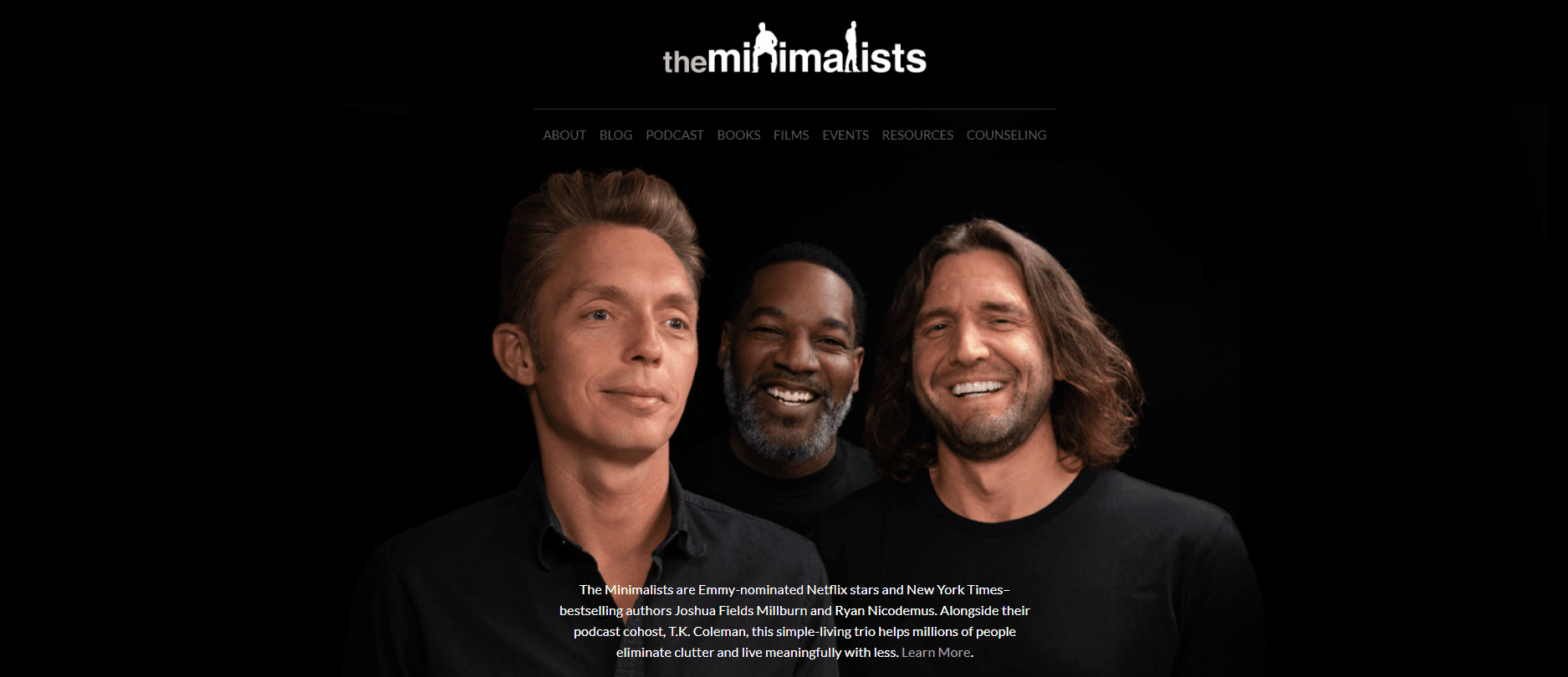

True to its name, The Minimalists’ blog exemplifies minimalist design at its finest. The blog’s layout is clean and uncluttered, with plenty of white space that allows the content to breathe. Navigation is straightforward, with a clear menu and easy-to-find categories. This design choice reflects the blog’s philosophy of simplifying life, resonating with readers seeking a minimalist lifestyle.
Website: theminimalists
3. Zen Habits: Embracing Simplicity
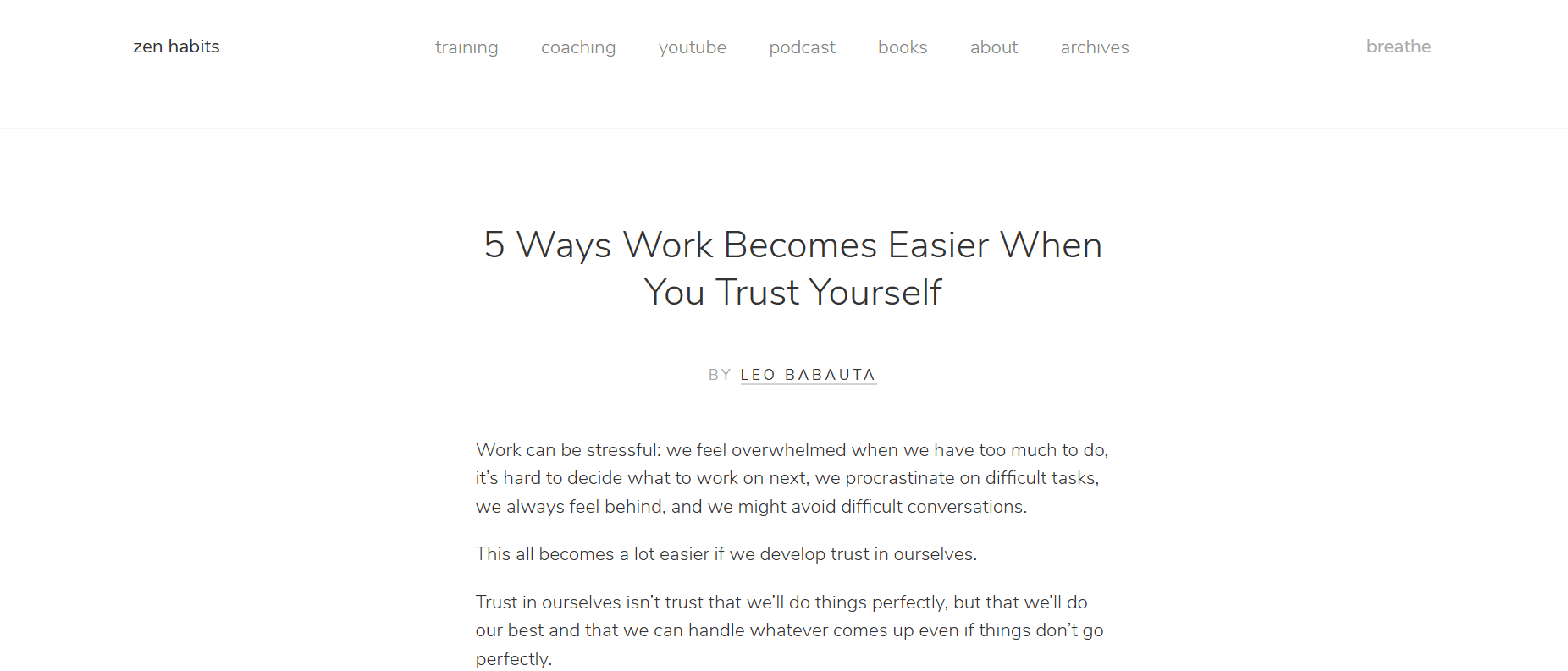

Zen Habits takes minimalism to a deeper level with its black-and-white design. The blog’s layout exudes a sense of calm and focus, aligning perfectly with its content centered around mindfulness and simplicity. The use of simple typography and ample white space enhances the reading experience, making it easy to digest the profound insights shared on the blog.
Website: zenhabits
4. Awwwards: Celebrating Web Design Excellence
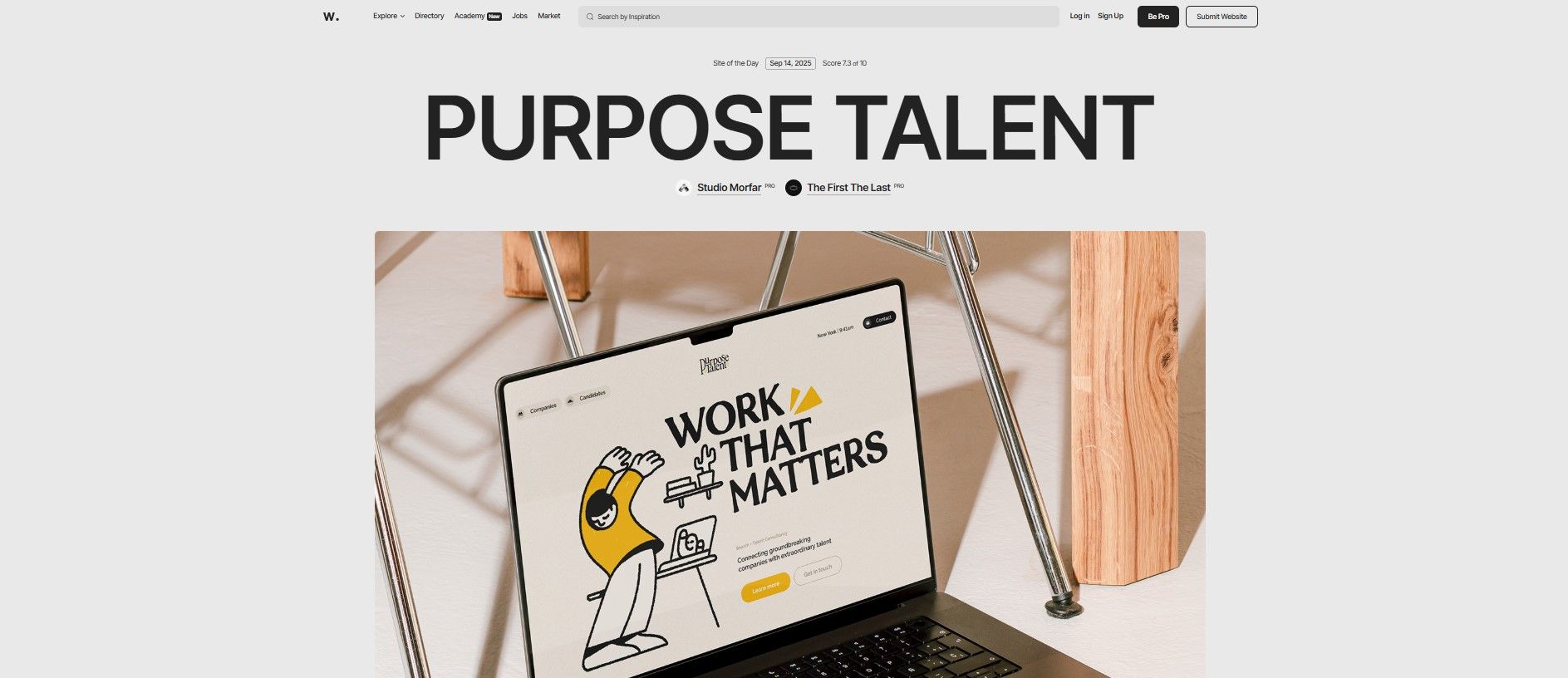

Awwwards is a blog that celebrates the best in web design, showcasing innovative and cutting-edge designs. The blog itself is a testament to great design, featuring interactive animations and dynamic visuals that captivate visitors. Despite its complexity, the site remains user-friendly, with intuitive navigation and a clean layout. Drawing inspiration from such sites can help bloggers elevate their own designs and stay ahead of the curve.
Website: awwwards
5. TechCrunch: Exemplifying Responsive Design


TechCrunch is a prime example of a blog with responsive design, seamlessly adapting to different screen sizes and devices. The layout is clean and organized, with easy-to-read content and intuitive navigation menus. This ensures a consistent user experience across devices, catering to the diverse preferences of modern-day readers.
Website: techcrunch
6. Mashable: Prioritizing Performance


Mashable is another blog that excels in responsive design, ensuring a seamless user experience on desktop and mobile devices alike. The site’s fast loading times and organized layout contribute to its user-friendly design, keeping visitors engaged and coming back for more. Implementing performance optimization techniques, such as image compression and minification, can further enhance the site’s speed and user experience.
Website: mashable
7. BuzzFeed: Engaging and Interactive
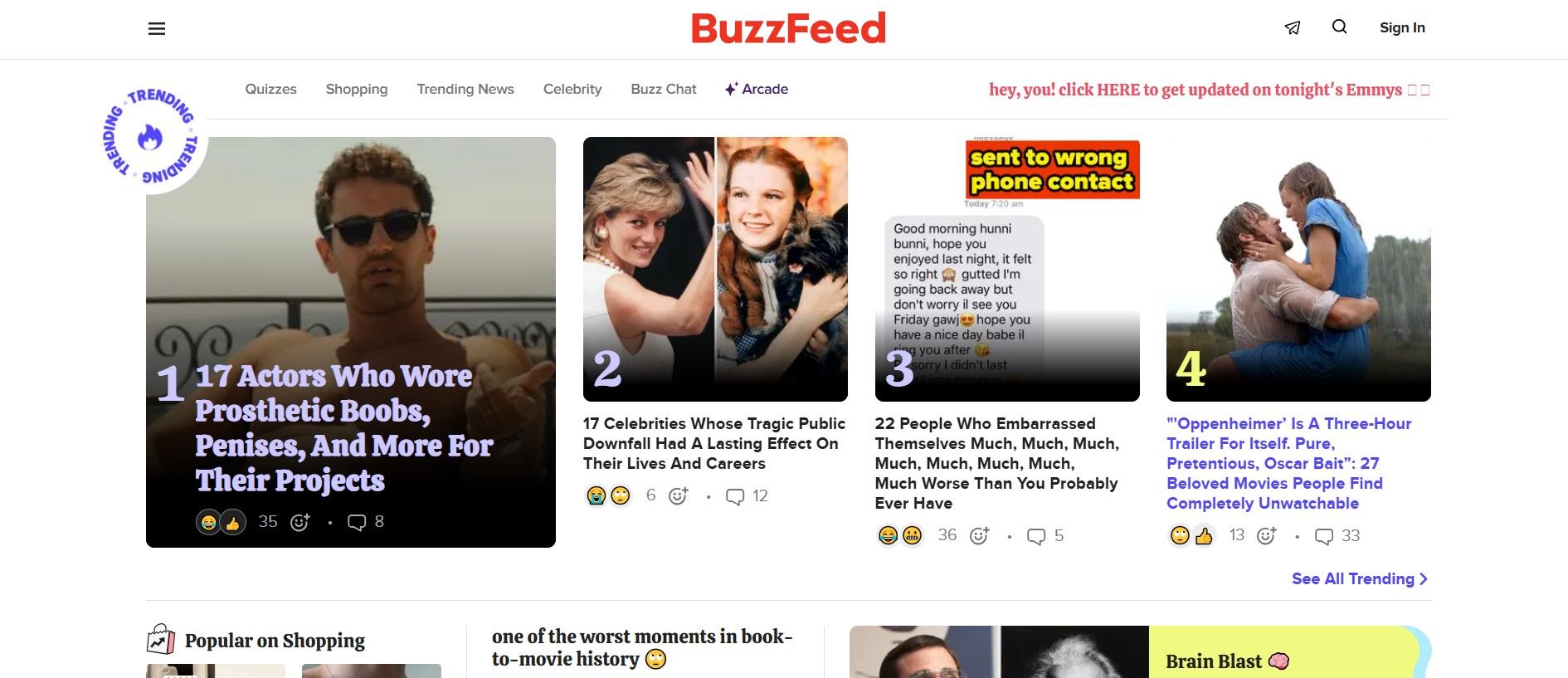

BuzzFeed is synonymous with engaging and interactive content, and its blog design reflects this ethos. The site features interactive quizzes, polls, and other interactive elements that encourage user participation. This not only keeps readers entertained but also encourages social sharing, expanding the blog’s reach and engagement.
Website: buzzfeed
8. The New Yorker: Balancing Form and Function


The New Yorker’s blog strikes a balance between form and function, with a clean and organized layout that enhances the storytelling experience. The blog features multimedia elements, such as videos and audio clips, that complement the content and engage readers on a deeper level. Incorporating multimedia elements can help bloggers convey their message more effectively and create a more immersive reading experience for their audience.
Website: newyorker
9. TED Blog: Inspiring Design


The TED Blog features a design that is as inspiring as the content it showcases. With a focus on impactful visuals and compelling storytelling, the blog engages readers from the moment they land on the page. The layout is clean and organized, with easy navigation that encourages exploration. The use of multimedia elements, such as videos and images, enhances the overall experience, making it a standout example of great blog design.
Website: ted
10. Airbnb Blog: Storytelling Through Design
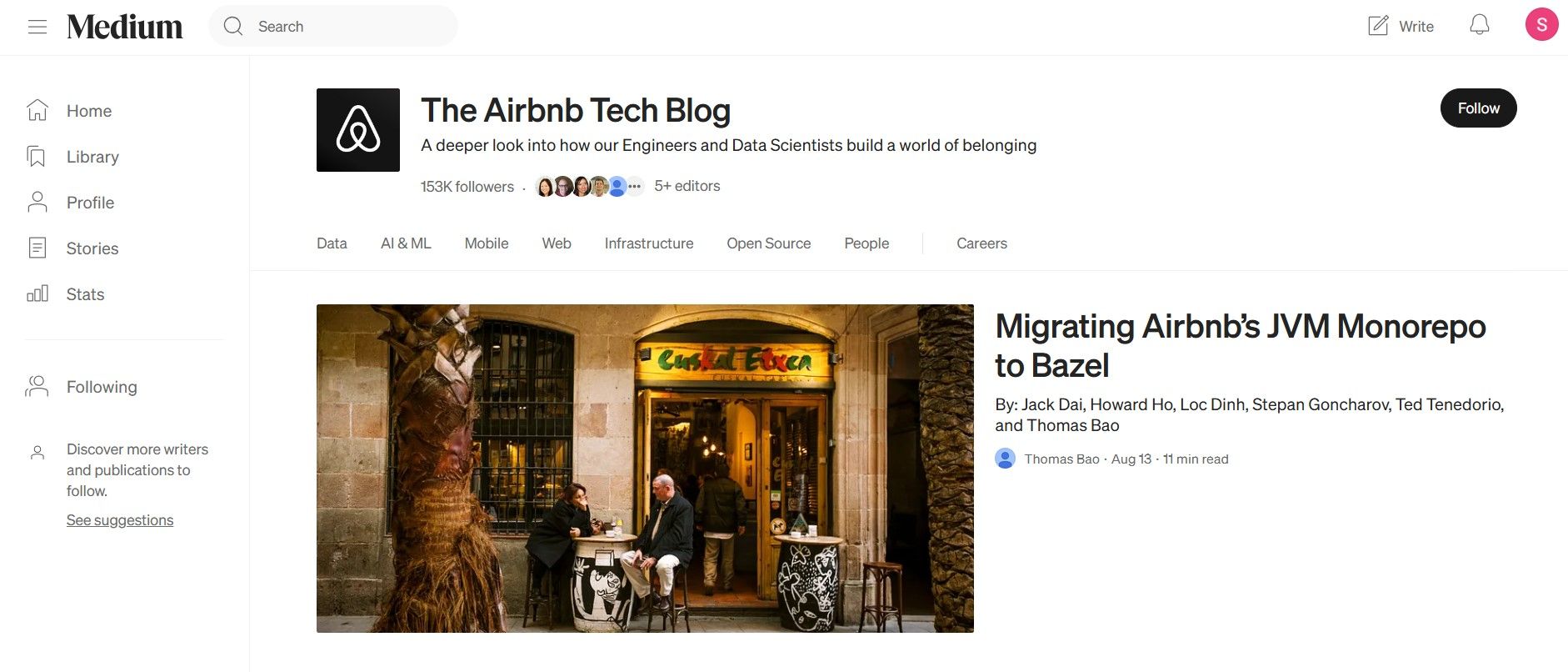

The Airbnb Blog is a masterclass in storytelling through design. The blog features stunning visuals and immersive storytelling that transport readers to different destinations around the world. The layout is intuitive and user-friendly, with clear navigation that makes it easy to explore the content. The use of user-generated content adds a personal touch, making readers feel like they are part of the Airbnb community.
Website: airbnb
In Conclusion
These examples highlight the importance of great blog design in creating a visually appealing and user-friendly experience. Whether you’re looking to simplify your blog’s design or incorporate interactive elements to engage your audience, drawing inspiration from these examples can help you elevate your blog’s design and stand out in the competitive online landscape.
