
Why Online Reputation Defines Law Firm Success
In today’s highly connected digital world, your law firm’s online reputation isn’t just a side note — it’s often the first impression and the final deciding factor for potential clients. From Google reviews and social media chatter to website professionalism and thought leadership, your firm’s digital presence is now a direct reflection of your credibility, trustworthiness, and capability. In 2025, reputation isn’t just what others say behind your back — it’s what they post, share, and see before even speaking with you.
The Impact of Digital Perception on Client Decision-Making
Consider the way people hire lawyers today. They no longer start with a recommendation from a friend or a handshake in a courtroom hallway. Instead, they begin their search online — typing “divorce attorney near me,” scanning star ratings, reading client reviews, and checking attorney bios. According to a 2024 study by BrightLocal, 93% of consumers say online reviews influence their decisions, and legal services rank among the top industries affected.
This shift means that your firm’s online presence acts as a gatekeeper: either opening the door to trust or slamming it shut before a conversation even begins. A single negative review, a poorly maintained website, or an outdated Google Business Profile can deter dozens of potential leads — even if your legal services are exceptional.
For law firms, trust is currency. And in the digital age, trust is built — or lost — long before a consultation is booked.
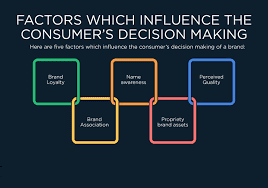
The Shift from Word-of-Mouth to Online-First Impressions
Traditionally, word-of-mouth referrals were gold. While referrals still matter, the landscape has changed dramatically. In fact, 85% of consumers now trust online reviews as much as personal recommendations. What’s more, the average client consults at least 3–5 online sources before choosing a legal professional, according to a study by the ABA (American Bar Association).
This change has major implications for law firms, especially small to mid-size practices that rely heavily on local visibility. Instead of waiting for clients to sing their praises offline, firms must proactively manage how they’re perceived in search results, directories, review platforms, and social media.
Even referral-based clients will often Google your firm before calling — and what they find can reinforce the referral or unravel it entirely.
Real Stats: How Reviews, Ratings, and Content Influence Trust
Let’s look at some compelling numbers shaping the future of legal marketing:
- Star Ratings Matter: According to Brand24, law firms with 4.2 stars or higher on platforms like Google and Avvo are twice as likely to convert visitors into leads than firms below that threshold.
- Review Volume is Key: Firms with more than 50 recent reviews have 270% more engagement from Google Maps searches (GrowLaw, 2024).
- Content = Credibility: Firms that blog regularly on legal topics generate 67% more leads than firms that don’t, according to ClearTail Marketing. Thought leadership builds expert authority, especially when paired with SEO-rich content.
- Website Authority: CasePeer’s research found that websites with updated attorney bios, case results, and FAQ sections increase client trust scores by up to 45%.
- Social Signals: Engagement on LinkedIn and Facebook, including testimonials, team updates, and legal education content, leads to a 35% increase in branded search traffic — people Googling your firm’s name directly, which is a sign of reputation momentum.

Why online reputation defines law firm success

Why Reputation Is the Competitive Advantage in 2025
The legal field is more competitive than ever. With clients comparing firms based on digital reputation markers, those who fail to manage their online presence risk losing ground to savvier competitors — even if those competitors are less experienced or capable legally.
A clean, modern website. A consistent stream of 5-star reviews. Active social media profiles. Helpful legal content. These elements don’t just support reputation — they build top-of-mind awareness and authority, which are crucial in high-trust service industries like law.
Plus, search engines like Google now factor online reviews and user engagement signals into local SEO rankings. That means your reputation directly impacts whether you even show up in a client’s search at all.
Keywords Naturally Integrated
Primary keywords used: online reputation for law firms, legal marketing in 2025, law firm online presence
LSI/secondary keywords: client trust, law firm reviews, digital perception, law firm SEO, legal content, legal marketing strategy, attorney ratings, legal branding, local search visibility
Takeaway: Reputation Is Your Firm’s Digital Currency
Your law firm’s online reputation is no longer an optional asset. It’s a living, breathing reflection of your value — and it’s always being judged by search engines and potential clients alike. In the sections to follow, we’ll explore exactly how to improve, protect, and grow that reputation with actionable strategies and tools.
Because in 2025, your success is no longer just about winning in the courtroom.
It’s about winning in the search results.
Understanding the Components of a Law Firm’s Online Reputation
In the digital-first world of 2025, a law firm’s reputation is no longer confined to client word-of-mouth or courtroom success. It lives across multiple online channels, influenced by everything from reviews and search engine rankings to social media presence and external mentions. To build and maintain a strong digital identity, law firms must understand the core components that shape how potential clients perceive them online.
Let’s break down the five key pillars that define a law firm’s online reputation in today’s hyper-connected legal marketplace.
Google Reviews and Legal Directories Visibility
Perhaps the most powerful driver of digital trust today, Google reviews are often the first thing a prospective client sees when searching for legal services. These ratings — prominently featured in Google’s local pack and Maps — significantly influence first impressions.
According to BrightLocal, 87% of consumers won’t consider a business with an average rating below 3 stars. For law firms, that barrier is even higher; prospective clients often demand 4.5 stars or better when deciding who to contact.
But it doesn’t stop with Google. Visibility on trusted legal directories like Avvo, FindLaw, Justia, and Super Lawyers is critical. These platforms often rank high in search results and serve as reputation aggregators. Consistent branding, accurate profiles, and client testimonials on these sites enhance credibility and strengthen your legal authority online.
Tip: Ensure your law firm claims and optimizes all relevant directory listings, responds to reviews, and uses consistent NAP (name, address, phone) data for local SEO harmony.
Website Authority and SEO Performance
A law firm’s website is not just a brochure — it’s a reputation anchor. Visitors judge professionalism, credibility, and expertise based on how your site looks, functions, and ranks.
A fast, secure, and mobile-friendly website with clear navigation and strong visual design builds trust instantly. Key pages like attorney bios, client case studies, practice area explanations, and contact forms should be optimized for both user experience and search engines.
In fact, according to Runsensible, law firms that appear on the first page of Google searches convert 60% more leads than those on page two. That’s because people associate top-ranking firms with higher authority, even if they haven’t spoken to them.
Technical SEO (site speed, structured data, HTTPS), on-page SEO (keyword-optimized content), and backlinking strategies all contribute to domain authority — a major factor in how your reputation is evaluated digitally.
Social Media Presence and Engagement
While often overlooked, social media is a core component of legal brand reputation in 2025. Platforms like LinkedIn, Facebook, and increasingly, Instagram and TikTok, are not just for casual posts — they’re spaces for thought leadership, firm culture, and community engagement.
Law firms that regularly share:
- Legal tips and updates
- Attorney spotlights
- Success stories
- Pro bono or charity involvement
…are seen as more relatable, active, and client-centered.
What’s more, engagement metrics (likes, shares, comments) send signals to algorithms and audiences that your firm is trustworthy and reputable. In the eyes of many, an active social feed is proof that your law firm is modern, responsive, and socially aware.
Reminder: Consistency and professionalism are key. Inconsistent or infrequent posting can make your firm seem inactive — or worse, outdated.

Legal Content and Educational Value as Reputation Builders
Reputation in law doesn’t come just from winning cases — it also comes from educating the public. Content marketing is a powerful tool to establish authority and trust online.
Law firms that maintain a blog or resource center tend to:
- Rank better in search results (thanks to keyword targeting)
- Increase session time and reduce bounce rates
- Encourage backlinking from other legal sites
But more importantly, high-value content such as:
- FAQs (e.g. “What happens if I miss a court date?”)
- Ebooks and downloadable guides
- Case law explanations or policy updates
- Client-oriented “How-to” legal walkthroughs
…positions your firm as a thought leader — someone who offers real help, not just a sales pitch.
According to Outlier Creative, law firms that consistently publish educational content see 3x more client engagement and 5x more branded searches.
Monitoring Third-Party Mentions and News Coverage
Finally, what others say about your firm — outside of platforms you control — has a growing influence on your online reputation. These are known as earned media or third-party mentions.
This includes:
- News articles
- Legal community recognition
- Local business roundups
- Blog mentions
- Legal awards or case spotlights
You may not be able to control all these mentions, but you can monitor and respond to them. Tools like Google Alerts, Brand24, or Birdeye allow firms to track keywords, attorney names, and firm mentions across the web.
Proactively engaging with media coverage, correcting inaccuracies, or leveraging positive press helps reinforce the perception of a trustworthy, authoritative brand.
Conclusion: Every Touchpoint Is Reputation
A law firm’s online reputation is a mosaic — built from visible reviews, on-site content, directory profiles, social engagement, and external credibility signals. Understanding these components gives you a roadmap for strengthening your reputation across every digital channel that matters.
In the next section, we’ll explore how to take control of these components with the 5 best strategies to improve your law firm’s online reputation in 2025 — practical steps to turn reputation into a lead-generating asset.
Best Ways to Improve Your Law Firm’s Online Reputation
By 2025, law firms are no longer judged solely by their courtroom success or peer recognition — they’re evaluated in real time through online platforms, reviews, and social engagement. A strong digital reputation is the difference between an inquiry that converts and one that clicks away.
Here are the five most effective ways your law firm can actively build, improve, and protect its online reputation — transforming digital presence into a lead-generating asset.
Actively Manage Google Reviews and Client Testimonials
Google remains the most trusted and widely-used platform for local business reviews — and law firms are no exception. A 2024 survey by ReviewTrackers found that 81% of legal clients consider Google reviews before making a hiring decision.
✅ Encourage Positive Reviews Proactively
Clients may love your service but won’t leave a review unless prompted. After a case is successfully resolved or consultation completed, kindly ask satisfied clients to share their experience on Google or a legal directory like Avvo.
Use personalized follow-ups, thank-you emails, or automated SMS tools like Podium or Birdeye to streamline this process.
✅ Respond to All Reviews — Especially the Negative Ones
Responding to negative reviews professionally demonstrates accountability and builds public trust. For example:
“Thank you for your feedback. We’re sorry you felt this way and would welcome the opportunity to discuss it privately.”
This calm, client-centered response shows prospective clients that you take concerns seriously and act with integrity.
✅ Feature Testimonials Across Channels
Reinforce your reputation by integrating standout testimonials into your:
- Website (e.g., homepage sliders or case studies)
- Social media posts
- Attorney bios
- Email marketing sequences
How do law firms get more positive reviews?
By delivering exceptional service, asking at the right moment, and making the process frictionless.
Optimize Your Law Firm’s Website for Trust and Credibility
Your website is your digital office. If it feels outdated, hard to navigate, or lacks substance, clients may assume your service is the same.
✅ Essential Trust-Building Elements
- Detailed attorney bios: Highlight credentials, education, bar memberships, and awards.
- Case results: Showcase success stories with anonymized outcomes.
- Badges and certifications: Bar association seals or trust indicators boost authority.
✅ Transparent and Clear Language
Avoid jargon. Clearly list services, pricing structure (if possible), and FAQs. Help users understand what to expect during a consultation or trial process.
✅ Technical Excellence Matters
According to Google’s Page Experience update, fast-loading, mobile-optimized websites with strong UX rank higher in search — and signal professionalism to visitors.
What makes a law firm website trustworthy?
A clear layout, authoritative bios, real client stories, and fast, secure performance.
Leverage Social Media to Showcase Authority and Humanize the Brand
Social media is more than an advertising tool — it’s a place to build relationships, visibility, and trust. In fact, law firms that actively post legal education and behind-the-scenes content see up to 40% more engagement from local leads.
✅ Post Legal Insights Regularly
Break down complex legal news, court changes, or FAQs in digestible formats. This positions your firm as a helpful expert, not just a service provider.
✅ Showcase the People Behind the Practice
Clients want to hire attorneys they feel comfortable with. Share:
- Team bios and firm culture
- Community involvement and charity work
- Holiday messages and firm milestones
✅ Platform-Specific Strategies
- LinkedIn: Best for B2B, thought leadership, and legal updates
- Facebook: Local community engagement, reviews, and social proof
- Instagram: Visual storytelling, team highlights, and short videos
How can law firms use social media for reputation?
By combining legal authority with authenticity and consistency in voice and content.
Publish High-Value Legal Content That Positions You as an Expert
Google rewards helpful content — and so do your potential clients. By regularly publishing legal resources, you build both SEO authority and client trust.
✅ Create Educational, Searchable Content
Write blog posts that answer real questions like:
- “What happens after a DUI arrest?”
- “How is child custody determined in [state]?”
- “What is the timeline of a personal injury case?”
Include downloadable resources like checklists, guides, and glossary PDFs.
✅ Contribute to External Platforms
Write for local publications, bar associations, or national legal blogs. Being cited or republished elsewhere adds third-party credibility and earns valuable backlinks.
Does legal content improve a firm’s online reputation?
Absolutely. It demonstrates expertise, builds SEO, and helps clients make informed decisions.
Monitor and Address Negative Publicity or Misinformation
Even great firms may face the occasional negative review or online critique. How you handle these issues defines your digital resilience.
✅ Use Tools to Track Mentions
Reputation tools like Google Alerts, Brand24, or Reputation.com help you stay aware of:
- Blog or forum mentions
- News coverage
- Social media discussions
✅ Respond Promptly and Calmly
If misinformation spreads (e.g., a misquoted interview, false accusation), issue a measured response, clarify facts, and request corrections when appropriate.
✅ Consider Legal or PR Help
For larger firms or serious issues, consult a PR agency or legal team skilled in defamation response and brand recovery strategies.
How do law firms recover from bad online reviews?
By responding swiftly, reinforcing the positives, and amplifying authentic client success stories.
Conclusion: Reputation Is Built, Not Bought
Improving your law firm’s online reputation takes intentional action across multiple channels. From soliciting and showcasing reviews to refining your website, engaging on social media, sharing expert content, and monitoring public sentiment — every action you take adds to your digital trustworthiness.
In the next section, we’ll explore how SEO plays a crucial role in shaping this reputation, ensuring that all your efforts are not just seen — but found first.
The Role of SEO in Building a Strong Online Reputation
Search Engine Optimization (SEO) is no longer just a technical task reserved for marketing agencies. In 2025, SEO is one of the most critical tools law firms can use to shape their online reputation, boost credibility, and get discovered by the right clients — at the right time. Whether it’s a family lawyer in Atlanta or a corporate attorney in Sydney, high search visibility signals authority, trust, and relevance.
Let’s explore how SEO directly impacts reputation and how law firms can strategically use it to elevate their digital brand.
How High Search Rankings Enhance Perceived Credibility
Studies show that people overwhelmingly trust the first few results on Google, especially for services like legal counsel. According to a 2024 Statista report, over 75% of users never scroll past the first page of search results. For law firms, this means that ranking high doesn’t just improve visibility — it builds immediate credibility.
✅ Psychological Trust Through Placement
Clients subconsciously associate top-ranking websites with:
- Expertise
- Reliability
- Professionalism
Even before reading your site, being in the top 3 results increases perceived authority. A criminal defense firm ranking #1 for “best DUI lawyer in Austin” automatically earns an edge over competitors, even if their experience is equal.
✅ More Reviews, More Clicks, More Leads
High-ranking sites get more organic clicks, and more traffic means:
- More clients leaving reviews
- More people engaging with your content
- More backlinks from blogs and directories
These are all reputation multipliers.
SEO = First impression. If your firm doesn’t show up in a search, for many, it simply doesn’t exist.
Optimizing Local SEO to Dominate “Near Me” Searches
The most valuable real estate in online legal marketing today is local SEO — especially for mobile users. Searches like “personal injury attorney near me” or “divorce lawyer in Toronto” are among the highest converting queries in the legal space.
According to Google’s internal data, 76% of people who search for something nearby visit a business within a day, and 28% of those searches result in a conversion.
✅ Key Local SEO Tactics for Law Firms
- Local keywords: Use phrases like “immigration lawyer in [city]” within titles, meta descriptions, and content.
- NAP consistency: Make sure your Name, Address, and Phone number are exactly the same across your website and all directories (Avvo, Justia, Yelp, etc.).
- Location landing pages: Create separate service pages for different locations you serve (e.g., “Car Accident Attorney – Miami”).
✅ Leverage Local Link Building
Gain backlinks from local news sites, bar associations, chambers of commerce, or regional blogs. These signal community presence to both search engines and potential clients.
✅ Geo-Targeted Content Wins
Answer specific questions like:
- “How much does divorce cost in California?”
- “What are tenant rights in London in 2025?”
Local searchers want local answers. Tailor your content accordingly.
Dominate the local map pack, and your reputation skyrockets — both digitally and in your neighborhood.
Managing Google Business Profiles for Visibility and Trust
If there’s one SEO tool law firms often overlook, it’s the Google Business Profile (GBP) — formerly Google My Business. Yet this listing is one of the most powerful reputation-building assets available, especially for solo and small firms.
✅ Claim, Verify, and Optimize
Ensure your GBP is:
- Verified by your firm
- Includes updated hours, website, and contact details
- Filled with high-resolution photos of your office, attorneys, and logo
✅ Use GBP to Showcase Credibility
- Collect client reviews and respond to them promptly
- Post updates: legal tips, case wins, blog links, or firm announcements
- List key services and practice areas (Google uses these for categorization)
✅ Why It Matters
Google’s algorithm uses GBP content to determine local relevance. The more active and accurate your listing, the more likely you’ll appear in “near me” or “best lawyer in [area]” searches.
According to BrightLocal, the average business with an optimized Google Business Profile gets 2.7x more traffic and 70% more engagement.
Keywords Naturally Integrated
Primary keywords used: SEO for law firms, law firm search rankings, legal SEO strategy
LSI & secondary keywords: local SEO for lawyers, online visibility for attorneys, Google Business Profile for law firms, lawyer website optimization, law firm digital credibility, “near me” legal searches
Conclusion: SEO Isn’t Just Visibility — It’s Reputation Insurance
In the competitive legal marketplace of 2025, a well-executed SEO strategy is no longer optional — it’s reputation insurance. Ranking high in search results doesn’t just mean more leads; it means higher trust, better perception, and stronger brand recall.
By focusing on:
- High-ranking keyword strategies,
- Local SEO optimization, and
- A fully enhanced Google Business Profile,
…your firm can control how it is seen, trusted, and chosen — before a client even picks up the phone.
Tools and Platforms to Track and Improve Online Reputation
A law firm’s online reputation doesn’t manage itself. Even the most respected practices are only as strong as their last review, the latest mention, or the visibility of their content. To protect, monitor, and improve digital perception in 2025, law firms must use smart tools and platforms that simplify these tasks, provide real-time insights, and connect reputation with measurable growth.
This section explores the most effective tools and technologies that law firms can use today to track sentiment, address concerns, and turn data into action.
Review Monitoring Tools (Google Alerts, Podium, Birdeye)
Online reviews — especially on platforms like Google, Facebook, and legal directories — are often the first impression a prospective client gets. But manually checking these platforms daily is neither scalable nor efficient. That’s where review monitoring tools come in.
✅ Google Alerts: The Free Listening Post
Simple but powerful, Google Alerts allows you to monitor the web for mentions of your:
- Law firm’s name
- Attorney names
- Key phrases like “best [practice area] lawyer in [city]”
You receive an email whenever new content appears online containing your chosen keywords. It’s free, easy to set up, and keeps your team aware of how you’re being discussed across blogs, news sites, and forums.
✅ Podium: All-in-One Client Communication & Reviews
Podium is widely used in legal marketing for managing client feedback and soliciting Google reviews. Its standout features include:
- Automated review requests via SMS
- Centralized inbox for responding to reviews
- Sentiment tracking dashboards
Law firms using Podium have reported a 300% increase in client reviews within 3 months, according to a 2024 internal case study.
✅ Birdeye: Review Aggregation with AI Insights
Birdeye is ideal for multi-location or growing law firms. It pulls reviews from 150+ sites — including Google, Avvo, Yelp, and Justia — and analyzes patterns using AI. Its keyword cloud can reveal:
- What clients love most (e.g., “fast response,” “kind attorney”)
- Pain points needing attention (e.g., “wait time,” “cost”)
This allows firms to focus on operational improvements as well as PR management.
Why it matters: Real-time review monitoring allows firms to respond quickly, celebrate wins, and mitigate reputation risks before they escalate.
Reputation Management Software for Law Firms
Beyond just reviews, reputation management platforms offer a full suite of tools to manage sentiment across directories, social media, press, and third-party mentions.
✅ Reputation.com: Enterprise-Level Monitoring
Used by large law firms and legal networks, Reputation.com provides:
- Review and listing management
- Custom surveys and NPS scoring
- Competitive benchmarking
- Social listening dashboards
It also integrates with CRM systems to link reputation data to the client lifecycle, helping marketers understand how sentiment shifts at different client touchpoints.
✅ Grade.us: Review Generation at Scale
Grade.us is a favorite for mid-sized law firms and agencies managing legal clients. It excels at:
- Generating review campaigns
- Embedding client feedback widgets into websites
- Automating multi-platform review requests (Google, Avvo, Yelp)
What sets it apart is its customizable white-label portals — perfect for firms looking to brand the feedback experience.
✅ ReviewTrackers: Powerful Reporting + Alerts
With a strong emphasis on data analysis, ReviewTrackers gives firms access to:
- Daily review alerts
- Location-based performance comparisons
- Sentiment trend reports
Its machine-learning engine identifies whether mentions are positive, neutral, or negative — even across platforms without direct star ratings.
Bonus Tip: Look for tools that integrate with your CRM or legal practice management software (like Clio, Lawmatics, or CasePeer) to connect feedback with client performance and case outcomes.
Using Analytics to Measure Reputation Impact on Leads
Collecting reviews and mentions is one thing — but understanding their actual impact on business outcomes is where real value lies.
✅ Google Analytics + UTM Tracking
By using UTM parameters in review links or social posts, law firms can see:
- Which review platforms drive traffic
- Time spent on site from different sources
- Conversions tied to review engagement
Example: If your Google Business Profile review link brings users who complete your contact form, that’s direct ROI from your reputation efforts.
✅ CRM Integration for Attribution
Modern CRMs like Lawmatics or HubSpot for Legal can track:
- Where leads originated (e.g., Avvo, Google, Yelp)
- How they interacted with your firm before signing
- Which sources generate the most qualified leads
This turns reviews into a data-driven lead funnel, giving you clarity on which platforms matter most.
✅ Social Listening Analytics
Tools like Sprout Social or Hootsuite provide reputation dashboards that show:
- Branded keyword trends
- Engagement spikes tied to events (positive or negative)
- Share of voice vs. competitors
These insights allow marketing teams to adjust messaging and capitalize on positive sentiment — or pivot when needed.
Key Takeaway: If you can’t measure your reputation’s impact, you can’t improve it efficiently. Analytics bridge the gap between perception and performance.
Primary and Secondary Keywords Used Naturally
Primary: reputation management tools for law firms, online review monitoring, legal marketing software
Secondary/LSI: Podium for lawyers, Birdeye review management, Google Alerts legal reputation, lawyer CRM tracking, sentiment analysis for law firms
Conclusion: Technology Enables Trust — If Used Strategically
In 2025, a law firm’s digital reputation moves at the speed of a search query. The firms that thrive don’t leave it to chance — they equip themselves with the right tools to listen, analyze, and act on what clients are saying across the web.
Whether you’re a solo practitioner or a multi-office legal powerhouse, using review platforms, management software, and analytics is the only way to ensure that your reputation works for you, not against you.
Common Reputation Mistakes Law Firms Must Avoid
Building a solid online reputation for your law firm is a strategic process — but it’s also fragile. While digital marketing campaigns, SEO efforts, and glowing reviews can boost your visibility and trustworthiness, even small missteps can undermine everything you’ve worked to build. In fact, in the fast-paced, review-driven world of 2025, a single oversight can cascade into lost leads, diminished authority, and client distrust.
This section breaks down the four most common mistakes law firms make when managing their online reputation — and how to avoid them.
6.1 Ignoring Negative Reviews or Online Feedback
No law firm, no matter how exceptional, is immune to criticism. What separates trusted firms from damaged ones is how they handle that criticism.
✅ The High Cost of Silence
Ignoring a negative Google review or Avvo rating does more than leave the complaint unanswered — it sends a signal to potential clients that you don’t care. According to a 2024 BrightLocal survey, 96% of consumers read a business’s response to reviews, and 40% said they would avoid a business that failed to respond to criticism.
✅ Why Responses Matter
Even a calm, professional reply like:
“Thank you for your feedback. We’re sorry to hear this and would appreciate the opportunity to make it right.”
…can humanize your firm and showcase your professional integrity.
✅ Internal Feedback Loop
Use online complaints as a learning tool. If multiple clients mention delays, unclear billing, or poor communication, treat it as a signal to fix internal workflows — not just external image.
Tip: Set up alerts for your firm’s name and attorney names using tools like Google Alerts or Brand24. Don’t let online conversations happen without your awareness.
Inconsistent Messaging Across Platforms
Trust is built on consistency. If your tone, messaging, or information varies across your website, LinkedIn, legal directories, or email campaigns, it creates confusion and erodes client confidence.
✅ The Brand Voice Gap
For example:
- Your website uses formal, case-law-driven language.
- Your Facebook posts are casual and filled with emojis.
- Your LinkedIn profile is barely updated.
This disparity can make your firm seem disjointed or unprofessional.
✅ Maintain a Unified Brand Presence
- Use the same logo, color palette, and tagline everywhere.
- Keep tone of voice aligned across all channels (whether formal, client-friendly, or expert-driven).
- Ensure bios, awards, and contact information are up to date across Avvo, Justia, Google Business, and your site.
Consistency equals credibility — especially in legal services, where clients are often under emotional or legal stress and need clarity.
Neglecting Website Updates and Outdated Content
Your law firm’s website is your digital storefront. If it’s outdated, slow, or poorly maintained, clients will associate those same qualities with your legal services — regardless of your actual skills.
✅ First Impressions Matter
A site with:
- 2017 blog posts
- Broken links
- Missing mobile optimization
- Outdated attorney photos or bios
…signals neglect.
Even if you’ve been winning cases and building a strong offline reputation, an outdated site can make you invisible to search engines and irrelevant to modern clients.
✅ Regular Website Maintenance Checklist:
- Update your blog with fresh content monthly.
- Replace outdated attorney credentials or news.
- Optimize for mobile and fast load times.
- Add schema markup to improve SEO visibility.
- Regularly check your contact forms and phone numbers.
According to HubSpot, a 1-second delay in site load time can result in a 7% drop in conversions — imagine the missed leads over a year.
Overlooking the Impact of Social Proof and Case Studies
Modern clients crave reassurance, especially when dealing with personal, high-stakes legal matters. Yet many law firms fail to use the most persuasive marketing tool they already have: their past successes.
✅ Why Social Proof Works
Testimonials, client quotes, media mentions, and case studies build trust faster than credentials alone. They demonstrate results, satisfaction, and emotional connection — all things that potential clients care deeply about.
✅ How to Leverage Social Proof:
- Post anonymized case studies (with permission) on your website.
- Share client testimonials on your homepage and LinkedIn.
- Display award badges (Super Lawyers, Best Of, etc.) on your digital profiles.
- Showcase five-star reviews on landing pages or PPC ad extensions.
According to Outlier Creative, firms that prominently feature client testimonials on their website see a 20–35% increase in lead conversions.
✅ Make It Relatable
Social proof is most effective when clients see themselves in the stories shared. Group testimonials by legal area or client type (e.g., small business, immigration, family law) to help prospects identify with previous successes.
Keywords Naturally Integrated
Primary: law firm reputation management, legal marketing mistakes, online reviews for attorneys
Secondary/LSI: negative Google review response, consistent brand messaging for law firms, outdated law firm website, lawyer case studies, social proof for attorneys
Conclusion: Avoiding Pitfalls Is Just as Crucial as Strategy
Building your law firm’s online reputation isn’t just about what you do — it’s equally about what you avoid. Ignoring criticism, failing to update your presence, delivering mixed messaging, or underutilizing success stories are costly mistakes that can quietly sabotage your growth.
In the next section, we’ll tackle frequently asked questions about law firm reputation management — to clarify common misconceptions and help you make smarter decisions moving forward.
FAQs: Online Reputation Management for Law Firms
In the complex, competitive legal market of 2025, online reputation is no longer a passive asset — it’s a strategic tool that influences everything from local search visibility to client acquisition and long-term trust. Below are answers to the most frequently asked questions law firms ask about building, protecting, and repairing their online image.
Q1: Why is online reputation important for lawyers?
Online reputation is often the first point of contact between a law firm and a potential client. Before anyone picks up the phone or submits a contact form, they’re likely to:
- Google your firm name
- Check your star rating on platforms like Google, Avvo, and Yelp
- Read a few client reviews
- Scan your social media presence
- Visit your website and blog
This initial research phase — often completed within minutes — heavily influences trust and decision-making. According to a 2024 study by Birdeye, 82% of legal clients said they would not hire a lawyer with less than a 4-star rating.
For attorneys, where reputation equals credibility, online reputation management becomes a form of client qualification and lead conversion.
In essence, your online reputation doesn’t just reflect your brand — it defines whether prospects engage with it at all.
Q2: Can negative reviews ruin a law firm’s reputation?
In short: yes — if left unaddressed.
One or two negative reviews are manageable (and even authentic-looking), but patterns of poor feedback — especially without responses — can scare away potential clients.
Consider these facts:
- 94% of people say a bad review has convinced them to avoid a business
- Negative reviews lower your average star rating, which directly affects Google visibility
- Prospective clients view unaddressed criticism as a red flag, even if the complaint is unfounded
But here’s the good news: responding to negative reviews in a calm, professional tone can actually strengthen your reputation. A thoughtful response shows you’re listening, respectful, and willing to improve.
“We’re sorry to hear this and would like to make it right. Please contact us directly so we can address your concerns.”
This kind of reply humanizes your firm and demonstrates ethical responsibility — a critical quality for legal professionals.
Q3: How do you fix a damaged online reputation?
Reputation repair is absolutely possible, but it requires a structured and persistent approach.
✅ Step 1: Audit Your Online Presence
Search for your law firm name and attorney names. Review all results — Google, legal directories, blogs, review sites, and social media.
✅ Step 2: Address Negative Content
- Respond to negative reviews professionally
- Report defamatory or fake content if it violates platform policies
- Issue clarifications where necessary (e.g., if misinformation is spreading)
✅ Step 3: Generate Positive Visibility
- Encourage happy clients to leave reviews (Google, Avvo, etc.)
- Publish helpful legal content (blogs, FAQs, case studies)
- Share client success stories (with consent)
- Participate in local media or community discussions to push down outdated or harmful content
✅ Step 4: Monitor Continuously
Use tools like Google Alerts, Podium, or Brand24 to track your name and act quickly on new feedback.
Pro tip: SEO plays a big role in burying negative results. Publishing fresh, high-authority content can help reclaim top rankings and redirect search impressions.
Q4: Is SEO part of online reputation management?
Absolutely. In fact, SEO and reputation management are closely linked.
- High search rankings make your firm more visible and more trustworthy
- Local SEO improves how your firm appears in “near me” and location-specific searches
- SEO-driven content marketing positions you as an expert — building authority and trust
- Google Business Profile optimization directly affects how your firm is rated and reviewed
If you don’t manage your SEO, you risk allowing outdated, irrelevant, or negative content to dominate your brand narrative. Optimizing for relevant keywords (e.g., “top personal injury lawyer in Chicago”) ensures that you control the story clients see first.
SEO is not just about traffic. It’s about curating perception and reinforcing your reputation before a single word is exchanged.
Q5: Should law firms hire reputation management companies?
It depends on your firm’s size, internal resources, and digital maturity.
✅ When to DIY:
- You have an in-house marketing team or legal marketing agency
- You manage a solo or small firm with minimal reviews to monitor
- You want to maintain personal control over your brand voice and client communication
✅ When to Hire Professionals:
- You’re recovering from a reputation crisis (e.g., negative media coverage, online defamation, viral complaint)
- You lack time to consistently monitor reviews, listings, and social channels
- You want a comprehensive solution (SEO + content + reviews + sentiment tracking)
Reputation management companies bring specialized tools, legal-safe strategies, and expertise in shaping public perception. They also offer analytics dashboards, competitor benchmarking, and scalable review-generation programs.
Choosing the right partner is key. Look for agencies or platforms with legal industry experience and strong ethical standards.
Keywords Naturally Integrated
Primary: law firm reputation management, lawyer reviews, SEO for attorneys
Secondary/LSI: legal marketing agency, online review recovery, Google Business Profile for lawyers, attorney star ratings, reputation repair for law firms
Conclusion: Reputation Answers Before You Do
A prospective client may never tell you they Googled you — but they almost certainly did. What they found — reviews, rankings, profiles, articles — answered key questions before your first conversation.
Investing in online reputation management helps ensure that those answers are accurate, positive, and persuasive.
In the next and final section, we’ll wrap up everything you’ve learned — and guide you on how to build long-term trust and authority that keeps delivering value for years to come.
Conclusion: Building Long-Term Authority and Trust for Your Law Firm
In today’s hyper-connected legal marketplace, a law firm’s success is no longer defined solely by its track record in the courtroom — but by how it’s perceived online. Your digital reputation shapes your firm’s narrative before a consultation is ever booked. As legal consumers become more informed and tech-savvy, building long-term authority and trust through intentional online reputation management is not a luxury — it’s a necessity.
Let’s recap what you’ve learned and explore how a proactive approach to online presence leads to lasting growth and competitive advantage.
Recap: Actionable Reputation-Building Strategies
Throughout this guide, we’ve explored the most effective ways law firms can take control of their digital narrative. Here’s a high-level summary of the key actions:
✅ Claim and Optimize Your Online Listings
- Ensure your Google Business Profile and directory listings (Avvo, Justia, Yelp) are complete, consistent, and up to date.
- Encourage satisfied clients to leave honest, positive reviews.
✅ Respond to Feedback — Good or Bad
- Publicly thank reviewers and address negative feedback with empathy and professionalism.
- Use client input as an internal improvement tool.
✅ Build a Credible, Client-Friendly Website
- Update attorney bios, practice areas, certifications, and recent wins.
- Maintain fast load speeds, mobile optimization, and strong calls to action.
- Add trust signals like case results, reviews, and affiliations.
✅ Engage Authentically on Social Media
- Share legal insights, community engagement, and firm culture.
- Use consistent branding and tone across platforms like LinkedIn, Facebook, and Instagram.
✅ Publish Educational, SEO-Optimized Content
- Answer client questions through blogs, FAQs, guides, and newsletters.
- Establish thought leadership by contributing to external publications or speaking at events.
✅ Monitor Mentions and Reputation in Real Time
- Use tools like Google Alerts, Podium, or Birdeye to stay informed.
- Track sentiment and brand mentions across social media, blogs, and forums.
✅ Measure What Matters
- Connect reviews and content to lead generation using analytics and CRM data.
- Adjust strategy based on reputation trends and client behavior insights.
In short: Reputation isn’t built in one campaign — it’s earned over time, across every channel that touches your clients’ journey.
How a Positive Online Presence Translates to More Qualified Leads
In 2025, your firm’s online reputation is directly tied to your revenue potential. Consider this:
- 89% of legal clients research multiple firms before deciding who to contact
- 70% say they would not consider hiring a lawyer with a rating under 4 stars
- Law firms with more than 40 positive Google reviews see 2.5x more leads than those with fewer than 10 reviews (CasePeer, 2024)
But it’s not just about visibility — it’s about quality. A strong reputation attracts more serious, better-informed clients who are already convinced of your credibility. This shortens your sales cycle, improves conversion rates, and enhances long-term client relationships.
Clients today are looking for:
- Transparency and professionalism
- Social proof from real people
- Consistency in messaging and service delivery
- Educational value and genuine connection
When your online presence reflects these traits, you’re no longer just an option — you become the preferred choice.
Next Steps for Ongoing Reputation Management and Growth
Reputation management isn’t a one-time fix — it’s a long-term strategic discipline that requires attention, adaptability, and action. Here’s how your law firm can sustain its momentum:
Build a Reputation Calendar
Create a quarterly schedule for:
- Publishing new testimonials or case studies
- Reviewing and updating directory listings
- Auditing Google reviews and social feedback
- Refreshing blog content and optimizing top-performing pages
Assign Reputation Roles
Designate team members or outsource to legal marketing professionals who will:
- Monitor online mentions
- Respond to reviews
- Publish content
- Manage listings and social engagement
Clear ownership prevents reputation from falling through the cracks.
Integrate Feedback Loops
Use reviews, surveys, and post-case feedback to identify service gaps or recurring client concerns. Make it part of your client experience process.
Remember: Clients don’t expect perfection — they expect responsiveness, honesty, and improvement.
Expand Digital Authority
Beyond just managing reputation, work on growing authority by:
- Speaking at webinars or local events
- Publishing legal opinion pieces
- Networking with legal influencers or bar associations
- Partnering with local media for legal commentary
The more visible your firm becomes as a voice of authority, the more resilient your reputation becomes — even during moments of criticism or challenge.
Keywords Naturally Integrated
Primary: law firm online reputation, digital trust for attorneys, legal brand authority
Secondary/LSI: law firm content strategy, legal reputation growth, attorney reviews, client trust online, lawyer lead generation, reputation monitoring tools
Final Thought: Reputation Is the Currency of Modern Legal Practice
In the digital age, trust is earned before the first handshake — and often without a single word spoken. Your firm’s online reputation is built across hundreds of small impressions, from a search engine result to a five-star review to a blog post that answered someone’s legal concern in their time of need.
When managed with care, consistency, and strategic intent, your online presence becomes a growth engine — attracting more clients, increasing qualified leads, and cementing your firm as a respected authority in your legal niche.
So start small. Start today. And start with the belief that your story — when told well — will always find the clients who need you most.
