
Introduction
Malaysia is a vibrant tapestry of cultures, with a rich history and diverse traditions that offer unique learning experiences. For those looking to dive deeper into the country’s cultural heritage, there are numerous workshops and classes available across the nation. From traditional crafts and cooking to music and dance, these experiences provide a hands-on approach to understanding Malaysia’s multicultural identity. Here’s a guide to some of the top Malaysian cultural workshops and classes that promise both education and enjoyment.
1. Master the Art of Batik Painting
Discover the Ancient Technique
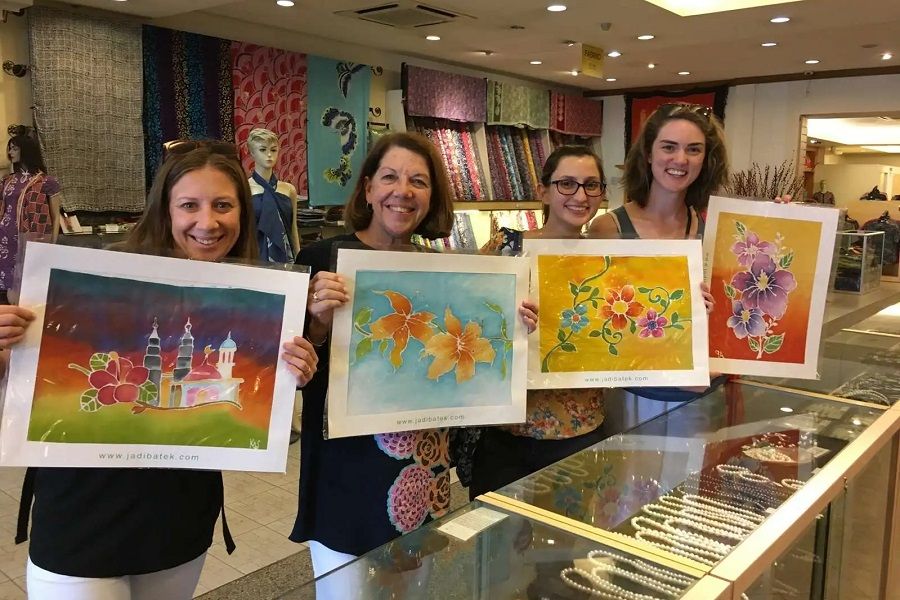
Batik painting is an ancient art form that involves applying wax to fabric to create intricate designs before dyeing. This technique, which has roots in the Malay archipelago, has evolved over centuries and remains a cherished cultural symbol. Batik designs are often characterized by their intricate patterns and vibrant colors, reflecting both traditional and contemporary influences.
Top Places to Learn Batik:
- Batik Boutique (Kuala Lumpur): This studio is renowned for its detailed batik painting classes. Participants are guided through every step, from sketching designs to applying wax and dyeing the fabric. The boutique also offers insight into the historical and cultural significance of batik, making the learning experience both educational and immersive.
- Kuala Lumpur Craft Complex (Kuala Lumpur): The Craft Complex is dedicated to preserving Malaysia’s traditional crafts. Its batik workshops cater to various skill levels, and attendees learn from experienced artisans who share techniques passed down through generations. The complex also features exhibitions showcasing traditional and contemporary batik art.
2. Explore Traditional Malaysian Cuisine
Cook Authentic Malaysian Dishes
Malaysian cuisine is a melting pot of flavors influenced by Malay, Chinese, and Indian cooking traditions. Learning to cook Malaysian dishes provides a sensory journey through the country’s diverse culinary landscape. Workshops often include making beloved dishes such as nasi lemak (coconut rice with accompaniments), rendang (slow-cooked beef in spicy coconut sauce), and laksa (spicy noodle soup).
Top Cooking Classes to Try:
- Sambal Shiok (Kuala Lumpur): This cooking school offers a range of classes that delve into Malaysian and Singaporean cuisines. The classes are hands-on and cover a variety of dishes, with an emphasis on traditional techniques and ingredients. Participants gain practical skills in preparing dishes and learn about the cultural significance of each recipe.
- Aunty’s Kitchen (Penang): Located in Penang, Aunty’s Kitchen is celebrated for its authentic approach to Malay and Peranakan (Straits Chinese) cuisine. The classes are interactive, and participants get to cook traditional dishes under the guidance of seasoned chefs. The experience includes a market tour to select fresh ingredients and a detailed explanation of cooking methods.
3. Immerse Yourself in Malaysian Dance
Learn Traditional and Contemporary Dance Forms
Dance is a vital expression of Malaysian culture, encompassing a variety of styles from different ethnic communities. Traditional Malay dances like the joget are lively and rhythmic, while Chinese lion dances are performed during celebrations and festivals. Workshops offer a chance to learn these dances and understand their historical and cultural contexts.
Top Dance Workshops:
- Kuala Lumpur Dance Academy (Kuala Lumpur): This academy offers comprehensive classes in traditional Malaysian dances, such as the joget and the mak yong (a theatrical dance form). The academy also provides training in Chinese and Indian dance forms, ensuring a well-rounded experience for participants interested in the diverse dance heritage of Malaysia.
- Penang Performing Arts Centre (Penang): Known for its diverse cultural offerings, this center provides workshops in both traditional and contemporary dance styles. The classes focus on the technical aspects of each dance form while also highlighting their cultural origins and significance.
4. Engage in Traditional Music Lessons
Experience Malaysia’s Musical Heritage
Traditional Malaysian music is rich and varied, featuring instruments like the gamelan (a set of percussion instruments) and the erhu (a two-stringed fiddle). Music workshops offer an opportunity to learn how to play these traditional instruments and understand the musical scales and rhythms that define Malaysian music.
Top Music Classes to Attend:
- Malaysian Philharmonic Orchestra (Kuala Lumpur): The MPO not only performs but also educates through workshops and masterclasses. Participants can explore traditional Malaysian instruments like the gamelan and learn about their role in Malaysian music. The sessions are led by professional musicians who provide detailed instruction and historical context.
- Penang Cultural Centre (Penang): This center offers classes in various traditional musical instruments, including the kompang (a traditional drum) and the angklung (a bamboo instrument). The workshops are designed for both beginners and advanced players, with a focus on understanding the cultural and historical background of each instrument.
5. Unveil the Secrets of Traditional Weaving
Master the Craft of Songket and Pua Kumbu
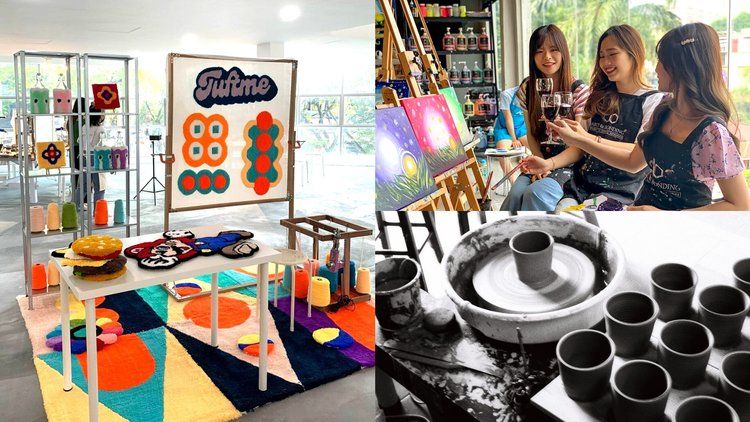
Traditional weaving in Malaysia includes exquisite textiles like songket and pua kumbu. Songket is a luxurious fabric with intricate gold or silver threads, traditionally used for ceremonial attire. Pua kumbu is a handwoven cloth from Sarawak with elaborate patterns that tell stories and hold cultural significance.
Top Weaving Workshops:
- Songket House (Kuala Lumpur): This workshop focuses on the art of songket weaving, where participants learn about the traditional techniques used to create these opulent textiles. The classes cover everything from the preparation of threads to the intricate weaving process, providing a thorough understanding of songket’s cultural importance.
- Pua Kumbu Centre (Sarawak): Located in Sarawak, this center offers immersive classes in weaving pua kumbu. Participants learn the traditional methods used by the Iban people, including dyeing techniques and pattern creation. The center also provides insights into the cultural stories and significance behind the patterns used in pua kumbu.
6. Dive into the World of Traditional Herbal Medicine
Explore the Healing Powers of Local Herbs
Traditional herbal medicine in Malaysia involves the use of indigenous herbs and natural remedies for health and wellness. These workshops provide practical knowledge about local herbs, their uses, and preparation methods for various treatments.
Top Herbal Medicine Classes:
- Traditional Medicine Centre (Kuala Lumpur): This center offers workshops on traditional herbal remedies and treatments. Participants learn about the properties of various herbs, how to prepare them for different ailments, and the principles of traditional Malay medicine. The classes include practical demonstrations and expert advice on using herbs for wellness.
- Herbal Healing Hub (Malacca): Known for its focus on traditional Malay medicine, this hub provides hands-on classes in herbal treatments and natural wellness practices. The workshops cover the preparation of herbal concoctions, massage techniques, and the use of herbs for common health issues.
7. Participate in Traditional Craftsmanship
Get Hands-On with Local Crafts
Traditional craftsmanship in Malaysia encompasses a wide range of skills, from intricate wood carving to delicate pottery and silverwork. Workshops in these crafts provide an opportunity to learn from skilled artisans and create beautiful, handcrafted items.
Top Craft Workshops:
- Craft Batik (Kuala Lumpur): Beyond batik painting, Craft Batik offers workshops in other traditional crafts such as wood carving and pottery. Participants learn from experienced artisans who share their techniques and artistic processes, providing a comprehensive look at Malaysia’s traditional craftsmanship.
- Kraf Malaysia (Malacca): Located in Malacca, Kraf Malaysia offers workshops in various traditional crafts, including silverwork and pottery. The sessions are designed to give participants a deep understanding of the materials and techniques used in these crafts, along with the cultural context behind them.
8. Discover the Art of Traditional Malay Healing
Learn Ancient Healing Practices
Traditional Malay healing practices combine herbal medicine, massage, and spiritual rituals. Workshops in Malay healing provide insights into these holistic practices, teaching techniques that have been used for centuries to promote health and well-being.
Top Healing Workshops:
- Batu Caves Traditional Healing Centre (Kuala Lumpur): This center offers workshops on traditional Malay healing practices, including herbal remedies and massage techniques. Participants learn about the principles of Malay medicine, the use of various herbs, and methods of relaxation and healing.
- Holistic Harmony (Langkawi): Located in Langkawi, this center provides classes on traditional Malay healing practices, focusing on holistic approaches to wellness. The workshops include practical demonstrations of massage techniques, herbal treatments, and spiritual practices used in traditional healing.
9. Experience the Richness of Peranakan Culture
Explore Peranakan Traditions and Crafts
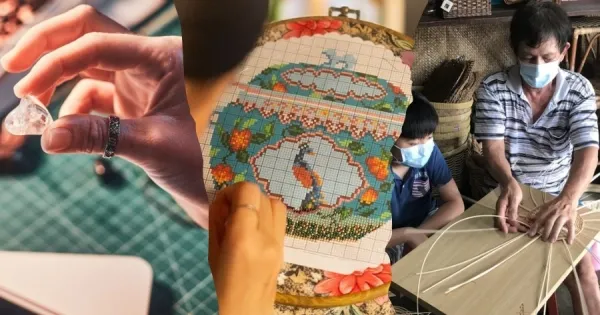
The Peranakan culture, a fusion of Chinese and Malay influences, is known for its distinctive textiles, intricate beadwork, and unique culinary traditions. Workshops focused on Peranakan culture offer a deep dive into this vibrant heritage.
Top Peranakan Workshops:
- Peranakan Museum (Penang): This museum offers workshops on Peranakan crafts, including beadwork and embroidery. Participants learn about the intricate techniques used to create Peranakan textiles and accessories, as well as the cultural stories behind these crafts. The museum also offers cooking classes for traditional Peranakan dishes.
- Straits Chinese Jewelry (Malacca): Known for its exquisite Peranakan jewelry, this workshop provides insights into the craftsmanship and cultural significance of these beautiful pieces. Participants learn about the design and creation of traditional Peranakan jewelry, including techniques and materials used.
10. Engage with Local Artisans
Support and Learn from Local Craftspeople
Many workshops are led by local artisans who are passionate about preserving their cultural heritage. Engaging with these artisans provides a unique learning experience and supports the preservation of traditional skills.
Top Artisan Workshops:
- Artisans of Malaysia (Kuala Lumpur): This organization offers workshops led by local artisans, covering a range of traditional crafts and techniques. Participants have the opportunity to learn directly from masters in various crafts, gaining valuable skills and insights into the cultural significance of each art form.
- Craftsmen’s Village (Johor Bahru): Located in Johor Bahru, this village provides opportunities to learn from skilled craftsmen in various traditional arts. Workshops include hands-on experiences in crafts such as wood carving and pottery, allowing participants to appreciate the artistry and cultural value of these traditional skills.
Conclusion
Malaysia’s cultural workshops and classes offer an enriching experience for anyone interested in exploring the country’s diverse heritage. From traditional crafts and culinary arts to dance and music, these workshops provide a hands-on approach to understanding Malaysia’s rich cultural tapestry. By participating in these experiences, you not only gain new skills but also contribute to the preservation and appreciation of Malaysia’s vibrant traditions. Dive into the world of Malaysian culture and discover the beauty and depth of this incredible nation.
