
In today’s digital age, where information is instantly accessible and constantly scrutinized, maintaining accurate and up-to-date business information is crucial for any organization’s success. Regular updates ensure that your business remains credible, competitive, and in alignment with customer expectations. This comprehensive guide explores the significance of keeping your business information current and offers practical advice for doing so effectively.
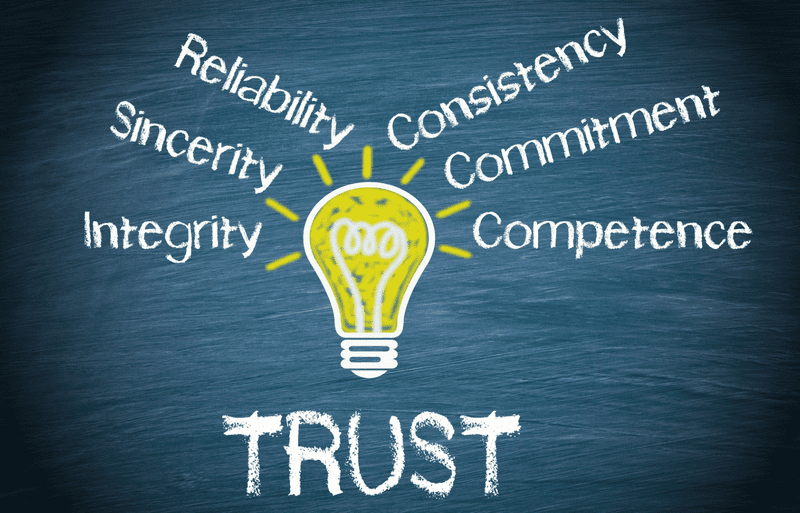
1. Building Trust with Accurate Information
First Impressions Matter
The first point of contact between a business and potential customers is often through online platforms—websites, social media, or local business directories. Imagine a scenario where a potential customer searches for your business but encounters outdated contact details, incorrect operating hours, or an old address. This discrepancy can lead to frustration and an immediate loss of trust. An accurate and updated presence ensures that potential customers receive the correct information right away, creating a positive first impression that can significantly impact their decision to engage with your business.
The Impact on Brand Reputation
A brand’s reputation is intricately linked to the reliability of the information it provides. Inaccuracies or outdated details can severely damage your reputation. For instance, if a business promises 24/7 customer support but fails to update its website to reflect reduced hours during holidays, customers might feel misled. This can result in negative reviews, loss of credibility, and a tarnished brand image. On the other hand, consistently providing accurate and current information builds a reputation for reliability and transparency, encouraging positive reviews and fostering customer loyalty.
2. Enhancing Customer Experience
Providing a Seamless Journey
In a world where consumers demand immediate and accurate information, a seamless customer journey is essential. Customers expect to find precise details about your products, services, and business operations without encountering confusion or misinformation. Regularly updating your business information ensures that customers can access correct details on your website, social media profiles, and business listings. This smooth access to reliable information contributes to a positive customer experience, leading to higher satisfaction and increased likelihood of repeat business.
Reducing Friction Points
Friction points in the customer journey, such as outdated contact information or incorrect business hours, can disrupt the customer experience and lead to frustration. For example, if a customer tries to visit your physical location based on outdated information, they might find it closed or moved. Similarly, incorrect phone numbers or email addresses can result in missed inquiries and lost opportunities. By keeping your information up to date, you eliminate these friction points, ensuring a hassle-free experience that enhances customer satisfaction and loyalty.
3. Staying Compliant with Legal Requirements
Adhering to Regulatory Standards
Many industries are governed by strict regulations that require businesses to keep their information current. This can include updating your business address, ownership details, or other critical information with relevant regulatory bodies. For example, in the healthcare industry, accurate business information is crucial for maintaining compliance with health and safety regulations. Failure to adhere to these standards can result in fines, penalties, or even the suspension of your business license. Regularly reviewing and updating your business information ensures that you remain compliant and avoid any legal repercussions.
Avoiding Legal Disputes
Outdated or inaccurate information can lead to legal disputes, particularly if customers feel misled or deceived by your business. For instance, if your website lists a product as available in-store but it’s actually out of stock, customers might feel disappointed and file complaints. This can result in legal challenges or regulatory scrutiny. Keeping your information accurate and up-to-date helps prevent such situations, safeguarding your business from potential legal disputes and protecting your reputation.
4. Improving Search Engine Visibility
Boosting Local SEO
Search engines like Google prioritize businesses that offer consistent and accurate information across various platforms. Regular updates to your business details, such as address, phone number, and operating hours, can significantly enhance your local SEO efforts. When your business information is consistently accurate, search engines are more likely to rank you higher in local search results, making it easier for potential customers to find you. This improved visibility drives more traffic to your website and physical location, boosting your overall business growth.
Keeping Up with Algorithm Changes
Search engine algorithms are constantly evolving, and keeping your business information updated is essential for maintaining high search rankings. Outdated information can negatively impact your SEO performance, making it harder for customers to find your business online. By staying current with the latest SEO practices and ensuring that your business details are accurate, you can adapt to algorithm changes and maintain a strong online presence, which is crucial for staying competitive in a digital marketplace.
5. Adapting to Business Changes
Reflecting Growth and Expansion
As your business evolves, so do its needs and operations. This might involve opening new locations, expanding your product offerings, or updating your services. Accurate and current business information ensures that your customers are aware of these changes and can easily access the updated details. For instance, if you open a new branch, updating your address and contact information online helps customers find the new location and continue to engage with your brand. This transparency reflects your growth and enhances customer engagement.
Managing Staff and Contact Details
Business operations often involve changes in staff, management, or contact details. For example, if a key staff member leaves or a new manager is appointed, it’s crucial to update this information to ensure that customers reach the right contact person. Failure to update staff and contact details can lead to confusion, missed communications, and a negative customer experience. Regular updates help manage these changes effectively, ensuring that customers have accurate information and can reach the appropriate person within your organization.
6. Enhancing Customer Engagement and Communication
Personalized Marketing Efforts
Accurate business information is vital for personalized marketing efforts. By maintaining up-to-date customer data, businesses can tailor their marketing messages to specific audience segments, enhancing relevance and engagement. For example, if you have updated customer contact information and preferences, you can send targeted promotions or personalized offers that resonate with individual customers. This level of personalization not only increases the effectiveness of your marketing campaigns but also strengthens customer relationships and loyalty.
Streamlining Communication Channels
Effective communication is key to successful customer engagement. Outdated business information can impede communication efforts, leading to missed messages, delayed responses, and dissatisfied customers. Ensuring that your contact details, social media profiles, and other communication channels are current allows customers to reach you easily and receive timely responses. This streamlined communication fosters stronger relationships, builds customer trust, and enhances overall engagement with your brand.
7. Leveraging Technology for Automation
Utilizing Business Listing Tools
Managing business information across multiple platforms can be time-consuming. Business listing management tools can streamline this process by allowing you to update your details in one place and automatically sync them across various online directories, search engines, and social media platforms. These tools not only save time but also ensure consistency and accuracy across all channels. By leveraging these technologies, you can maintain a unified online presence and enhance your business’s credibility and visibility.
Integrating with CRM Systems
Customer Relationship Management (CRM) systems are valuable tools for managing and updating customer and business information. Integrating your CRM with other business tools and platforms can automate the process of updating contact details, customer interactions, and other essential data. This integration ensures that your information is always accurate and accessible, improving operational efficiency and customer satisfaction. By utilizing CRM systems, you can manage your business information more effectively and maintain a high level of organization.
8. Planning for Future Growth
Preparing for Expansion
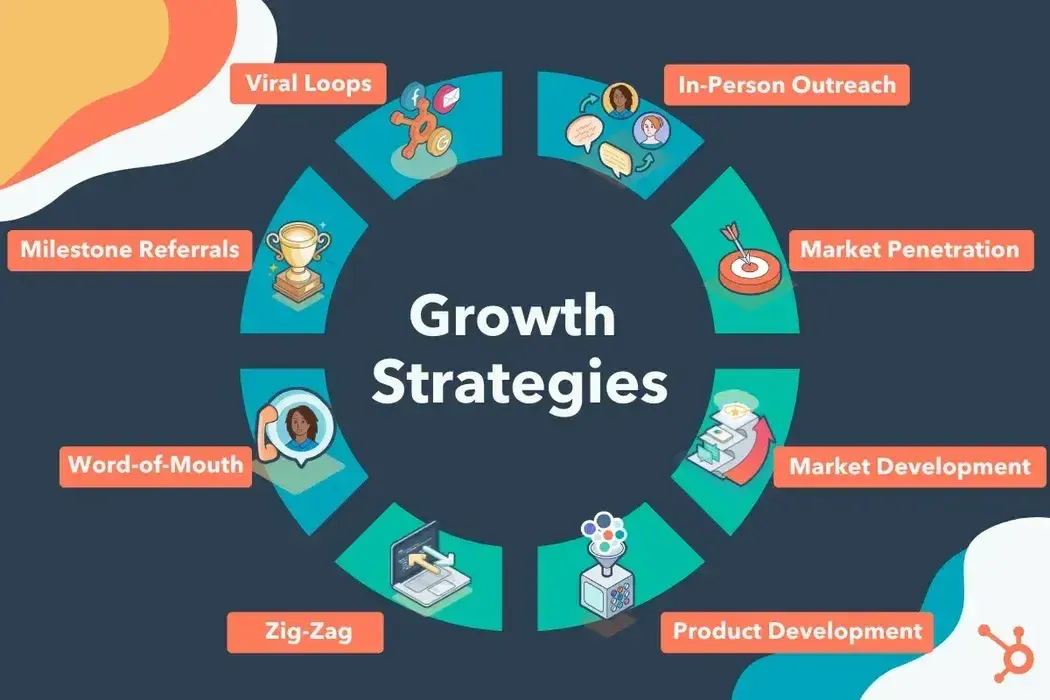
As your business grows, the complexity of managing your information increases. Planning for future growth involves regularly reviewing and updating your business details to reflect new locations, products, services, and customer segments. This proactive approach ensures that your business is well-prepared for expansion and can easily adapt to new opportunities. Accurate information also helps in communicating changes to your customers, allowing them to stay informed and engaged with your evolving business.
Adapting to Market Changes
The business landscape is constantly evolving, with new trends, technologies, and customer preferences emerging regularly. Staying ahead of these changes requires flexibility and the ability to adapt quickly. Regular updates to your business information allow you to respond to market shifts and ensure that your business remains relevant and competitive. By keeping your information current, you demonstrate your commitment to staying at the forefront of industry developments and meeting customer expectations.
Conclusion: The Continuous Process of Updating
In conclusion, the process of updating your business information is not a one-time task but an ongoing responsibility that requires attention and diligence. From building trust and enhancing customer experience to staying compliant with legal requirements and improving search engine visibility, the benefits of keeping your information current are extensive. By making regular updates a priority, you safeguard your brand’s reputation, foster stronger customer relationships, and position your business for long-term success. Embrace the continuous process of updating as a vital component of your business strategy, and watch your brand thrive in a dynamic and competitive landscape.
