
Introduction: The Importance of a Well-Written Business Description
A business description serves as a critical touchpoint for potential customers, investors, and partners. It’s often the first impression they’ll have of your company, making it essential to get it right. A well-crafted description can differentiate your business from competitors, highlight your unique strengths, and persuade readers to engage with your brand. Whether you’re updating your website, writing a marketing brochure, or drafting a social media post, a strong business description can make a significant impact on your business’s success.
1. Understand Your Audience

Know Who You’re Writing For
To create a business description that truly engages, start by understanding who your audience is. This involves more than just demographic details; delve into their preferences, needs, and behaviors. For instance, if your target audience includes young professionals, your tone and content might be more modern and energetic. Conversely, if you’re addressing a corporate audience, a professional and straightforward approach may be more appropriate.
Identify Their Pain Points
Understanding your audience’s pain points allows you to tailor your message to address their specific challenges. For example, if your business offers time-saving solutions, emphasize how your services or products alleviate the stress of tight deadlines or inefficient processes. By highlighting how you solve their problems, you create a connection that makes your business description more compelling and relevant.
2. Craft a Strong Opening
Grab Attention with a Hook
The opening of your business description should capture attention quickly. Use an engaging hook such as an intriguing fact, a provocative question, or a bold statement that piques curiosity. For example, “Imagine doubling your productivity with just one tool. That’s what we offer at [Your Company].” This approach draws readers in and encourages them to continue reading.
Set the Tone
Your opening should set the tone for the rest of the description. If your brand is known for its innovation, your opening might be forward-thinking and dynamic. If you’re a trusted family-owned business, a warm and personable tone might be more fitting. Ensure that the tone reflects your brand’s personality and aligns with how you want to be perceived by your audience.
3. Highlight Unique Selling Points (USPs)
Showcase What Sets You Apart
Your Unique Selling Points (USPs) are the features or benefits that make your business stand out from the competition. Clearly articulate what differentiates your products or services, whether it’s superior quality, exceptional customer service, or a unique technology. For example, if your company uses cutting-edge technology to offer faster delivery times, make this a focal point in your description.
Use Specific Examples
Supporting your USPs with specific examples or testimonials adds credibility and makes your claims more persuasive. Share success stories or customer testimonials that illustrate the positive impact of your products or services. For instance, “Our clients have reported a 40% increase in efficiency after using our software, as highlighted in our recent case study with [Client Name].”
4. Focus on Benefits, Not Just Features
Translate Features into Benefits
While it’s important to describe the features of your products or services, focusing on the benefits provides a clearer picture of how these features impact your customers. Instead of merely stating that a product is “waterproof,” explain how this feature benefits the user, such as “Our waterproof design ensures that you can use our product in any weather conditions without worrying about damage.”
Create Emotional Appeal
Appealing to emotions can make your business description more engaging and memorable. Highlight how your products or services enhance the customer’s life, solve their problems, or fulfill their desires. For example, “Experience the joy of hassle-free mornings with our all-in-one coffee maker, designed to make your daily routine smoother and more enjoyable.”
5. Use Clear and Concise Language
Avoid Jargon and Complexity
Clear and straightforward language is essential for ensuring that your message is easily understood. Avoid industry-specific jargon or complex terms that may confuse your audience. Instead, use simple and precise language that communicates your message effectively. For instance, replace “state-of-the-art technology” with “the latest technology” if it’s easier for your audience to understand.
Be Concise
Conciseness is key to maintaining reader interest. Aim to convey your message in as few words as possible while still providing all necessary information. A concise description helps keep the reader’s attention and makes your message more impactful. For example, instead of a lengthy paragraph, use bullet points to highlight key features and benefits.
6. Incorporate a Call to Action (CTA)
Encourage Action
A strong call to action (CTA) prompts your audience to take the next step. Whether you want them to visit your website, sign up for a newsletter, or make a purchase, make sure your CTA is clear and compelling. Use action-oriented language such as “Discover more” or “Get started today” to motivate readers to act.
Make It Easy
Ensure that the process for taking the next step is straightforward and hassle-free. Provide clear instructions and necessary contact information to facilitate a smooth transition. For example, include a direct link to your contact page or a simple form that readers can fill out to get in touch with you.
7. Optimize for SEO
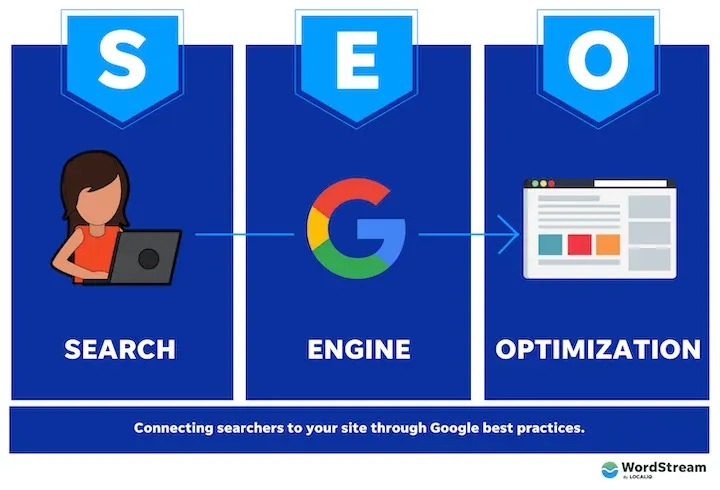
Include Relevant Keywords
Incorporate relevant keywords and phrases that your target audience is likely to search for. This helps improve your business description’s visibility in search engine results and attracts more organic traffic to your site. Conduct keyword research to identify the most effective terms for your industry and audience.
Balance SEO with Readability
While optimizing for SEO is important, your description should remain engaging and readable. Avoid keyword stuffing, which can make your text awkward and less appealing. Instead, integrate keywords naturally within the content to ensure it flows smoothly and maintains reader interest.
8. Reflect Your Brand’s Voice and Personality
Maintain Consistent Branding
Consistency in branding helps reinforce your business’s identity and makes your description more recognizable. Ensure that your business description aligns with your brand’s overall voice and messaging. Whether your brand is formal, casual, or creative, the tone of your description should reflect this.
Be Authentic
Authenticity builds trust with your audience. Be genuine in your description and avoid making exaggerated claims or promises. Authentic descriptions help establish credibility and foster a positive relationship with your readers. Share your brand’s story and values to connect on a deeper level.
9. Edit and Revise
Review for Clarity and Accuracy
After drafting your business description, review it carefully to ensure clarity and accuracy. Check for any errors or inconsistencies and verify that all information is up-to-date. Editing helps refine your message and enhances its effectiveness.
Seek Feedback
Getting feedback from others can provide valuable insights and help you identify areas for improvement. Share your description with colleagues, customers, or industry experts to gather their opinions and suggestions. Incorporate their feedback to enhance the quality and impact of your description.
10. Test and Measure
Monitor Performance
Once your business description is live, track its performance to assess its effectiveness. Monitor metrics such as engagement rates, click-through rates, and conversion rates to determine how well it’s resonating with your audience. Use analytics tools to gain insights into how readers are interacting with your description.
Make Adjustments
Based on performance data, make any necessary adjustments to improve your description. Experiment with different approaches or phrasing to see what resonates best with your audience. Regularly updating and refining your description can help maintain its relevance and effectiveness over time.
Conclusion
Writing an engaging business description requires a thoughtful approach that considers your audience, highlights your unique strengths, and communicates your brand’s value effectively. By crafting a compelling opening, focusing on benefits, using clear language, and incorporating a strong call to action, you can create descriptions that captivate and convert. Remember to reflect your brand’s personality, optimize for SEO, and continuously refine your description based on feedback and performance metrics. With these strategies, you’ll be well-equipped to craft business descriptions that not only inform but also inspire and engage your audience.
