
Planning Your Online Fitness Coaching Program
How to Identify Your Niche in Fitness Coaching
- Specializing in Weight Loss, Strength Training, or Wellness
- How to Choose the Right Fitness Niche for You
Setting Your Goals and Defining Your Vision
- Short-Term vs. Long-Term Goals for Your Fitness Coaching Business
- How to Create a Vision for Your Online Fitness Program
Target Audience: Who Are You Coaching?
- Understanding Your Ideal Client: Demographics and Psychographics
- Tailoring Your Coaching Program to Different Audiences
Building Your Online Fitness Coaching Platform
Choosing the Right Online Coaching Platform
- Best Fitness Coaching Software in 2025: Features and Pricing
- How to Select a Platform Based on Your Needs
Creating a User-Friendly Website for Your Coaching Program
- How to Build a Website for Fitness Coaching
- Key Elements Your Fitness Coaching Website Must Have
Setting Up Your Online Payment System
- Best Payment Gateways for Fitness Coaches
- How to Ensure Secure and Easy Payments for Your Clients
Creating a Compelling Coaching Program
How to Design Your Fitness Coaching Program
- Structuring Your Fitness Coaching Program for Success
- How to Offer Personalized Programs to Clients
Developing Your Fitness Content
- Creating Workout Plans, Nutrition Guides, and Resources
- How to Record High-Quality Fitness Coaching Videos
How to Structure Group Coaching vs. One-on-One Coaching
- Differences Between Group and Personal Coaching Models
- When and Why to Offer Both Group and One-on-One Coaching
Marketing Your Online Fitness Coaching Program
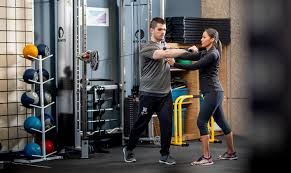
Building a Strong Personal Brand as a Fitness Coach
- How to Establish Your Authority and Build Trust with Clients
- Tips for Crafting a Unique and Memorable Fitness Coaching Brand
Utilizing Social Media to Promote Your Coaching Program
- Best Social Media Platforms for Fitness Coaches in 2025
- How to Create Engaging Fitness Content for Social Media
Running Paid Ads to Get More Clients
- How to Use Facebook, Instagram, and Google Ads for Fitness Coaching
- Best Practices for Running Successful Ads on Social Media
Creating an Email Marketing Strategy for Your Coaching Program
- How to Build and Grow Your Email List
- Email Campaigns that Convert: Best Practices for Fitness Coaches
Establishing Client Relationships and Retention
How to Onboard New Clients for Your Online Fitness Program
- Creating an Effective Client Onboarding Process
- How to Set Client Expectations from the Start
Building Long-Term Relationships with Clients
- Tips for Keeping Clients Engaged and Motivated
- How to Provide Ongoing Support and Value to Your Clients
How to Gather Feedback and Improve Your Coaching Program
- Best Tools for Collecting Client Feedback
- How to Adjust Your Coaching Program Based on Feedback
Monetizing Your Online Fitness Coaching Program
Setting Your Pricing Structure
- How to Set Competitive Pricing for Online Fitness Coaching in 2025
- Subscription vs. One-Time Payments: Which is Best for Your Program?
How to Sell Fitness Coaching Packages
- Creating Value-Packed Fitness Coaching Packages for Clients
- Tips for Upselling and Cross-Selling Fitness Services
Generating Passive Income with Online Fitness Products
- How to Create and Sell Digital Products (eBooks, Workout Plans, etc.)
- Using Affiliate Marketing for Additional Revenue Streams
Managing Your Online Fitness Coaching Business

How to Automate Your Fitness Coaching Business
- Tools and Systems for Automating Scheduling and Payments
- Best Software for Automating Client Communication
Time Management for Fitness Coaches
- How to Balance Coaching, Marketing, and Business Tasks
- Tips for Staying Productive and Avoiding Burnout
Scaling Your Online Fitness Coaching Business
- How to Expand Your Client Base Without Overwhelming Yourself
- Hiring Virtual Assistants or Other Coaches to Grow Your Business
Overcoming Challenges in Online Fitness Coaching

Dealing with Low Client Retention
- How to Keep Clients Motivated and Committed to Your Program
- Strategies for Building Long-Term Client Loyalty
Handling Client Concerns and Complaints
- How to Professionally Address Client Issues
- Turning Negative Feedback into Opportunities for Growth
Staying Up-to-Date with Industry Trends
- Keeping Your Coaching Program Fresh and Relevant
- How to Stay Ahead of Competitors in the Fitness Coaching Market
Legal and Ethical Considerations for Online Fitness Coaches

Protecting Your Fitness Coaching Business Legally
- Contracts and Waivers: What You Need for Online Coaching
- Insurance and Liability Concerns for Fitness Coaches
Maintaining Ethical Standards as an Online Coach
- How to Ensure Your Fitness Coaching is Safe and Effective
- Guidelines for Offering Health and Wellness Advice Online
Launch Your Online Fitness Coaching Program in 2025
- Recap of Key Steps for Starting Your Fitness Coaching Business
- Final Tips for Achieving Success and Growing Your Online Fitness Coaching Program
- Encouragement to Take Action and Start Today
Why Start an Online Fitness Coaching Program?

The Rise of Online Fitness Coaching in 2025
The fitness industry has undergone a significant transformation in recent years, with online fitness coaching emerging as a prominent way for trainers to reach clients. The demand for online coaching is growing in 2025 as more people seek convenient, flexible ways to get fit from the comfort of their homes. Whether clients are looking to lose weight, build strength, or improve overall wellness, online coaching provides them with the necessary tools and expert guidance at their own pace.
The rise of virtual fitness classes, personalized coaching via apps, and on-demand training has opened up a massive market for fitness professionals. The trend towards online fitness coaching is fueled by the increasing preference for remote services, allowing fitness coaches to work with clients globally, no matter their location.
Benefits of Offering Fitness Coaching Online
Offering fitness coaching online comes with numerous advantages:
- Global Reach: You are not limited to local clients. The internet allows you to work with clients from anywhere in the world.
- Flexible Schedule: You can create a coaching schedule that suits both you and your clients, enhancing your work-life balance.
- Lower Overhead Costs: Without the need for a physical space, you can save on expenses like rent and utilities.
- Scalability: With the right systems in place, you can scale your business by offering group coaching, courses, or downloadable programs alongside one-on-one coaching.
In 2025, starting an online fitness coaching program is more accessible than ever, and the potential for growth is substantial.
Planning Your Online Fitness Coaching Program

How to Identify Your Niche in Fitness Coaching
Identifying a niche is crucial for standing out in the competitive online fitness space. As a coach, you need to think about the type of fitness training that aligns with your skills and passions. This could be weight loss, bodybuilding, post-pregnancy fitness, strength training, yoga, or even specialized programs like nutrition-based fitness or injury rehabilitation.
To identify your niche:
- Assess your strengths: What type of fitness do you excel in? What certifications or expertise do you have?
- Understand the market: Research what potential clients need and look for programs in your area of expertise.
- Narrow your focus: Rather than being a general fitness coach, specialize in one area. This will make it easier to target a specific audience and develop tailored programs.
Setting Your Goals and Defining Your Vision
Setting clear goals and defining your long-term vision is vital for creating a successful online fitness coaching business. Think about:
- Revenue Goals: How much do you want to earn from your fitness coaching program in the next year, 3 years, and 5 years?
- Client Targets: How many clients do you plan to coach on a monthly or yearly basis?
- Personal Development: What do you hope to achieve in terms of certifications, partnerships, or reaching a larger audience?
Having a well-defined vision helps guide your efforts and ensures that you remain focused on achieving your business milestones.
Target Audience: Who Are You Coaching?
Knowing your target audience is key to developing an effective coaching program. Define your ideal client by considering:
- Demographics: Age, gender, location, and income.
- Psychographics: What are their fitness goals? Are they looking to lose weight, gain muscle, or improve their overall health?
- Pain points: What are their challenges? Are they struggling to find time for workouts or staying motivated?
The better you understand your audience, the more effectively you can tailor your fitness coaching services to meet their needs.
Building Your Online Fitness Coaching Platform
Choosing the Right Online Coaching Platform
To start offering your online fitness coaching services, you’ll need to select the right platform. Popular platforms include:
- Trainerize: A flexible platform that lets you build customized fitness plans and communicate directly with clients.
- Mindbody: A comprehensive fitness management system with client scheduling, payment processing, and virtual coaching capabilities.
- TrueCoach: A user-friendly app designed specifically for fitness coaches to manage client programs, track progress, and deliver feedback.
Look for features like easy client communication, progress tracking, and integrations with payment systems. The platform should be easy for both you and your clients to navigate.
Creating a User-Friendly Website for Your Coaching Program
A well-designed website is essential for marketing your online fitness coaching program. Here are the key elements to include:
- Clear value proposition: What makes your coaching program different from others? Make sure visitors can quickly understand the benefits of working with you.
- Service details: Outline your coaching services, pricing packages, and available programs.
- Testimonials: Social proof is powerful. Show potential clients what past clients have to say about your coaching.
- Call-to-action (CTA): Include strong CTAs to encourage users to sign up, book a consultation, or view your program offerings.
You can use website builders like WordPress, Wix, or Squarespace, which offer templates specifically for fitness coaches.
Setting Up Your Online Payment System
Secure and easy payment systems are crucial to the success of your online fitness business. Consider platforms like:
- Stripe: Great for one-time payments or subscriptions, with easy integration on most websites.
- PayPal: Another option for international transactions, widely trusted by clients.
- Square: Provides payment solutions for both in-person and online services, ideal if you plan to host in-person events or classes.
Make sure to choose a system that offers both security and ease of use, ensuring clients can seamlessly pay for your services without frustration.
Creating a Compelling Coaching Program
How to Design Your Fitness Coaching Program
A successful coaching program should be personalized to meet the unique needs of your clients. Design programs that include:
- Personalized fitness assessments: Help clients determine their current fitness levels and create individualized plans.
- Progressive training: Ensure your program adapts to clients’ progress, increasing intensity as they improve.
- Additional resources: Include nutrition advice, mindset coaching, and recovery tips to give clients a well-rounded experience.
Remember that a successful program should address the different needs of various client segments, whether beginners, intermediates, or advanced athletes.
Developing Your Fitness Content
Content is a key driver of client engagement. Create a mix of content types, such as:
- Workout videos: Demonstrate exercises with clear instructions and modifications.
- Guides and ebooks: Offer downloadable resources like meal plans, fitness challenges, or motivational tips.
- Progress tracking tools: Provide clients with access to tracking sheets or apps that allow them to log their workouts and monitor progress.
Consistency is important; aim to provide valuable content regularly to keep clients engaged and motivated.
How to Structure Group Coaching vs. One-on-One Coaching
- Group Coaching: Group coaching is perfect for clients who enjoy a sense of community and social interaction. It allows you to reach more people at once and lower your coaching fees. A typical group coaching setup includes weekly classes, shared challenges, and community support.
- One-on-One Coaching: This approach is more personalized and allows you to cater to individual client needs. Typically, you would offer one-on-one consultations, custom workout plans, and ongoing support.
Many online coaches offer a combination of both, allowing clients to choose the model that suits them best.
Marketing Your Online Fitness Coaching Program
Building a Strong Personal Brand as a Fitness Coach
A strong personal brand is essential for standing out in the competitive online fitness coaching space. Your brand represents your values, expertise, and what sets you apart from other coaches. Here’s how to build a powerful personal brand:
- Define Your Unique Value Proposition: What makes you different from other fitness coaches? Whether it’s your specialized training approach, unique coaching style, or your personal journey, make sure your brand reflects what sets you apart.
- Consistency Across Platforms: Ensure your messaging, visuals, and tone of voice are consistent across your website, social media profiles, and all other digital platforms. Consistency helps reinforce your brand’s identity.
- Showcase Your Personality: Let your personality shine through your content. Being authentic and relatable helps build trust with potential clients.
- Client Testimonials and Success Stories: Sharing client transformations or success stories will enhance your credibility and help attract new clients who resonate with your story.
How to Establish Your Authority and Build Trust with Clients
Building authority and trust is crucial in attracting and retaining clients. Here’s how to establish both:
- Share Your Expertise: Regularly share valuable, educational content that demonstrates your knowledge and skills. This could include blog posts, videos, or free resources that address common fitness challenges.
- Get Certified: Show potential clients that you’re certified by reputable organizations, which can help enhance your authority in the fitness field.
- Offer Free Content: By offering free, high-quality content such as workout routines, guides, or webinars, you provide value upfront, which builds trust with prospective clients.
- Engage with Your Community: Respond to comments, messages, and emails. Interacting with your followers and clients shows that you genuinely care about their progress and concerns.
Tips for Crafting a Unique and Memorable Fitness Coaching Brand
To make your fitness coaching brand unforgettable, consider these strategies:
- Narrow Your Niche: Specialize in a specific fitness area (e.g., pre-natal fitness, strength training, weight loss) to cater to a specific audience and differentiate yourself from general fitness coaches.
- Create a Memorable Brand Name and Logo: Your brand name should be easy to remember and reflective of your coaching philosophy. Invest in a professional logo that conveys the essence of your brand.
- Tell Your Story: Share why you became a fitness coach, the journey you’ve taken, and the impact you’ve had on others. A personal narrative can help clients connect with you on a deeper level.
- Develop Your Signature Coaching Style: Define your unique approach to fitness coaching, whether it’s based on your fitness philosophy, training style, or client engagement method.
Utilizing Social Media to Promote Your Coaching Program

Best Social Media Platforms for Fitness Coaches in 2025
Social media is one of the best tools for reaching new clients and engaging your audience. Here are the best platforms for fitness coaches in 2025:
- Instagram: A visual platform perfect for showcasing workout videos, client transformations, and motivational content. Use Instagram Stories and Reels to interact with your audience.
- Facebook: Ideal for building a fitness community, sharing long-form content, and hosting live sessions or Q&As. Facebook groups also provide a great space to engage clients.
- YouTube: A platform for posting in-depth workout tutorials, fitness challenges, or live streams. Videos on YouTube can help you build credibility and attract new followers.
- TikTok: Growing in popularity, TikTok allows you to create short, viral videos to promote your fitness program and build your audience.
How to Create Engaging Fitness Content for Social Media
Creating engaging content is essential for social media success. Here’s how to do it:
- Educational Posts: Share tips, workout routines, and nutrition advice that add value to your followers.
- Interactive Content: Use polls, quizzes, and challenges to keep your audience engaged. Interaction builds community and keeps your clients coming back.
- Behind-the-Scenes: Show your personal life, workouts, and daily routines. Authenticity will help humanize your brand and foster a connection with your audience.
- Client Spotlights: Highlight the success stories of your clients. Sharing their progress not only motivates others but also strengthens your credibility.
Running Paid Ads to Get More Clients
How to Use Facebook, Instagram, and Google Ads for Fitness Coaching
Paid ads are a great way to grow your client base. Here’s how to leverage different ad platforms:
- Facebook and Instagram Ads: These platforms offer precise targeting options (e.g., age, interests, location) that help you reach your ideal clients. Use ads to promote your coaching services, free consultations, or special offers.
- Google Ads: Running Google Ads can help you appear in search results when people are actively looking for fitness coaching services. Focus on specific keywords like “online fitness coach” or “personal training services.”
Best Practices for Running Successful Ads on Social Media
- Targeting: Always narrow down your audience to ensure your ads reach the right people.
- Compelling Copy: Use strong, action-oriented language in your ads to encourage clicks (e.g., “Sign up today for a free fitness consultation!”).
- Visually Appealing: Use high-quality images or videos that align with your brand to catch the viewer’s eye.
- Clear CTA: Always include a call-to-action (CTA) that tells potential clients what you want them to do (e.g., “Click here to sign up now”).
Creating an Email Marketing Strategy for Your Coaching Program
How to Build and Grow Your Email List
Building an email list is essential for long-term growth. Here’s how to do it:
- Offer Lead Magnets: Provide free resources, such as workout plans, fitness challenges, or meal guides, in exchange for email signups.
- Use Pop-ups and Sign-Up Forms: Integrate email opt-ins on your website and social media profiles. Make it easy for visitors to subscribe to your newsletter.
- Create Content Upgrades: Offer additional content to those who are already subscribed. For example, if you have a free workout plan, you could offer a more advanced version for those on your email list.
Email Campaigns that Convert: Best Practices for Fitness Coaches
- Personalized Emails: Use the client’s name and personalize your emails based on their preferences or fitness goals.
- Segment Your List: Create different segments (e.g., beginner, intermediate, advanced) and send targeted content based on each group’s needs.
- Clear and Actionable CTA: Ensure your email has a CTA encouraging clients to take action (e.g., “Book your free consultation today”).
Establishing Client Relationships and Retention
How to Onboard New Clients for Your Online Fitness Program
Creating an Effective Client Onboarding Process
Your onboarding process sets the tone for the entire client relationship. Ensure a smooth and positive experience by:
- Sending Welcome Emails: After a client signs up, send a welcome email with all the details they need to get started, including how to access their coaching program, what to expect, and what tools they’ll need.
- Setting Clear Expectations: Make sure clients know your availability, how often you’ll communicate, and the structure of your coaching program.
- Setting Goals: Discuss the client’s fitness goals right away to create a personalized plan for their success.
How to Set Client Expectations from the Start
Establishing clear expectations early in the coaching process is essential to building trust:
- Outline Program Details: Clearly explain the duration, frequency, and format of coaching sessions.
- Communicate Boundaries: Set boundaries around your availability, response times, and any policies you have regarding cancellations or rescheduling.
- Goal Setting: Encourage clients to set realistic goals and outline how you will help them achieve them.
Establishing Client Relationships and Retention
How to Onboard New Clients for Your Online Fitness Program
Creating an Effective Client Onboarding Process
The client onboarding process is crucial to ensuring a smooth transition into your fitness coaching program. A well-designed onboarding experience sets the tone for a successful and long-term relationship. Here’s how to create an effective onboarding process:
- Welcome Email: Send a welcome email immediately after a client signs up. This should include:
- A personalized greeting.
- A brief overview of what to expect during the program.
- Clear instructions on how to access their coaching materials, workout plans, and communication channels.
- Client Questionnaire: Ask new clients to fill out a questionnaire to assess their fitness level, goals, and any potential health issues. This information helps you tailor the program to their needs.
- Introductory Call/Consultation: Schedule a call to go over the client’s goals and expectations. Discuss their fitness history and any specific preferences they may have for the program.
- Goal Setting: Work with the client to set realistic, measurable goals. Establish short-term and long-term goals to track their progress.
- Program Overview: Explain the structure of the coaching program, the type of workouts they will do, and how often they should expect to check in with you.
How to Set Client Expectations from the Start
Setting clear expectations from the outset ensures that both you and your clients are on the same page. Here’s how to do it:
- Be Transparent: Clearly communicate your coaching style, availability, and what clients can expect in terms of results.
- Explain Program Duration and Commitment: Let clients know how long the program will last, how many sessions they’ll have, and how much time they should commit to workouts each week.
- Clarify Communication Channels: Set expectations for how and when clients can contact you. Will it be through email, text, or a coaching app? Set boundaries around response times to manage their expectations.
- Realistic Outcomes: Let clients know that results take time and that consistency is key. Be honest about the amount of work required to reach their fitness goals.
- Policies: Be clear about your cancellation and rescheduling policies to avoid misunderstandings.
Building Long-Term Relationships with Clients
Tips for Keeping Clients Engaged and Motivated
Retaining clients is all about keeping them motivated and excited about their progress. Here’s how you can keep clients engaged:
- Regular Check-ins: Schedule regular check-ins to monitor progress, discuss challenges, and adjust their fitness plans accordingly. This shows you care about their success.
- Personalization: Tailor each workout and coaching session to meet the client’s evolving needs. When clients feel like their program is made just for them, they are more likely to stay committed.
- Incorporate Variety: Keep workouts interesting by adding variety, changing up routines, or introducing new challenges. This prevents clients from feeling bored or stagnated.
- Celebrate Milestones: Celebrate both small and large milestones to keep clients motivated. Recognizing progress builds confidence and reinforces their commitment.
How to Provide Ongoing Support and Value to Your Clients
To maintain a long-term relationship, you need to continuously offer value. Here’s how:
- Exclusive Content: Offer your clients exclusive resources, such as workout templates, meal plans, or fitness challenges that go beyond the typical sessions.
- Access to Special Tools: Share fitness tools, apps, or trackers that can help them stay on top of their progress.
- Ongoing Education: Provide valuable content about nutrition, mindset, recovery, and other aspects of fitness that will help them succeed.
- Q&A Sessions: Host live Q&A sessions where clients can ask questions about their training, nutrition, and other fitness-related concerns.
How to Gather Feedback and Improve Your Coaching Program
Best Tools for Collecting Client Feedback
Client feedback is essential for improving your online fitness coaching program. Use these tools to gather valuable insights:
- Surveys: Use platforms like Google Forms, Typeform, or SurveyMonkey to create questionnaires that can help you understand client satisfaction, areas for improvement, and overall experience.
- Email Surveys: Send simple email surveys after each session to gauge how clients felt and what they think can be improved.
- One-on-One Feedback: During check-ins or consultations, ask clients about their experience with the program and what changes they would like to see.
- Social Media Polls/Questions: Engage with clients on social media by running polls or asking open-ended questions about their experience.
How to Adjust Your Coaching Program Based on Feedback
Once you’ve gathered feedback, it’s time to make adjustments. Here’s how to adapt your program based on client input:
- Analyze the Data: Look for patterns in the feedback. If multiple clients mention the same challenge or request, it’s an indication that something needs to be addressed.
- Implement Changes: Based on the feedback, make necessary changes to your workouts, communication style, or program structure. Show clients that you’re listening and willing to adapt to their needs.
- Test and Iterate: After implementing changes, continue to monitor client satisfaction and progress. If necessary, adjust further to enhance their experience.
Monetizing Your Online Fitness Coaching Program
Setting Your Pricing Structure
How to Set Competitive Pricing for Online Fitness Coaching in 2025
Pricing your online fitness coaching program requires balancing value and affordability while staying competitive in the market. Here’s how to set your pricing:
- Research Your Competitors: Investigate what other fitness coaches in your niche are charging. Look at their pricing structure for one-on-one coaching, group coaching, and online programs.
- Consider Your Experience and Credentials: If you have specialized certifications or years of experience, you can justify higher pricing. Clients may be willing to pay a premium for your expertise.
- Factor in Your Target Audience: Understand your target demographic and their willingness to pay. Are they more price-sensitive or willing to pay a higher premium for personalized attention?
- Offer Tiered Pricing: Consider offering different pricing tiers to cater to clients with varying budgets. For example, one-on-one coaching could be priced higher than group coaching sessions.
Subscription vs. One-Time Payments: Which is Best for Your Program?
When deciding on the payment structure for your coaching program, consider the pros and cons of each:
- Subscription Model: Clients are billed on a recurring basis (weekly, monthly). This provides a steady stream of income and can help with client retention as they are committed to ongoing coaching. It also creates long-term relationships with clients.
- One-Time Payments: One-time payments can be attractive to clients who prefer to pay upfront for a program. It’s suitable for clients who want to commit to a specific program or set of sessions without long-term commitment.
Which Model to Choose? It depends on your coaching style and the commitment you want from your clients. Subscription models work well for ongoing programs, while one-time payments are great for specific courses or training packages.
How to Sell Fitness Coaching Packages
Creating Value-Packed Fitness Coaching Packages for Clients
Fitness coaching packages allow you to bundle multiple services into one offer, giving clients value for their money while increasing your income. Here’s how to create packages that sell:
- Offer Tiered Packages: Design packages with different levels of service. For example:
- Basic Package: Access to a fitness program with weekly check-ins.
- Standard Package: Includes additional nutrition guidance and bi-weekly check-ins.
- Premium Package: Full access to personalized coaching, nutrition advice, and daily check-ins.
- Add Bonuses: Include bonus resources such as eBooks, workout challenges, or access to exclusive content to sweeten the deal.
- Clear Outcomes: Make sure each package clearly communicates the results the client can expect. For example, “Lose 10 pounds in 8 weeks” or “Build muscle and strength in 6 weeks.”
- Limited-Time Offers: Use urgency to encourage clients to act quickly. Offer discounts or bonuses for clients who sign up within a specific timeframe.
Tips for Upselling and Cross-Selling Fitness Services
Upselling and cross-selling help increase your revenue and provide added value to your clients. Here’s how:
- Offer Add-Ons: After a client purchases a basic package, offer them additional services such as one-on-one coaching calls, extra workout plans, or personalized meal plans.
- Recommend Higher-Tier Packages: If a client is interested in a lower-tier package, suggest an upgrade that offers more value, such as more frequent coaching sessions or more personalized support.
- Sell Related Products: Sell fitness equipment, apparel, or supplements as part of your coaching package. Partner with relevant brands for affiliate marketing opportunities.
Generating Passive Income with Online Fitness Products
How to Create and Sell Digital Products (eBooks, Workout Plans, etc.)
Creating digital products is a great way to generate passive income. Here’s how to do it:
- Identify What Your Audience Needs: Create eBooks, workout plans, or meal guides that solve common problems for your clients. For example, create a 30-day fitness challenge or a meal prep guide.
- Create High-Quality Content: Invest time in creating well-designed and valuable digital products that your clients can download and use.
- Sell on Multiple Platforms: List your products on your website, through email campaigns, and on third-party platforms like Etsy or Gumroad for broader reach.
- Offer Bonuses: Add additional resources like video tutorials or bonus workouts when clients purchase your digital products to increase the perceived value.
Using Affiliate Marketing for Additional Revenue Streams
Affiliate marketing allows you to promote products or services related to fitness and earn a commission. Here’s how to get started:
- Find Reputable Fitness Products: Partner with companies that sell fitness gear, supplements, or wellness apps. Choose products you genuinely believe in and that complement your coaching program.
- Create Affiliate Links: Incorporate affiliate links into your website, blog, or social media. Make sure to disclose affiliate relationships to maintain trust with your audience.
- Promote via Content: Write blog posts, create social media content, or send emails to your list recommending products that will help your clients achieve their fitness goals.
Managing Your Online Fitness Coaching Business
How to Automate Your Fitness Coaching Business
Tools and Systems for Automating Scheduling and Payments
Automation is essential for running an efficient online fitness coaching business. Here are some key tools and systems that can help streamline your scheduling and payments:
- Scheduling Tools: Use tools like Calendly, Acuity Scheduling, or SimplyBook.me to automate client bookings. These platforms allow clients to choose available time slots, reducing the need for back-and-forth communication.
- Payment Systems: Automate payments with platforms like Stripe, PayPal, or Square. Set up recurring billing for subscription-based models and one-time payments for packages or programs.
- Integrations: Many scheduling tools integrate with payment systems, allowing clients to pay when they book an appointment or sign up for a program.
- Automated Invoicing: Use tools like FreshBooks or QuickBooks to automate invoicing, sending reminders to clients for overdue payments, and keeping track of your finances.
Best Software for Automating Client Communication
Effective communication is key to maintaining a strong relationship with clients, and automation can help you manage it efficiently. Here are some software solutions to automate client communication:
- Email Marketing: Platforms like Mailchimp or ConvertKit can automate email sequences for new clients, promotional offers, or regular check-ins.
- SMS Communication: Use Twilio or EZ Texting to send automated SMS reminders for sessions, payment reminders, or motivational messages.
- Chatbots: Set up a chatbot on your website or social media using tools like ManyChat or Tidio to handle frequently asked questions, booking requests, and initial client inquiries.
- Client Management Tools: CRM systems like HubSpot or Zoho help manage client information, track communication, and automate follow-ups.
Time Management for Fitness Coaches
Time management is crucial for maintaining a balance between coaching, marketing, and business operations. Here’s how to manage your time effectively:
- Time Blocking: Divide your day into blocks of time dedicated to specific tasks (e.g., coaching, marketing, administration). This helps you stay focused and organized.
- Prioritize Tasks: Use the Eisenhower Matrix to determine which tasks are urgent and important. Focus on high-impact activities like client coaching and content creation.
- Set Boundaries: Define work hours and avoid working beyond those hours. Time off is essential to prevent burnout.
How to Balance Coaching, Marketing, and Business Tasks
As an online fitness coach, it’s important to balance various tasks to grow your business. Here’s how to manage these responsibilities:
- Batch Content Creation: Dedicate specific days for content creation (social media posts, blogs, videos) and schedule them in advance using tools like Buffer or Hootsuite.
- Delegate Administrative Tasks: Use virtual assistants or hire an administrative team to handle scheduling, client inquiries, and payments.
- Set Clear Goals: For marketing and business tasks, set clear goals and deadlines to keep your efforts focused and efficient.
Tips for Staying Productive and Avoiding Burnout
Staying productive while avoiding burnout is essential for long-term success:
- Take Breaks: Implement the Pomodoro Technique, where you work in intervals (e.g., 25 minutes of work, followed by a 5-minute break) to keep your energy up.
- Outsource Tasks: If possible, delegate tasks that are time-consuming but not core to your business, such as accounting or basic content creation.
- Self-Care: Prioritize self-care by scheduling regular downtime, engaging in activities you enjoy, and ensuring a good work-life balance.
Scaling Your Online Fitness Coaching Business
How to Expand Your Client Base Without Overwhelming Yourself
Expanding your client base while maintaining quality can be challenging, but here’s how to do it effectively:
- Leverage Social Media: Use platforms like Instagram and TikTok to reach a larger audience. Share success stories, testimonials, and valuable fitness tips to attract potential clients.
- Referral Programs: Create a referral program where existing clients can receive discounts or bonuses for bringing in new clients.
- Online Courses and Workshops: Offer online courses, challenges, or workshops that can be marketed to a broader audience, generating more leads and conversions.
Hiring Virtual Assistants or Other Coaches to Grow Your Business
As your business grows, you may need extra hands to help with tasks. Here’s how to bring in support:
- Virtual Assistants: Hire a VA to manage administrative tasks, handle client inquiries, or help with social media management. This allows you to focus on coaching and business development.
- Other Coaches: If you’re overwhelmed with client load, consider hiring other coaches to assist with personalized coaching or group sessions. Ensure they share your values and coaching philosophy.
Overcoming Challenges in Online Fitness Coaching
Dealing with Low Client Retention
How to Keep Clients Motivated and Committed to Your Program
Client retention is essential to the growth of your business. Here’s how to maintain client motivation:
- Regular Progress Tracking: Keep track of your clients’ progress and celebrate their achievements. Use metrics to show them how far they’ve come, which boosts motivation.
- Create Community: Build a community where clients can interact with each other, share progress, and offer support. Private Facebook groups or community apps like Trainerize work well for this.
- Provide Continuous Value: Keep offering valuable content through newsletters, tips, or free resources. This shows clients that they are not just paying for sessions but receiving consistent value.
Strategies for Building Long-Term Client Loyalty
Building loyalty is key to retaining clients long-term:
- Personalized Attention: Tailor your programs to fit your clients’ specific needs and goals. Personalized attention makes clients feel valued.
- Reward Loyalty: Offer discounts, exclusive content, or free services as rewards for clients who have been with you for a long time.
- Stay Engaged: Continue communicating regularly with clients, even when they are not actively training with you. Check in on their progress, even in the off-season.
Handling Client Concerns and Complaints
How to Professionally Address Client Issues
When clients voice concerns or complaints, handle them professionally:
- Listen Actively: Allow clients to explain their issues fully without interrupting, showing that you value their opinion.
- Apologize and Take Responsibility: If the issue is due to something you did (or didn’t do), apologize and take responsibility. Acknowledging mistakes builds trust.
- Provide Solutions: Offer clear solutions to address the complaint. This may include adjusting their workout plan, offering additional support, or offering a refund if necessary.
Turning Negative Feedback into Opportunities for Growth
Negative feedback is an opportunity to improve your services:
- Identify Patterns: Look for recurring themes in client complaints. Addressing these patterns can help improve your program.
- Use Feedback to Innovate: Turn criticism into action. For example, if clients are complaining about a lack of variety in workouts, create new workout programs or challenges.
Legal and Ethical Considerations for Online Fitness Coaches
Protecting Your Fitness Coaching Business Legally
Contracts and Waivers: What You Need for Online Coaching
To protect your business and set clear expectations with clients, it’s essential to have the right legal documents:
- Coaching Agreement: Outline your coaching services, payment terms, cancellation policies, and expectations. This protects both you and the client.
- Waivers: Include a waiver to protect yourself legally in case of injury. This document should inform clients of any potential risks associated with exercise.
- Confidentiality Agreement: If you’re handling sensitive health or personal data, make sure clients sign a confidentiality agreement.
Insurance and Liability Concerns for Fitness Coaches
Fitness coaches need appropriate insurance to protect themselves from liability:
- Professional Liability Insurance: Protects you from claims related to negligence or injury caused during coaching sessions.
- General Liability Insurance: Covers accidents that may occur at your facility or during a virtual training session.
Maintaining Ethical Standards as an Online Coach
How to Ensure Your Fitness Coaching is Safe and Effective
To ensure your coaching is both safe and effective:
- Evidence-Based Practices: Use scientifically backed methods and stay updated with the latest fitness research to offer the best advice to clients.
- Personalized Programs: Tailor each program to the client’s fitness level, goals, and medical conditions, ensuring safety and effectiveness.
- Continued Education: Stay certified and continue learning about new fitness trends, nutrition, and safety practices.
Launch Your Online Fitness Coaching Program in 2025
Recap of Key Steps for Starting Your Fitness Coaching Business
In summary, starting an online fitness coaching business involves the following steps:
- Define your niche and target audience.
- Set up your business legally and professionally.
- Create a comprehensive program with clear offerings.
- Market your services effectively through social media, email, and content marketing.
- Establish systems for client management and communication.
Final Tips for Achieving Success and Growing Your Online Fitness Coaching Program
- Stay consistent in your marketing efforts.
- Build strong client relationships.
- Continuously improve your program based on feedback.
- Invest in your own education and growth as a coach.
Encouragement to Take Action and Start Today
The fitness industry is growing, and now is the perfect time to launch your online coaching business. With dedication, the right tools, and a passion for helping others, you can turn your passion into a thriving business.
