
Introduction to Event Planning and Management
- Understanding the Event Planning Industry in 2025
- Why Event Planning is a Lucrative Business Opportunity
- Key Trends Driving the Event Management Market in 2025
Laying the Foundation for Your Event Planning Business
- Identifying Your Event Planning Niche
- Researching Your Target Audience and Market Demand
- Crafting a Unique Value Proposition for Your Business
- Developing a Strong Brand Identity
Creating a Business Plan for Event Planning and Management
- Defining Your Business Goals and Objectives
- Budgeting and Financial Planning for Your Event Business
- Legal Requirements and Permits for Event Planning Businesses
- Setting Up Your Business Structure
Building Your Event Planning and Management Team
- Hiring the Right Professionals for Event Management
- Outsourcing Services and Collaborating with Vendors
- Training Your Team for Exceptional Service Delivery
Essential Tools and Technology for Event Planning in 2025
- Leveraging Event Management Software
- Using Social Media and Online Platforms for Event Promotion
- Integrating AR and VR Technology for Immersive Experiences
- Digital Tools for Budgeting and Scheduling
Designing and Executing Memorable Events
- The Art of Concept Development for Events
- Ensuring Seamless Event Logistics and Operations
- Managing Client Expectations and Communication
- Troubleshooting and Problem-Solving During Events
Marketing Strategies for Your Event Planning Business
- Creating an Engaging Online Presence
- Leveraging Influencer Partnerships for Brand Visibility
- Content Marketing and Blogging for Event Planning
- Networking with Corporate Clients and Stakeholders
Scaling and Growing Your Event Management Business
- Expanding Your Service Offerings to New Markets
- Partnering with Venues and Suppliers for Exclusive Deals
- Franchising Opportunities in Event Planning
- Building Long-Term Client Relationships
Managing Finances and Operations for Event Planning Businesses
- Setting Up Payment Systems for Clients
- Managing Budgets and Ensuring Profitability
- Streamlining Processes for Efficient Operations
Challenges in the Event Planning Industry and How to Overcome Them
- Navigating Competition and Standing Out
- Handling Last-Minute Changes and Emergencies
- Balancing Client Expectations and Budget Constraints
The Future of Event Planning and Management in 2025
- Sustainability in Event Planning: Green and Eco-Friendly Events
- The Role of Technology in Revolutionizing Events
- Predictions for Emerging Trends in Event Management
Conclusion: Key Takeaways for Starting an Event Planning Business in 2025
- Recap of Steps to Launch an Event Planning Business
- Tips for Success in the Event Management Industry
- Final Thoughts on Growing Your Event Planning Brand
Introduction to Event Planning and Management
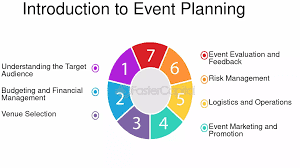
Understanding the Event Planning Industry in 2025
The event planning industry in 2025 is poised for exponential growth, driven by the increasing demand for customized and memorable experiences. Events are no longer just about gatherings; they are strategic tools for businesses, communities, and individuals to connect and engage. Key sectors driving demand include corporate events, weddings, virtual conferences, product launches, and hybrid events.
In 2025, the integration of technology, sustainability practices, and a focus on personalization has reshaped how events are conceptualized and executed. Event planners are expected to embrace digital tools, such as virtual reality (VR) and augmented reality (AR), to enhance attendee engagement while maintaining a strong emphasis on environmental consciousness.
Why Event Planning is a Lucrative Business Opportunity
Event planning offers vast opportunities for entrepreneurs, with the global event management market expected to reach over $2 trillion by 2025. Several factors contribute to its profitability:
- Diverse Revenue Streams: From corporate events to private celebrations, the industry caters to a wide range of needs.
- Repeat Business Potential: Corporate clients and recurring events provide a steady income source.
- Low Entry Barriers: Starting an event planning business requires relatively low upfront investment compared to other industries.
- Growing Demand for Expertise: Clients increasingly seek professional planners to handle logistics, creativity, and stress-free execution.
Key Trends Driving the Event Management Market in 2025
Staying ahead in 2025 requires understanding the latest trends:
- Hybrid and Virtual Events: The pandemic-era shift towards virtual gatherings has evolved, with hybrid events combining in-person and digital experiences becoming the norm.
- Sustainability Focus: Eco-friendly practices, such as zero-waste events and carbon-neutral venues, are now standard expectations.
- Tech Integration: Tools like event apps, AR, VR, and AI-driven insights help create immersive and seamless experiences.
- Personalization: Tailored experiences, such as interactive attendee activities and themed events, are highly sought after.
- Diversity and Inclusion: Events now emphasize cultural representation, accessibility, and inclusivity to appeal to broader audiences.
The event planning industry in 2025 offers a dynamic landscape filled with opportunities for innovation and growth, making it an ideal time to launch your business.
Laying the Foundation for Your Event Planning Business
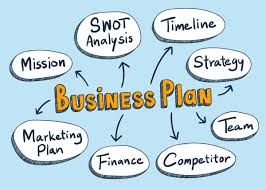
Identifying Your Event Planning Niche
Choosing a niche is crucial for standing out in the competitive event planning industry. Specializing in a specific type of event—such as corporate meetings, destination weddings, luxury galas, or charity fundraisers—enables you to target a defined audience and build expertise.
- Analyze Market Gaps: Look for underserved segments in your area.
- Align with Your Skills: Select a niche that matches your strengths, such as creativity, organization, or technical expertise.
- Consider Profit Potential: Evaluate the revenue opportunities within your chosen niche.
Researching Your Target Audience and Market Demand
Understanding your audience is the cornerstone of any successful event planning business.
- Who Are They? Define your ideal clients—are they corporate executives, engaged couples, or non-profit organizations?
- What Do They Need? Identify their pain points, such as a lack of time, creative ideas, or logistical support.
- Where Are They? Focus on geographic regions or industries where demand for your niche is high.
Conduct surveys, analyze competitors, and use tools like Google Trends to understand market demand.
Crafting a Unique Value Proposition for Your Business
A Unique Value Proposition (UVP) sets you apart from competitors.
- What Makes You Unique? Highlight distinctive qualities, like offering eco-friendly event planning or specializing in virtual events.
- Why Should Clients Choose You? Emphasize the benefits of your service, such as stress-free planning, creativity, or budget optimization.
- Test Your UVP: Share it with potential clients or mentors to refine your messaging.
Developing a Strong Brand Identity
Your brand is how clients perceive your business. Build an identity that reflects your niche and values.
- Name and Logo: Create a memorable and professional business name and logo.
- Visuals: Use consistent colors, fonts, and design elements across all platforms.
- Voice: Establish a tone that resonates with your audience, whether formal, creative, or approachable.
Invest in a well-designed website and social media presence to showcase your brand professionally.
Creating a Business Plan for Event Planning and Management

Defining Your Business Goals and Objectives
Set clear and measurable goals to guide your business.
- Short-Term Goals: For example, securing your first three clients within six months.
- Long-Term Goals: Building a reputation as a top-tier planner in your niche within five years.
- SMART Objectives: Ensure your goals are Specific, Measurable, Achievable, Relevant, and Time-bound.
Budgeting and Financial Planning for Your Event Business
Budgeting helps manage startup costs and ensure profitability.
- Initial Investments: Factor in expenses for marketing, tools, and legal setup.
- Pricing Strategy: Set competitive pricing based on your niche, location, and market demand.
- Cash Flow Management: Monitor income and expenses to avoid financial pitfalls.
Legal Requirements and Permits for Event Planning Businesses
Compliance with legal regulations protects your business.
- Business Registration: Choose a name and register your business legally.
- Insurance: Obtain liability insurance to cover unexpected event-related issues.
- Permits: Understand local laws regarding permits for public or large-scale events.
Setting Up Your Business Structure
Decide on a legal structure that suits your business.
- Sole Proprietorship: Ideal for small-scale operations.
- LLC (Limited Liability Company): Offers liability protection and flexibility.
- Partnership: Suitable if you’re starting the business with another person.
Consult with a legal advisor or accountant to choose the best structure for your goals.
Establishing a strong foundation and a comprehensive business plan positions your event planning business for long-term success.
Building Your Event Planning and Management Team
Hiring the Right Professionals for Event Management
Building a skilled team is essential to execute events flawlessly.
- Identify Key Roles: Determine which roles are critical, such as event coordinators, marketing specialists, and logistics managers.
- Recruitment Strategies: Advertise roles on platforms like LinkedIn, Indeed, or industry-specific job boards.
- Evaluate Skills: Look for candidates with expertise in communication, problem-solving, and time management.
- Cultural Fit: Ensure team members align with your company’s values and work ethic.
Outsourcing Services and Collaborating with Vendors
Outsourcing allows you to focus on core aspects of event planning.
- Identify Reliable Vendors: Partner with caterers, decorators, and AV providers with proven track records.
- Build Long-Term Relationships: Negotiate contracts and establish trust for repeat collaborations.
- Streamline Communication: Use tools like Slack or Trello to maintain seamless communication with vendors.
Training Your Team for Exceptional Service Delivery
A well-trained team can differentiate your business in a competitive market.
- Onboarding Process: Familiarize new hires with your processes, tools, and values.
- Skill Development: Provide workshops on client management, creativity, and crisis resolution.
- Regular Feedback: Schedule performance reviews to encourage growth and address areas for improvement.
Essential Tools and Technology for Event Planning in 2025

Leveraging Event Management Software
Event management software simplifies planning and execution.
- Top Platforms: Explore tools like Cvent, Eventbrite, or Bizzabo.
- Features: Look for functionalities such as registration management, attendee tracking, and reporting.
- Integration: Ensure the software integrates seamlessly with your existing systems.
Using Social Media and Online Platforms for Event Promotion
Social media is a powerful tool for reaching your target audience.
- Platforms to Use: Focus on Instagram, LinkedIn, and Facebook for different types of events.
- Content Strategy: Share behind-the-scenes videos, testimonials, and promotional posts.
- Analytics: Use insights to refine your campaigns and improve engagement.
Integrating AR and VR Technology for Immersive Experiences
Augmented Reality (AR) and Virtual Reality (VR) are game-changers in event planning.
- Virtual Tours: Offer clients immersive previews of event venues.
- Interactive Experiences: Use AR/VR to enhance guest participation and create memorable events.
- Tech Partnerships: Collaborate with tech firms to access state-of-the-art tools.
Digital Tools for Budgeting and Scheduling
Efficient budgeting and scheduling are vital for successful events.
- Budgeting Software: Tools like Mint or QuickBooks can track expenses and manage finances.
- Scheduling Platforms: Use apps like Google Calendar or Asana to streamline timelines.
- Real-Time Updates: Leverage cloud-based tools for instant updates and coordination.
Adopting the right team-building strategies and leveraging modern technology ensures your event planning business stays competitive in 2025.
Designing and Executing Memorable Events

The Art of Concept Development for Events
Creating unique and memorable event concepts is the foundation of a successful event.
- Understand Client Goals: Identify the purpose, theme, and audience for the event.
- Incorporate Creativity: Blend current trends with the client’s vision to design a standout experience.
- Storytelling Approach: Develop a narrative that resonates with attendees, enhancing engagement.
- Collaborate with Designers: Work with creative professionals to bring concepts to life visually.
Ensuring Seamless Event Logistics and Operations
Logistics are the backbone of smooth event execution.
- Detailed Planning: Prepare a comprehensive checklist covering venue, catering, transportation, and AV equipment.
- Vendor Coordination: Ensure timely communication and confirmations with all vendors.
- Rehearsals: Conduct run-throughs to identify and address potential issues.
- Contingency Plans: Anticipate challenges like weather changes or technical failures and prepare solutions.
Managing Client Expectations and Communication
Effective communication is key to client satisfaction.
- Initial Consultation: Clarify deliverables, budget, and timelines upfront.
- Regular Updates: Use tools like email or project management apps to keep clients informed.
- Listening Skills: Be attentive to client feedback and adjust plans accordingly.
- Post-Event Feedback: Gather insights from clients to improve future events.
Troubleshooting and Problem-Solving During Events
Adaptability is crucial when unexpected issues arise during events.
- Identify Issues Early: Stay vigilant and proactive to prevent minor issues from escalating.
- Quick Decision-Making: Empower team members to make decisions when immediate action is required.
- Maintain Composure: A calm demeanor reassures clients and attendees during challenges.
- Document Solutions: Record problems and their resolutions for future reference.
Marketing Strategies for Your Event Planning Business
Creating an Engaging Online Presence
A strong digital footprint is essential for visibility.
- Website Optimization: Create a professional website with detailed service descriptions, portfolios, and testimonials.
- Social Media Activity: Post consistently on platforms like Instagram, Facebook, and LinkedIn to showcase your work.
- SEO Strategies: Use keywords like “best event planners in 2025” to rank higher in search results.
- Client Reviews: Encourage satisfied clients to leave reviews on Google and Yelp.
Leveraging Influencer Partnerships for Brand Visibility
Influencers can amplify your reach and credibility.
- Identify Relevant Influencers: Collaborate with individuals who align with your brand values.
- Creative Campaigns: Host events or giveaways involving influencers to generate buzz.
- Monitor Metrics: Track engagement and conversions from influencer campaigns to measure success.
Content Marketing and Blogging for Event Planning
Sharing valuable content can position your business as an industry expert.
- Blog Topics: Write about event trends, planning tips, and success stories.
- Multimedia Content: Incorporate videos, infographics, and photos to make posts more engaging.
- Guest Posts: Contribute to industry blogs to expand your audience.
- Email Newsletters: Share updates and insights with a subscribed audience regularly.
Networking with Corporate Clients and Stakeholders
Building relationships can lead to consistent business opportunities.
- Attend Industry Events: Join trade shows and expos to connect with potential clients.
- Professional Associations: Become a member of event planning organizations to network and gain credibility.
- Client Referrals: Incentivize happy clients to recommend your services to others.
- Collaborative Projects: Partner with businesses for mutual promotion and expanded reach.
Strategic marketing and exceptional event execution are the pillars of a thriving event planning business in 2025.
Scaling and Growing Your Event Management Business

Expanding Your Service Offerings to New Markets
Broadening your market reach can significantly increase your client base and revenue.
- Identify Potential Markets: Analyze geographic areas or industries with unmet event planning needs.
- Localized Services: Adapt your offerings to meet the cultural and logistical requirements of new regions.
- Digital Expansion: Utilize virtual platforms to offer remote event planning and management services.
- Market Research: Study competitors and client preferences to ensure your services stand out.
Partnering with Venues and Suppliers for Exclusive Deals
Exclusive partnerships can reduce costs and enhance service quality.
- Build Relationships: Establish connections with popular venues and trusted suppliers.
- Negotiate Contracts: Secure discounts or priority access for your clients through exclusive agreements.
- Joint Marketing: Collaborate with partners to promote each other’s services.
- Consistent Evaluation: Regularly assess partnerships to ensure they meet your business needs.
Franchising Opportunities in Event Planning
Franchising can be a profitable way to scale your business.
- Develop a Franchise Model: Create a detailed guide for franchisees, including operational procedures and branding standards.
- Legal Framework: Ensure compliance with franchising laws and develop watertight agreements.
- Training Programs: Offer comprehensive training to maintain consistent service quality.
- Support Systems: Provide marketing, logistical, and operational support to franchise owners.
Building Long-Term Client Relationships
Strong client relationships lead to repeat business and referrals.
- Personalized Services: Tailor your offerings to each client’s unique needs.
- Loyalty Programs: Introduce incentives for clients who book multiple events.
- Regular Communication: Stay in touch through newsletters, holiday greetings, or exclusive event invitations.
- Feedback Mechanisms: Act on client suggestions to improve your services continually.
Managing Finances and Operations for Event Planning Businesses
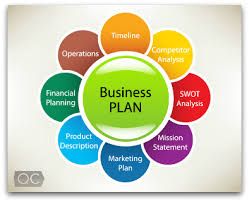
Setting Up Payment Systems for Clients
Convenient and secure payment options improve client experience.
- Payment Gateways: Integrate options like PayPal, Stripe, or Square on your website.
- Installment Plans: Offer flexible payment schedules for large events to attract more clients.
- Mobile Payments: Use apps and QR codes for in-person transactions during events.
- Transparent Policies: Clearly communicate payment terms and conditions to avoid disputes.
Managing Budgets and Ensuring Profitability
Effective budgeting is crucial for financial sustainability.
- Event Cost Breakdown: Estimate all costs, including labor, materials, and venue charges, before setting client prices.
- Profit Margins: Ensure your pricing structure accounts for a reasonable profit margin.
- Expense Tracking: Use accounting software to monitor and control expenses in real time.
- Regular Reviews: Periodically evaluate financial performance to identify areas for improvement.
Streamlining Processes for Efficient Operations
Operational efficiency enhances productivity and client satisfaction.
- Project Management Tools: Use platforms like Asana or Trello to track event progress.
- Standardized Procedures: Develop templates and checklists for recurring tasks.
- Team Collaboration: Use communication tools like Slack to keep your team connected and informed.
- Vendor Management: Maintain a database of reliable vendors for quick access during planning.
Scaling, financial stability, and streamlined operations are the foundation for sustained success in the event planning industry.
Challenges in the Event Planning Industry and How to Overcome Them
Navigating Competition and Standing Out
The event planning industry is competitive, but you can differentiate yourself with strategic steps.
- Specialization: Focus on a niche, such as corporate events, weddings, or eco-friendly gatherings.
- Unique Offerings: Provide services that competitors lack, like virtual event management or innovative themes.
- Brand Story: Highlight your unique journey and values to build an emotional connection with clients.
- Consistent Quality: Deliver exceptional service to encourage word-of-mouth referrals.
Handling Last-Minute Changes and Emergencies
Unexpected challenges can arise during events, requiring quick thinking and preparation.
- Contingency Plans: Always have backup plans for vendors, venues, and equipment.
- Emergency Kit: Keep a kit with essentials like first-aid supplies, extra batteries, and tools.
- Clear Communication: Maintain open lines of communication with your team and clients to address issues promptly.
- Calm Leadership: Stay composed under pressure to inspire confidence and ensure smooth problem-solving.
Balancing Client Expectations and Budget Constraints
Clients may have grand visions that don’t align with their budget.
- Transparent Discussions: Communicate costs and limitations clearly from the outset.
- Creative Solutions: Find ways to achieve desired results using cost-effective alternatives.
- Flexibility: Offer tiered packages to accommodate various budgets while maintaining quality.
- Client Education: Help clients understand where to prioritize spending for maximum impact.
The Future of Event Planning and Management in 2025
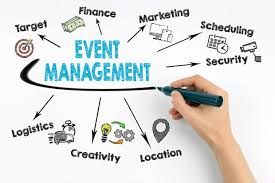
Sustainability in Event Planning: Green and Eco-Friendly Events
Sustainable practices are becoming essential in modern event planning.
- Eco-Friendly Materials: Use recyclable or biodegradable decor and supplies.
- Waste Management: Implement systems to reduce and recycle event waste.
- Sustainable Venues: Partner with venues that prioritize renewable energy and green initiatives.
- Client Awareness: Educate clients on the benefits of hosting eco-friendly events.
The Role of Technology in Revolutionizing Events
Technology continues to reshape the event industry, offering exciting possibilities.
- Virtual and Hybrid Events: Use platforms to host events that blend in-person and online experiences.
- Augmented and Virtual Reality: Enhance attendee engagement with immersive experiences.
- AI-Powered Tools: Leverage AI for personalization, analytics, and efficient event management.
- Event Apps: Create dedicated apps for seamless communication, scheduling, and networking during events.
Predictions for Emerging Trends in Event Management
Stay ahead by adopting and leveraging upcoming trends.
- Personalized Experiences: Use data-driven insights to tailor events to individual preferences.
- Health and Safety Measures: Prioritize attendee well-being with improved sanitation and crowd management.
- Interactive Features: Incorporate gamification, live polls, and real-time feedback during events.
- Inclusivity and Accessibility: Design events that cater to diverse audiences, ensuring everyone feels welcomed.
Conclusion: Key Takeaways for Starting an Event Planning Business in 2025
Recap of Steps to Launch an Event Planning Business
- Understand the industry and identify your niche.
- Develop a strong brand and comprehensive business plan.
- Build a skilled team and leverage modern technology.
- Focus on delivering memorable events with seamless execution.
Tips for Success in the Event Management Industry
- Stay adaptable and open to learning from each event.
- Build a reliable network of vendors, venues, and collaborators.
- Invest in marketing to grow your brand visibility.
- Prioritize client satisfaction to foster loyalty and referrals.
Final Thoughts on Growing Your Event Planning Brand
Starting an event planning business in 2025 offers immense potential for growth and creativity. By embracing sustainability, technology, and client-focused strategies, you can build a thriving brand that stands out in a competitive market. Focus on delivering unforgettable experiences while continuously innovating to meet the evolving demands of the industry.
