
Starting an ecommerce store in 2025 is one of the most lucrative business opportunities available today. With rapid technological advancements, shifting consumer behaviors, and an increasingly digital economy, ecommerce is a thriving sector that’s only expected to grow. This guide will take you through each step, from planning your business to scaling it for success, helping you build a profitable online store in 2025.
Introduction to Starting an Ecommerce Store in 2025
In this section, we’ll discuss why 2025 is an ideal year to start an ecommerce store, the current trends in the industry, and the main benefits of running an ecommerce business. By understanding the landscape of ecommerce, you’ll be better prepared to navigate it successfully.
Why 2025 Is the Perfect Year to Start an Ecommerce Business
The ecommerce industry is constantly evolving, with new trends, technologies, and consumer expectations reshaping the way online businesses operate. In 2025, several factors make it an ideal time to launch an ecommerce store:
- Increased Consumer Demand: More consumers are shopping online than ever before, creating a booming demand for ecommerce stores across all niches.
- Advances in Technology: From artificial intelligence to augmented reality, technology has made it easier than ever to manage, market, and grow an online business.
- Global Reach: With an ecommerce store, you can reach customers worldwide, making it possible to scale your business faster than traditional brick-and-mortar stores.
Growing Ecommerce Trends for 2025
Several key trends are shaping the future of ecommerce, and understanding these will help you create a store that meets modern consumer expectations. Some of the major trends include:
- Personalization: Today’s consumers expect a personalized shopping experience. Using AI, many ecommerce stores provide product recommendations, personalized emails, and customized shopping experiences.
- Sustainable Shopping: Shoppers are more eco-conscious than ever. They seek brands that prioritize sustainability, such as eco-friendly packaging, ethical sourcing, and reduced carbon footprints.
- Augmented Reality (AR): AR allows customers to visualize products in their real-world environment. For instance, trying on clothes virtually or placing furniture in their room digitally has become a popular shopping trend.
The Impact of Technology on Ecommerce in 2025
Technology plays a central role in the success of ecommerce businesses. From website platforms and marketing tools to AI-powered customer service, technology is key to creating a seamless shopping experience. Here’s how technology is transforming ecommerce:
- AI-Driven Insights: AI tools analyze customer behavior, providing insights that help store owners understand what their customers want. This helps with everything from product recommendations to inventory planning.
- Automated Customer Service: AI chatbots and virtual assistants provide 24/7 support, answer questions instantly, and reduce response times, improving customer satisfaction.
- Seamless Checkout Experiences: Technology allows for one-click checkouts, mobile payment options, and enhanced security, making online shopping easier and more secure than ever.
Benefits of Running an Ecommerce Store
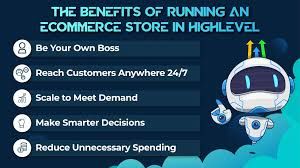
Running an ecommerce store offers unique advantages over traditional businesses. This section covers the top benefits that make ecommerce a desirable venture in 2025.
Flexibility and Scalability
One of the biggest advantages of an ecommerce store is flexibility. You can operate from anywhere, set your own hours, and run the business with minimal staff. Moreover, ecommerce stores are scalable, allowing you to start small and expand as demand grows without the constraints of physical space.
Low Operating Costs
Compared to a physical retail store, ecommerce has significantly lower operating costs. There’s no need to rent a storefront, pay utilities, or manage a large inventory in-house, allowing you to save on overhead expenses and maximize your profit margins.
Access to a Global Market
An ecommerce store lets you reach a global audience, breaking down geographical barriers. With the right marketing strategies, you can attract customers worldwide, expanding your business beyond the limitations of a local market.
Planning Your Ecommerce Business
Creating a solid plan is essential for building a successful ecommerce store in 2025. In this section, we’ll explore how to choose a profitable niche, understand your target audience, and conduct a competitor analysis to define your unique selling proposition (USP). With thorough planning, you’ll be ready to enter the ecommerce market confidently.
Choosing the Right Niche for Your Ecommerce Store
Selecting the right niche is one of the most critical steps in setting up an ecommerce business. A well-defined niche helps you target a specific audience and build a brand that resonates with their interests.
How to Research Profitable Ecommerce Niches
When choosing a niche, consider the following steps to ensure it’s profitable and sustainable:
- Identify Trends and Demand: Use tools like Google Trends, Amazon Best Sellers, and social media platforms to understand which products are gaining popularity.
- Consider Your Interests and Expertise: A niche aligned with your interests will be easier to manage and grow.
- Analyze Market Size and Competition: Make sure the niche has enough demand but isn’t overly saturated, as this could make it difficult to stand out.
Identifying Target Audiences in 2025
Knowing your target audience is essential for tailoring your products, marketing, and website design. Here’s how to identify and understand your audience:
- Define Demographics and Psychographics: Look at factors like age, gender, income, and shopping behavior to create a customer persona.
- Use Data Analytics: Tools like Google Analytics and Facebook Insights provide detailed data on customer behavior, helping you refine your marketing efforts.
- Engage with Potential Customers: Interact with audiences on social media or online forums to understand their preferences, needs, and pain points.
Analyzing Competitors and Defining Your Unique Selling Proposition (USP)
Once you’ve chosen a niche, it’s essential to study your competitors and define what makes your store unique. A strong USP will help you stand out in a crowded market.
Using Competitor Analysis Tools
Competitor analysis helps you understand what’s working well in your industry and where you can improve. Here’s how to get started:
- Identify Key Competitors: Search for businesses in your niche and note their strengths, weaknesses, and strategies.
- Analyze Their Product Range and Pricing: Examine what products they offer, price points, and their bestsellers.
- Review Their Marketing Tactics: Analyze their social media presence, SEO rankings, and customer reviews to see how they engage their audience.
Crafting a Strong USP
Your unique selling proposition (USP) is what sets your business apart. Consider these tips to define your USP:
- Focus on Customer Benefits: Think about the specific benefits your products or services offer.
- Highlight Quality, Innovation, or Value: Emphasize if your products are of higher quality, offer unique features, or provide better value than competitors.
- Make It Clear and Memorable: Your USP should be easy for customers to remember and recognize, helping your brand stand out in the market.
Setting Up Your Ecommerce Store
With a clear business plan, the next step is to set up your ecommerce store. This involves choosing the right platform, establishing your brand identity, and creating optimized product listings that attract customers.
Choosing the Best Ecommerce Platform in 2025
Selecting the best ecommerce platform is essential for smooth store operations. Each platform offers unique features, so choosing one that aligns with your needs will help streamline your business.
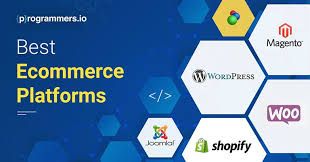
Comparison of Top Platforms (Shopify, WooCommerce, BigCommerce, etc.)
Here’s a quick comparison of popular ecommerce platforms:
- Shopify: Known for its user-friendly interface, Shopify is ideal for beginners and offers a range of customizable templates.
- WooCommerce: As a WordPress plugin, WooCommerce is flexible and cost-effective, but it requires a bit more technical knowledge.
- BigCommerce: BigCommerce is suitable for larger stores with advanced features like multi-channel selling and scalability.
Key Features to Look for in an Ecommerce Platform
Consider the following features when choosing a platform:
- Ease of Use: Choose a platform that matches your technical skills and comfort level.
- SEO Capabilities: Look for built-in SEO tools to help improve your store’s visibility.
- Payment Options and Security: Ensure the platform offers secure payment options that customers trust.
Creating a Brand Identity for Your Store
Branding is crucial to establish trust and appeal to your target audience. Your brand identity should reflect your business values and resonate with your niche.
Designing a Logo and Choosing Brand Colors
A memorable logo and consistent color scheme make your brand instantly recognizable. Here’s how to design your brand identity:
- Choose Colors Wisely: Select colors that evoke emotions related to your products. For example, blue is associated with trust, while red represents excitement.
- Create a Simple, Memorable Logo: Use tools like Canva or hire a designer to create a logo that represents your brand values and style.
Writing an Engaging Brand Story
A compelling brand story helps customers connect with your brand on a personal level. Here’s how to create one:
- Share Your Inspiration: Explain why you started your ecommerce store and what drives you.
- Highlight Your Mission and Values: Let customers know what your brand stands for and the positive impact it aims to have.
- Keep It Authentic and Relatable: Your story should feel genuine, showing customers that you’re passionate about what you offer.
Setting Up Product Listings
Your product listings are where customers make purchasing decisions, so optimizing them is essential for driving sales.
Tips for Writing SEO-Friendly Product Descriptions
A strong product description not only informs customers but also boosts your search rankings. Here’s how to write effective descriptions:
- Focus on Benefits, Not Just Features: Highlight how the product will improve the customer’s life.
- Include Relevant Keywords: Use keywords naturally in the title, description, and bullet points for better SEO.
- Use Persuasive Language: Create a sense of urgency or exclusivity by using phrases like “limited edition” or “best-seller.”
Importance of High-Quality Product Images
High-quality images build trust and give customers a clear idea of what to expect. Here are tips for product photography:
- Use Multiple Angles: Show the product from different angles, including close-ups, to highlight details.
- Show the Product in Use: If possible, include images of the product in a real-life setting.
- Ensure Good Lighting: Good lighting can make a big difference in photo quality, enhancing the product’s appeal.
Building a High-Converting Ecommerce Website
A successful ecommerce store depends on how well you design your website to engage users and drive sales. Building a high-converting website requires a combination of excellent design, user experience (UX), and SEO optimization.

Key Features of a User-Friendly Ecommerce Website
To turn visitors into customers, your ecommerce website must prioritize ease of use, simplicity, and functionality. Here are the key features that define a user-friendly ecommerce site:
Mobile Optimization and Fast Load Times
- Mobile Optimization: With the majority of shopping done on mobile devices, ensuring that your ecommerce store is mobile-optimized is essential. Use responsive design so that your site adapts to all screen sizes without compromising performance.
- Fast Load Times: Slow websites frustrate users and can significantly hurt your conversion rates. Optimize your website’s speed by compressing images, leveraging browser caching, and utilizing Content Delivery Networks (CDNs) to serve content faster.
Intuitive Navigation and Search Functionality
Navigation is key to a user-friendly ecommerce website. To ensure your visitors have a smooth experience, implement the following strategies:
- Clear and Simple Navigation: Structure your site’s main navigation logically, with categories and subcategories clearly labeled.
- Search Functionality: Add a visible search bar to help users quickly find the products they’re looking for. Incorporate advanced filtering options for better product discovery.
Essential Pages for Your Ecommerce Store
Apart from the store itself, certain pages are critical to ensuring your customers have a complete shopping experience. These pages should be accessible and offer useful information that enhances trust.
Homepage, About Us, and Contact Pages
- Homepage: This is the first page visitors will see, so make it attractive, with clear CTAs (Calls to Action) leading them to shop or explore your store.
- About Us Page: Tell your story, showcase your brand’s mission, and build a connection with your visitors. Include trust elements like certifications or awards.
- Contact Page: Provide a clear way for visitors to reach you, whether by email, phone, or contact form. Adding a live chat option enhances convenience.
FAQ and Return Policy Pages
- FAQ Page: A Frequently Asked Questions (FAQ) page can preemptively answer common customer inquiries, helping to reduce your support team’s workload.
- Return Policy Page: Transparency is essential when it comes to returns. Clearly state your return policy and make it easy for customers to understand how to initiate a return or exchangeOptimizing for Search Engines (Ecommerce SEO in 2025)
SEO is crucial for ensuring that your ecommerce store ranks high on search engines, making it visible to potential customers. In 2025, SEO strategies continue to evolve, so staying up-to-date is key.
Keyword Research for Ecommerce
- Research the Right Keywords: Use tools like Google Keyword Planner, SEMrush, or Ahrefs to find keywords with high search volume but low competition related to your products.
- Long-Tail Keywords: These are highly specific keywords that typically have lower competition and higher conversion rates. For example, instead of just “shoes,” target “men’s running shoes size 10.”
On-Page SEO for Product and Category Pages
- Optimize Product Descriptions: Write unique product descriptions with relevant keywords, but avoid keyword stuffing. Focus on details that highlight the value of the product.
- Meta Tags: Optimize your page titles, descriptions, and URL slugs to include keywords. This will help your pages rank higher and improve CTR (Click Through Rate).
Leveraging Schema Markup for Ecommerce
- Product Schema: Adding structured data (Schema Markup) to your product pages allows search engines to better understand your content, helping you rank higher.
- Rich Snippets: With schema, you can display rich snippets like price, availability, and ratings directly in search results, making your store more attractive to users.
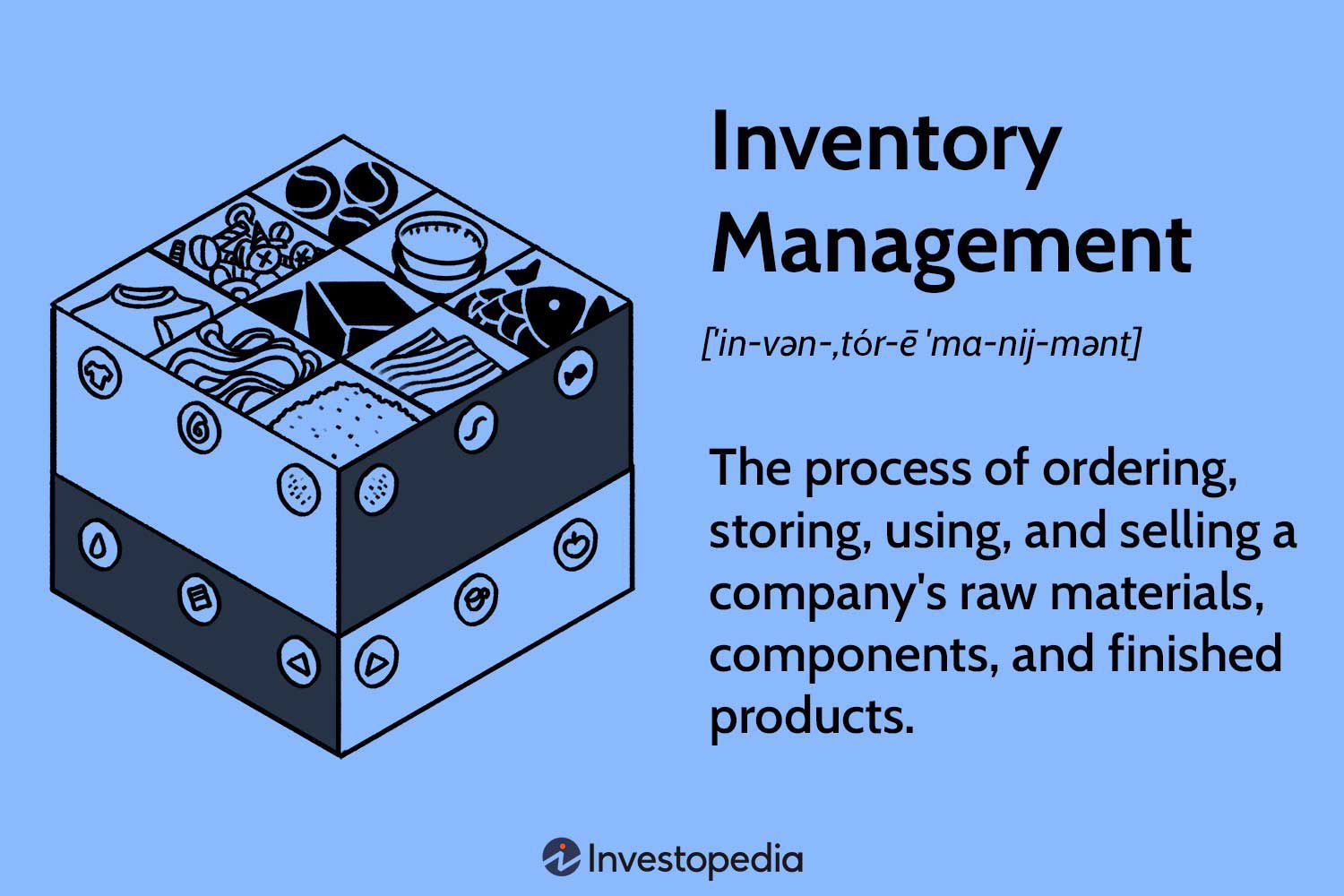
Managing Your Products and Inventory
Managing your products effectively and ensuring that inventory is tracked properly are crucial aspects of running a smooth ecommerce business.
Product Sourcing and Supplier Selection
Choosing the right suppliers and sourcing products efficiently is key to ensuring product availability and quality.
Local vs. International Suppliers
- Local Suppliers: Local suppliers often offer faster shipping times and lower costs for domestic orders, but they may have higher unit prices.
- International Suppliers: International suppliers may offer lower unit prices, but shipping times and costs can be significantly higher, especially if customs are involved.
Evaluating Dropshipping, Wholesale, and Private Labeling
- Dropshipping: With dropshipping, you don’t need to keep inventory on hand, which makes it a low-risk business model. However, profit margins can be slimmer, and you rely on suppliers for stock.
- Wholesale: Purchasing in bulk from wholesalers can lower costs and increase margins, but it requires upfront capital to buy inventory.
- Private Labeling: If you want to brand your own products, private labeling is a good option. You source generic products and add your branding, offering higher profit margins.
Inventory Management Strategies for Ecommerce
Efficient inventory management helps you maintain a balance between supply and demand and avoid costly stockouts or overstocking.
Inventory Tracking and Automation Tools
- Use Inventory Management Software: Tools like TradeGecko, Cin7, or Shopify’s built-in inventory management can automate tracking and reporting.
- Automate Reordering: Set up alerts or automatic reordering when inventory reaches low levels to avoid running out of stock.
Handling Stockouts and Backorders
- Stockout Notifications: If a product is out of stock, offer customers an option to sign up for a notification when it’s back in stock.
- Backorder Management: For high-demand items, consider allowing backorders so that you don’t lose potential sales. Set clear expectations on delivery times.
Marketing Your Ecommerce Store
To succeed in 2025, a well-rounded marketing plan is essential. Whether through social media, content marketing, or paid ads, the right marketing mix will drive traffic and boost conversions.
Building a Marketing Plan for Your Store
A comprehensive marketing plan will guide your efforts and ensure you’re targeting the right customers with the right messages.
Social Media Marketing (Top Platforms for Ecommerce in 2025)
- Instagram: Perfect for visually-driven products, Instagram is a great platform for building your brand and engaging with potential customers.
- Facebook: With a broad user base, Facebook allows you to target ads effectively and connect with a variety of customer segments.
- TikTok: Known for viral content, TikTok is excellent for reaching a younger audience and showcasing your products through short videos.
Content Marketing (Blogging, Videos, and More)
- Start a Blog: Blogging helps with SEO and positions you as an authority in your industry. Write helpful articles, guides, and product reviews.
- Video Marketing: Video content is highly engaging and helps with product demos, tutorials, and customer testimonials. Post on YouTube or social media for wider reach.
Using Paid Advertising to Drive Sales
Paid ads can provide a quick way to get traffic to your ecommerce store and generate sales.
Google Ads for Ecommerce
- Search Ads: Target users actively searching for products like yours. Use Google’s Shopping ads to show product images, prices, and descriptions directly in search results.
- Display Ads: Run display ads across the web to reach a wider audience and retarget previous visitors to your site.
Social Media Ads (Facebook, Instagram, TikTok)
- Facebook Ads: Use Facebook’s targeting capabilities to reach specific demographics with tailored ads.
- Instagram Ads: Instagram’s visually-oriented platform makes it ideal for product ads, especially in fashion, beauty, and lifestyle industries.
- TikTok Ads: Leverage TikTok’s viral potential to create engaging, creative ads that attract younger shoppers.
Email Marketing Strategies for Ecommerce Success
Email marketing remains one of the most effective channels for nurturing customer relationships, driving sales, and increasing customer retention.
Building and Segmenting Your Email List
- Building Your List: Start by offering incentives like discounts, exclusive offers, or helpful content in exchange for customers’ email addresses. Ensure that your website includes sign-up forms and use pop-ups strategically to encourage users to subscribe.
- Segmenting Your List: Segmentation is crucial for sending personalized emails. Divide your email list into groups based on factors such as purchase history, engagement levels, and demographics. This allows you to send targeted messages that resonate with each segment.
Creating Effective Email Campaigns
- Personalization: Personalize your emails by using the subscriber’s name and tailoring content to their preferences. For example, send product recommendations based on their browsing behavior.
- Clear CTAs: Every email should include a clear call-to-action (CTA), such as “Shop Now,” “Get 10% Off,” or “View New Arrivals.” This will guide recipients toward the desired action.
- Mobile Optimization: Ensure that your email templates are responsive and easy to read on mobile devices, as a significant portion of emails are opened on smartphones.
Managing Orders, Shipping, and Customer Service
Efficient order management and excellent customer service are crucial for providing a positive customer experience and building brand loyalty.
Order Management and Fulfillment
Managing orders efficiently ensures that customers receive their products on time, which is essential for maintaining satisfaction and minimizing complaints.
Setting Up Your Order Management System
- Order Management Software (OMS): Use OMS tools like Shopify or Orderhive to keep track of all orders, from the moment a customer places an order to when it’s shipped. These tools will help automate processes, track shipments, and keep your team on top of pending tasks.
- Real-Time Tracking: Provide customers with tracking information and updates on the status of their orders. This transparency builds trust and enhances customer satisfaction.
Choosing Shipping Partners and Options
- Shipping Carriers: Partner with reliable shipping carriers (e.g., UPS, FedEx, DHL) to ensure timely deliveries. Consider offering multiple shipping options like standard, expedited, and international shipping to give customers more flexibility.
- Shipping Costs: Offer free shipping on orders over a certain amount to incentivize larger purchases. Alternatively, offer flat-rate shipping for simplicity.
Providing Excellent Customer Service
Customer service is a key aspect of building a loyal customer base and ensuring repeat purchases.
Implementing Live Chat and Help Desks
- Live Chat Support: Integrate a live chat feature into your website to provide real-time support. Customers appreciate instant responses to their questions, especially when they’re about to make a purchase.
- Help Desk Integration: Use help desk software like Zendesk or Freshdesk to manage customer support requests, track tickets, and ensure issues are resolved quickly and efficiently.
Handling Customer Inquiries and Returns
- Clear Return Policies: Make your return process simple and transparent. Having a clear, easy-to-follow return policy increases customer confidence and reduces friction during the purchasing process.
- Efficient Communication: Respond to customer inquiries and complaints quickly and professionally. Providing prompt resolutions helps maintain trust and satisfaction.
Scaling Your Ecommerce Business
Once your ecommerce store is running smoothly, you can focus on scaling your business to reach a wider audience and increase your profits.
Tracking Key Metrics and Analytics
To make data-driven decisions, track key performance indicators (KPIs) and use analytics tools to measure success.
Understanding Customer Lifetime Value (CLV)
- CLV Calculation: Customer Lifetime Value represents the total revenue a customer is expected to generate during their relationship with your business. It’s a vital metric for understanding the long-term value of your customers.
- Improving CLV: Increase CLV by offering excellent customer service, personalized marketing, and loyalty programs that encourage repeat purchases.
Measuring Conversion Rate and Average Order Value (AOV)
- Conversion Rate: This is the percentage of visitors who make a purchase. Improving your site’s conversion rate involves optimizing your product pages, simplifying the checkout process, and offering promotions or incentives.
- Average Order Value (AOV): AOV is the average amount a customer spends in one transaction. Increase AOV by offering upsells, cross-sells, or bundle deals.
Strategies for Growth and Expansion
As your ecommerce store grows, there are several ways to expand your business and increase revenue.
Cross-Selling and Upselling Techniques
- Cross-Selling: Encourage customers to purchase related products. For example, if a customer is buying a camera, suggest camera accessories like lenses or tripods.
- Upselling: Encourage customers to purchase higher-end products. For instance, suggest a premium version of the product they’re considering.
Expanding to New Markets and Regions
- Targeting New Geographies: Expand to international markets by localizing your website for different regions, offering multi-currency support, and partnering with international shipping carriers.
- International Marketing: Use targeted ads to reach customers in different countries. Customize your content, including languages and promotions, to cater to local preferences.
Leveraging Automation and AI in Ecommerce
Automation and artificial intelligence are becoming essential for improving efficiency, personalization, and customer experience.
AI Tools for Personalized Marketing
- Personalization Engines: Use AI-powered tools like Dynamic Yield or Optimizely to deliver personalized product recommendations, emails, and advertisements based on user behavior.
- Chatbots: Deploy AI chatbots to handle common customer queries and guide visitors through their shopping journey. These bots can provide 24/7 support and help customers make decisions faster.
Automating Inventory and Customer Support
- Automated Inventory Management: Use AI-powered systems to automatically reorder products when stock levels are low. This helps prevent stockouts and ensures a consistent customer experience.
- Customer Service Automation: Automate routine customer service tasks like responding to FAQs, processing returns, and managing support tickets, allowing your team to focus on more complex issues.
Common Challenges and How to Overcome Them
Starting and running an ecommerce store comes with its fair share of challenges. Understanding these obstacles and how to overcome them is key to long-term success.
Common Mistakes to Avoid When Starting an Ecommerce Store
- Neglecting Mobile Optimization: Failing to optimize for mobile can cause potential customers to leave your site without making a purchase.
- Ignoring SEO: Without a solid SEO strategy, your store won’t rank on search engines, leading to poor visibility and traffic.
How to Overcome Challenges in Inventory, Shipping, and Customer Service
- Inventory Management: Implement reliable inventory management systems and automation tools to stay on top of stock levels and prevent overselling or stockouts.
- Shipping Issues: Choose trustworthy shipping partners and offer multiple shipping options to ensure timely and reliable deliveries.
- Customer Service: Provide excellent customer support by being responsive, transparent, and proactive in addressing customer concerns.
Tips for Maintaining High Customer Satisfaction
- Personalized Experiences: Use customer data to deliver personalized recommendations, offers, and communications.
- Fast and Reliable Shipping: Offer a variety of shipping options and ensure that orders are fulfilled quickly and accurately.
- Loyalty Programs: Reward loyal customers with exclusive discounts, early access to new products, or special promotions.
Conclusion
Recap of Key Steps to Starting a Successful Ecommerce Store
In this guide, we’ve covered the essential steps to building a successful ecommerce store, including selecting the right products, creating a high-converting website, and using effective marketing strategies. Additionally, we’ve discussed how to scale your business and overcome common challenges.
Final Tips for Launching Your Ecommerce Business in 2025
- Stay Agile: The ecommerce landscape is always changing, so be ready to adapt and innovate.
- Focus on Customer Experience: The key to success lies in providing a seamless shopping experience and building strong customer relationships.
- Leverage Data and Automation: Use analytics and automation tools to streamline operations, improve decision-making, and enhance the customer journey.
