
Why the Travel Industry is Booming in 2025
The travel industry is experiencing a significant boom in 2025, driven by several factors that continue to evolve. Post-pandemic travel is one of the primary drivers as people are eager to explore new destinations after the long hiatus. With international borders opening, travelers are once again seeking to reconnect with the world, leading to increased demand for both leisure and business trips. This surge is particularly noticeable as younger generations, who are more digitally connected, prioritize travel experiences.
Additionally, travel demand in 2025 is expected to continue growing due to advancements in technology, which simplify the booking and planning process. From virtual tours to mobile apps, these innovations are reshaping how people plan their travels. Moreover, sustainability is becoming an increasingly important factor for travelers, with eco-friendly travel options gaining popularity.
For those considering entering the market, the outlook for the travel industry is promising, and it’s the perfect time to capitalize on these trends.
Benefits of Offering Travel Planning and Itinerary Services
Offering travel planning and itinerary services provides several key benefits, making it an attractive business opportunity. For starters, personalized itineraries are in high demand as travelers seek unique, tailored experiences that suit their preferences, timelines, and budgets. By creating these bespoke travel plans, travel planners can offer their clients convenience, time-saving, and expert advice that ensures a seamless trip.
As a travel expert, you are positioning yourself as a trusted advisor, providing a vital service that takes the stress out of vacation planning. With a detailed and personalized itinerary, clients can enjoy peace of mind knowing that every aspect of their trip has been carefully organized, from flights and accommodation to excursions and dining options.
Additionally, offering exceptional customer service in the form of planning and detailed itineraries helps foster loyalty and word-of-mouth recommendations. This means that a satisfied customer can lead to repeat business and referrals, expanding your client base organically.
Understanding the Market: Who Needs Travel Planning and Itinerary Services?
The market for travel planning services is diverse, with various target audiences who stand to benefit from expert guidance.
- Busy Travelers: Professionals and busy individuals who have limited time to plan their trips are a key target market. These clients often seek the expertise of travel planners to handle all the details and logistics, freeing them from the complexities of organizing their own travel.
- Luxury Travelers: High-net-worth individuals looking for exclusive and upscale travel experiences are increasingly seeking travel planners who can curate luxurious itineraries, from private jet charters to five-star hotels and private tours.
- Corporate Clients: Businesses in need of organizing corporate retreats, meetings, or incentive travel also represent a lucrative market for travel planners. Providing seamless corporate travel services, such as booking flights, hotels, and handling transportation, is essential for attracting this segment.
- Group Travel: Families, friends, or special interest groups who want to travel together but require guidance in coordinating all aspects of the trip can benefit from customized group travel planning services.
By understanding the needs of these various segments, you can tailor your offerings to attract and serve specific groups of travelers effectively.
Market Research and Identifying Your Niche

Analyzing Current Travel Trends and Market Opportunities
Before starting your travel planning business, conducting thorough market research is essential to identifying trends and opportunities. Travel planning trends in 2025 include a rise in eco-tourism, wellness retreats, digital nomadism, and off-the-beaten-path destinations. Travelers are increasingly looking for unique experiences, including sustainable and responsible travel options that contribute to environmental preservation.
An important opportunity for travel planners is the growth of wellness travel, which encompasses trips focused on mental and physical well-being, such as yoga retreats, spa getaways, and detox vacations. Similarly, digital nomads are seeking travel opportunities that allow them to work remotely from exotic destinations, which could be a valuable niche.
By staying informed about the latest trends, you’ll be able to adapt your services to the changing demands of the market.
Identifying Profitable Niches in Travel Planning
Focusing on specific niches can be a smart strategy for growing your travel planning business. Some profitable niches in 2025 include:
- Luxury Travel Planning: With high-end clients seeking exclusive and customized trips, offering services like private yacht charters, bespoke itineraries, and luxury accommodations can set your business apart.
- Adventure Travel: Adventure tourism continues to grow, with clients seeking activities like hiking, trekking, mountain climbing, and extreme sports. This niche requires an in-depth knowledge of adventure destinations and activities.
- Family Travel Planning: Family-friendly vacation planning is another area that can be highly profitable. Offering personalized family trips that cater to various age groups and family dynamics, such as multi-generational vacations or kid-friendly destinations, is a growing trend.
- Destination Weddings: Destination weddings have seen a surge in popularity, especially in exotic locations. By specializing in organizing weddings abroad, you can tap into a lucrative market.
By identifying a niche that aligns with your interests or expertise, you’ll be able to create more specialized services that appeal to a targeted audience, leading to higher profit margins.
Understanding Your Competition: Key Players in the Travel Planning Market
Understanding your competition is vital in determining how to differentiate your travel planning services. There are many established players in the market, ranging from large travel agencies to specialized boutique planners. Some well-known travel planning companies focus on specific regions or types of travel, such as luxury or adventure travel.
To conduct a competitive analysis, start by researching the services offered by other travel agencies, their pricing models, and their marketing strategies. Pay attention to customer reviews and feedback to identify gaps in the market or areas where existing companies may be lacking.
Understanding the strengths and weaknesses of your competitors will help you position your services effectively. For example, if many competitors offer standard package tours, you could differentiate yourself by offering highly personalized itineraries or focusing on underserved niches like sustainable travel or corporate travel planning.
Creating a Business Plan for Your Travel Service
Defining Your Business Model and Services Offered
The first step in creating a business plan for your travel planning service is defining your business model. Will you focus on specific types of travel, such as corporate or luxury? Or will you offer a wide range of services, including personalized itineraries for family vacations, adventure trips, and destination weddings?
Some potential services you can offer include:
- Itinerary Planning: Tailored trip itineraries that cover all aspects of a client’s travel, including flights, hotels, transportation, tours, and activities.
- Travel Consultation: Providing expert advice to clients about destinations, travel logistics, and planning tips.
- Group Travel: Coordinating travel for large groups, including transportation, accommodations, and activities.
- Specialized Services: Offering niche services like wellness retreats, cultural tours, or adventure travel packages.
By defining your business model and the services you’ll provide, you can focus your marketing efforts and better serve your target audience.
Financial Planning: Costs, Budget, and Pricing Structure
Financial planning is critical when starting any business. You’ll need to outline the costs associated with starting and operating your travel planning service. Some key expenses include:
- Startup Costs: These can include business registration fees, website development, software tools for managing bookings, marketing, and any office space or operational costs.
- Ongoing Costs: These might include staff salaries, marketing expenses, insurance, and the cost of software or other tools used to plan and manage itineraries.
- Pricing Structure: Consider how you will price your services. Will you charge per hour, offer flat fees for itinerary planning, or create packaged deals? Research industry standards to ensure that your prices are competitive yet profitable.
A solid financial plan will help you stay on track and ensure that you can sustain and grow your business in the long term.
Setting Business Goals and Milestones for Growth
Setting clear business goals is essential for measuring progress and achieving long-term success. These goals might include acquiring a certain number of clients within the first year, reaching a specific revenue target, or expanding your services to include new travel niches.
Break down these goals into smaller, measurable milestones, such as:
- Acquiring 10 new clients per month
- Launching a marketing campaign every quarter
- Partnering with at least five travel vendors within six months
These milestones will provide you with a roadmap for growth, helping you stay focused and motivated as you scale your travel planning business.
Legal and Regulatory Considerations for Travel Planning Services

Necessary Licenses and Certifications for Travel Agencies
Starting a travel planning service requires understanding and complying with the legal and regulatory requirements for travel agencies. This typically includes obtaining necessary licenses and certifications. In many regions, you may need a travel agency license, which legally authorizes you to sell travel services and packages. Some places might also require certifications, such as IATA (International Air Transport Association) certification, which can enhance your credibility and partnerships with travel suppliers.
Additionally, depending on your location, you might need specific permits related to operating a business, such as business registration and tax identification numbers. Understanding these requirements is crucial for legal compliance and for protecting your clients’ interests.
Travel Insurance and Client Protection
Providing travel insurance is an essential service that can protect your clients and your business. Travel insurance covers a range of issues, from trip cancellations and interruptions to medical emergencies and lost luggage. As a travel planner, you should consider offering insurance options to your clients or partnering with insurance providers to facilitate easy access to coverage.
In addition to travel insurance, liability insurance for travel planners is also important. This type of insurance protects you from potential claims related to travel planning errors, such as missed flights, misplaced bookings, or travel disruptions that are beyond your control. It’s vital to discuss liability coverage with your insurance provider to ensure adequate protection.
Contracts and Legal Agreements for Clients and Vendors
Contracts and legal agreements are crucial components of the travel planning business. You will need clear, detailed contracts for both clients and vendors to establish the scope of services provided and to protect your business interests. Client agreements should outline the terms of your services, payment schedules, and what clients can expect in terms of refunds, cancellations, and changes to their itineraries.
Vendor contracts are necessary when dealing with suppliers such as hotels, airlines, and tour operators. These agreements should specify terms, such as booking conditions, payment terms, cancellation policies, and any legal obligations. Having comprehensive contracts in place can prevent misunderstandings and disputes, safeguarding your business reputation and financial stability.
Setting Up Your Travel Planning Business
Choosing the Right Location for Your Travel Planning Service
The location of your travel planning service can significantly impact your business operations and client interactions. Depending on your business model, you might choose to operate from a physical office or work remotely.
- Physical Office: A dedicated office space can provide a professional image, space for meeting clients, and a base for your team. It also allows for direct client interaction, which can be beneficial for personalized service.
- Remote Travel Planning: Alternatively, operating from a home office or remotely can offer greater flexibility and reduced overhead costs. This setup is particularly viable if you primarily serve clients online or through phone consultations.
Consider your target market and how your location will impact accessibility for clients. For instance, if you’re targeting local clients, a physical location could be more advantageous, while remote planning services might be better suited for a global clientele.
Building Your Website and Online Presence
An effective online presence is crucial for any travel planning service. Your website will be the central hub for client interaction, bookings, and information about your services.
- Travel Website: Your site should be user-friendly, with an easy-to-navigate layout and a professional design. Key features include an online booking system, contact forms, testimonials, and detailed information about your travel planning services.
- Online Booking System: This tool allows clients to book flights, hotels, activities, and other services directly from your website. It should be integrated with secure payment gateways for ease of use and client confidence.
- Travel Planning Website Design: Your website design should reflect your brand’s identity and provide a seamless user experience. High-quality images, clear and concise content, and mobile responsiveness are essential elements to consider.
- Digital Presence for Travel Services: Beyond your website, you should also have a strong presence on social media platforms like Instagram, Facebook, and Twitter. These platforms can be used to showcase your expertise, share travel tips, post client testimonials, and engage with your audience.
By building a robust online presence, you can enhance your visibility, attract more clients, and establish your credibility in the competitive travel planning market.
Developing a Strong Brand Identity and Marketing Strategy
Creating a strong brand identity is essential for differentiating your travel planning service from competitors. Your brand identity should convey your unique selling points, mission, and values, and should be consistently reflected across all your marketing materials.
- Branding for Travel Services: This involves designing a memorable logo, choosing a color scheme, and developing a brand voice that resonates with your target audience. Your brand identity should be professional yet approachable, emphasizing your expertise in travel planning.
- Travel Marketing Strategies: Effective marketing strategies can help you reach your target audience and attract new clients. This might include content marketing (such as blogs, videos, and social media posts), search engine optimization (SEO) to improve your website’s visibility on search engines, and pay-per-click advertising (PPC) to drive targeted traffic to your site.
- Travel Agency Branding: Beyond online marketing, consider traditional marketing strategies such as business cards, brochures, and attending travel fairs and industry events. These can provide opportunities to network with potential clients and build partnerships with travel suppliers.
- Travel Social Media Strategy: Social media platforms are powerful tools for engaging with your audience, sharing travel inspiration, and building a community around your brand. Use platforms like Instagram to share beautiful travel photos, videos, and stories, and utilize Facebook and Twitter for customer service and promotions.
By developing a comprehensive branding and marketing strategy, you can effectively communicate your unique value proposition and attract the right clients to your travel planning service.
Building Your Team and Network of Travel Experts

Hiring and Training Travel Planners and Customer Support Staff
Hiring the right team is crucial to the success of your travel planning service. Travel planners and customer support staff are the backbone of your business, as they directly interact with clients and ensure a seamless service experience.
- Hiring Travel Experts: Look for individuals who have a deep passion for travel, as well as relevant qualifications, such as certification from recognized travel associations (e.g., IATA or ASTA). It’s also important that they possess excellent organizational skills, attention to detail, and strong communication abilities.
- Travel Planner Qualifications: Ideal candidates should have experience in the travel industry, either through previous roles in travel agencies or tour operators. Knowledge of booking systems, travel regulations, and customer service are essential skills for success.
- Customer Service for Travel Agencies: Excellent customer service is essential in the travel industry. Your customer support staff should be trained to handle client inquiries, solve issues quickly, and maintain a positive attitude even in challenging situations. This will help build trust and loyalty with your clients.
- Training Travel Staff: Regular training ensures that your team stays updated on travel trends, destinations, and booking technologies. Additionally, staff should be educated on your company’s policies, values, and customer service standards. Offering continuous learning opportunities can improve their skills and increase client satisfaction.
Partnering with Travel Vendors and Service Providers
Building strong partnerships with travel vendors and service providers is key to offering comprehensive travel planning services. These relationships can provide access to exclusive deals, better pricing, and reliable services for your clients.
- Travel Partners: Collaborating with various travel partners, such as airlines, cruise lines, car rental companies, and tour operators, is essential. These partnerships allow you to offer complete packages to your clients and ensure they receive high-quality services.
- Vendor Partnerships: Work on establishing mutually beneficial relationships with vendors who can provide exceptional value to your clients. Negotiate for discounts or special perks that you can pass on to your clients to enhance your service offering.
- Working with Airlines and Hotels: Secure partnerships with trusted airlines and hotels to offer seamless travel experiences to your customers. Building a good relationship with hotels and airlines also means you’ll have priority when booking rooms or flights for your clients, especially during peak seasons.
- Travel Service Providers: In addition to traditional travel services, consider partnerships with niche service providers like local tour guides, transportation services, or unique destination experiences. These added services will differentiate your travel planning business and offer a more personalized experience for your clients.
Building Relationships with Travel Influencers and Bloggers
Influencer marketing is an increasingly popular and effective strategy in the travel industry. Partnering with travel influencers and bloggers can expand your reach, build credibility, and attract a larger audience to your service.
- Travel Influencers: Collaborating with influencers who have a strong online presence can help promote your services to their followers. Choose influencers whose values align with your brand and who share a passion for the type of travel you specialize in. For example, if you specialize in luxury travel, partner with influencers who cater to high-end travelers.
- Travel Bloggers: Travel bloggers are trusted sources of information for many potential travelers. Work with bloggers to feature your services in their posts or have them create content that highlights your travel planning expertise. This could include reviews of your services, travel tips, or destination guides.
- Influencer Marketing for Travel: Establish clear goals for your influencer campaigns. Whether you want to raise brand awareness, drive traffic to your website, or encourage bookings, ensure the influencer’s content and audience align with your marketing objectives. Set up tracking tools to measure the effectiveness of these campaigns.
- Travel Content Partnerships: Develop content partnerships where influencers or bloggers write guest posts, share exclusive travel tips, or promote special offers from your service. This content can be shared across both your and the influencer’s platforms to drive more traffic and potential customers to your website.
Marketing and Promoting Your Travel Planning Service
SEO and Content Marketing for Travel Services
A strong digital marketing strategy is essential for attracting potential clients to your travel planning service. SEO and content marketing are powerful tools to increase visibility and drive traffic to your website.
- Travel SEO: Optimize your website for search engines by using travel-specific keywords, such as “luxury travel planning,” “custom itineraries,” or “best travel agent services.” This will help your website rank higher in search engine results and attract more organic traffic.
- Travel Content Marketing: Consistently create valuable, relevant content that speaks to your target audience. This could include blog posts on travel tips, destination guides, itineraries, and travel trends. Not only does this improve SEO, but it also positions you as a trusted expert in the travel planning industry.
- Blog for Travel Services: Blogging regularly helps to keep your website fresh and informative. You can write posts on the latest travel trends, tips for specific destinations, or even personal travel stories that resonate with your audience. Content like this can be shared on social media, helping to increase your reach.
- Travel Search Engine Optimization: Ensure that your website is optimized for both local and global search results. If you’re targeting local clients, incorporate location-based keywords, such as “travel planner in [city].” For a broader audience, focus on international travel-related terms. Use tools like Google Analytics and Google Search Console to track keyword performance and optimize your content accordingly.
Social Media Marketing for Travel Planners
Social media platforms are essential tools for promoting your travel planning services. Through social media, you can engage with potential clients, showcase your expertise, and create a community around your brand.
- Social Media for Travel Businesses: Platforms like Instagram, Facebook, Pinterest, and Twitter allow you to share visually appealing content, engage with followers, and connect with clients in real-time. Create a content strategy that includes posting beautiful destination photos, client testimonials, travel tips, and promotions.
- Instagram for Travel Services: Instagram is a highly visual platform that’s ideal for sharing travel photos, behind-the-scenes content, and client travel experiences. Use Instagram Stories and Reels to share quick tips, travel advice, and highlights from your services.
- Facebook Marketing for Travel Agents: Facebook offers a great platform for advertising and building a community around your business. Set up a business page to engage with followers through posts, comments, and direct messages. You can also create targeted Facebook ads to attract potential clients and drive bookings.
Paid Advertising and Google Ads for Travel Agencies
Paid advertising, particularly through Google Ads, can be a highly effective way to drive immediate traffic to your travel planning service. Google Ads allows you to target specific audiences based on search intent, geographic location, and other criteria.
- Google Ads for Travel Businesses: Use Google Ads to target customers actively searching for travel planning services. Keywords such as “book a vacation package,” “travel agent for families,” or “luxury travel planner” can help you reach clients who are ready to make a booking.
- Paid Travel Marketing: Consider using other forms of paid advertising, such as display ads or retargeting ads, to stay top of mind for potential clients who may have visited your website but did not book your services.
- PPC for Travel Services: Pay-per-click (PPC) campaigns can be an excellent way to drive high-quality traffic to your website. Create campaigns that target both broad travel-related terms and more specific ones to capture a variety of potential clients at different stages of their travel journey.
- Travel Ad Campaigns: To maximize your ad campaigns, focus on creating compelling ad copy, using effective calls-to-action, and setting a reasonable budget for each campaign. Use A/B testing to determine which ads perform best and optimize your budget accordingly for maximum ROI.
Client Acquisition and Retention Strategies
Attracting Clients Through Targeted Advertising
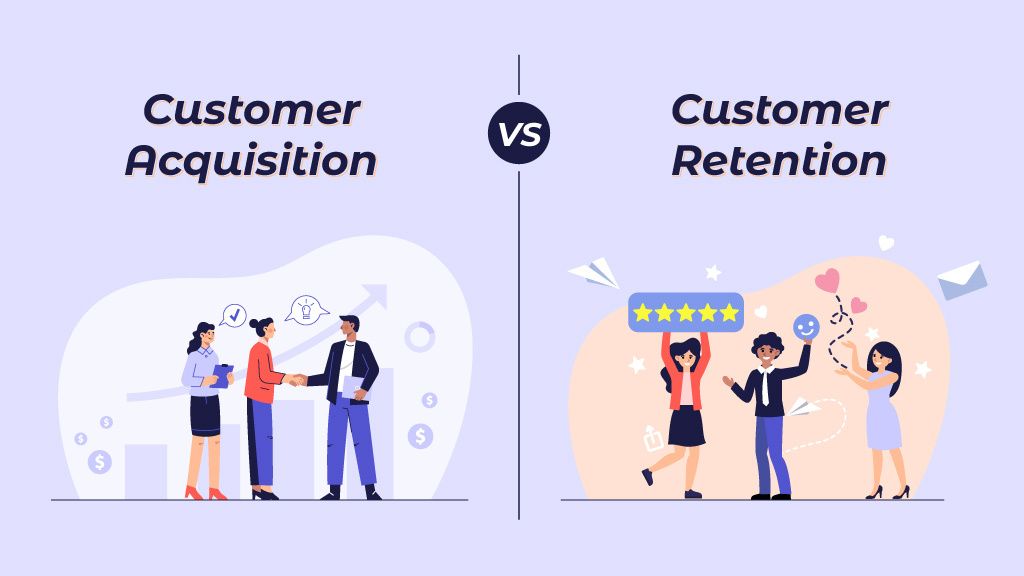
Attracting the right clients for your travel planning service requires strategic advertising efforts that target the individuals most likely to use your services. To do this effectively, it’s essential to identify your ideal client base and craft targeted campaigns across various channels.
- Travel Advertising Strategies: Invest in digital advertising platforms such as Google Ads and social media advertising on platforms like Facebook and Instagram. These platforms offer precise targeting features that can help you reach potential clients based on their location, interests, and online behavior.
- Attracting Clients for Travel Services: Use compelling visuals, engaging ad copy, and strong calls to action that showcase the value of your travel services. Highlight benefits such as personalized itineraries, exclusive deals, and exceptional customer service.
- Travel Marketing Campaigns: Launch seasonal campaigns, destination-specific promotions, or special offers. For example, promote honeymoon packages, family vacations, or corporate travel solutions during peak travel seasons. Offering limited-time discounts or bonuses can also incentivize prospective clients to book your services.
Building Strong Client Relationships and Repeat Business
Building long-lasting relationships with clients is key to fostering repeat business. A loyal customer base ensures your business remains stable and provides opportunities for word-of-mouth referrals.
- Client Relationships in Travel: Focus on providing exceptional customer service at every stage of the client journey. From the initial consultation to post-trip follow-up, ensure that your clients feel valued and appreciated. Personalized communication and attention to detail will set you apart from competitors.
- Repeat Clients for Travel Services: After completing a successful trip for your clients, stay in touch with them for future bookings. Send personalized follow-up emails or birthday/anniversary offers to show appreciation and remind them of your services.
- Loyalty Programs for Travel Agencies: Create a loyalty program that rewards repeat clients with discounts, upgrades, or exclusive access to premium services. Loyalty programs can help retain clients over the long term and increase the chances they will book additional trips with you.
Offering Referral Programs to Expand Client Base
Referral programs can be one of the most cost-effective ways to grow your client base. By encouraging existing clients to refer others to your business, you can tap into their networks and expand your reach.
- Travel Referral Programs: Offer incentives for clients who refer friends, family, or colleagues. This could include discounts, free consultations, or exclusive perks for both the referrer and the referred client.
- Referral Marketing for Travel: Promote your referral program through email newsletters, your website, and social media channels. Make the referral process easy by providing a referral link or special code that clients can share with others.
- Client Referrals for Travel Services: Positive word-of-mouth referrals from happy clients are often more impactful than traditional advertising. Make sure your clients have a seamless and memorable experience, which increases the likelihood they will refer others to your services.
Financial Management for Your Travel Service

Budgeting and Managing Travel Service Finances
Effective financial management is crucial to the success of your travel planning service. Proper budgeting ensures that your business runs smoothly, avoids financial pitfalls, and allows for future growth.
- Financial Management for Travel Services: Create a detailed budget that includes both fixed and variable costs such as marketing expenses, staff salaries, software tools, office supplies, and vendor payments. Keep track of your expenses and regularly review your financial situation to ensure profitability.
- Budgeting for Travel Businesses: Consider your cash flow needs carefully. For example, if you’re planning on offering large tours or working with high-value clients, you may need to plan ahead for deposits or upfront costs. Having sufficient working capital allows you to manage any unforeseen expenses.
- Financial Planning for Travel Agencies: Set clear financial goals for your business, including expected revenue, profit margins, and growth targets. Review and adjust your financial plan as necessary, especially as you scale your business or introduce new services.
Revenue Streams for Travel Planning Services
Diversifying your income sources helps to stabilize your revenue and ensure continued growth. Beyond just providing travel itineraries, there are many other ways you can generate revenue as a travel planning service.
- Revenue Model for Travel Agencies: Your primary revenue may come from charging fees for personalized itineraries, booking services, or planning consultations. You can also offer additional revenue streams such as tour bookings, accommodation reservations, or specialized packages like destination weddings or adventure tours.
- Income Sources for Travel Planners: In addition to service fees, consider establishing partnerships with hotels, airlines, and car rental companies where you can earn commissions for each booking made through your agency. Offering travel insurance packages and travel-related accessories can also create supplementary income.
- Travel Service Pricing Strategies: Set clear pricing structures based on the services you offer. Consider offering tiered packages that cater to different budgets, such as basic, premium, and luxury itineraries. Transparency in pricing helps build trust with clients and avoids confusion about charges.
Handling Payments, Invoices, and Client Billing
Efficient management of payments, invoices, and client billing ensures smooth operations and reduces the risk of misunderstandings or disputes.
- Travel Payments: Implement secure online payment gateways to accept payments via credit cards, debit cards, or bank transfers. Offering multiple payment options allows clients to choose the method that’s most convenient for them.
- Client Billing for Travel: Send clear and itemized invoices that outline the costs for each service rendered. Use invoicing software to automate and streamline the process, ensuring that invoices are sent promptly and accurately.
- Invoicing for Travel Services: Incorporate payment schedules, deposits, or installment plans where necessary, especially for larger packages or long-term bookings. This can help reduce the financial burden on clients and ensure timely payment for you.
- Travel Agency Payment Processing: Set up systems that handle payment processing efficiently. This includes tracking payments, issuing receipts, and reconciling accounts regularly to ensure everything is accounted for accurately.
Scaling Your Travel Planning Business

Expanding Your Service Offerings
As your travel planning service grows, consider diversifying your offerings to attract a broader client base and cater to changing market needs.
- Expanding Travel Services: Start by offering additional services such as group travel planning, corporate travel management, or luxury vacation planning. You can also provide unique experiences, such as customized local tours, private events, or exclusive packages.
- Adding New Travel Offerings: To stay competitive, keep an eye on emerging travel trends, such as wellness retreats, sustainable tourism, or adventure travel. Introducing these new offerings will help differentiate your business and appeal to different types of travelers.
- Diversifying Travel Planning Services: Consider developing specialized niches, such as destination weddings, family vacations, or solo travel packages. These focused services can help you stand out and cater to specific client segments looking for personalized experiences.
Hiring More Staff and Growing Your Team
As your business scales, you’ll need to hire more staff to meet the growing demand for your services. Expanding your team allows you to offer more personalized attention to clients and increase the volume of bookings you can handle.
- Scaling Travel Businesses: As your business grows, plan to hire more travel planners, customer support representatives, and other key roles. Carefully assess your staffing needs and hire individuals who align with your company’s mission and culture.
- Hiring Travel Agents: Look for travel agents with diverse expertise in areas such as group travel, luxury travel, and corporate trips. A well-rounded team will allow you to cater to a wider variety of client needs and enhance your service offerings.
- Growing Your Travel Planning Business: Invest in professional development for your team by offering training programs and encouraging continuous learning. This will keep your staff updated on the latest trends and improve their ability to provide top-tier service.
Reaching New Markets and Expanding Your Client Base
To ensure continued growth, you must target new markets and expand your client base. Reaching new demographics or geographical regions can help you tap into new revenue streams.
- Expanding Client Base for Travel Services: Target markets that may not be currently served by your business. This could include corporate clients, families, solo travelers, or retirees. By identifying underserved segments, you can cater your services to their specific needs.
- Targeting New Markets for Travel: Consider expanding to new geographic areas or offering virtual consultations for clients in other regions. You could also consider working with international clients and developing partnerships with travel agencies in other countries to build a global presence.
- Growing a Travel Business: Invest in expanding your marketing efforts through international online ads, influencer collaborations, and partnerships with international vendors. This will help your business reach a global audience and build long-term growth.
Technology and Tools for Travel Planning
Travel Planning Software and Tools
In today’s digital world, using the right technology can significantly streamline your travel planning services. There are numerous software solutions available to help with everything from itinerary creation to booking management.
- Best Travel Planning Software: Consider using comprehensive travel planning software like Travefy, TripIt, or Kayak for businesses. These tools help you build customized itineraries, manage client preferences, and collaborate with team members. The right software simplifies planning and enhances the client experience.
- Itinerary Planning Tools: Tools like Tripleseat, Google Sheets, or specialized itinerary software help create visually appealing, detailed itineraries. These tools are essential for managing complex travel schedules, especially for group bookings, multi-destination trips, or customized experiences.
- Travel Booking Systems: Integrating booking systems into your business can increase efficiency. Use tools like Sabre, Amadeus, or Travel Leaders to book flights, hotels, and other services for clients. These systems provide real-time data, automate bookings, and help you track all reservations in one place.
Implementing AI and Automation in Travel Planning
Artificial Intelligence (AI) and automation are transforming the travel planning industry by providing smarter, more efficient services. These technologies help reduce human error, improve response times, and offer personalized travel experiences.
- AI for Travel Agencies: AI-powered chatbots and virtual assistants, like those provided by platforms such as Amadeus or Sabre, can handle customer inquiries, offer travel recommendations, and even assist in booking services. These systems can provide real-time responses 24/7, which improves customer satisfaction and reduces the need for manual intervention.
- Automated Travel Services: Automated systems allow for quicker processing of bookings, confirmations, and payments. Automation tools like Zapier can connect various software applications and streamline administrative tasks like sending invoices, confirmations, and follow-up emails, saving you time and resources.
- AI Tools for Travel Planning: AI can also assist in predicting travel trends, suggesting personalized itineraries based on client preferences, and even alerting clients to travel disruptions or delays. Tools like Kayak and Google Trips leverage AI to improve trip planning by providing recommendations based on past behavior and preferences.
Mobile Apps for Travel Planners and Clients
Mobile apps have become an essential tool for both travel planners and clients, allowing for real-time updates, on-the-go access, and enhanced convenience throughout the trip planning process.
- Mobile Apps for Travel Agencies: Travel agencies can benefit from using mobile apps that enable seamless communication with clients, quick booking updates, and easy access to itineraries. Apps like Travel Leaders Network or Travelport allow agents to manage bookings, view itineraries, and handle client communication directly from their smartphones.
- Client Apps for Travel: Clients expect the ability to view and modify their travel plans easily. Providing them with apps such as TripIt, Google Trips, or your own branded app can improve the customer experience. These apps offer features like itinerary management, real-time flight tracking, and local recommendations, which keep clients engaged and satisfied.
- Travel Planning Apps: Apps designed specifically for planning trips can help both travel planners and clients stay organized. Tools like Roadtrippers or Sygic Travel can create detailed itineraries, offer activity suggestions, and help with route planning, making the entire process easier and more enjoyable.
Measuring Success and Ensuring Customer Satisfaction

Tracking Performance and Key Metrics
Measuring your success is vital for understanding the effectiveness of your services and identifying areas for improvement. Key performance indicators (KPIs) help you track your business’s health and make data-driven decisions.
- Travel Service KPIs: Track metrics like the number of bookings, revenue per customer, conversion rates, and customer satisfaction levels. These indicators give you insight into the overall success of your business and help you adjust strategies accordingly.
- Performance Tracking for Travel Agencies: Use analytics tools like Google Analytics, CRM systems, or specialized travel management software to monitor key metrics. Keep track of how your website is performing, how leads are generated, and which marketing efforts are driving the most conversions.
- Metrics for Travel Businesses: Measure client retention rates, the success of marketing campaigns, and the effectiveness of new services. High customer satisfaction and repeat bookings are indicators of success in the travel planning industry.
Collecting Client Feedback and Testimonials
Customer feedback is invaluable for improving your travel services and building trust with potential clients. It helps you understand what works and what areas need enhancement.
- Client Testimonials for Travel Services: Encourage satisfied clients to share their experiences. Positive testimonials not only act as social proof but also help potential clients feel confident in booking with you. Collect testimonials through follow-up emails or during post-trip evaluations.
- Customer Feedback in Travel: Regularly survey clients about their experiences. This can be done via email surveys, social media polls, or direct feedback during or after their trip. Use feedback to identify any service gaps, improve your offerings, and adapt to changing client needs.
- Improving Travel Services Based on Feedback: Implement client feedback to make continuous improvements. Whether it’s refining your itinerary creation process or adjusting communication methods, responding to feedback shows clients you care and are committed to providing exceptional service.
Continuously Improving Your Services Based on Client Needs
Staying responsive to the evolving needs of your clients is key to staying competitive in the travel planning industry. Consistently improving your services ensures that you can adapt to changing trends and offer more value.
- Improving Travel Services: Regularly assess your services to ensure they align with client expectations. Stay up to date on travel trends, such as eco-tourism, solo travel, or group tours, and tailor your services accordingly. Investing in new technologies or expanding your service offerings can also improve your overall value proposition.
- Client Needs in Travel: Listen closely to your clients’ needs. Whether it’s through direct feedback or observing changes in their travel preferences, understanding their priorities (e.g., sustainable travel, luxury experiences, or customized itineraries) allows you to provide tailored recommendations that exceed expectations.
- Offering Personalized Travel Planning: Focus on providing highly personalized services, such as bespoke itineraries, curated destination experiences, or VIP services. Personalization not only enhances the client experience but also increases customer loyalty, ensuring clients return for future trips.
Conclusion
Recap of the Steps to Starting a Successful Travel Planning Service
Starting a travel planning service requires careful planning, a deep understanding of the market, and the use of effective tools and strategies. Here’s a recap of the essential steps:
- Starting a Travel Business: Focus on building a strong foundation, which includes understanding the market, defining your niche, and assembling the right team of experts. Make sure you are knowledgeable about the destination offerings, customer expectations, and effective marketing strategies.
- Travel Service Checklist: A checklist will ensure you don’t miss any crucial steps in starting your travel planning service. This includes registering your business, selecting the right software tools, building a website, and marketing your services effectively.
- Launching a Travel Planning Business: Set clear business goals, prepare for challenges, and invest in building strong relationships with clients and travel partners. Your first year may be challenging, but with consistent effort and a focus on customer service, you can establish a successful travel planning business.
Final Tips for Success in the Travel Planning Industry
The travel planning industry offers tremendous opportunities for growth, but it requires adaptability and a commitment to excellent customer service.
- Tips for Travel Planners: Stay flexible and always prioritize your clients’ needs. Building a reputation for reliability and exceptional service will lead to word-of-mouth referrals and repeat business. Continue investing in technology, training, and partnerships to keep your services competitive.
- Travel Industry Advice: Keep an eye on emerging trends, such as sustainable travel or digital nomad packages, to stay ahead of the competition. Additionally, focus on creating an unforgettable experience for your clients, from the first consultation to the completion of their trips.
- Success in Travel Services: Constantly evolve your business model to cater to new demands. By listening to your clients, adopting the latest tools and technology, and maintaining a strong online presence, you will ensure the long-term success of your travel planning business.
