
Introduction
Why Branding Matters
The Importance of a Strong Brand
Branding is more than just a logo or a catchy slogan; it’s the essence of your business. A memorable brand encapsulates your values, personality, and mission, creating a unique identity that resonates with your audience. It’s about making a mark that lasts and stands out in a crowded marketplace. A well-crafted brand can drive customer loyalty, influence purchasing decisions, and ultimately contribute to your business’s growth and success.
Understanding Your Brand Identity

What Defines Brand Identity?
Brand identity is a collection of elements that form the face of your business. This includes visual components like your logo, color scheme, and typography, as well as emotional aspects such as your brand’s tone and messaging. A strong brand identity ensures that your business is easily recognizable and creates a cohesive impression across all customer touchpoints.
Crafting a Clear Brand Identity
- Logo Design: Your logo is often the first thing people notice about your brand. It should be simple yet distinctive, reflecting the core values and personality of your business. Consider working with a professional designer to create a logo that stands out and effectively communicates your brand’s message.
- Color Palette: Colors play a vital role in how customers perceive your brand. Different colors evoke different emotions, so choose a palette that aligns with your brand’s personality. For instance, blue conveys trust and professionalism, while yellow represents optimism and creativity.
- Typography: The fonts you use in your branding materials should complement your brand’s style and be easily readable. Consistent typography across all platforms reinforces your brand’s identity and helps in maintaining a cohesive brand image.
Defining Your Brand’s Core Values
The Foundation of Your Brand
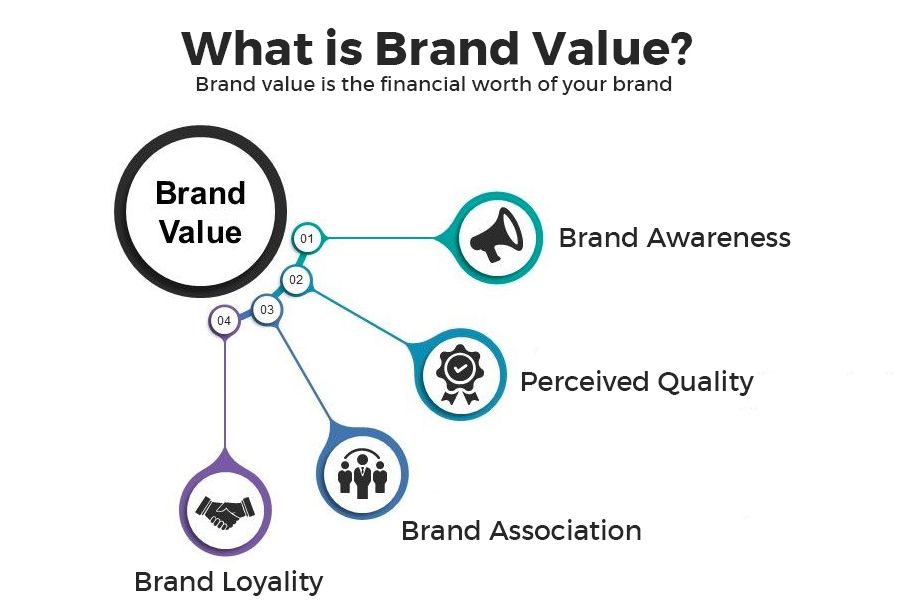
Core values are the principles that guide your business decisions and interactions. They should reflect what your brand stands for and resonate with your target audience. Defining your core values helps shape your brand’s personality and creates a strong emotional connection with your customers.
Identifying and Communicating Your Values
- Identify Your Values: Start by identifying the values that are most important to your business. These could be principles like sustainability, innovation, or customer satisfaction. Your core values should be a natural extension of your business philosophy and goals.
- Integrate Values into Your Brand: Once you’ve defined your core values, ensure they are reflected in every aspect of your brand. From your marketing messages to your customer service approach, your values should be evident and consistently communicated.
Crafting a Compelling Brand Story
The Art of Storytelling
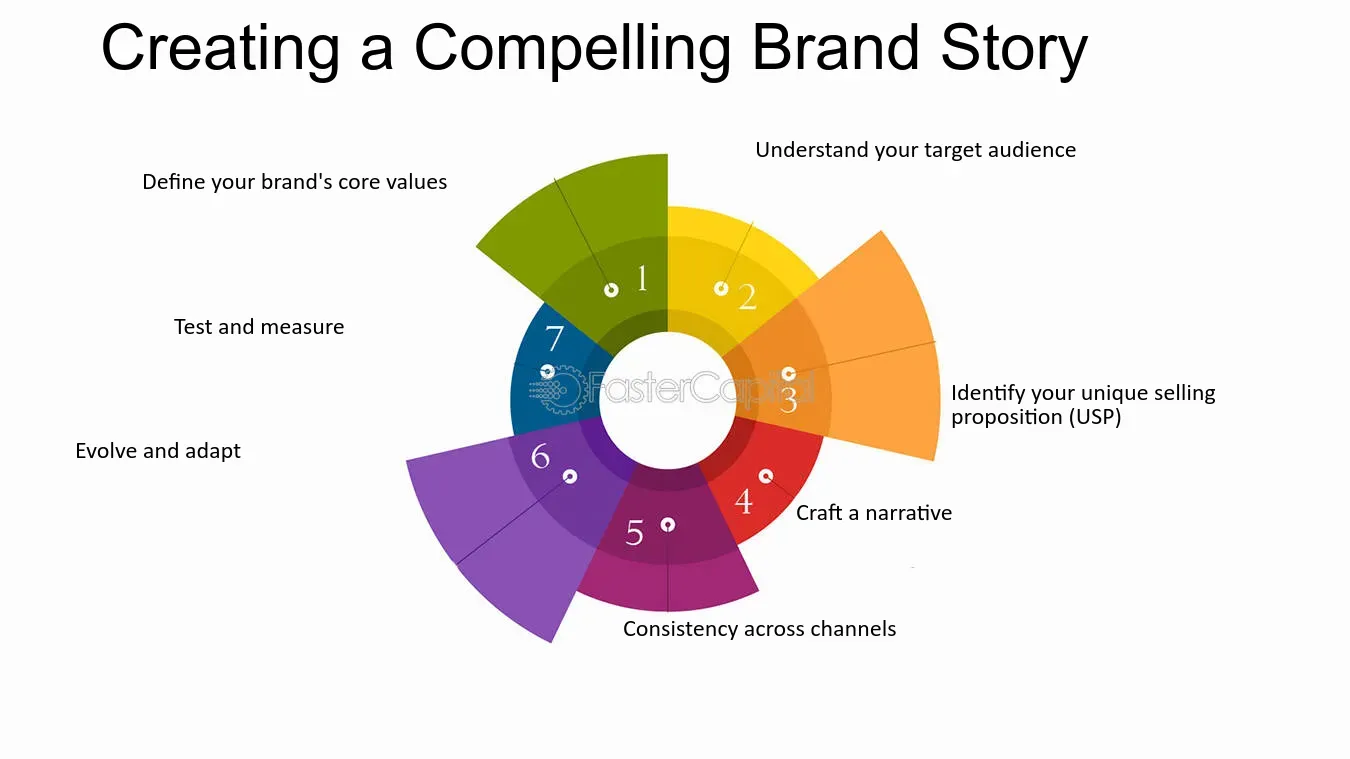
A powerful brand story can captivate your audience and create a deeper connection. It’s not just about what you sell but why you sell it. Your brand story should highlight your journey, challenges, and triumphs, making your brand more relatable and memorable.
Elements of an Engaging Brand Story
- Origin Story: Share the inspiration behind your business. This could include personal anecdotes, the gap in the market you identified, or the passion that drove you to start your brand. An authentic origin story helps humanize your brand and makes it more relatable.
- Mission Statement: Clearly articulate your brand’s purpose and what you aim to achieve. Your mission statement should address the problem your brand solves and the benefits it offers to your customers.
- Vision for the Future: Describe the long-term impact you envision for your brand. This could involve the future goals for your business or the positive changes you hope to bring about in your industry or community.
- Core Values: Reinforce how your core values influence your business decisions and operations. Show how these values are integrated into your daily practices and interactions with customers.
Designing a Distinctive Visual Identity

Creating a Visual Impact
A distinctive visual identity helps your brand stand out and be easily recognizable. This involves designing elements that visually represent your brand’s personality and message.
Key Components of Visual Identity
- Unique Logo Design: A memorable logo should be versatile and adaptable across various platforms. It should capture the essence of your brand and be easily recognizable, whether it’s on a business card or a website.
- Consistent Color Palette: Your chosen colors should be used consistently across all branding materials to reinforce your brand identity. This consistency helps in creating a cohesive and recognizable brand image.
- Typography Choices: Select fonts that reflect your brand’s style and are easy to read. Consistent use of typography across all marketing materials enhances brand recognition and creates a unified brand presence.
Developing a Consistent Brand Voice
Finding Your Brand’s Tone
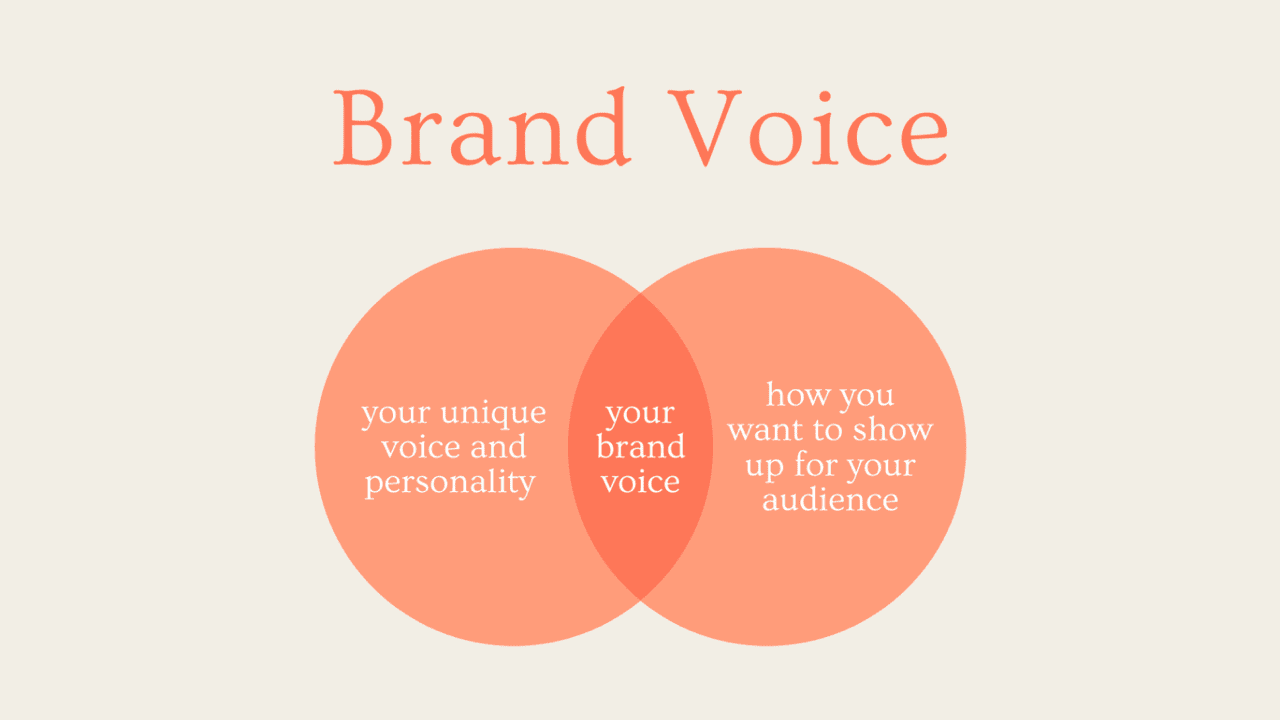
Your brand voice is the tone and style used in all communications with your audience. It should reflect your brand’s personality and be consistent across all platforms to build trust and recognition.
Establishing and Maintaining Your Brand Voice
- Define Your Tone: Decide on the tone of voice that best represents your brand. This could be formal, casual, friendly, or authoritative, depending on your brand’s personality and target audience.
- Maintain Consistency: Ensure that your brand voice is consistent across all forms of communication, from social media posts to customer service interactions. Consistent messaging helps in building a strong and recognizable brand identity.
- Adapt as Needed: While consistency is key, be open to adapting your brand voice to fit different contexts or platforms. For example, your tone might be more casual on social media and more formal in business communications.
Engaging Your Audience Effectively

Building Strong Connections
Engaging with your audience is crucial for building brand loyalty and trust. A strong online presence and active customer engagement can significantly enhance your brand’s visibility and reputation.
Strategies for Effective Engagement
- Build an Online Presence: Utilize digital platforms like social media, your website, and email marketing to connect with your audience. Share valuable content that aligns with your brand values and resonates with your target market.
- Encourage Customer Feedback: Actively seek and respond to customer feedback. This not only shows that you value their opinions but also provides valuable insights for improving your products and services.
- Foster Community: Create opportunities for your customers to engage with your brand and with each other. This could include online forums, social media groups, or events that align with your brand’s mission and values.
Leveraging Partnerships and Collaborations

Expanding Your Reach
Strategic partnerships and collaborations can enhance your brand’s visibility and credibility. By working with influencers or other brands, you can introduce your business to new audiences and create mutually beneficial opportunities.
Maximizing the Benefits of Partnerships
- Collaborate with Influencers: Partner with influencers whose values align with your brand and who have a strong following within your target market. Their endorsement can significantly boost your brand’s credibility and reach.
- Form Strategic Alliances: Look for other brands that complement your products or services and share similar values. Collaborations can include co-branded products, joint marketing campaigns, or cross-promotional activities.
Monitoring and Adapting Your Brand Strategy
Staying Relevant
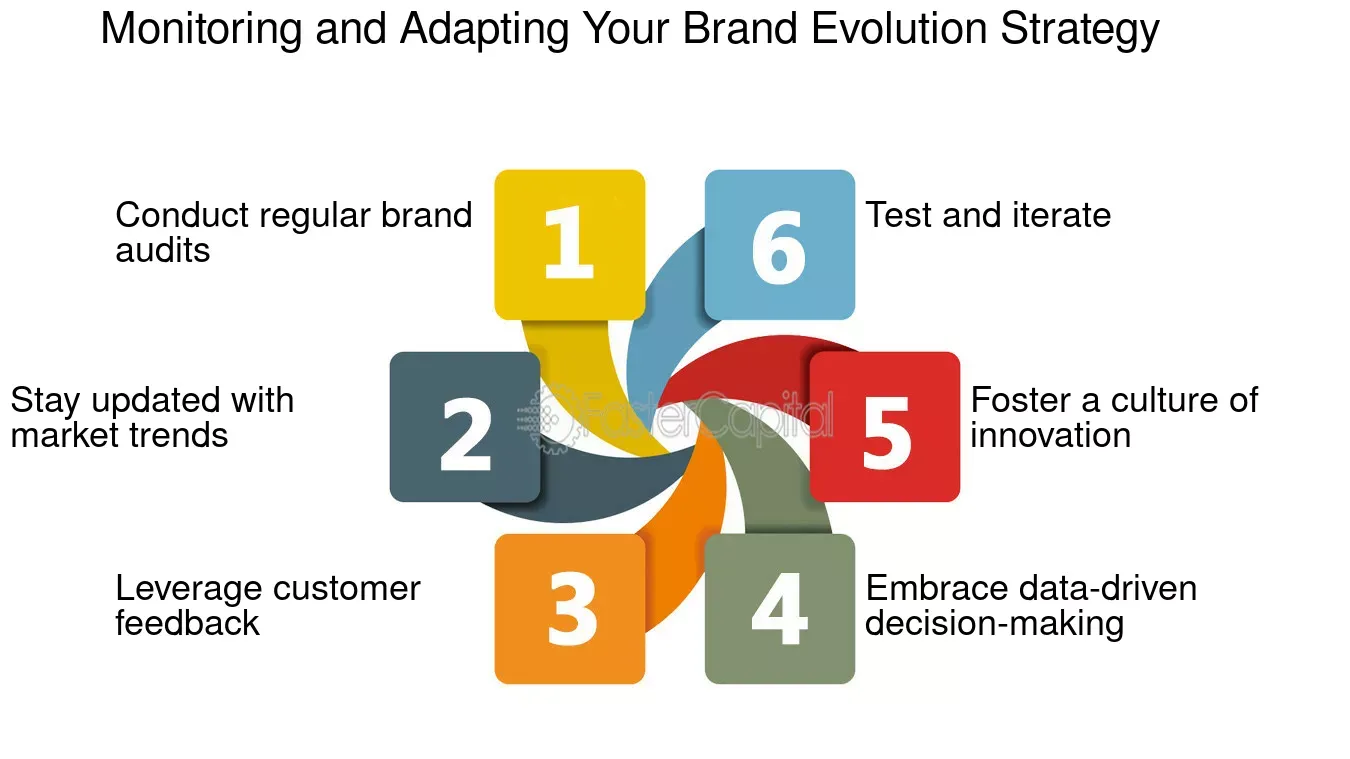
Regularly monitoring your brand’s performance and adapting your strategy as needed ensures that your branding efforts remain effective and aligned with your business goals.
Key Actions for Continuous Improvement
- Track Brand Performance: Use tools like Google Analytics and social media insights to monitor key metrics such as customer engagement, website traffic, and sales. Analyzing this data helps you understand what’s working and what needs improvement.
- Adapt to Market Changes: Stay informed about industry trends and evolving customer preferences. Be open to adjusting your brand strategy to maintain relevance and competitiveness in a dynamic market.
Conclusion:
Creating a Brand that Endures
Building a memorable brand is a multifaceted process that involves understanding your identity, crafting a compelling story, designing a distinctive visual identity, developing a consistent voice, engaging your audience, leveraging partnerships, and continuously monitoring and adapting your strategy. By following these steps, you can create a brand that stands out and forms lasting connections with your customers.
Remember, building a strong brand takes time and effort. Stay true to your core values, maintain consistency in your messaging, and always strive to deliver exceptional value to your customers. With dedication and creativity, your brand will not only make a lasting impression but also become an integral part of your customers’ lives.
