
The success of a restaurant or food business extends beyond the confines of its physical space. A captivating online presence is essential for attracting customers, driving engagement, and ultimately, boosting sales. But with countless options available, how can restaurants stand out in the vast digital landscape? The answer lies in mastering the art of user-friendly website UI/UX design. Join us on a culinary journey as we explore the intricacies of creating immersive digital dining experiences that leave customers craving more.
The Digital Dining Revolution
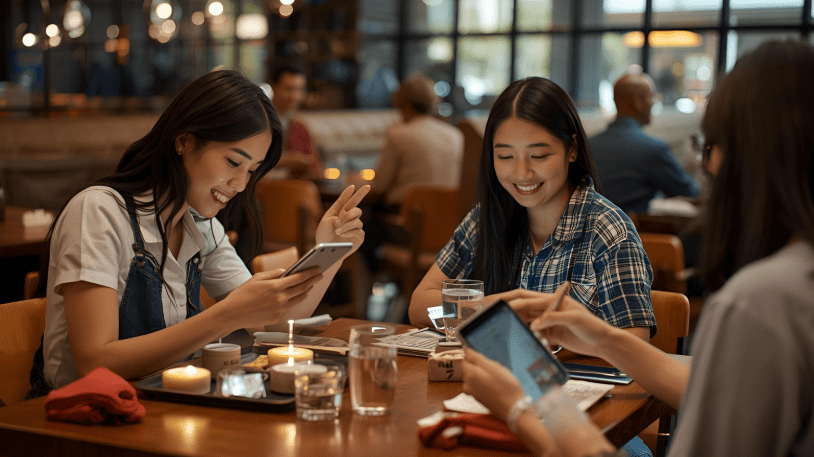
In the age of smartphones and social media, the way people interact with restaurants has undergone a profound transformation. Gone are the days of flipping through dusty menus—today’s diners expect seamless online experiences that reflect the essence of a brand. In this introductory section, we’ll delve into the evolution of digital dining and the pivotal role that user-friendly website UI/UX layouts play in shaping customer perceptions and driving business success.
Embracing the Digital Frontier
As restaurants adapt to changing consumer behaviors and preferences, the digital frontier presents a world of opportunities. From online ordering to reservation systems, the digital realm offers endless possibilities for engaging with customers and creating memorable dining experiences.
Understanding Your Audience
At the heart of every successful restaurant is a deep understanding of its customers. By unraveling the intricacies of their preferences, behaviors, and desires, restaurants can tailor their digital experiences to resonate on a personal level.
The Customer Persona

In a world of diverse tastes and preferences, understanding the customer persona is key to creating tailored experiences. Through demographic analysis, behavioral insights, and market research, restaurants can paint a vivid picture of their target audience and adapt their digital strategies accordingly.
Navigating the Digital Menu
Just as a well-organized kitchen is essential for a smooth dining experience, strategic information architecture is critical for digital success. By structuring content in a logical and intuitive manner, restaurants can guide customers seamlessly through their online journey. From menu hierarchies to reservation systems, we’ll uncover the ingredients for crafting user-friendly website layouts that leave customers hungry for more.
Designing the Digital Menu
The digital menu serves as the gateway to the dining experience, enticing customers with tantalizing descriptions and mouthwatering visuals. In this section, we’ll explore the art of menu design and its impact on customer engagement. From optimizing menu navigation to highlighting signature dishes, we’ll uncover the secrets to creating digital menus that leave a lasting impression.
Mobile Responsiveness
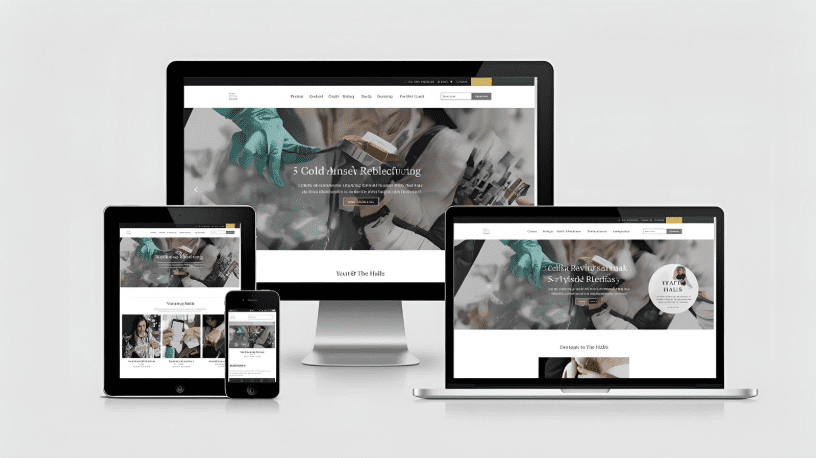
In an era of on-the-go dining, mobile responsiveness is non-negotiable. With an increasing number of customers accessing restaurant websites from smartphones and tablets, optimizing for mobile is essential for staying relevant in a competitive landscape. Join us as we explore the importance of mobile-friendly layouts and provide practical strategies for serving up seamless digital experiences on any device.
The Mobile Dining Revolution
As smartphones become an integral part of everyday life, the mobile dining revolution is in full swing. From browsing menus on the go to making reservations with a tap of a finger, customers expect seamless experiences that fit seamlessly into their busy lifestyles. In this section, we’ll delve into the intricacies of mobile responsiveness and its role in driving customer satisfaction and loyalty.
Visual Design Elements
Just as presentation is key in the culinary world, visual design plays a crucial role in digital dining experiences. From mouthwatering food photography to captivating brand imagery, visual design elements set the stage for a memorable online experience. Join us as we explore the art of visual storytelling and uncover the ingredients for crafting digital delights that leave customers craving more.
The Art of Visual Storytelling

In a world saturated with content, visual storytelling is more important than ever. By leveraging captivating imagery, immersive videos, and stunning graphics, restaurants can transport customers to a world of culinary delights. In this section, we’ll explore the power of visual storytelling and its impact on customer engagement and brand perception.
Online Ordering and Reservation Systems
In the modern dining, convenience is king. Online ordering and reservation systems offer customers the flexibility and convenience they crave, while also streamlining operations for restaurants.
The Rise of Digital Dining Platforms
From third-party delivery services to custom-built reservation systems, digital dining platforms have revolutionized the way restaurants interact with customers. In this section, we’ll explore the evolution of online ordering and reservation systems and their role in shaping the future of dining. From optimizing order workflows to managing reservations with ease, we’ll uncover the ingredients for a successful digital dining experience.
Location and Contact Information

Location and contact information are essential for guiding customers to their next culinary adventure in an increasingly interconnected world. By providing clear and accessible location details, restaurants can ensure customers can easily find and connect with their establishment. Putting your restaurant on the map is more than just a figure of speech—it’s a strategic imperative. From Google Maps integration to custom-built location finders, restaurants can ensure customers can easily navigate their way to their next meal. In this section, we’ll explore the art of digital mapping and uncover the ingredients for putting your restaurant on the map—literally.
Social Proof and Testimonials
It is important to building trust for standing out from the competition. Social proof and testimonials offer customers a glimpse into the experiences of others, helping to build credibility and authenticity for your brand.
Harnessing the Power of Social Proof
In an age of social media influencers and online reviews, social proof has become a powerful tool for building trust and credibility. By showcasing positive customer experiences through testimonials, reviews, and social media posts, restaurants can inspire confidence and loyalty in their audience. In this section, we’ll explore the art of harnessing social proof and provide practical strategies for incorporating testimonials into your digital presence.
Creating Inclusive Experiences

By ensuring that digital experiences are accessible to all users, regardless of ability, restaurants can create inclusive environments that welcome everyone. Inclusivity is at the heart of great design. By considering the needs of users with disabilities, restaurants can create digital experiences that are accessible to everyone. In this section, we’ll explore the importance of designing for inclusivity and provide practical strategies for ensuring that your website is welcoming to all users. From implementing alt text for images to providing keyboard navigation options, we’ll uncover the ingredients for creating inclusive digital experiences that leave no one behind.
Speed and Performance Optimization
Speed and performance are critical for keeping customers engaged and satisfied. By optimizing website speed and performance, restaurants can ensure that customers can access information quickly and easily, regardless of their device or connection speed. From fast-loading websites to responsive design, customers expect digital experiences that are quick and intuitive. In this section, we’ll explore the importance of speed and performance optimization and provide practical strategies for ensuring that your website is lightning-fast. From optimizing images to minifying code, we’ll uncover the ingredients for serving up seamless digital experiences that keep customers engaged and satisfied.
Call-to-Action (CTA) Optimization
In the world of digital dining, A well-crafted call-to-action (CTA) is like a beacon in the night, guiding customers towards their next culinary adventure. In this section, we’ll explore the importance of CTA optimization and provide practical strategies for crafting compelling calls-to-action that drive conversions. From using clear and concise language to creating urgency through time-sensitive offers, we’ll uncover the ingredients for CTA success.
Feedback Mechanisms
Now a days Feedback is king. By listening to the voices of your customers, restaurants can gain valuable insights into their preferences, expectations, and experiences. By providing customers with opportunities to share their thoughts and experiences, restaurants can gain valuable insights into their needs and preferences. In this section, we’ll explore the importance of feedback mechanisms in digital design and provide practical strategies for creating meaningful interactions that drive customer satisfaction and loyalty. From online surveys to social media monitoring, we’ll uncover the ingredients for listening and learning from your customers.
Protecting Your Customers’ Data

Everyone has privacy concerns, security and privacy considerations. By implementing robust security measures, restaurants can protect their customers’ sensitive information and build confidence in their digital presence. In this section, we’ll explore the importance of security considerations in digital design and provide practical strategies for safeguarding customer data. From implementing SSL encryption to complying with data protection regulations, we’ll uncover the ingredients for building trust through security.
Continuous Improvement and Testing
In the fast-paced world of digital dining, success is not a destination—it’s a journey. By embracing a culture of continuous improvement and testing, restaurants can stay ahead of the curve and delight customers with innovative digital experiences. In this section, we’ll explore the importance of continuous improvement and testing in digital design and provide practical strategies for staying ahead of the curve. From A/B testing to user feedback loops, we’ll uncover the ingredients for digital success.
Conclusion
In the digital age, the restaurant of tomorrow is not defined by its brick-and-mortar walls—it’s defined by its digital footprint. By mastering the art of user-friendly website UI/UX design, restaurants can create immersive digital experiences that captivate customers and drive business success. Join us as we conclude our culinary journey and uncover the secrets to elevating the digital dining experience. From understanding your audience to embracing continuous improvement, the ingredients for success are within reach. It’s time to take your restaurant’s digital presence to new heights and delight customers at every touchpoint. Bon appétit!
FAQs

1. Why is a user-friendly website UI/UX crucial for restaurants and food businesses?
- Answer: It creates a positive first impression, simplifies online ordering, and keeps customers coming back for a smooth and enjoyable experience.
2. What are the key elements of a user-friendly restaurant website?
- Answer: High-quality photos that entice visitors, clear and concise menus, easy-to-navigate online ordering system, and quick loading times for a frustration-free experience.
3. How can I make my restaurant website mobile-friendly?
- Answer: Choose a responsive layout that adapts to different screen sizes. Ensure clear menus and buttons optimized for easy navigation on smartphones.
4. What are some navigation best practices for restaurant websites?
- Answer: Keep it simple! Use clear menus with categories, prioritize the online ordering section, and make contact information readily available.
5. How can high-quality visuals enhance my restaurant website’s UI/UX?
- Answer: Mouthwatering food photography that showcases your dishes is essential. Include high-resolution images of your restaurant’s ambiance to create a welcoming atmosphere.
6. What information should I include on my restaurant website’s menu page?
- Answer: List menu items clearly with descriptions, highlight any dietary restrictions catered to, and consider including enticing visuals for each dish.
7. How can I streamline the online ordering process on my website?
- Answer: Offer a user-friendly interface with clear steps, allow customization options, and ensure a secure checkout process. (Or we can help, we are expert in doing so)
8. What are some additional features to consider for a restaurant website?
- Answer: Integrate online reservation options, showcase customer reviews and testimonials, and consider including a loyalty program to incentivize repeat business.
9. How can I make sure my website reflects my restaurant’s brand identity?
- Answer: Choose a UI/UX design that aligns with your brand’s overall aesthetic. Incorporate your logo, color scheme, and any unique design elements that set your restaurant apart.
10. Should I invest in professional help to create a user-friendly restaurant website?
- Answer: While DIY options exist, a professional web designer can create a user-friendly, high-performing website that seamlessly reflects your brand and drives sales. Consider the potential return on investment (ROI) when making this decision. Remember, a user-friendly website is an extension of your excellent customer service, making it easier for hungry patrons to discover and enjoy your delicious food!
