
You might have noticed that more businesses use chatbots to engage with customers. You might also be curious if these automated helpers can truly make a personal connection.
The short answer is yes, if you do it right.
A well-designed customer relation chatbot can personalize experiences, speeding up service while enhancing satisfaction.
Why Personalization Matters
Personalization makes people feel special. It shows them that you care about their unique needs rather than viewing them as just another customer.
In a study by Epsilon, 80% of consumers said they’re more likely to make a purchase when brands offer personalized experiences. That’s a big number you can’t ignore.
Whether you’re running a small shop or a big company, personalizing interactions sets you apart. It turns one-time buyers into loyal fans, who return again and again.
The Human Desire to Be Understood
We all want to be recognized and appreciated. When a chatbot greets you by name or suggests items based on your past purchases, it feels welcoming.
For business owners in Singapore, where competition can be fierce, adding a personal touch is vital. It’s a simple way to stand out in a bustling market and create memorable customer experiences.
Beyond Just Names
Personalization goes beyond using someone’s first name. It includes recommending products they might like or timing messages when they’re most likely to shop.
By leveraging past interactions and browsing habits, your chatbot can predict needs. This proactive approach shows you’re paying attention and not just going through the motions.
The Rise of AI Chatbots
Chatbots have been around for a while. But advances in artificial intelligence have made them more powerful and user-friendly.
They can now understand natural language better, handle complex questions, and adapt to changing situations. According to Gartner, by 2025, AI-driven customer interactions will grow by 400% compared to a few years ago.
Driving Factors Behind Chatbot Adoption
- Speed: Chatbots provide immediate answers, cutting waiting times drastically.
- Cost-Effectiveness: One chatbot can manage many conversations simultaneously without needing overtime pay.
- 24/7 Availability: Customers receive support anytime, anywhere, which is crucial in a global market.
- Scalability: As your customer base grows, chatbots can handle more queries without a dip in performance.
By combining these advantages with personalization, you turn an efficient system into a relationship-building machine. That’s how AI chatbots can truly redefine how you engage with your audience.
Chatbots in Singapore’s Business Landscape
Singapore is a leading tech hub in Asia. Local businesses are quick to adopt innovative solutions that boost efficiency and user experience.
AI chatbots fit right into this trend, offering a scalable approach to customer service.
When you add personalization, you tap into the cultural emphasis on quality and hospitality, a winning blend.
The Power of Personalized Chatbot Interactions
Personalized chatbot interactions go beyond scripted replies. They adapt in real time, based on user data, past conversations, and even context clues from the conversation itself.
Real-Time Adaptability
A personalized bot can shift its tone if it senses a user is confused or upset. It can ask clarifying questions, use simpler language, or show empathy in a friendly manner.
For example, if a user seems frustrated with a billing issue, the chatbot can direct them to a specialized solution. This quick pivot can calm emotions and speed up resolution.
Targeted Recommendations
Think about how e-commerce giants suggest products you might like. A personalized AI chatbot can do the same, recommending items that match a user’s past preferences.
This leads to higher engagement, more upsells, and better retention. Customers feel like they have a personal shopping assistant who knows their tastes and needs.
Cultural and Language Nuances
Singapore is a multicultural society with different languages and dialects. A chatbot that recognizes these nuances can greet users in their preferred language or adapt the content to local tastes.
By acknowledging cultural preferences, you build a deeper connection. It shows respect for diversity and makes your chatbot more relatable to a wider audience.
Steps to Implement Personalized Chatbots
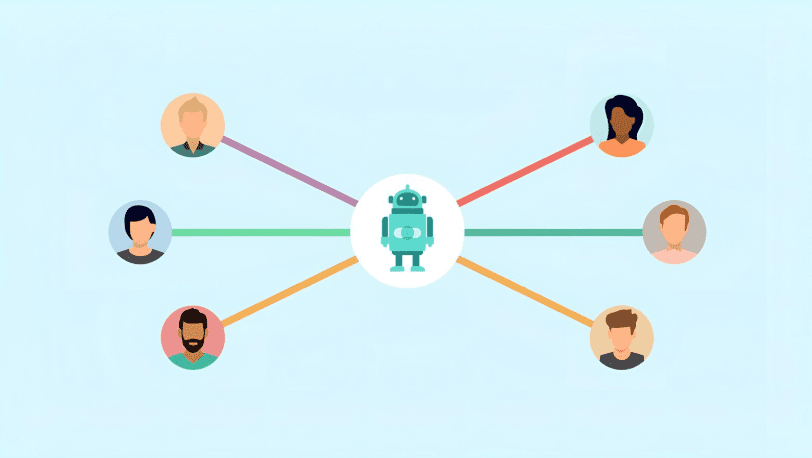
You might be thinking, “Okay, personalization sounds great, but how do I start?” Below are some concrete steps to guide you.
Step 1: Define Clear Goals
Ask yourself what you want your chatbot to accomplish. Is it boosting sales, improving customer satisfaction, or reducing support tickets?
Having specific goals lets you measure success. It also helps you design chatbot behaviors that align with your main objectives.
Step 2: Gather and Organize Data
Your chatbot needs a lot of it to deliver personalized experiences. Collect relevant customer info from purchase history, website logs, and support chats.
Ensure this data is well-organized and secure. The bot’s accuracy depends on the quality and structure of your data.
Step 3: Choose the Right Platform
Many chatbot platforms offer different levels of AI sophistication. Some can handle basic queries, while others excel at deep personalization.
Look for a platform that integrates easily with your existing systems, like CRMs or e-commerce platforms. It should also have robust analytics features, so you can track performance over time.
Step 4: Train Your Chatbot
Feeding your chatbot relevant scripts, FAQs, and real customer queries is crucial. This training helps it understand the context behind questions and respond accurately.
Test your bot with a variety of scenarios. If it fails, adjust the knowledge base and keep refining until it meets your standards.
Step 5: Implement Continuous Learning
A good AI chatbot evolves with your business. Use machine learning to update responses and recommendations as new products or features emerge.
Monitor user interactions to spot trends or errors. Apply these insights to enhance the bot’s conversational flow and personalization features.
Step 6: Don’t Neglect Human Oversight
Even the smartest chatbot can’t replace human empathy. Offer a quick way for customers to switch to a human agent if the situation calls for it.
This hybrid model reduces frustration. It also ensures complex or sensitive issues get the attention they deserve from a real person.
Overcoming Challenges

Personalized AI chatbots aren’t without hurdles. Here’s how to tackle common obstacles.
Privacy and Data Security
With more data comes greater responsibility. Always be transparent about how you collect, store, and use personal information. Comply with local regulations like the Personal Data Protection Act (PDPA) in Singapore. Encrypt sensitive data and limit access to authorized personnel only.
Avoiding “Creepy” Personalization
There’s a fine line between being helpful and intrusive. Using too many personal details can make users uncomfortable. Stick to the info that customers have willingly shared. Provide an easy opt-out option, so users can limit how much data you track or use.
Handling Complex Queries
Some questions need deeper insights or emotional understanding. If your chatbot doesn’t know how to respond, it should quickly direct the user to a human agent.
This handover must be seamless. Make sure your agent can see the conversation history, so customers don’t have to repeat themselves.
Real-World Impact on Business Growth

Wondering if all this effort pays off? Studies suggest that personalized chatbot interactions can lift customer satisfaction by up to 20%.
Increased satisfaction often translates to more sales. When customers feel seen, they’re more inclined to stay loyal and spread the word about your brand.
Shortened Customer Journeys
Personalization can guide users to the right product or service faster. They skip irrelevant pages and go straight to what they want.
This efficiency shortens the sales cycle, saving time for both you and the customer. When shopping is easier, people buy more often.
Reduced Support Load
When the chatbot handles routine queries, your human support team can focus on urgent or complex tasks. This balance prevents burnout and improves the overall quality of service.
Happy employees often deliver better customer experiences. It’s a positive cycle that benefits everyone involved.
Building Brand Loyalty
Loyalty is more than repeat purchases. It’s the bond customers feel with your brand.
By offering personalized interactions every time, you strengthen that bond. People remember when they have smooth, helpful conversations, even if it’s with a bot.
Addressing the Singapore Market

Business owners in Singapore operate in a highly competitive environment. Customers have many choices, so standing out is crucial.
Cultural Sensitivity
Singapore’s cultural diversity can be a unique advantage. Train your chatbot to respect different cultural norms, greetings, and even local slang.
This nuance can build trust, showing that you understand and appreciate local customs.
In a market as diverse as Singapore, small gestures can have a big impact.
Language Flexibility
Many Singaporeans are bilingual or multilingual. Offering multiple language options in your chatbot is a way to cater to a broad audience.
Start with English, Mandarin, or Malay, based on your audience’s needs. Use advanced language models to ensure smooth transitions between languages.
Fast Integration with Local Payment Systems
E-payments are popular in Singapore. Your chatbot should integrate with local payment gateways like PayNow or DBS PayLah! for convenience.
A streamlined checkout can increase conversions, especially when it feels secure and effortless. Faster transactions mean happier customers, boosting repeat business.
Tips for Keeping the Conversation Flowing
Personalization is ongoing. Here are some quick tips to ensure your chatbot remains fresh and helpful.
- Keep Updating Data: Regularly feed your bot new info about promotions, product changes, and user feedback.
- Monitor Keywords: Track the most common words or phrases customers use. Tailor your chatbot to address these directly.
- Gather Feedback: Encourage users to rate their chatbot experience, and use this data to refine future interactions.
- Split Test Approaches: Experiment with different conversation flows or greetings to see which yields the best customer responses.
If you remain proactive, you’ll keep your chatbot from going stale. A stale bot that misses crucial updates can frustrate customers and tarnish your brand image.
Wrapping it up
Personalized AI chatbots offer a powerful way to connect with customers at scale. They blend speed, convenience, and empathy to create stronger relationships that benefit both you and your audience.
