
Why a Great Restaurant Website Matters More Than Ever in 2025
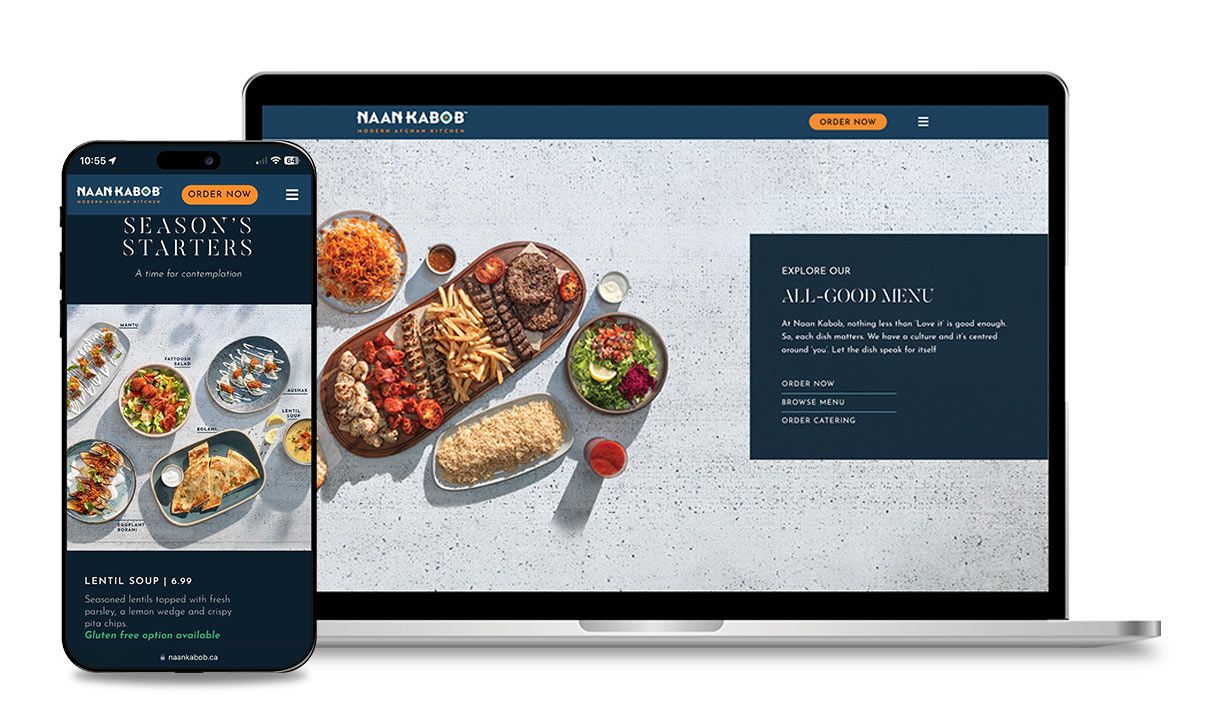
Let me tell you a short story about why some restaurants get chosen… and others get rejected.
A couple sits on the couch, hungry but undecided.
They pull out a phone and say, “Let’s try somewhere new tonight.”
They search “best dinner spots nearby”, scroll a few options, and tap on one.
The website loads slowly. The menu’s hard to find. No booking button.
They sigh in disappointment; afterward, they hit the back button and move on to the next option.
This moment happens thousands of times a day.
It’s exactly why your website matters more than ever in 2025.
Whether someone’s planning a date night, a team lunch, or just grabbing brunch with friends, their journey starts online.
Keeping up with the top restaurant website design trends for 2025 ensures your site doesn’t just exist — it impresses, convinces, and converts.
Because your website isn’t just a pretty page — it’s the deciding factor.
If it’s outdated, slow, or confusing, you won’t even know how many customers you’re losing.
But if it’s fast, modern, and user-friendly. You’ve already got a foot in the door before they’ve even stepped inside.
Your Website is Your Digital Front Door
Before anyone walks into your restaurant, they’ve already walked through your digital entrance — your homepage. What they see, how fast it loads, and how easily they find information make or break the decision to book.
Why this matters:
- Mobile-first experience is now the standard for local discovery
- Navigation clarity is directly tied to bounce rate and reservations.
- Design and branding shape assumptions about your food, service, and professionalism
In essence, your homepage is your virtual front door. It must greet visitors with clarity, confidence, and purpose — or they’ll go elsewhere.
The Growing Impact of Online Research Before Dining Out
Online research is now the default behavior before dining. Customers compare menus, scan interiors, read reviews, and check operating hours before making any decision.
What they look for:
- Menu accessibility (with filters or pricing)
- Photos and vibe that match their preferences
- Location, hours, and reservations at a glance
- Reviews, UGC, and social proof from real diners
Over 75% of diners visit a restaurant’s website before choosing it. In competitive cities, this percentage climbs even higher. Your design, clarity, and storytelling must win the decision quickly.
Meeting Elevated Expectations for Online Food Experiences
Digital-first guests don’t just want information — they want experiences. That means seamless interaction, personalized features, and app-like performance on mobile.
Key expectations in 2025:
- Lightning-fast loading and responsive design
- Interactive menus with dietary filters and prices
- Online ordering and table reservations in under 3 clicks
- Live integrations — like Google Maps, Instagram feed, or TikTok stories
A website that feels modern, accessible, and optimized for action earns trust and encourages bookings. Anything less? It pushes potential diners away.
Use Case:
Le Coucou NYC – 67% Reservation Increase After Website Redesign.
Le Coucou in New York City redesigned its website to streamline guest interaction and modernize the online experience. The redesign focused on:
- Clean, high-end design that matched the in-venue atmosphere
- Integrated SevenRooms reservation system for seamless booking
- Mobile-optimized performance for high-volume traffic
Verified Results:
- A 67% increase in online reservations after the website overhaul
- Improved user engagement through faster navigation and simplified UX
- Enhanced brand alignment with its fine-dining positioning
This case highlights how strategic design improvements can translate into direct business growth, especially when backed by tools like SevenRooms that unify digital experience with operational goals.
The Link Between Restaurant Website Design, Sales & Trust
In the restaurant industry, trust is built long before the first bite. In 2025, that trust begins with your website. From layout to speed to mobile usability, every detail of your online presence contributes to how potential customers perceive your business.
A well-designed restaurant website doesn’t just look nice — it drives bookings, increases repeat visits, and builds brand credibility. More importantly, it eliminates friction in the decision-making process, helping customers feel confident about choosing your venue.
Key reasons why design directly impacts restaurant sales and trust:
- Professional, easy-to-navigate design builds confidence in food and service quality.
- Frustrating digital experience (e.g., broken links, hard-to-read menus) leads to drop-offs.
- Strong branding and visuals align guest expectations before arrival.
- Mobile UX and speed influence impulse decisions (especially for local searches)
When done right, design isn’t just decoration — it drives conversion.
First Impressions That Influence Dining Choices
Research shows that users form an opinion about a website in 0.05 seconds — and that snap judgment affects whether they stay, book, or bounce.
Design elements that shape those critical first impressions:
- Visual hierarchy — typography, spacing, and image quality
- Brand voice and photography — does the design match the cuisine and experience?
- Mobile load time — anything over 3 seconds can lose impatient browsers
- Menu visibility — menus must be accessible in one click, not buried
Example: Fast-casual chain Sweetgreen uses a minimalist website that mirrors its clean, modern food ethos, helping it connect visually with health-conscious guests.
How Website Experience Shapes Customer Perception
Customers associate the smoothness of your digital experience with the quality of your physical one.
What a polished website communicates:
- Attention to detail — from dish presentation to interior service
- Operational professionalism — if the booking flow works well, so does the kitchen
- Transparency — clear menus, hours, and pricing reduce hesitation
- Inclusivity — accessible design signals care for all customers
Example: Restoran Mahbub, Kuala Lumpur, Malaysia. Offers seamless UX, beautiful storytelling, and animated menus — all reinforcing the brand’s cultural richness and hospitality standards.
Does a well-designed website help restaurants get more customers?
Yes. A well-designed restaurant website can significantly increase customer acquisition by improving discoverability, creating strong first impressions, and removing friction from booking and ordering.
Here’s how:
- Improved local SEO and schema structure boost Google visibility
- Faster page speed and mobile design retain traffic.
- Easy reservations and online orders increase conversion rates.
- Emotional design (imagery, brand voice, layout) builds trust and memorability.
In fact, restaurants with professionally designed, mobile-optimized websites report up to 2x more online bookings, according to data from Square and OpenTable.
SEO, Discoverability & Mobile-First Performance in 2025
In a digital-first world, a restaurant’s success hinges not only on great food and service but also on how easily customers can find it online. In 2025, visibility on Google, Google Maps, and AI-powered platforms like ChatGPT, Siri, and Google Assistant has become mission-critical for attracting local diners.
Search behavior has changed:
- People search using phrases like “best brunch near me”, “rooftop dinner in [city]”, or “gluten-free restaurants open now.”
- Many never scroll past the first 3 search results.
- AI assistants and voice search tools now influence which restaurants get suggested, especially for mobile users.
If your website isn’t built with technical SEO, local optimization, and mobile-first performance in mind, it simply won’t be found — or trusted.
Optimizing for “Restaurants Near Me” and Local Food Searches
Today’s diners rely on hyperlocal search. Whether they’re searching from home or on the go, they want answers instantly — and Google’s algorithm prioritizes businesses with strong local SEO signals.
Key tactics to optimize your restaurant website in 2025:
- Claim and update your Google Business Profile — with accurate hours, photos, and booking links
- Use location-specific landing pages — e.g., “Italian Restaurant in Soho London”
- Include local schema markup to help Google understand your cuisine, location, and offerings.
- Incorporate local keywords naturally — like “vegetarian-friendly café in Georgetown”
- Embed Google Maps and driving directions on your site for a UX and SEO boost.
Did you know? “Restaurants near me” remains in the top 3 most searched local intent queries globally.
To compete, your site needs to be optimized for intent and proximity, not just aesthetics.
Technical Performance: Speed, Responsiveness, and SEO Ranking Signals
Google’s algorithm increasingly rewards performance-first websites. That means:
- Pages that load in under 2 seconds
- Fully responsive layouts that adapt to every screen size
- Clean HTML structure and Core Web Vitals compliance
- Compressed images that don’t sacrifice quality
- Accessible design that ensures all users can navigate comfortably
What this does:
- Reduces bounce rate — especially on mobile
- Improves time-on-site — a major ranking factor
- Signals trust and authority — boosting your place in Google Maps and organic listings
A well-optimized restaurant site today isn’t built for desktop — it’s built for mobile speed, tablet ease, and AI interpretation.
Voice Search, AI Discovery & Search Intent for Food Businesses
As smart assistants become the go-to for food decisions, voice search optimization is now essential. In 2025, diners are using commands like:
- “Find Thai restaurants near me that take reservations.”
- “Book a table for four at a rooftop bar in KL at 8 PM.”
- “What are the top sushi spots open now?”
To appear in those voice-powered answers, your website must:
- Use conversational long-tail keywords and Q&A-style content
- Implement the FAQ schema and structured metadata.
- Include clear CTAs, like “Reserve Now” and “Order Online.”
- Support SSL security and fast mobile-first loading.
AI discovery platforms also rely on structured data and trust signals. If your website isn’t technically sound and aligned with diner intent, AI tools will bypass it in favor of more optimized competitors.
Use Case: Eleven Madison Park – Ranking Boost Through Website Overhaul
In 2023, Eleven Madison Park revamped its digital presence with a focus on SEO structure, Core Web Vitals, and high-performance design. The restaurant worked with digital consultants to:
- Introduce a structured schema for menu, location, and brand
- Replace heavy media with optimized video and images.
- Ensure compliance with mobile usability and accessibility standards.
Results:
- Significant ranking improvement for keywords like “plant-based fine dining NYC” and “Michelin vegan tasting menu”
- Increase in organic traffic from diners searching for a sustainable luxury experience.
- Enhanced visibility on AI-curated travel and dining platforms
The overhaul proved that SEO and discoverability are not just for casual eateries — they matter just as much at the top of the fine dining world.
Key Elements of High-Performing Restaurant Websites in 2025
What Makes a Restaurant Website Truly Shine in 2025
Think about the last time you fell in love with a restaurant before even stepping through its doors. Chances are, their website made you feel something. In 2025, your digital presence needs to do more than list your menu—it needs to create that “I can’t wait to eat there” moment for every visitor.
The best restaurant websites today understand they’re not just providing information—they’re hosting the first course of the dining experience. Whether you’re serving gourmet tasting menus or the best burgers in town, these core ingredients separate the good from the unforgettable:
- Design that breathes – Where stunning food photography and your unique story take center stage
- Mobile magic – Experiences that feel as effortless on a phone as they do on a desktop
- Need-for-speed – Pages that load before your visitor’s hunger pangs kick in
- Visual storytelling – Images and videos that make mouths water and fingers click “Reserve Now”
- Welcome to all – Thoughtful design that makes every guest feel valued
This isn’t about chasing trends—it’s about creating digital experiences as memorable as your best table by the window. Let’s explore how to make it happen.
Visual Appeal & Clean, Modern Layouts
First impressions are visual. Guests decide in seconds whether your restaurant feels like the right fit — and that decision is shaped by design.
Here’s what a clean, high-impact layout delivers:
- Immediate clarity — users know exactly what you offer
- Trust through simplicity — modern layouts feel professional and premium.
- Visual hierarchy — menus, hours, and calls-to-action stand out.
- Brand alignment — the design reflects your culinary style and ethos.
Restaurants that strip away clutter and embrace whitespace allow their dishes, interiors, and personality to shine without distraction.
Minimalist Design that Keeps the Focus on Food & Experience
Less is more — especially when it comes to luxury perception. Minimalist design removes friction and places full attention where it belongs: the dining experience.
What minimalism means in restaurant website design:
- Neutral color palettes that let photography stand out
- Large, well-styled fonts that are easy to read and inviting
- Scroll-triggered transitions to guide the user journey
- Full-screen hero sections to showcase food or ambience
- Fewer pages, more intent — everything essential, nothing excess
Minimal design is not empty — it’s purposeful. It allows space for the story to unfold visually and emotionally.
Avoiding Clutter and Enhancing Readability Across Devices
Today’s guests are scrolling on the move — in a rideshare, at the office, or from bed. If your site isn’t clear, fast, and readable on any screen, you’re losing attention and bookings.
Key readability and UX improvements in 2025:
- Responsive breakpoints for phones, tablets, and large monitors
- Click-free menus (no PDFs!) that load instantly on mobile
- Simple CTAs — “Reserve Now,” “Order Online,” “See Menu”
- High-contrast fonts and visual separators for easy scanning
- Reduced pop-ups and distractions that interfere with navigation
Your design should help users act quickly, not think harder.
Use Case: Daniel – A Michelin-Starred Brand with Clean Digital Execution
Daniel, Chef Daniel Boulud’s flagship Michelin-starred restaurant in NYC, offers one of the best examples of how elegant simplicity in web design elevates an upscale brand.
What the website gets right:
- A clean, grid-based layout that’s luxurious without being overwhelming
- Minimal color usage, allowing dishes and interior images to take center stage
- Mobile-responsive design that maintains brand presence across devices
- A booking flow that’s intuitive, visible, and quick to access
Why it works:
- Every element reinforces the experience of dining at Daniel — refined, seamless, and polished.
- The simplicity of the site enhances rather than competes with the food and brand story.
Daniel’s approach proves that a minimalist, focused layout isn’t just for aesthetics — it’s a performance and perception driver.
Mouth-Watering Photography, Video & Visual Storytelling
Visual content in 2025 is no longer a supporting element — it’s the centerpiece of how diners experience your restaurant online. With attention spans shrinking and competition rising, compelling imagery and motion are the fastest way to trigger emotion, build trust, and drive action.
After all, no matter how great your food tastes in person, it needs to look unforgettable on screen first.
Importance of High-Quality Food Imagery & Short-Form Videos
Every visitor to your website expects to see your food before they ever taste it. That’s why high-resolution, on-brand photography is one of the most important tools in converting traffic into bookings or online orders.
Here’s why it matters:
- Strong visual content creates emotional appeal and appetite
- Visitors trust restaurants with professional-looking photography more than those with poor or generic images.
- Video clips — such as plating sequences or behind-the-scenes prep — keep users engaged longer
- Visuals communicate your cuisine, price point, and atmosphere in a way that words alone cannot.
Today’s diners often decide where to eat based purely on visual impression. A clean plate shot, ambient lighting, or chef-in-action frame can drive bookings faster than any line of copy.
Using Video Backgrounds & Dynamic Visuals to Increase Engagement
Modern restaurant websites are evolving from static to dynamic. Video and animation are now used to guide visitors through an immersive journey, showcasing the energy, care, and uniqueness of your experience.
Examples of visual storytelling elements include:
- Background video on the homepage showing dishes being plated or drinks being served
- Scroll-triggered animations that reveal menus, photos, or specials naturally as the user explores
- Short chef interviews or kitchen clips that connect emotionally with visitors
- Lightweight, mobile-optimized motion assets that load quickly and enhance — not interrupt — UX
However, speed and usability remain critical. Video should be compressed, hosted externally if needed, and never block interaction. The goal is to enrich the journey, not slow it down.
What type of visuals are best for restaurant websites?
The most effective visuals for restaurant websites are those that are:
- Authentic to your food and brand — not stock imagery
- Shot with proper lighting and composition, showcasing real menu items
- Complemented by ambience photography, such as dining space, bar seating, or evening lighting
- Supported by short-form video or motion content that adds context and personality
Additionally, including team visuals — such as chefs, servers, or founders — helps build trust and human connection.
For best performance, ensure that all media is:
- Compressed and responsive
- Properly named and tagged for SEO.
- Balanced between visual impact and page speed
In summary, a high-converting restaurant website in 2025 doesn’t just tell a story — it shows it, frame by frame.
Intuitive Navigation & User-Friendly Menus
While great visuals create interest, it’s seamless navigation and smart menu design that turn that interest into action. In 2025, restaurant websites must go beyond looking good — they must feel intuitive, logical, and effortless to use. Visitors want to find what they’re looking for in seconds, not minutes.
Therefore, every tap, scroll, and click should feel natural. From the homepage to the reservation button, the journey should flow without friction.
Making Menus Easy to Find, Filter, and Explore
Menus remain the most-visited page on nearly every restaurant website. Yet many are still hidden in PDFs or buried beneath poor navigation structures. To keep up with modern expectations, your menu should be:
- Clearly labeled in the main navigation bar
- Available in HTML format for fast loading and mobile readability
- Structured with categories like starters, mains, desserts, and beverages
- Easy to scan, with consistent fonts, spacing, and optional imagery
- Filterable by dietary preferences (vegan, gluten-free, halal, etc.)
As customers become more health-conscious and time-sensitive, they appreciate menus that are quick to load, easy to read, and help them make faster decisions.
To maintain engagement, consider using expandable sections or scroll-based reveal features rather than long static lists.
Interactive Features for Allergen Info, Dietary Options & Pricing
As user expectations evolve, menus are no longer just about listing items. They must now support decision-making with clarity and customization.
This includes:
- Visible icons or text labels for dietary tags (e.g., vegetarian, dairy-free)
- Clear allergen information presented in tooltips or toggles
- Transparent pricing without requiring users to download external files
- Highlighted specials or seasonal items to guide the diner’s attention
Moreover, interactivity isn’t just for tech appeal — it directly improves accessibility and guest confidence. When users can filter, explore, and understand a menu in their way, they are more likely to trust your service and convert online.
Use Case: Panera Bread – Smart Menu Filters Boost Online Orders
Panera Bread, a major US fast-casual chain, redesigned its digital menu experience with advanced filtering and dietary customization. On its website and app, users can now:
- Instantly filter meals by nutrition type, allergens, or lifestyle preference
- View calories, ingredient transparency, and preparation methods.
- Explore items in visually segmented categories — all optimized for mobile.
The result? Increased satisfaction among health-conscious users and a measurable lift in online orders, especially for customized options.
This real-world example shows how investing in menu interactivity doesn’t just serve information — it increases sales.
Seamless Online Ordering, Reservations & Contact Integration
Once a visitor decides they want to dine with you, the path to action must be smooth and instant. In 2025, even a few extra clicks between decision and booking can lead to drop-offs. That’s why high-performing restaurant websites integrate ordering and reservation tools directly into the user journey — with no friction, no redirects, and no confusion.
Today’s customers expect convenience, and your website must deliver it in real time.
Reducing Clicks for Bookings & Takeout
Every additional click or step in the process reduces the likelihood of conversion. Modern diners want to:
- Book a table without leaving the page
- Place a takeout order within seconds.
- Know right away whether you’re open, what’s available, and how to proceed
To meet these expectations, websites must offer:
- Prominent “Reserve Now” and “Order Online” buttons above the fold
- Menu previews and ordering shortcuts are embedded near food sections.
- Integrated availability display based on real-time inventory
Moreover, all actions should be mobile-optimized, since the majority of bookings and orders now come from smartphones. Convenience is no longer a nice-to-have. It’s a competitive requirement.
Embedding Reservation Widgets, Maps, and Call-to-Action Buttons
Rather than sending users to third-party platforms or forms, it’s now standard to embed tools directly into your site. This ensures a seamless experience and keeps users focused on your brand.
What should be embedded:
- Reservation engines (like SevenRooms, OpenTable, or TableCheck)
- Location maps with live directions
- Contact forms that are responsive and easy to complete
- Phone and WhatsApp buttons with tap-to-call functionality
- Email signup or loyalty offers to capture returning interest.
When users don’t have to switch tabs or apps, they’re far more likely to complete a reservation or place an order.
Use Case: DIG – Tripled Online Orders with One-Click Booking
DIG, a fast-casual American restaurant chain known for its seasonal bowls and produce-forward menu, revamped its digital experience in late 2023. The focus was to simplify ordering and booking across devices.
Key improvements included:
- Embedding ordering directly on menu pages
- Simplified one-click checkout optimized for mobile users.
- Geolocation features to show the nearest available outlet
As a result, DIG reported a 3x increase in online orders within three months of the update, especially during peak lunch and dinner hours. The redesign proved that a smoother user flow can significantly boost conversion without changing the menu or pricing.
Brand Personality & Storytelling Through Design
These days, people don’t just choose restaurants based on food — they choose based on how the place makes them feel. That feeling starts online. In 2025, your website is one of the strongest ways to build your brand identity, tell your story, and connect with guests before they ever walk in the door.
This is what brand building looks like now: showing people who you are, what you believe in, and why you’re different. When your website reflects your style, mission, and energy, it doesn’t just look good — it brings in more bookings, drives foot traffic, and grows brand awareness.
Communicating Your Restaurant’s Story, Mission & Values
Every restaurant has a story. Maybe it’s the chef’s journey, a love for local food, or a desire to create a cozy space for the community. Your website is the perfect place to share it.
Here’s how to make that connection:
- Write a short, personal “About” section that explains your background and passion
- Let guests know what your values are — whether it’s sustainability, culture, or comfort.
- Share real photos of your team, your kitchen, or moments that matter.
- Keep the tone friendly, honest, and in your voice.
- Use customer stories or testimonials to build emotional trust.
This kind of storytelling helps people remember you. More than that, it helps them feel connected — and that’s what gets them to book a table or come back again.
Use of Micro interactions, Fonts, Colors & Visual Identity Elements
The design of your site — the colors, fonts, little animations — all say something about your restaurant. When done right, your visual identity becomes part of your brand memory. It doesn’t need to be flashy. It just needs to feel like you.
Here’s what works:
- Choose fonts and colors that match your restaurant’s style — clean and modern, rustic and warm, bold and fun
- Add simple touches like hover effects, smooth scrolling, or soft transitions to make the site feel alive.
- Keep your logo, tone, and look consistent across all pages.
- Make sure your website feels the same on both desktop and mobile — smooth, simple, and inviting.
When all these elements work together, they help promote your restaurant in a way that feels natural and memorable. You’re not just sharing information — you’re shaping how people feel about your brand.
How do you showcase a restaurant’s personality through website design?
You showcase your restaurant’s personality by aligning your website’s storytelling, layout, and visual identity with your brand’s mission, values, and tone.
Effective strategies include:
- Sharing your origin story and purpose in an authentic, engaging voice
- Using consistent fonts, colors, and imagery that represent your brand identity
- Highlighting the people behind your brand to build trust and relatability
- Creating a user experience that mirrors your in-house vibe — warm, upscale, casual, or creative
- Designing every element — from call-to-actions to menu layouts — with brand awareness in mind
Ultimately, great web design isn’t just about style. It’s about substance. When storytelling and visual identity work together, they do more than build a website — they build a brand.
Social Media Integration & Customer Engagement Features
In today’s digital world, your website and social media aren’t separate — they work together. Diners often find restaurants through platforms like Instagram, TikTok, or Google Reviews before ever visiting a website. That’s why the most effective restaurant websites in 2025 connect these channels directly into the online experience.
By blending your live social presence with your site, you give guests a complete view of your food, vibe, and happy customers — all in one place. This helps promote your restaurant naturally while building trust and brand awareness.
Embedding Instagram, TikTok & Review Platforms for Social Proof
Social proof is one of the most powerful tools in turning interest into bookings. When visitors see real people enjoying your food, sharing stories, and tagging your location, they’re far more likely to follow through.
To bring that energy onto your website:
- Embed your live Instagram or TikTok feed on the homepage or gallery section
- Add a review strip showing ratings from Google, TripAdvisor, or Yelp.
- Highlight featured posts or influencer content that reflects your atmosphere.
- Link out to your profiles in a clear, visible way — especially on mobile.
These social elements make your website feel active and trustworthy, like a living part of the dining community. They also boost your chances of showing up in local searches and help new visitors feel confident about booking.
Encouraging User-Generated Content and Social Sharing
One of the easiest ways to promote your restaurant and grow your reach is by encouraging guests to share their experiences online. When their content is featured on your site, it builds credibility and brings fresh personality into your brand.
Here’s how to support user-generated content:
- Invite customers to tag your restaurant or use a specific hashtag
- Create a short callout like “Share your dish with us” near the gallery or menu.
- Feature customer photos or short videos directly on the homepage.
- Offer social-only specials or loyalty perks that reward sharing.
- Include share buttons so visitors can post your menu, events, or story to their networks.
This approach turns your guests into advocates. It builds community, strengthens your brand identity, and increases word-of-mouth visibility — both online and in person.
Technical Performance, SEO Optimization & Accessibility
A beautiful website is only effective if people can use it and find it. That’s why, in 2025, strong restaurant websites are not just about style. They’re built on performance, search readiness, and inclusivity. These behind-the-scenes elements make the difference between a website that quietly loses visitors and one that brings in new guests every day.
If your goal is to increase visibility, drive bookings, and promote your restaurant with confidence, you need more than a nice layout. You need a site that runs fast, ranks high, and welcomes everyone.
Fast Loading Times, Mobile Responsiveness, and Core Web Vitals Compliance
Today, most people will visit your website from a phone — maybe while walking, commuting, or scrolling before bed. That means your site has to load quickly and work smoothly on every screen size.
To meet expectations:
- Your pages should load in under two seconds, especially on mobile
- Layouts must adapt automatically to fit phones, tablets, and desktops.
- Images should be compressed without losing quality.
- Key elements like buttons, menus, and forms should work perfectly with a single tap.
- Google’s Core Web Vitals — including Largest Contentful Paint (LCP) and Cumulative Layout Shift (CLS) — must be optimized to avoid penalties.
When your site is fast and mobile-ready, visitors stay longer, explore more, and are much more likely to book or order.
SEO Structures: Schema Markup, Local Optimization, and Keyword Strategy
Even the best website won’t help if people can’t find it. That’s where smart SEO comes in. To optimize your restaurant website for search engines — and actual people — you need more than keywords.
Here’s what helps:
- Add schema markup to your website code so Google knows your menu, address, hours, and type of restaurant
- Use local SEO strategies to show up in searches like “best lunch near me” or “rooftop dinner in [city]”
- Write clear, helpful content that includes natural search terms your audience is using.
- Keep titles, descriptions, and page URLs clean and relevant.
- Organize your content so each page serves a purpose, like a menu page, about page, or booking page.
When these elements are in place, your website works for you around the clock, helping new customers find you before they find someone else.
Accessibility Features for Inclusive User Experiences
A truly welcoming restaurant makes every guest feel comfortable, and your website should do the same. Accessibility isn’t just about regulations. It’s about good design that works for everyone, including people with disabilities or different browsing needs.
To build an inclusive digital experience:
- Use alt text for all images so screen readers can describe them
- Keep text sizes and color contrast readable on any screen.
- Make sure your site is navigable with a keyboard, not just a mouse.
- Add clear labels to buttons, menus, and form fields.
- Avoid flashing elements or pop-ups that interrupt flow.
When your website is inclusive, you open the door to more people, and you send a clear message that your brand is thoughtful, modern, and customer-first.
Social Media Integration & Customer Engagement Features
In 2025, your restaurant’s online presence isn’t limited to your website. Platforms like Instagram, TikTok, and Google Reviews play a major role in how people discover and trust new places to eat. That’s why it’s more important than ever to connect your social channels directly to your website.
When visitors can see real-time posts, reviews, and community engagement, it builds trust. Even before reading your menu, people get a feel for your food, your energy, and how others are enjoying what you offer.
Simply put, your website and social presence should work together, not separately.
Embedding Instagram, TikTok & Review Platforms for Social Proof
Social proof is powerful. When someone sees others sharing great experiences at your restaurant, it builds confidence and excitement. That’s why many restaurants now embed their live social feeds and top reviews right on their homepage.
Here’s what works well:
- Add a live Instagram feed that updates automatically with your latest posts
- Embed a TikTok highlight reel or short-form videos from your team or loyal customers.
- Include customer ratings and snippets from Google, TripAdvisor, or Yelp.
- Highlight press mentions, influencer posts, or any viral content that fits your brand.
These elements not only show off your food and vibe, but they also make your website feel fresh, active, and connected to real people. And that helps promote your restaurant in a way that’s more trustworthy than any ad ever could.
Encouraging User-Generated Content and Social Sharing
Word of mouth has moved online. Now, when guests share a photo of your dish or tag your location in a story, it becomes part of your marketing. This is where user-generated content makes a real difference — and your website can help support it.
Here’s how to invite and feature it:
- Ask diners to tag your restaurant on Instagram or TikTok, or use a branded hashtag
- Showcase customer photos or short videos on your homepage or gallery.
- Include a friendly note like “Tag us for a chance to be featured” on your menu or thank-you page.
- Make it easy to share — add simple share buttons for your menu, special events, or reservation links.
- Offer small perks, like social-only discounts or shoutouts, to encourage more participation.
When guests become part of your story, it strengthens your brand and brings in new traffic, both online and in person. It also helps build a sense of community around your restaurant that no paid campaign can replicate.
Top Restaurant Website Design Trends for 2025
Minimalist, Mobile-First Layouts that Prioritize UX
Minimalist restaurant websites are on the rise in 2025 because they load faster, feel cleaner, and help visitors take action without confusion. A simple, focused layout keeps attention on what matters most — your food, your story, and how to book a table.
These designs are built to work beautifully on mobile, where most customers now browse. When your layout adjusts to small screens instantly, everything feels smoother and more welcoming.
Key features of minimalist, mobile-first design:
- A streamlined navigation bar with 3–5 key links
- Plenty of white space for easier reading
- Simple fonts and limited color palettes for focus
- Clear calls-to-action like “Reserve Now” or “Order Online”
- Fast-loading content optimized for mobile performance
By reducing visual clutter, you guide your customers more quickly to action, and that’s exactly what leads to better conversion rates and brand trust.
AI-Powered Personalization for Localized User Experiences
In 2025, AI-powered personalization is helping restaurant websites feel more like personal assistants. By adapting to user behavior, location, and preferences, these smart systems serve up content that feels relevant and timely, improving engagement and repeat visits.
Whether it’s recognizing a returning customer or adjusting recommendations based on time of day, AI makes your site more useful and human.
Key applications of AI in restaurant websites:
- Displaying location-specific menus or nearby branches
- Suggesting popular items based on browsing history
- Highlighting offers based on time, weather, or user segment
- Tailoring homepage visuals to past visitors’ preferences
- Using chatbots to answer frequent questions in real-time
The result is a more intuitive, helpful experience for every guest. Instead of showing the same content to everyone, AI personalization allows you to promote your restaurant with smarter targeting and give users exactly what they need, when they need it.
Restaurant That Increased Repeat Visits with AI-Personalized Website
Panera Bread successfully used AI personalization to improve online engagement and repeat visits. Their website and app tailor the user experience based on behavior and preferences, making ordering easier and faster.
What they implemented:
- Recommending previous orders for logged-in users
- Adjusting menus based on time of day
- Highlighting personalized rewards and offers
- Showing nutrition info based on saved preferences
This dynamic, guest-specific approach helped Panera deliver a more meaningful experience. It reduced friction, built loyalty, and proved how AI can promote a restaurant effectively through smart, real-time content.
Dark Mode & Bold Color Contrasts for Sophistication
Dark mode in 2025 is no longer just a mobile feature — it’s a design choice that signals elegance, comfort, and confidence. When paired with bold contrast and refined visual elements, dark-themed restaurant websites create an atmosphere that feels premium from the first click.
More restaurants, especially in the fine dining and bar scene, are adopting dark backgrounds with high-contrast text and vivid visuals. This not only improves readability in low-light conditions but also helps food images, buttons, and special offers stand out.
Key benefits of this trend:
- Reduces eye strain for late-night browsing
- Creates a high-end, immersive digital ambiance
- Allows vibrant dishes and interior photography to pop
- Appeals to younger, design-aware audiences
- Reinforces brand identity for upscale and moody environments
Ultimately, dark mode and bold contrasts help promote your restaurant with style while making your website visually distinctive and memorable.
3D Food Renderings, Virtual Tours & AR Previews
In 2025, immersive experiences are reshaping how guests explore restaurants online. With technology becoming more accessible, restaurants are using 3D food renderings, virtual tours, and AR previews to bring their menus and spaces to life, right through the screen.
These interactive tools allow potential customers to see more than just photos. They can rotate a dish in 3D, walk through your dining room virtually, or preview how a meal looks before placing an order. This helps reduce uncertainty, build excitement, and convert browsers into diners.
Why this trend is gaining traction:
- Builds trust through transparency — what guests see is what they get
- Increases engagement and session time on your website
- Appeals to tech-savvy and experience-driven audiences
- Makes your brand stand out in a competitive space
- Enhances online ordering confidence with realistic previews
This blend of storytelling and tech elevates your digital presence and helps promote your restaurant in a highly memorable way.
Not sure where to start? We’re happy to help! Contact Rozzario, and we’ll walk you through it.
Storytelling Through Micro interactions & Scroll Animations
Interactive, Engaging Details That Enhance the User Journey
In 2025, the most memorable restaurant websites don’t just present information — they tell a story through motion. Micro interactions and scroll animations add subtle layers of engagement that guide visitors naturally through your content while keeping them emotionally involved.
These small design touches — like a menu sliding into view, a dish gently animating on hover, or a button subtly reacting to a tap — make your site feel polished, modern, and alive. When used strategically, they don’t distract — they direct.
Why restaurants are embracing this trend:
- Keeps users engaged longer and improves page flow
- Adds personality to your brand without overwhelming content
- Highlights key actions like reservations, specials, or featured dishes
- Helps differentiate your site from template-based competitors
- Supports storytelling by building visual rhythm and intent
Micro interactions turn ordinary browsing into a branded experience, giving you more ways to promote your restaurant with style and substance.
Sustainability-Focused Design Reflecting Brand Ethics
Showcasing Eco-Friendly Practices and Responsible Sourcing Visually
Sustainability isn’t just a back-of-house concern anymore — it’s a core part of how modern diners choose where to eat. In 2025, restaurant websites are increasingly reflecting eco-conscious values through design. This not only aligns with customer expectations but also strengthens your brand identity and purpose.
Visually showcasing your commitment to responsible sourcing, zero waste practices, or plant-forward menus helps build trust and transparency with your audience. Whether it’s through icons, photography, or copy, guests want to see how your values align with theirs.
Effective ways to highlight sustainability:
- Include behind-the-scenes images of local farms or eco-friendly packaging
- Add a dedicated page or section about sourcing and ethics.
- Use earthy color palettes and natural textures to reinforce messaging.
- Highlight plant-based dishes or seasonal rotations on the homepage.
- Keep your site lightweight to reduce energy use and loading time.
This approach promotes your restaurant with both meaning and long-term credibility.
Inspiring Real-Life Examples of Restaurant Website Designs
Understanding design trends is easier when you see them in action. The following real-life restaurant website examples show how different types of brands use design to reflect their identity and connect with their audience. From elegant fine dining to bold street food, each example captures a unique vibe.
What these sites have in common:
- They reflect brand personality through layout and visuals
- Each is optimized for mobile performance and user flow.
- They use design to guide actions like bookings or online orders.
- Their storytelling and imagery leave a lasting impression.
These websites don’t just look great — they promote the restaurant in a way that feels natural, intentional, and unforgettable.
Rustic Farm-to-Table Bistro Website Example
Rustic bistros and farm-to-table restaurants often lead with values like sustainability, seasonality, and simplicity. Their websites reflect this with warm visuals, inviting layouts, and handcrafted design elements that echo their culinary roots. A great example is The Farmhouse Inn in Sonoma County.
Here’s how they communicate authenticity through design:
- Earth-toned color palettes and textured backgrounds
- Handwritten fonts or serif typography to evoke charm.
- Large food photography styled with natural lighting
- Story-driven pages about sourcing, local farms, and seasonal ingredients
- CTAs like “Meet the Farmers” or “View Today’s Harvest Menu”
This kind of visual identity builds trust with guests who care about where their food comes from. The result is a digital space that feels as personal and wholesome as the restaurant itself. By keeping the experience grounded and visual, rustic restaurants create deeper emotional connections, and that drives both bookings and brand loyalty.
Street Food & Fast Casual Website Example
Tacombi — a vibrant, taco-focused brand in the U.S. — perfectly captures the essence of street food culture through its website. Street food and fast casual restaurants thrive on energy, speed, and bold personality — and Tacombi’s digital presence reflects exactly that. From vibrant visuals to playful fonts and punchy layouts, their site is designed to grab attention quickly and drive immediate action.
What makes this design style effective?
- Bright colors and high-energy graphics reflect street culture.
- Big, bold typography is used to communicate deals and menu items.
- Quick-access buttons for ordering, location lookup, and delivery
- Scroll animations and micro interactions to keep users engaged.
- Menu pages with short, scrollable sections and icons for clarity
These sites are built for action — from mobile ordering to loyalty rewards. They appeal to younger audiences, digital natives, and on-the-go customers who want fast access with personality. By matching their online vibe with their street-style identity, these brands promote their restaurant with energy that converts.
Chef’s Personal Blog or Culinary Brand Website Example
Storytelling-Driven Design for Personal Connection
In 2025, chefs and culinary influencers are building powerful personal brands, and their websites are designed to feel intimate, expressive, and content-rich. These sites focus less on transactions and more on connection, storytelling, and authority. A great example is Chef Dominique Crenn’s website, which blends biography, advocacy, and philosophy.
What sets this design style apart:
- Long-form storytelling with clean, elegant typography
- Behind-the-scenes visuals and portraits instead of staged food photos
- Integrated blog or journal to share thoughts, recipes, and news
- Soft color palettes that reflect personal tone and values
- Links to books, interviews, or branded products
These sites act as digital homes for culinary voices, allowing chefs to connect with audiences beyond the kitchen. Whether they run a Michelin-starred restaurant or a YouTube cooking channel, personal websites help chefs promote their brand with depth, identity, and emotion.
Trendy Café or Dessert Shop with Social-Focused Design Example
Milk Bar sets the standard for trendy cafés and dessert spots when it comes to digital aesthetics. Their website blends personality with product storytelling, using high-quality visuals, playful fonts, and seamless Instagram integration. These elements reflect what modern dessert brands do best — combining vibrant design with strong social presence to create a visually irresistible experience.
What these websites prioritize:
- Eye-catching photography styled for social sharing
- Instagram or TikTok feeds are embedded directly on the homepage.
- Short, snappy copy with bold calls to action
- Mobile-first layout for younger, on-the-go audiences
- Links to online shops, events, or viral product drops
This style helps turn visitors into followers — and followers into customers.
How to Design Your Restaurant Website in 2025: Tools & Tips
Designing a high-performing restaurant website in 2025 is faster, more accessible, and more strategic than ever. Whether you’re opening your first café or rebranding a local favorite, the right tools and approach can help you launch a website that attracts customers, boosts online orders, and builds brand identity — even without a full development team.
Best Website Builders: WordPress, Wix, Squarespace, Shopify
Today’s top website builders offer restaurant-specific features and flexibility without requiring code.
- WordPress is ideal for scalability and SEO. With plugins like Elementor and restaurant themes, it’s perfect for content-rich brands or blogs.
- Wix offers drag-and-drop simplicity with built-in restaurant tools like reservations, menus, and delivery integrations.
- Squarespace excels at design-driven templates with clean visuals and mobile-first layouts, ideal for boutique or chef-led brands.
- Shopify works best for restaurants selling merch, meal kits, or packaged goods alongside their dining experience.
Each platform supports online ordering, responsive design, and local SEO tools to help you rank better and convert faster.
Choosing the Right Theme or Template for Your Cuisine & Concept
Your website should reflect your restaurant’s style, story, and audience — and that starts with the right theme.
Here’s how to choose:
- Look for templates that suit your cuisine: rustic for farm-to-table, bold for street food, refined for fine dining.
- Prioritize mobile-first layouts that load quickly and look great on every screen.
- Pick themes with built-in CTA buttons like “Reserve Now,” “Order Online,” or “Join Waitlist.”
- Use visual elements (colors, typography, animations) that align with your brand identity.
Your theme isn’t just aesthetic — it’s your first impression. Make it count.
Also read this blog on the most trending templates.
Use Case: Small Restaurant That Launched a High-Impact Website in Days
ZZA Pizzeria, a family-run fast-casual pizza joint in Austin, TX, partnered with design agency Pen & Mug to create a compelling online presence. Their goal was to reflect their brand’s personality and showcase their chef-designed flavor combinations.
Key strategies implemented:
- Developed a bold, mouthwatering website that emphasized ZZA’s fun brand voice and strong photography.
- Ensured user-friendly navigation with clear calls to action, guiding visitors towards online ordering and reservations.
- Integrated a seamless online ordering system, allowing customers to browse the menu, customize orders, and pay securely.
- Implemented a reservation system to streamline table bookings and manage capacity efficiently.
The result was a visually appealing, short-and-sweet website experience that effectively communicated ZZA’s commitment to fresh ingredients and creative flavor combinations. This strategic approach helped ZZA establish a strong online presence and attract a loyal customer base in the competitive Austin food scene.
Need expert guidance instead of doing it yourself?
If you’re looking for more than just a template — something that truly represents your brand and drives real bookings — Rozzario offers full restaurant website design, SEO setup, and optimization services. Whether you’re launching or redesigning, we help you build a future-ready site that works.
Schedule your free consultation now and take the first step toward a high-converting restaurant website.
Common Design Mistakes to Avoid in 2025
As restaurant websites become more advanced in design and performance, the cost of outdated or poorly structured sites continues to rise. In 2025, even small design mistakes can lead to missed bookings, lost online orders, or a drop in local visibility. Avoiding common pitfalls is just as important as following the latest design trends.
Outdated Visuals, Poor Mobile Experience & Slow Loading Pages
A modern restaurant website must feel current, clean, and mobile-first. Yet many restaurants still use outdated layouts, low-resolution images, or cluttered pages. These visual issues make the business feel neglected or untrustworthy.
Slow-loading pages are another major problem, especially when guests are browsing on mobile. Google research shows that bounce rates increase dramatically if a page takes more than three seconds to load. To avoid this:
- Compress image sizes without sacrificing quality
- Avoid overusing animations or large video backgrounds.
- Use mobile-optimized templates and test across devices.
Lack of Calls-to-Action and Hidden Contact Information
It should never be difficult to book a table or place an order. Still, many sites hide their key CTAs or bury contact details in footers or pop-ups. In 2025, this kind of friction can drive users away quickly.
Make sure your site always includes:
- Clear buttons like “Reserve Now,” “Order Online,” or “View Menu”
- Clickable phone numbers and location maps
- Contact details visible on every page — not just in the footer
Fixing these small issues leads to better usability, stronger SEO, and higher conversions.
How Leon’s Website Turned a Local Secret into a Destination
Leon wasn’t new to great food. After years in fine dining, he returned home to open a small restaurant tucked inside a quiet lakeside cottage in Tallahassee. The setting was peaceful. The menu was personal. And the guests who found it? They loved it.
But most never did.
The problem wasn’t the food — it was the silence online.
No clear hours. No online booking. No way for locals to even tell if he was open that day.
“I feel like we’re invisible,” he admitted once, staring at a website that hadn’t changed since launch.
That changed the day he rebuilt his digital presence. Leon didn’t hire a big agency. He worked with a small design team to do three simple things:
- Clarify what his restaurant offered — lunch and private dining
- Add real photos that show the warmth of the space and the stories behind his food
- Enable easy online reservations that match his availability
The results didn’t take long.
Within weeks:
- 2,500 new people found the website
- Engagement rates crossed 60%
- Bookings filled up — not from ads, but from people who finally understood what made his restaurant special
Leon didn’t need a rebrand. He needed a website that told the truth about what he had built.
Because in 2025, great food isn’t enough.
You have to make people feel it — online, in under 10 seconds.
That’s what a future-ready website does. It doesn’t shout. It welcomes. Just like Leon.
Is Your Restaurant Still Hiding Online?
At Rozzario, we build future-ready websites that help restaurants like yours get seen, booked, and remembered.
Whether you run a lakeside kitchen or a buzzing street food counter, your brand deserves more than a template. It deserves a voice.
Let’s turn your passion into something people can discover.
Feel Free To Reach Us — and let’s get your story in front of the guests who are already looking for it.
Frequently Asked Questions (FAQs)
What are the top restaurant website trends for 2025?
Mobile-first layouts, AI personalization, bold visuals, and integrated booking or ordering tools define the top trends. Modern restaurant websites focus on both beauty and performance.
How does website design impact online orders and reservations?
A fast, easy-to-navigate website increases trust and reduces drop-offs, leading to more completed orders and confirmed bookings.
What design features help restaurants attract more local customers?
Local SEO, mobile responsiveness, embedded maps, and real customer reviews help restaurants rank and convert better within their community.
Do I need a professional designer, or can I use website builders?
Website builders are great for fast setups, but hiring a professional gives you a better strategy, custom branding, and long-term flexibility.
How often should I update my restaurant’s website design?
Aim to refresh visuals and content every few months and consider a full redesign every 2–3 years to stay competitive.
Want a Restaurant Website That Brings in Bookings, Orders & Loyalty?
At Rozzario, we build fast, mobile-first restaurant websites that rank better, convert faster, and reflect your brand’s story.
From SEO to design, we help you promote your restaurant the right way.
Book your free consultation now — let’s build your 2025-ready website.
